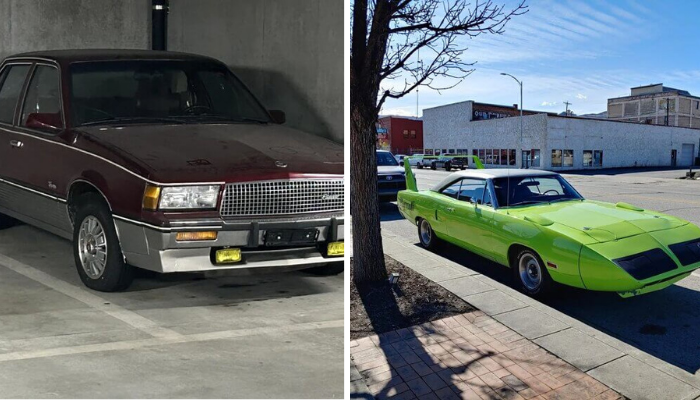
Once upon a time, these cars were hyped as future classics. Rare. Limited. “Buy now or regret it later.” Fast forward to today and… nobody wants them. They sit unsold, prices keep dropping, and owners are learning the hard way that not every “collectible car” is a smart investment. In a market obsessed with resale value, low mileage, and real demand, these so-called collectibles just don’t make sense anymore. Let’s break down why these cars failed, who’s still trying to sell them, and what buyers should avoid before wasting serious money.
Collectible No More
You can’t talk about car culture without classic cars. They bring nostalgia. Real memories. A driving feel modern cars just don’t have. That’s why collectors chase them.
But here’s the thing. Not every old car is worth the money. Some were hyped hard. Now they’re stuck. No buyers. Bad resale. High ownership costs.
Let’s dig into these so-called collectible cars nobody wants anymore.
Ford Pinto
Back when small, boxy cars were popular, the Ford Pinto had its moment. Compact size. Easy city driving. Cheap entry price.
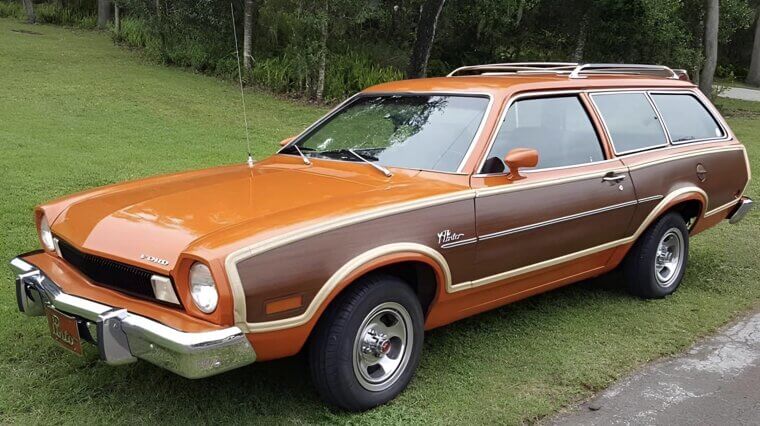
Then came the safety issues. That reputation never left. Resale value dropped fast. Rust problems didn’t help. Neither did rising restoration costs.
Younger buyers see it as a warning story, not a collector car. Even clean examples only sell when priced low. That kills any real investment upside.
Chevrolet Corvair
The Corvair stood out. Rear-engine layout. Different look. Something unusual for American car fans.
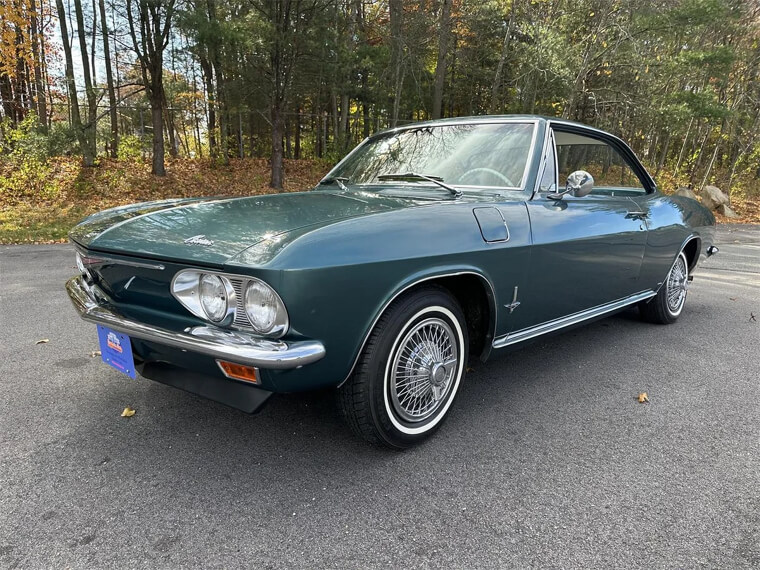
Then Unsafe at Any Speed hit. Handling concerns went mainstream. That label stuck, even after fixes.
Today, resale prices lag behind rivals. Maintenance isn’t beginner-friendly. Rear-engine quirks scare off casual buyers. A small fan base remains, but most collectors want safer, simpler classics.
AMC Gremlin
The Gremlin leaned hard into quirky design. That was the hook. It’s also why it faded.
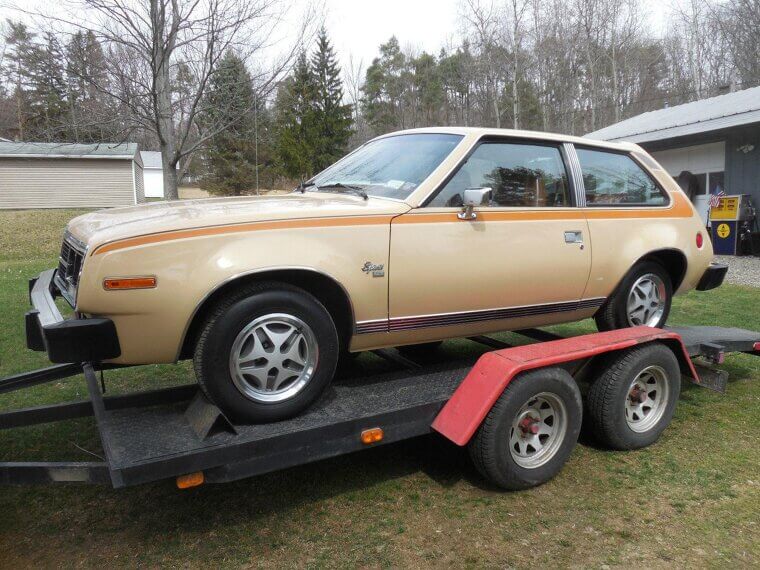
Now it’s more novelty than classic. Build quality wasn’t great. Emissions-era performance was weak. Parts availability is hit or miss, which drives up ownership costs.
Compared to cleaner competitors, it feels like a conversation piece. Not a long-term keeper. Reliability and comfort matter more to buyers now.
Triumph TR7
The wedge look of the Triumph TR7 split opinions fast. Some loved it. Many didn’t.
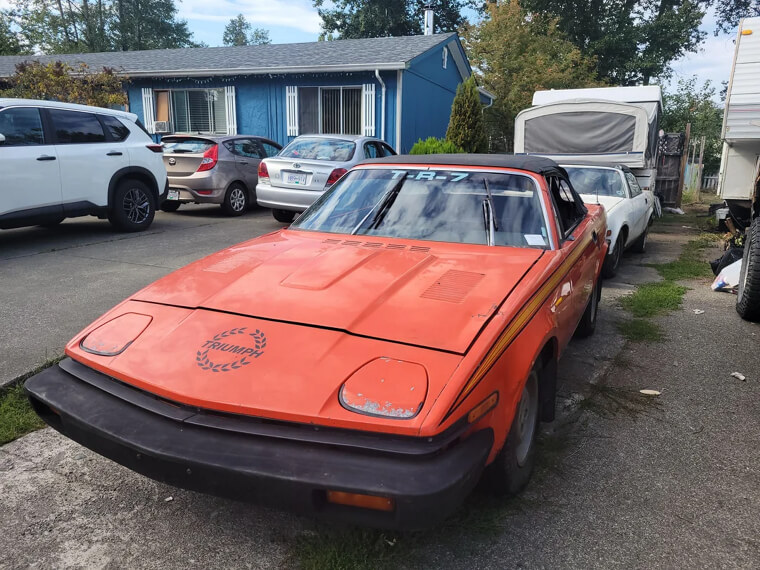
Mechanical issues followed. Electrical gremlins. Leaks. Poor build quality from early British Leyland years. Performance felt muted thanks to emissions tuning. Rust and bad panel fit made restorations expensive.
Later updates couldn’t shake the bad rep. With weak resale value and specialist repair needs, buyers move on to Japanese or German classics instead.
Fiat X1/9
The Fiat X1/9 looked cool back in the 70s. Mid-engine layout. Italian vibes. Lightweight feel. On paper, it sounded like a smart classic car investment.
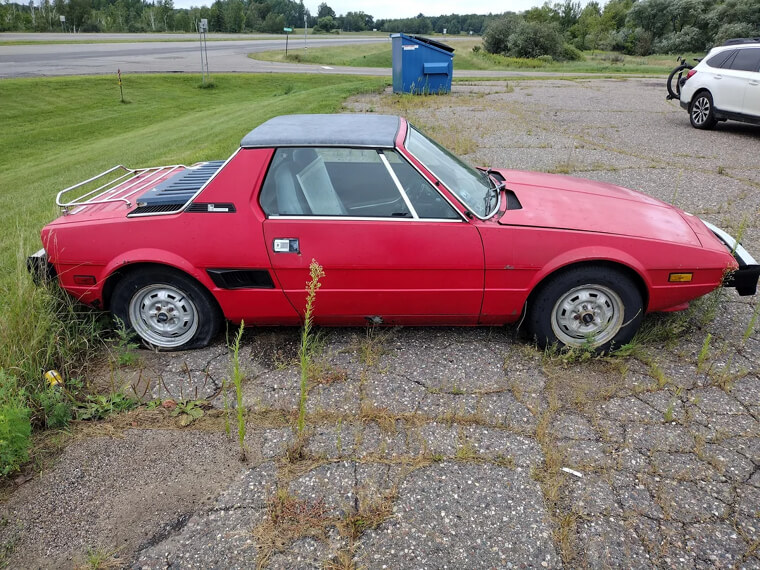
Reality hit hard. Power was weak. Maintenance never stopped. Rust loved this car. Electrical issues were common. And that mid-engine setup? Expensive labor every time something broke.
Carb tuning and emissions gear killed what little performance it had. Parts aren’t easy to find either. When resale value trails cars like the Miata or Alfa Spider, collectors lose interest fast.
1970s Ford Thunderbird
The 70s Thunderbird looks big and stylish, sure. But collectors keep comparing it to earlier Thunderbirds. And that’s the problem.
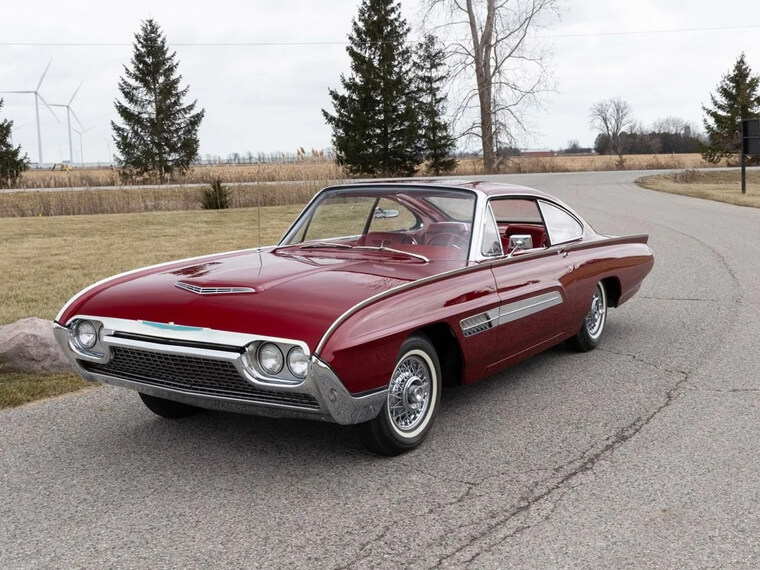
Malaise-era weight made it slow. Smog equipment hurt performance. Soft suspension meant floaty handling. Big V8s drank fuel, which isn’t great when gas prices keep rising.
Restorations get messy too. Old vacuum systems fail. Interior trim breaks easily. With low appreciation and lots of supply, buyers usually walk away.
Volkswagen Karmann Ghia
The Karmann Ghia had Italian styling and German build quality. Sounds like a win, right?
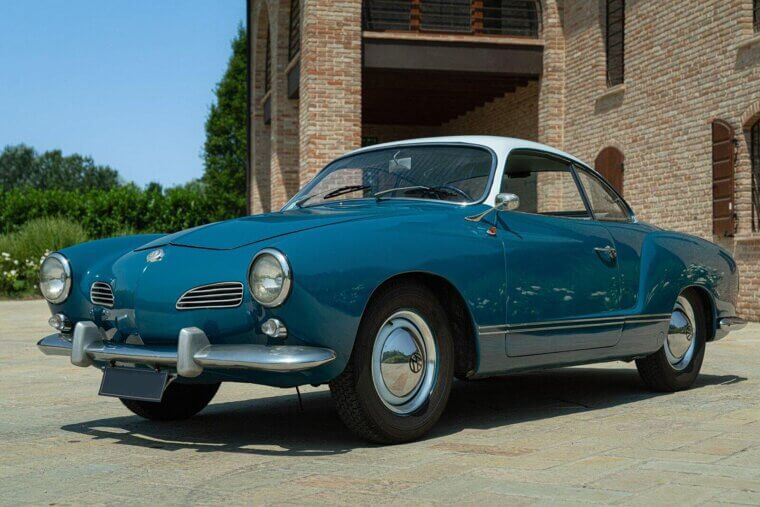
Then there’s the Beetle. Same bones. Same feel. Way more iconic. The Ghia ended up feeling like a dressed-up Beetle instead of a real sports car.
Performance is modest. Rust is brutal. That curvy body makes repairs expensive. Prices don’t match the effort, so buyers often choose cleaner Beetles or proper coupes instead.
Pontiac Fiero
When the Fiero launched, it was a big deal. Mid-engine. Plastic body panels. Very futuristic for the early 80s.
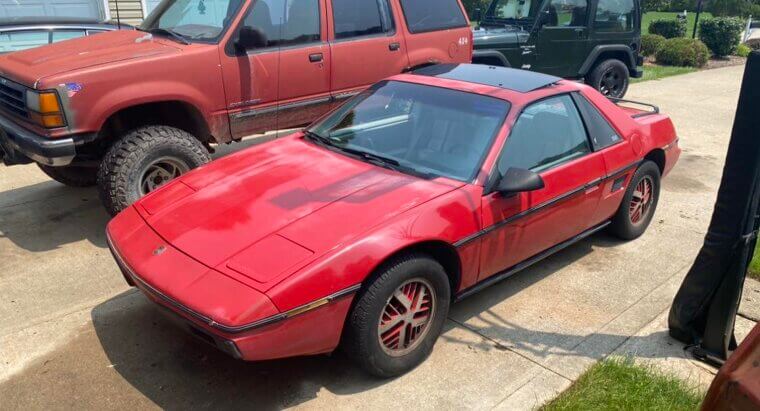
Then came the overheating issues. And the engine fires. That reputation never really faded. Early reliability problems scared off collectors fast.
Later versions were better. More power. Better handling. Didn’t matter. Parts hunting is annoying. Service costs add up. Resale value stays flat.
MG MGB
The MG MGB is everywhere. That’s the problem.
Collectors loved it once. Simple design. Classic British roadster feel. But high production killed exclusivity. Survivors are easy to find, and many need constant work.
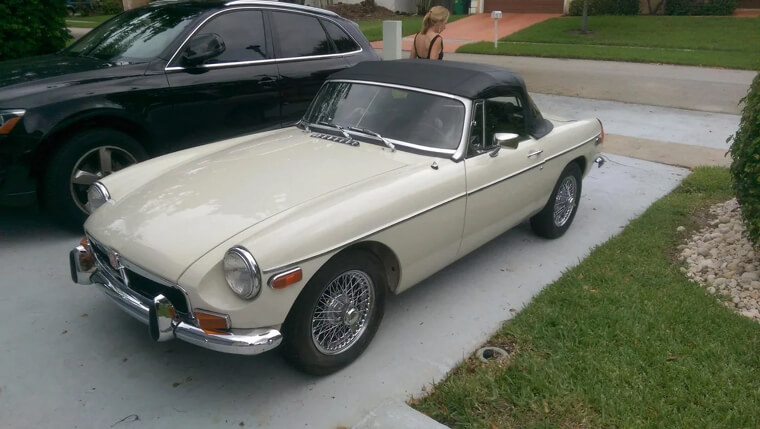
Carbs need tuning. Rust is common. Electrical issues pop up often. Performance during the emissions years feels slow, especially on highways.
Buyers chasing rarity or lower ownership costs usually jump to Miatas, Triumphs, or Alfa Romeos instead.
Chevrolet Vega
The Chevy Vega started strong. Cheap. Modern look. Good fuel economy. People loved it at first, including Chevy collectors.
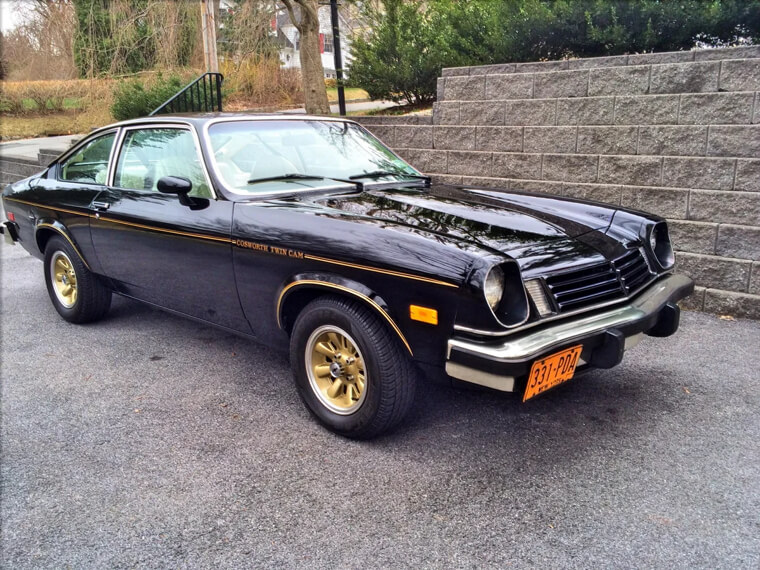
Then the aluminum engine problems showed up. Reliability became a real concern. Rust hit hard. Build quality wasn’t great either. Overheating caused early wear, even on well-kept cars.
Maintenance costs kept stacking up. Restoration prices climbed. Resale value stalled. Most collectors moved on to tougher, more reliable compact cars.
Plymouth Valiant
The Valiant was known for being dependable. A sensible daily driver back in the 60s and 70s.
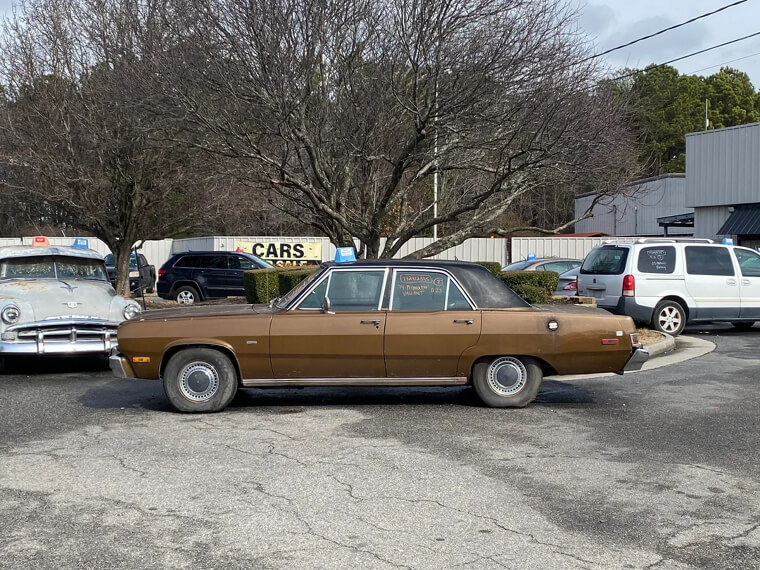
But sensible doesn’t mean collectible. These cars are everywhere. Styling is plain. Performance is nothing special. Even the famous Slant-Six engine couldn’t turn it into a high-value classic.
Restoration costs often beat resale prices. Survivors are plentiful. It’s fine as a cruiser, but not a smart classic car investment.
Jaguar XJ-S
A V12 Jaguar sounds amazing. And when it works, it is.
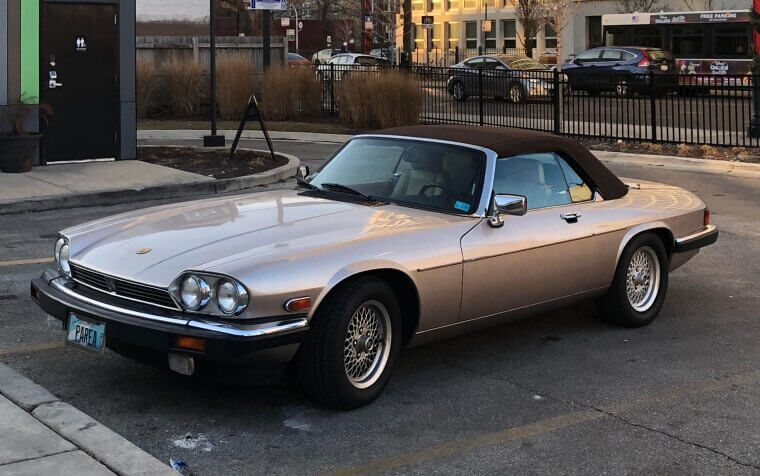
The problem? Ownership costs. Maintenance is brutal. Timing work, fuel injection issues, fragile wiring—it all adds up fast. Rust, leaks, and worn interiors don’t help either.
Insurance isn’t cheap. Fuel bills hurt. Resale rarely justifies the spend. Buyers chasing lower costs and better reliability skip it now.
Cadillac Allante
The Allante had big dreams. Italian Pininfarina design. Luxury vibes. Cadillac badge.
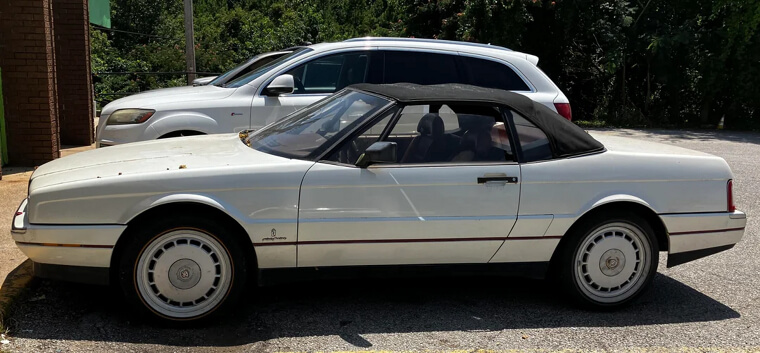
But the price was always high, and it never really came down. Maintenance stayed expensive. Electronics age poorly. Convertible-top hydraulics fail. Pininfarina body parts aren’t easy or cheap.
Few mechanics know them well. Parts can be hit or miss. Even with later upgrades, resale stays soft, which scares off restorations.
Buick Reatta
The Reatta tried something different. Two seats. High-tech dashboard. Early touchscreen.
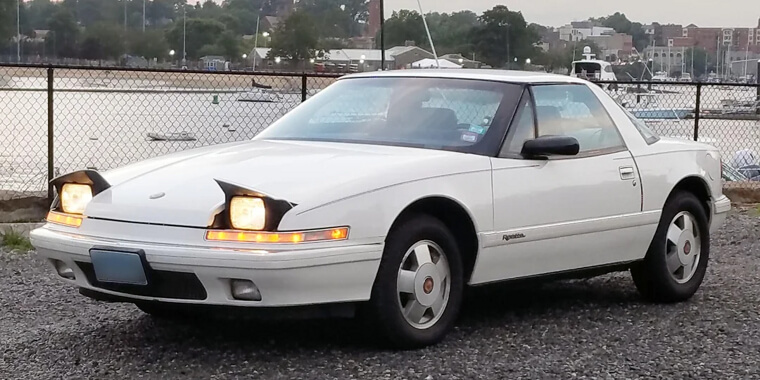
At first, the novelty worked. Then the tech aged. Electronics fail. Repairs get expensive and specialized. Performance never matched the sporty image, and automatic-only didn’t help.
Styling is hit or miss. Body parts aren’t easy to find. Auction results stay weak, so collectors usually pass.
Datsun 210
The Datsun 210 was cheap to run. Super reliable. Great on gas. That’s why people loved it back then.
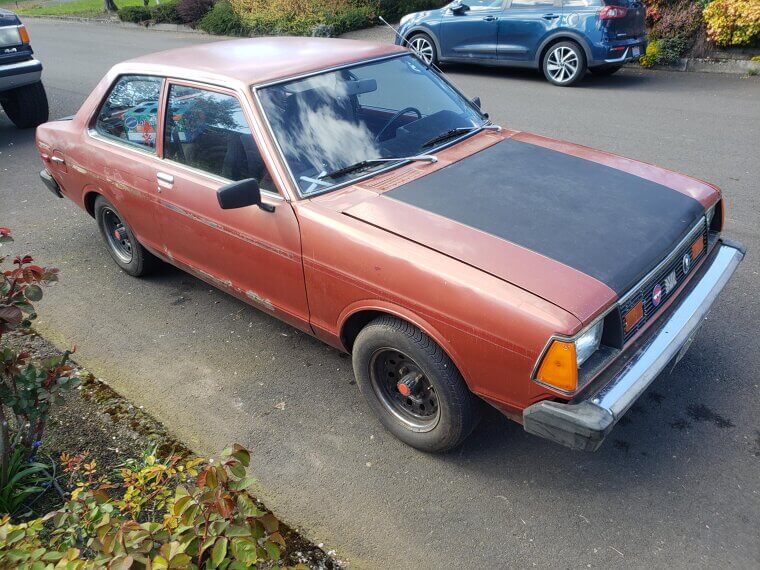
But collectors want excitement. And the 210 just doesn’t have it. Power is weak. Handling is safe, not fun. Most survivors came with basic interiors and automatic transmissions.
Parts are easy to find, sure. But restoration costs don’t match resale value. Buyers chasing real classic car value jump to the Datsun 510 or 240Z instead.
1980s Mercury Cougar
The 80s Cougar tried to change lanes. Less muscle car. More luxury coupe. That move hurt it.
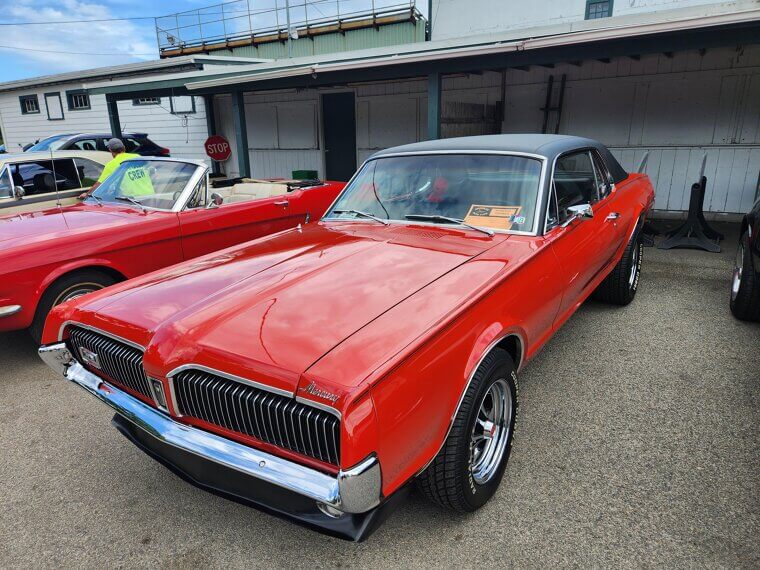
Soft suspension killed the fun. V6 power felt lazy. Automatic transmissions made it worse. Styling leaned comfy, not aggressive. Fox-platform roots felt bland.
Restoration costs climb fast. Resale stays soft. Most buyers would rather have a late-60s Cougar or a Mustang with real muscle-car energy.
Chevrolet Chevette
The Chevette did its job. Reliable. Cheap. Good commuter.
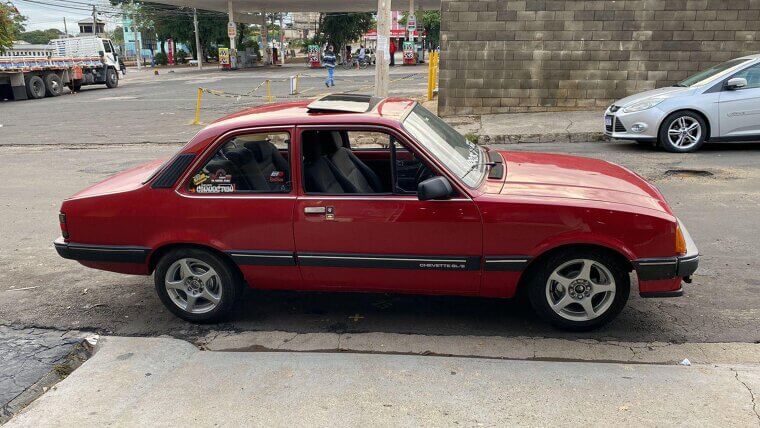
But as a collectible? Not really. Power is low. Design is plain. Rust shows up early. Interiors are noisy and basic. Performance versions are rare and not very exciting anyway.
Parts are affordable but time-consuming to hunt. Restoration almost always costs more than the car is worth. Enthusiasts usually pass.
Mazda RX-7 Series 1
Early RX-7s got attention for the rotary engine. Different. Lightweight. Cool idea.
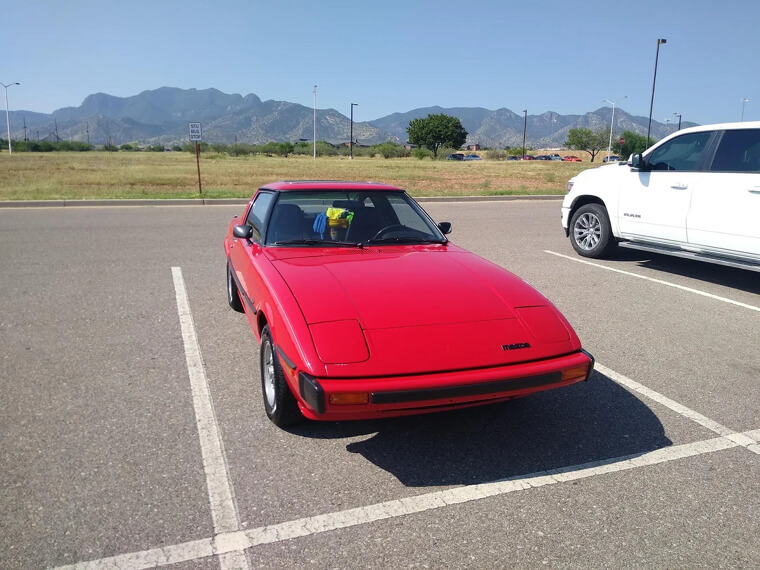
Reality? Low power. High maintenance. Apex seal worries scare buyers off. Rebuilds aren’t cheap. Carb tuning is annoying. Fuel economy isn’t great either.
Rust in common spots adds more cost. Resale stays soft. Most shoppers choose simpler piston-engine coupes or later turbo RX-7s.
Ford Fairmont
The Fairmont was a solid family car. Dependable. Practical.
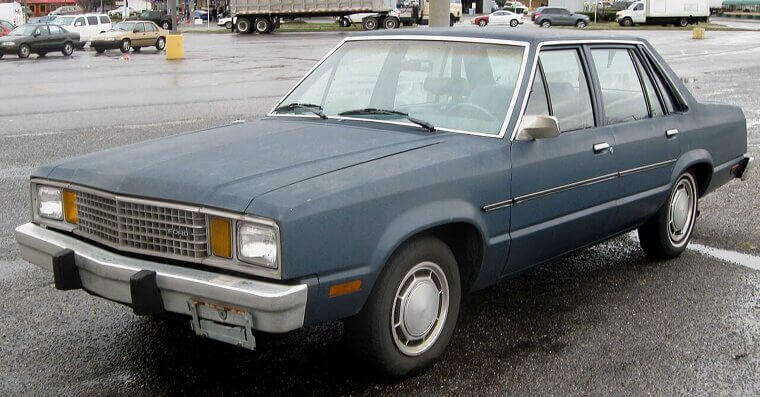
That’s also why it isn’t collectible. Styling is bland. Performance is weak. Emissions-era engines didn’t help. Rust and worn interiors are common. Automatics feel slow and tired.
Parts are around thanks to Fox-platform ties. But values don’t move. Collectors usually aim for earlier Falcons or Mustangs with more history and excitement.
Chrysler LeBaron Convertible
The LeBaron looks fancy. Drop the top, cruise slow, feel rich.
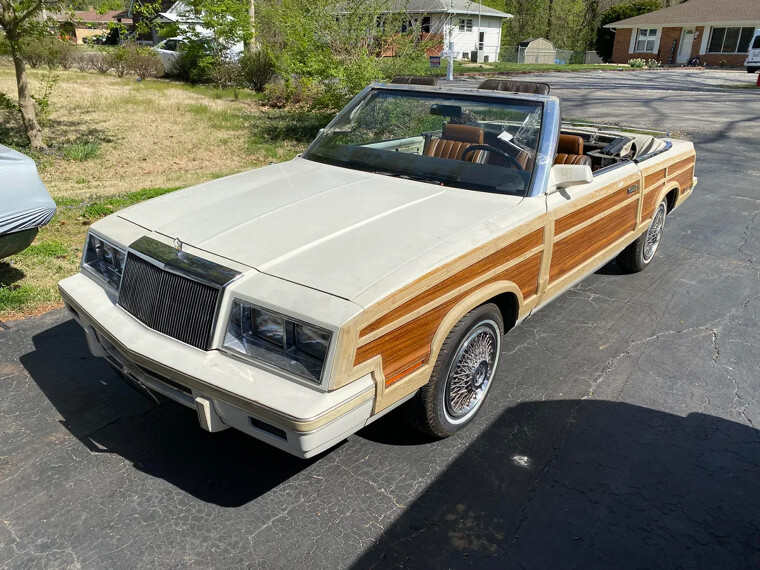
But once you drive it, reality kicks in. Performance is weak. Resale value is worse. Underneath, it’s just a K-car. Most came with basic four-cylinders and lazy automatics that kill any fun.
Electronics age badly. Convertible top hydraulics fail. Trim pieces break if you look at them wrong. There are plenty out there, so prices stay low. Collectors usually jump to tougher Mopars or Mustang convertibles instead.
Honda CRX (non-Si Models)
The CRX name carries weight. The non-Si versions don’t.
These feel like leftovers compared to the Si. Base 1.5-liter engines are slow, especially with automatics. Carb versions need constant fiddling. Nothing about them feels special.
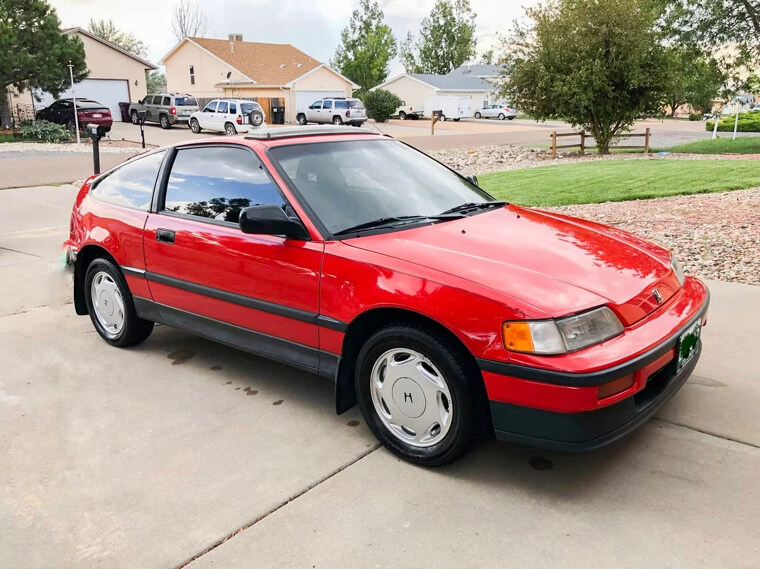
Rust hits hard. Plastics get brittle. Many have rough pasts. Without the Si badge or performance, values lag. Most enthusiasts just buy an Si or move on to a Del Sol.
Pontiac Sunbird
The Sunbird always lived in someone else’s shadow.
Other Pontiacs had more power. Better looks. More presence. The Sunbird got stuck with bland styling, weak engines, and slushy automatics on J-body bones.
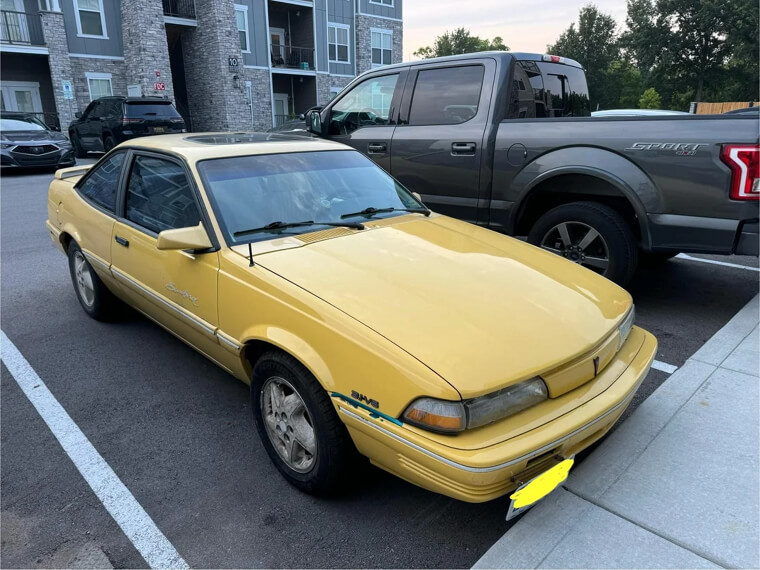
Interiors age poorly. Plastics fade. Headliners sag. Rust and electrical issues creep in. Even clean convertibles struggle to sell. Collectors usually go Firebird or GTO shopping instead.
Volvo 240
The Volvo 240 is legendary for surviving forever. That’s the appeal.
But it was built for safety and utility, not excitement. Boxy looks. Modest power. Zero drama. Collectors respect it, but don’t chase it.
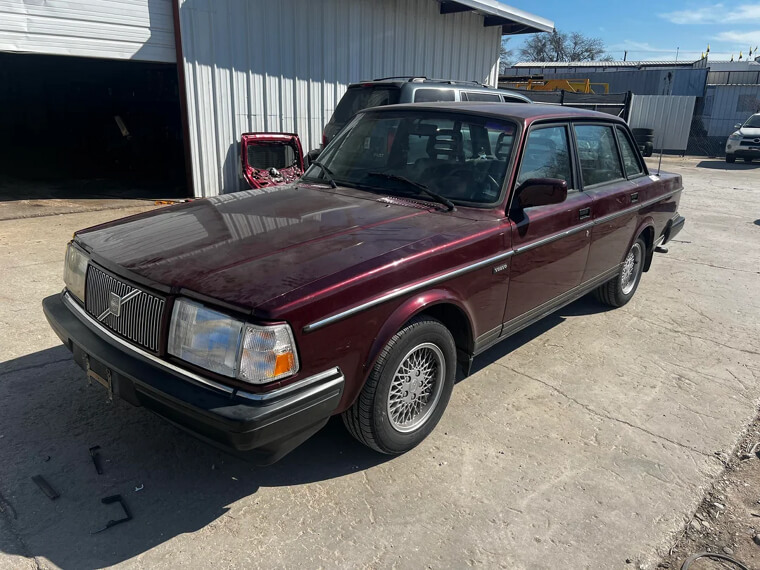
Most survivors are high-mileage commuters with worn interiors and automatics. Restoration costs don’t add up. Buyers looking for appreciation go turbo Volvos or rarer Scandinavian coupes.
Nissan 280ZX
The 280ZX looks sleek. It’s comfortable. Feels upscale.
But it lost the raw edge of the 240Z. Extra weight. Softer suspension. Emissions tuning dulled throttle response. Automatics didn’t help.
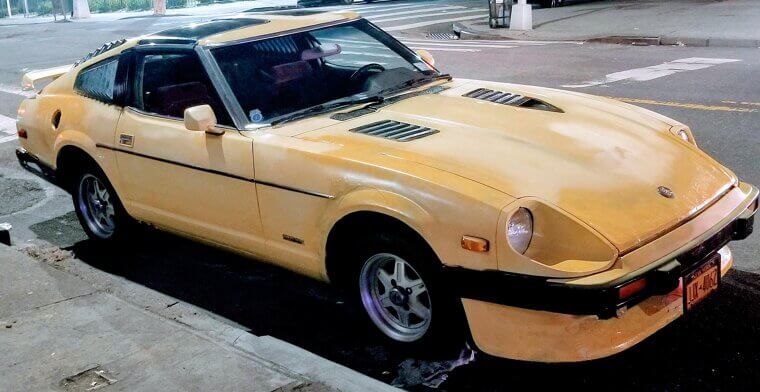
T-tops leak. Electronics fail. Trim parts aren’t cheap. Values trail sharper Z cars and turbo 300ZXs. Most buyers admire it, then keep scrolling.
Renault Alliance
The Renault Alliance was hyped for fuel efficiency. Big deal at the time. Great MPG. Cheap to run.
But collectors want more than savings at the pump. This car never had the features or personality to become a true classic. Build quality was weak. Rust showed up early. Electronics failed often. Engines felt slow and strained.
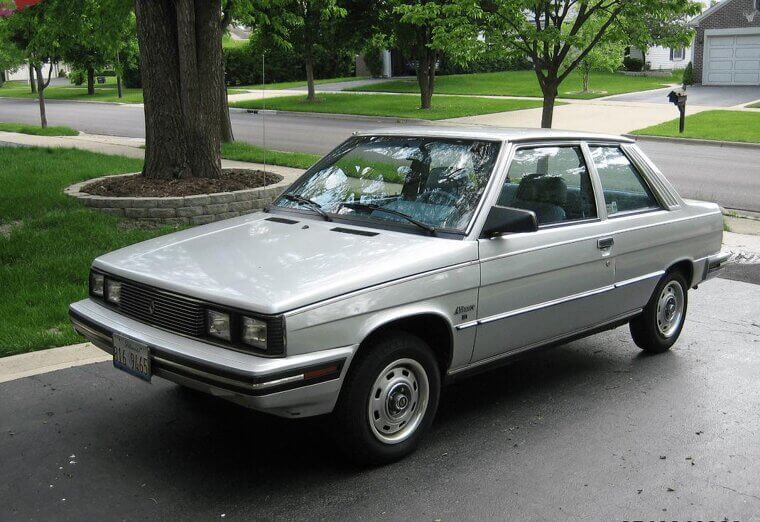
Parts support dried up after corporate changes. Restoration makes no financial sense. Even clean examples don’t get bidding wars. Buyers want livelier compacts with better resale value and clearer collector appeal.
Chevrolet Caprice
The Caprice had space. Comfort. Big engines. It made sense in the 60s.
Then gas prices climbed. Big sedans fell out of favor. Smog-era tuning dulled performance. Handling felt floaty and disconnected.
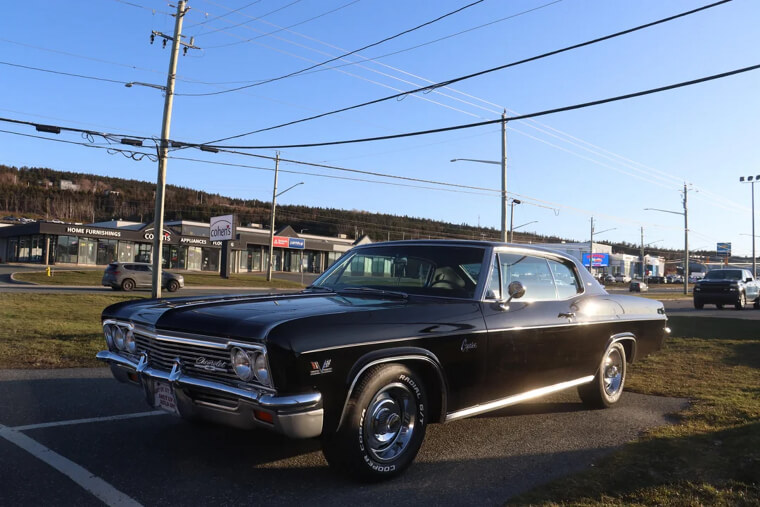
These cars are huge, which makes storage expensive. V8 fuel costs add up. Vacuum systems fail. Supply is high, so prices stay flat. Collectors usually chase rarer Impalas or 9C1 police models instead.
1964 Mercury Marauder
Mercury tried to sell luxury. The Marauder didn’t quite deliver it.
Even with limited production, values never took off. Styling feels plain. Underneath, it’s basically a Ford, which kills exclusivity.
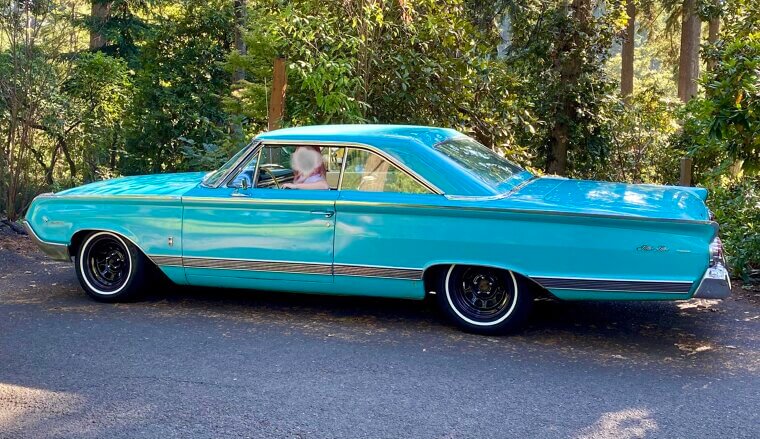
Big-block engines drink fuel. Insurance isn’t cheap. Trim parts are annoying to restore. Costs climb fast, resale doesn’t. Most buyers move toward Galaxies or early Mustangs.
Dodge Charger
The early Charger is legendary. The 70s versions? Not so much.
Weaker engines. Added weight. Smog-era tuning. Soft suspension. Big bumpers. Automatic transmissions everywhere. The edge was gone.
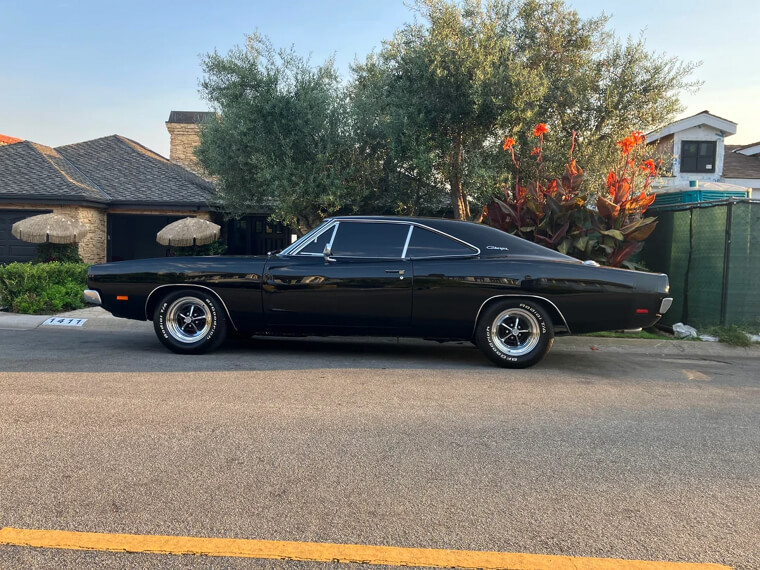
Rust problems didn’t help. Insurance costs spiked. Restoration bills often beat resale value. Collectors stick with ’68–’70 cars and ignore the rest.
Ford Torino
Yes, it won races. NASCAR history is real.
Street versions tell a different story. Heavy bodies. Poor fuel economy. Smog-era engines. Lazy automatics. Performance just wasn’t there anymore.
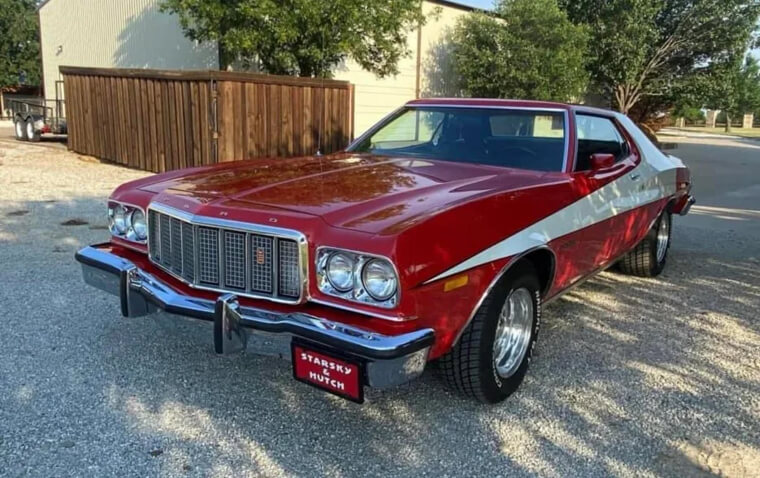
Rust-prone panels raise restoration costs. Insurance and fuel bills hurt. With low appreciation and plenty available, collectors chase earlier, sharper Fords instead.
Lincoln Continental
The 60s Continental is iconic. Everything after that struggled.
Later models got bigger. Softer. Heavier. Fuel-hungry V8s. Complicated electronics. Expensive trim that doesn’t age well.
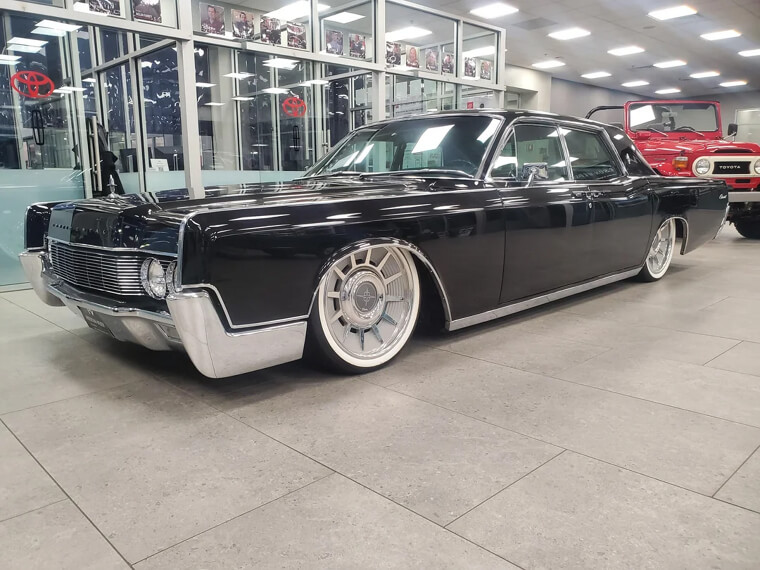
Storage is a pain. Restoration costs climb fast. Resale stays weak. Most collectors save their money for suicide-door classics and skip the rest.
Ferrari Mondial
The Ferrari Mondial was different. Four seats. More family-friendly. That alone turned off a lot of Ferrari purists.
It’s mostly known today as the cheapest way into Ferrari ownership. And that comes with a catch. Maintenance costs are still very Ferrari. Timing belt services aren’t cheap. Electrical issues pop up. Interior trim costs hurt.
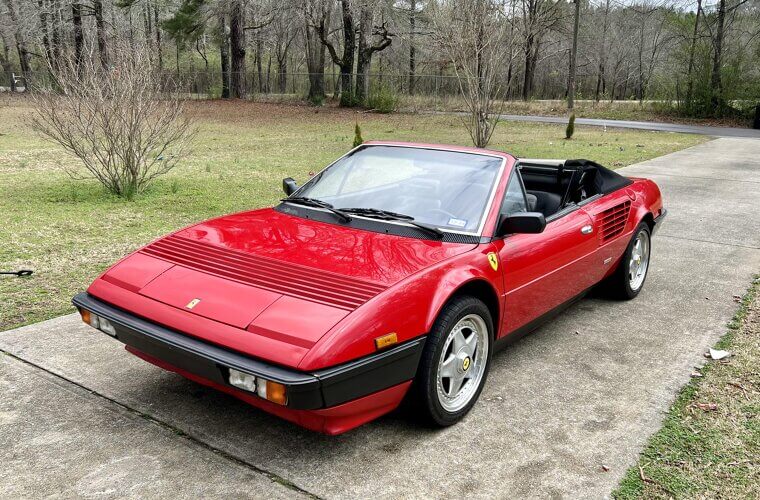
Performance doesn’t match the badge. The 2+2 layout kills the romance. Most buyers just save a bit longer and grab a 308 or 328 instead.
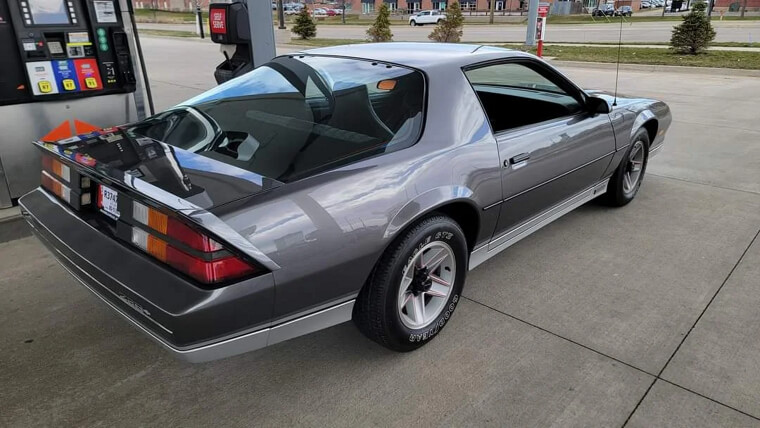
Chevrolet Camaro Z28
The third-gen Camaro Z28 looked aggressive. Sounded promising.
Then people drove it. Reliability issues showed up. Power was weak. That 305 V8 barely made 190 horsepower. Build quality didn’t help either. T-tops squeaked. Plastics faded fast.
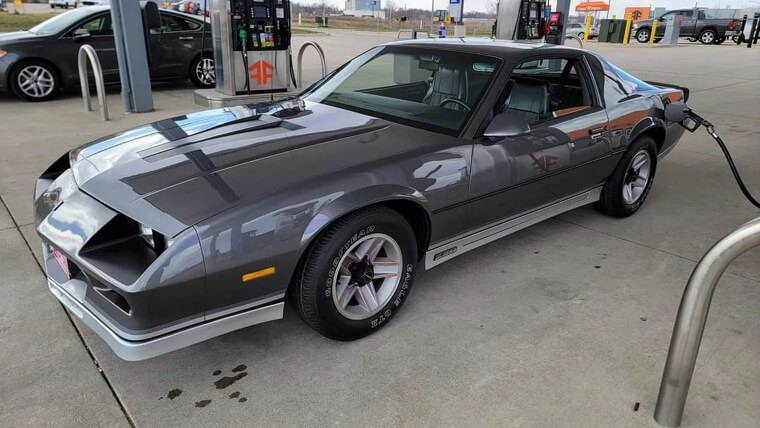
Automatic transmissions felt slow. Emissions tuning killed the fun. The IROC-Z stole the spotlight, leaving resale values soft and projects hard to justify.
DeLorean DMC-12
The DeLorean is pure pop culture. Back to the Future made it legendary.
But strip away the movie magic and things get awkward. The PRV V6 is underpowered. Stainless steel panels add weight. Driving it isn’t exciting.
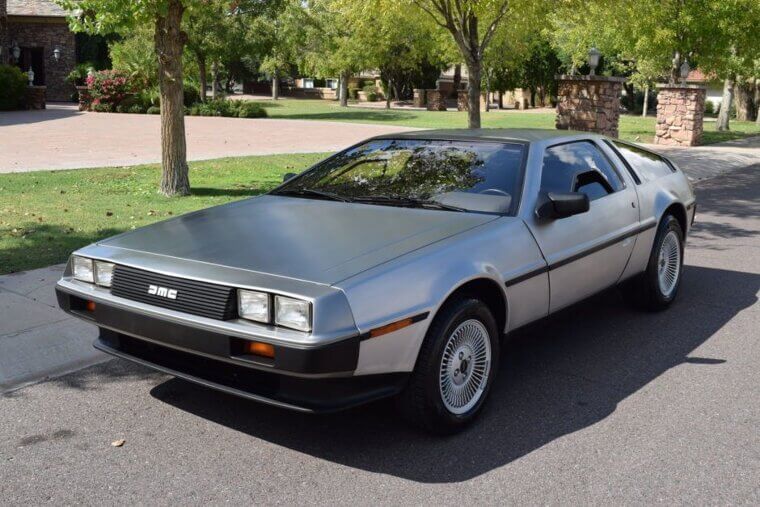
Build quality was hit or miss. Parts aren’t cheap. Restoration costs scare buyers. Value today comes more from nostalgia than real collector demand.
Renault Le Car
The Le Car was cheap, practical, and kinda charming. At first.
Reliability problems showed up quickly. Rust was common. Electronics failed. Carburetors needed constant tuning. Then Renault left the U.S., and parts support dried up.
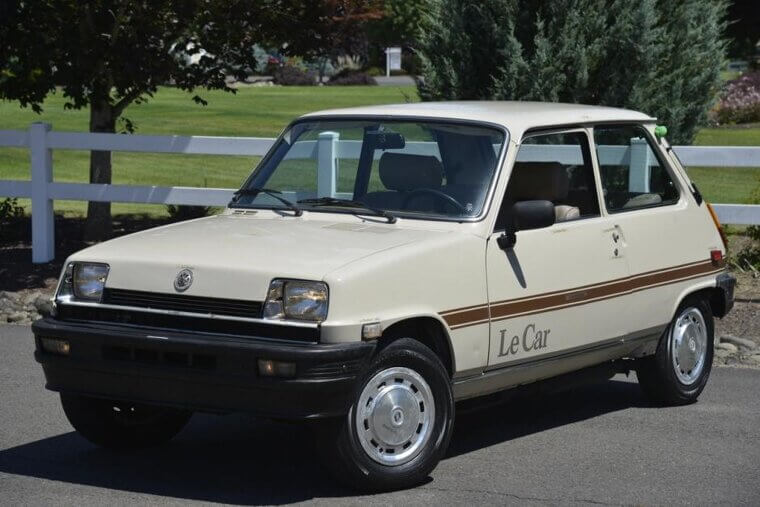
Performance was weak. Restoration costs exceeded resale. Most enthusiasts moved on to early GTIs or Civic Si models instead.
Buick Riviera
The Boat Tail Riviera looked amazing. No doubt about it.
Bad timing killed it. The oil crisis pushed buyers toward fuel-efficient cars. Smog-era tuning dulled performance. Big V8s drank fuel. Handling felt soft and floaty.
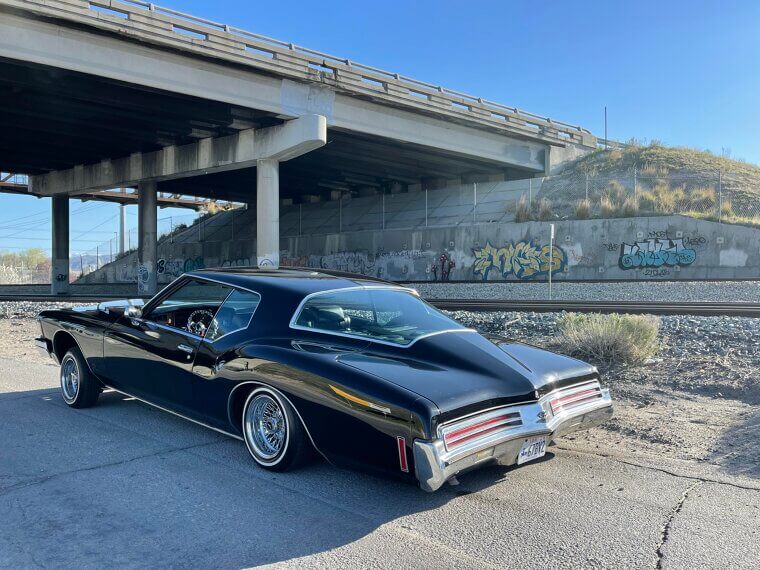
Restoring trim and glass gets expensive fast. Supply is high, so prices stay flat. Collectors usually chase earlier Rivieras or sportier alternatives.