There was a time when these sports cars were the dream. Posters on bedroom walls. Loud engines. Sky-high price tags. Fast forward a few years, and things look very different. Resale value is slipping, depreciation rates are brutal, and buyer demand just isn’t what it used to be. In today’s used car market, insurance costs, expensive maintenance, and rising repair bills are making people think twice. Even performance upgrades and luxury badges can’t always save them. So what happened? Let’s take a closer look at the once-iconic sports cars that quietly fell out of favor.
These Sports Cars Devalued Faster Than They Lost Their Cool
Through the years, we’ve seen some seriously great sports cars. Real legends. Some locked in their spot in automotive history. But not all of them aged well. A few got stuck in their era. They couldn’t keep up with modern performance cars, new tech features, or today’s fuel efficiency standards. And when resale value starts dropping and depreciation hits hard, even a cool badge can’t save it. Let’s look at a few sports cars that lost their “cool” factor… and their market value.
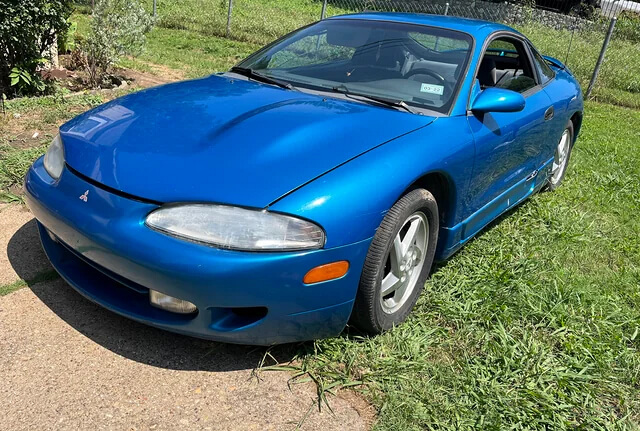
Some were once total showstoppers. Now they sit in the used car market with low buyer demand, overshadowed by better horsepower, smarter performance upgrades, and more reliable engines.
Saturn Sky
The Saturn Sky was basically General Motors’ last shot at saving the Saturn brand. And yeah, the design turned heads. It looked like a budget luxury sports car. But the performance specs didn’t match the hype. The engine felt weak. The driving experience? Kind of flat.
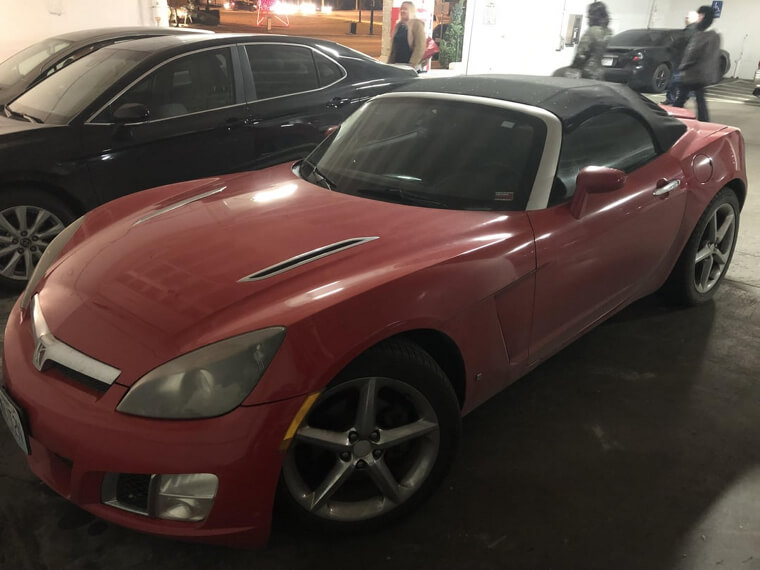
Add high maintenance costs, limited practicality, and Saturn shutting down, and resale prices dropped fast. Today, it’s mostly a cheap used convertible with modest collector value, not the investment car some hoped for.
Chevrolet Corvette C1
The Corvette C1 started an iconic American sports car legacy. No doubt about that. But let’s be honest, the first generation wasn’t exactly a performance beast. Reliability issues and modest horsepower numbers made it feel outdated pretty quick.
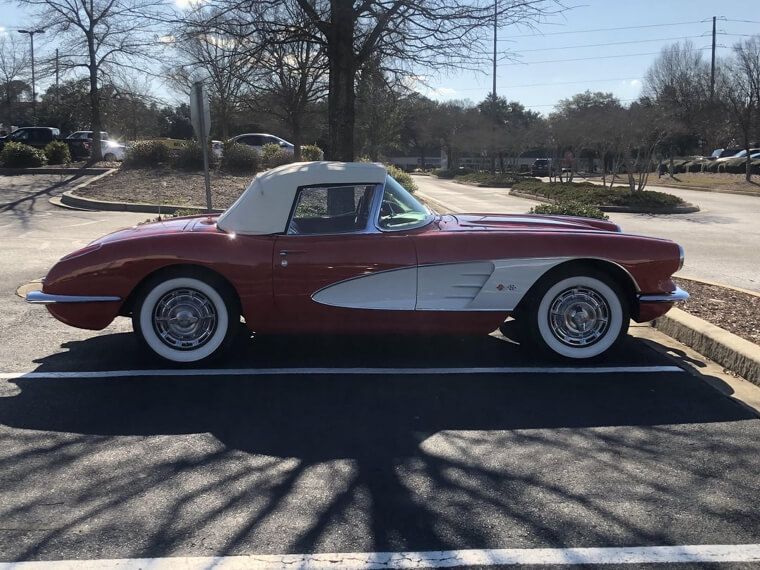
Modern Corvette models blow it away in terms of speed, engine performance, and automotive technology. The C1 still has classic car insurance appeal and nostalgic value, but for many buyers, it’s more of a display piece than a real driver’s car.
2002 Ford Thunderbird
The 2002 Thunderbird was supposed to be a nostalgic comeback. Retro styling. Luxury vibe. But the performance tuning and handling just didn’t deliver. It felt heavy. Not very exciting.
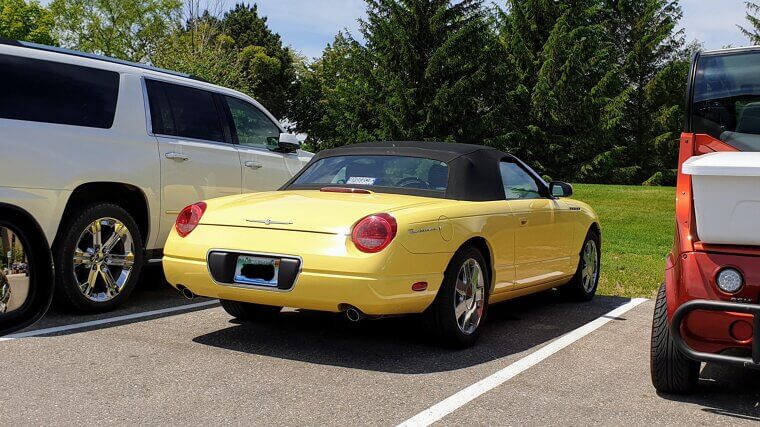
Enthusiasts expected better horsepower and sharper driving dynamics. Instead, it became another example of a revival that missed the mark. In today’s used sports car market, resale value stays soft, and buyer interest is pretty low.
Covini C6W
The Covini C6W had six wheels. That alone made it viral before viral was even a thing. On paper, it looked like a high-performance Italian supercar with insane grip. In reality? More novelty than investment-grade exotic car.
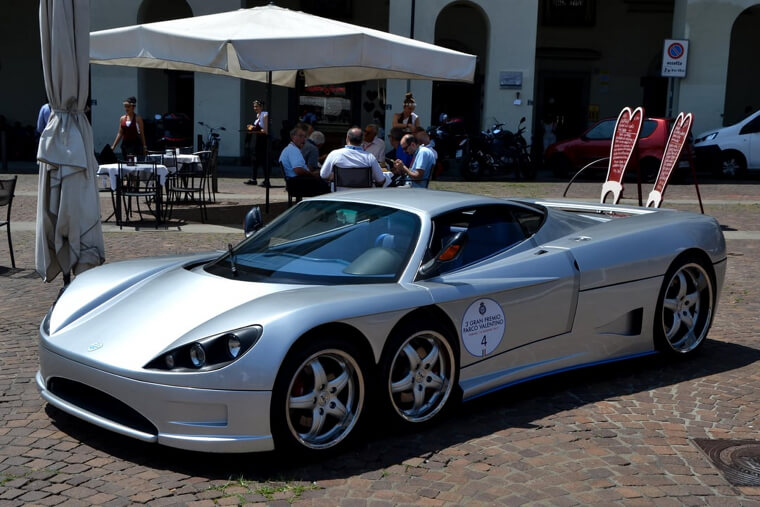
Handling quirks and expensive maintenance costs didn’t help. And when you’re dealing with specialty car insurance and rare parts pricing, things get pricey fast. Today, it’s more of an automotive curiosity than a serious collectible sports car.
Smart Roadster
Smart has built some clever little city cars. But the Roadster? Not its best move. Sure, it was lightweight and super fuel-efficient, which sounds great when gas prices spike. But the low horsepower and sluggish acceleration killed the fun.
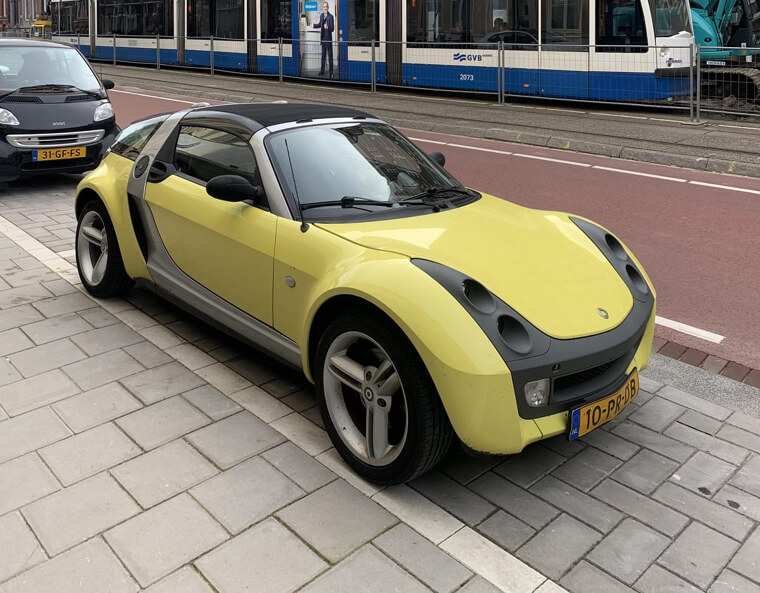
Add the cramped cabin, weird styling, and limited cargo space, and resale value dropped fast. In today’s used car market, it’s more of a forgotten compact sports car than a smart investment.
Chevrolet Corvette C3 California
The C3 California version had the V8 badge, but emissions regulations choked the power. On paper, it looked like a proper American muscle car. In reality, the horsepower numbers were disappointing.
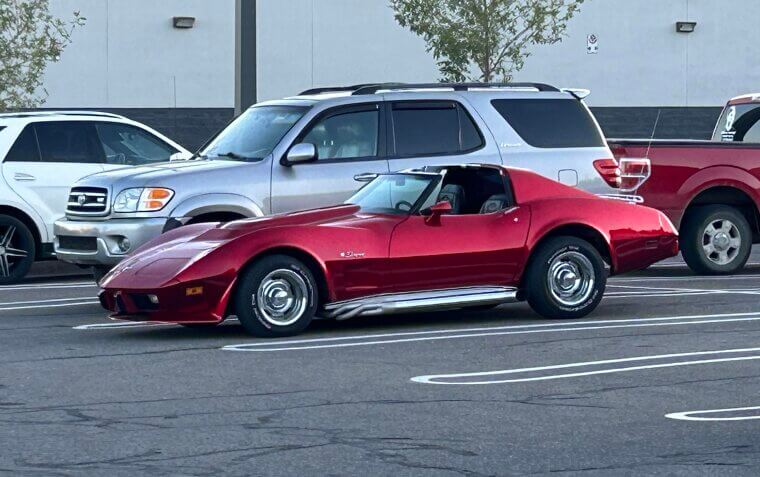
Buyers expected strong engine performance and got something way softer. Even with classic car insurance appeal and rising collector car trends, this version struggles to compete with higher-performance Corvette generations.
Pontiac Fiero
At launch, the Fiero looked like a budget mid-engine sports car. That alone created hype. But reliability issues, engine fires, and weak performance specs ruined the excitement.
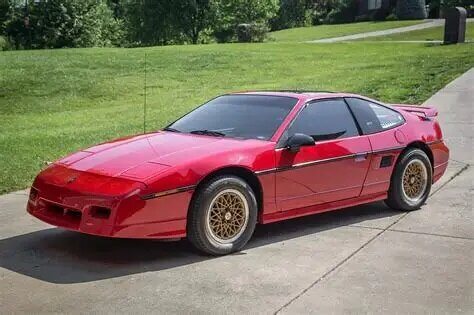
Poor build quality and high repair costs didn’t help resale value either. What could’ve been a high-return classic car investment turned into more of a cautionary tale in automotive history.
Ford Probe
Marketing it as a Mustang replacement? Big mistake. The Probe wasn’t terrible. It just wasn’t a muscle car. Front-wheel drive and modest horsepower made performance fans walk away.
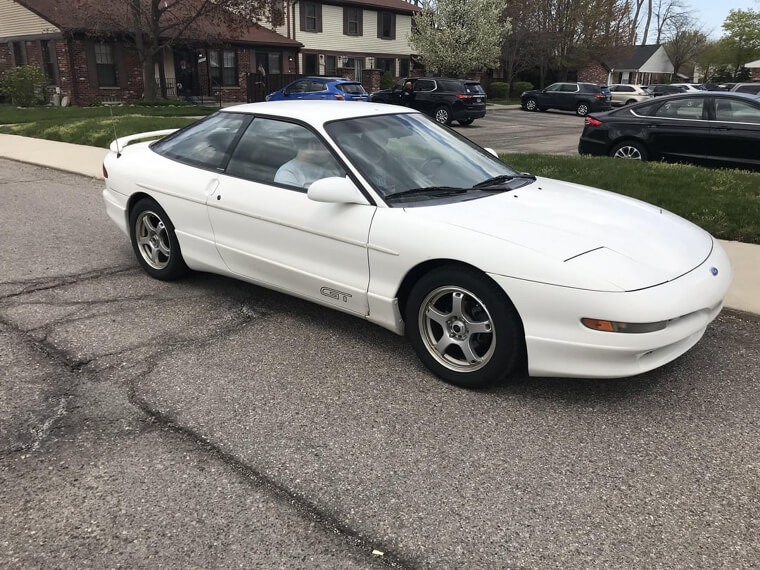
It looked sporty, sure. But it lacked that raw power and torque buyers expected. Over time, depreciation hit hard, and today it’s mostly a low-value used coupe with limited collector demand.
Ferrari Mondial
You’d think any Ferrari would hold strong resale value. Not this one. The Mondial had the luxury badge, but the engine performance felt underwhelming for an exotic sports car.
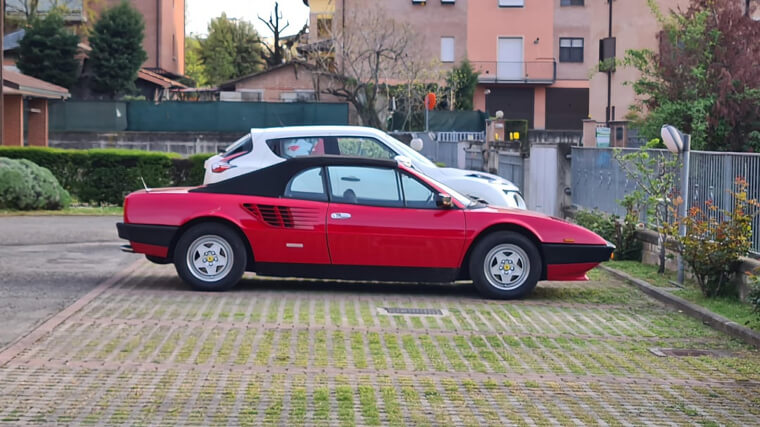
Slower acceleration, heavy handling, and sky-high maintenance costs made ownership expensive. Even with exotic car insurance and Ferrari branding, it’s often seen as one of the brand’s weakest investments.
Third-Generation Chevrolet Camaro
The third-gen Camaro had the ‘80s look. But under the hood? Not much muscle. Emissions rules hurt horsepower, and the handling wasn’t exactly sharp.
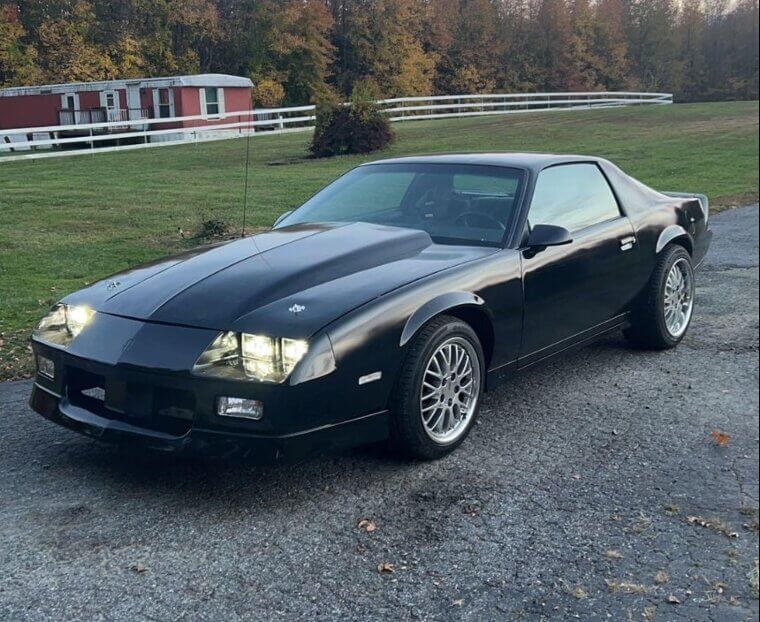
Fans expected classic American muscle performance. What they got felt watered down. While values are slowly stabilizing in the classic car market, it’s still considered a low point in Camaro performance history.
Mitsuoka Orochi
The Orochi looked like a futuristic supercar. Exotic. Wild. Expensive. But the performance specs didn’t match the aggressive styling.
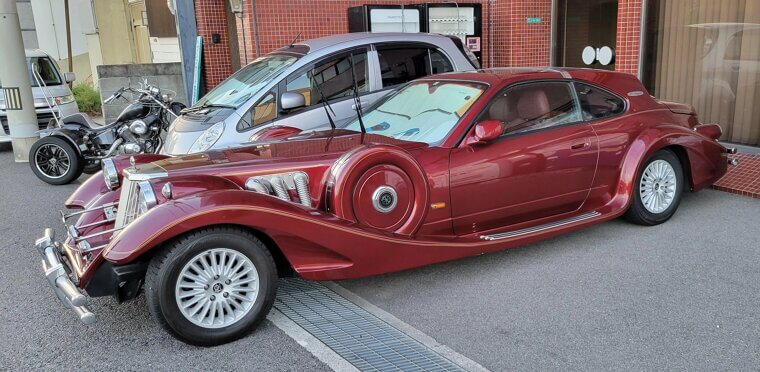
With average horsepower and questionable handling dynamics, it struggled in the luxury sports car market. Today, it’s more of an automotive curiosity than a serious high-performance investment car.
Aston Martin Virage
Aston Martin usually nails luxury performance cars. But the Virage felt off. It had the premium styling and luxury interior, sure. But the driving dynamics didn’t justify the price tag.
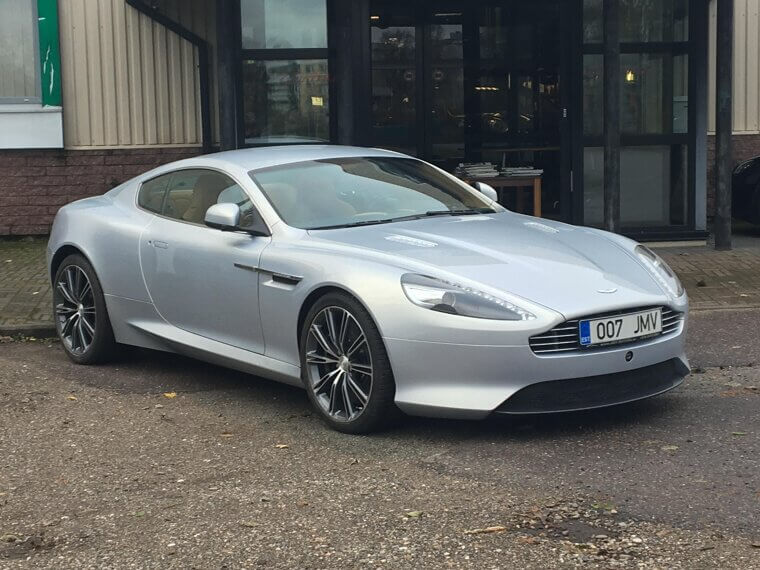
For buyers shopping high-end sports cars with strong resale value and powerful V12 performance, the Virage didn’t stand out. Now it sits in the shadow of more iconic Aston Martin models, with softer demand in the collector car market.
Nissan 350Z
The 350Z isn’t a bad performance car. Not at all. Strong V6 engine. Rear-wheel drive. Solid aftermarket tuning potential. But it carries a rough reputation. It’s been linked to high accident and fatality rates, which makes insurance premiums expensive and scares off cautious buyers.
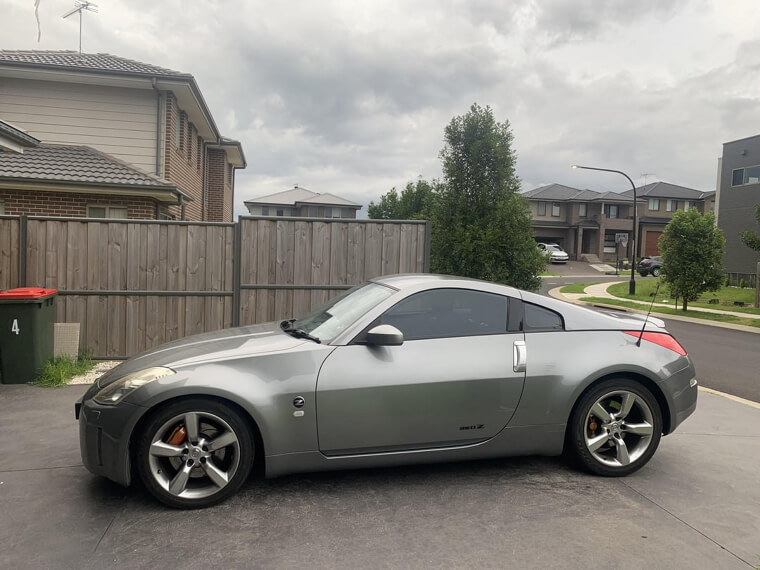
Even with good horsepower and sleek styling, resale value has taken hits. In the used sports car market, perception matters. And that reputation follows it.
Delorean DMC-12
No one forgets the DMC-12. Thank Back to the Future for that. Pop culture made it legendary. Performance? Not so much.
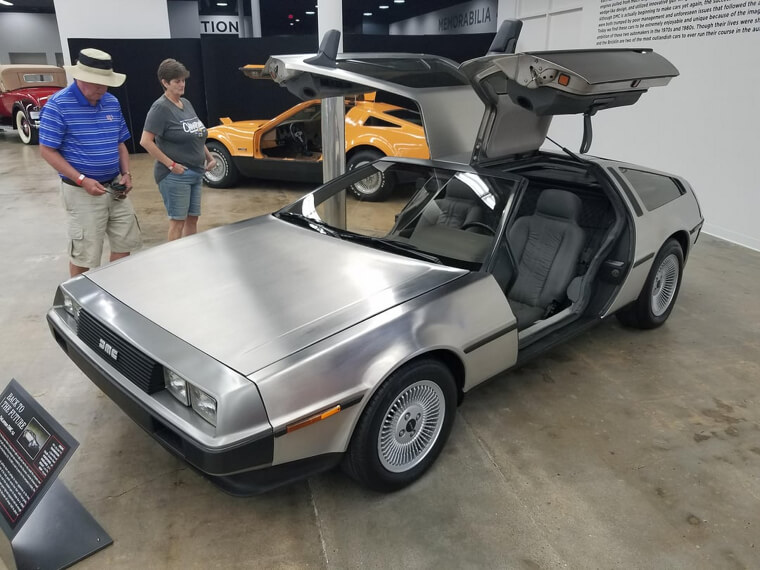
It was underpowered, slow, and had reliability problems. Stainless steel body panels look cool, but they don’t boost engine specs. Today it’s more of a collector car investment based on nostalgia value, not driving thrills or performance upgrades.
Porsche 914
Porsche usually nails performance engineering. The 914 was different. It was marketed as an affordable entry-level sports car, but the horsepower numbers felt weak. Handling was decent, but not exactly thrilling.
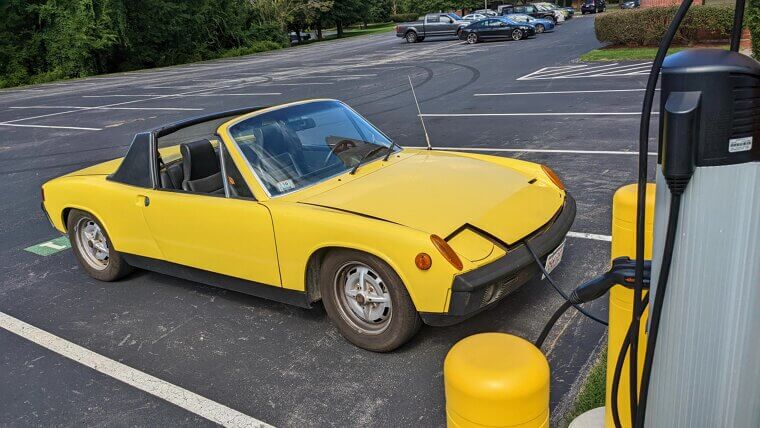
Some classic car buyers appreciate its vintage charm now. But compared to other Porsche models with stronger resale value and better acceleration, it never fully lived up to the badge.
Mazda RX-8
The RX-8 looked sharp and handled beautifully. The rotary engine sounded exciting on paper. In reality? Engine failure around 30,000 miles scared people off.
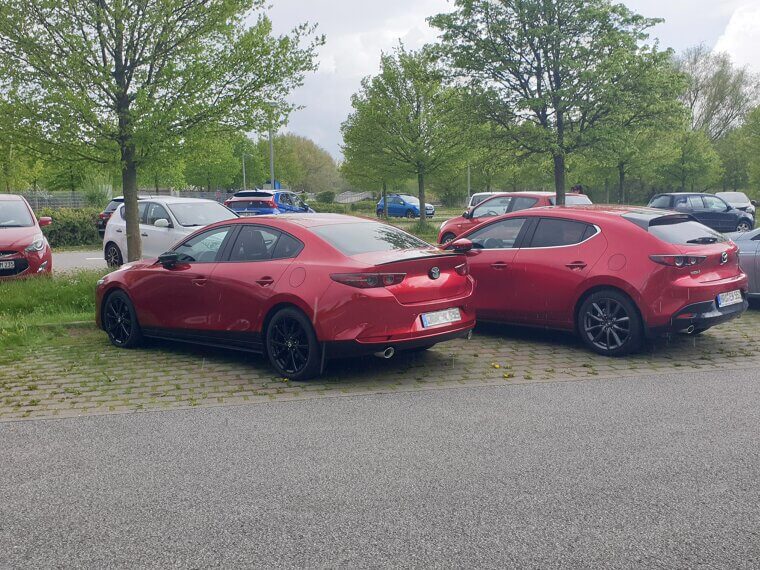
High maintenance costs, oil consumption issues, and expensive engine rebuilds crushed its long-term reliability rating. In today’s used car market, buyers worry about repair bills more than performance specs.
Hyundai Tiburon
The Tiburon had sporty styling and affordable pricing. Great for young drivers shopping cheap car loans. But it lacked real power. Low horsepower. Basic handling.
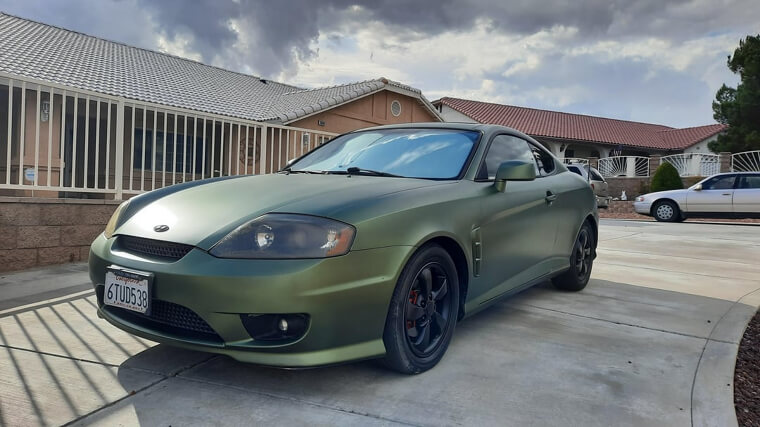
Add safety concerns and higher insurance costs, and resale value dropped fast. It looked like a sports coupe. It just didn’t drive like one.
Pontiac Solstice
The Solstice had early hype. Sleek roadster vibe. Decent turbocharged trim. But cramped interior space and tiny trunk capacity made daily driving annoying.
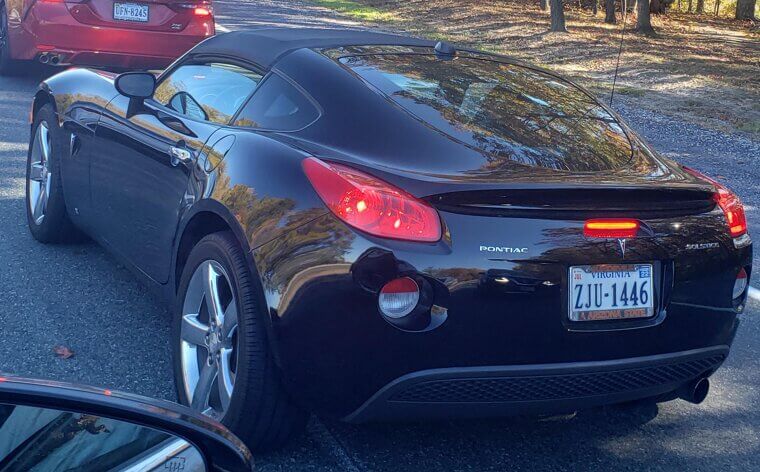
Performance wasn’t terrible, but it wasn’t thrilling either. As depreciation hit and Pontiac shut down, buyer demand cooled. Now it sits in the affordable used convertible category, not exactly a high-return collector car.
Fisker Karma
The Karma tried to mix luxury sports car performance with plug-in hybrid technology. Sounds like a high-value EV investment, right? Not really.
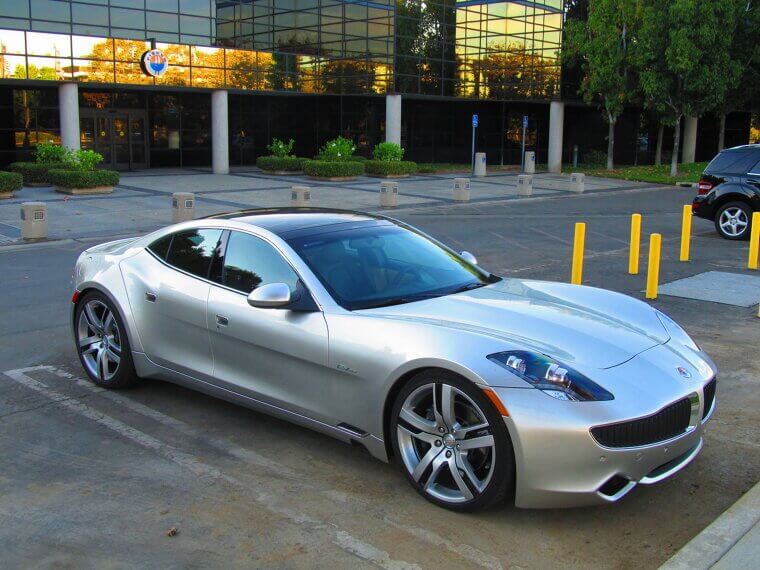
Heavy curb weight, limited electric range, and serious reliability issues hurt it fast. Add high repair costs and complicated battery systems, and resale value tanked. It looked futuristic, but financially, it wasn’t a smart buy.
Fourth-Generation Ford Mustang
The Mustang name carries muscle car history. But this generation felt underpowered compared to earlier V8 legends. Steering felt loose. Performance numbers were average.
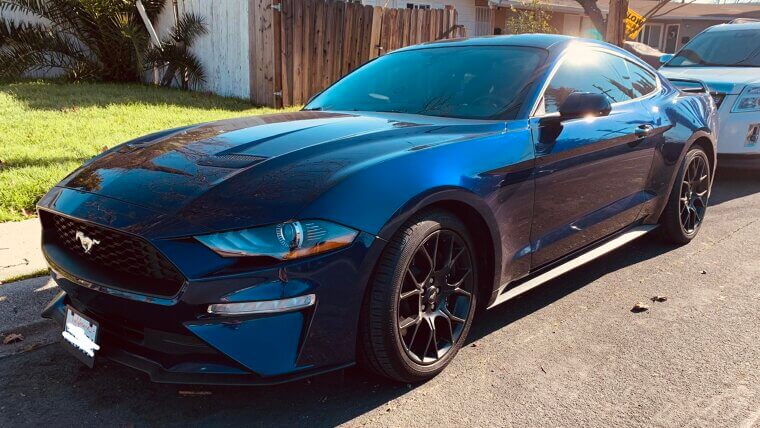
Collectors often skip this era when hunting for high-appreciation classic cars. It tried to modernize the brand, but it didn’t fully capture the raw muscle car performance buyers expected.
Lamborghini Urraco
Calling a Lamborghini disappointing feels wrong. But the Urraco had issues. It was pitched as a more “affordable” supercar, yet the V8 performance numbers didn’t blow anyone away. Acceleration felt modest for an exotic car price tag.
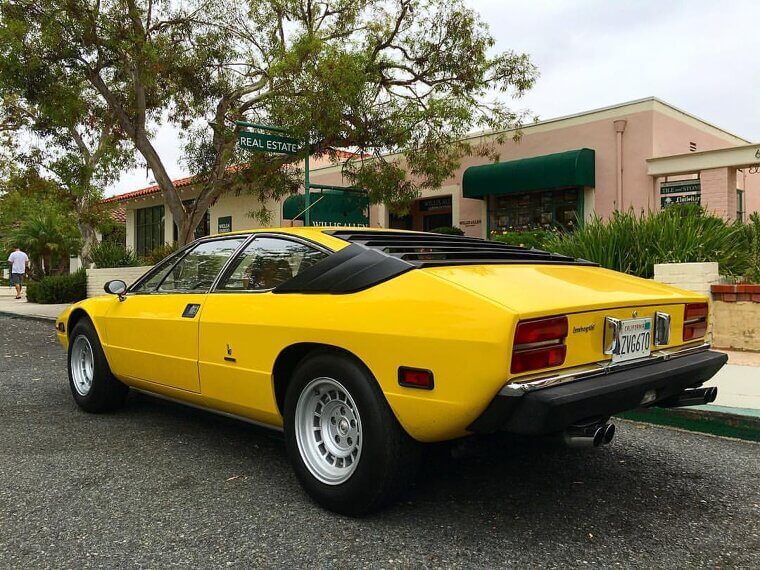
Add reliability concerns and a rough ride quality, and resale value never really took off. Today, it’s more of a niche classic car investment than a blue-chip collectible like other Lamborghini models.
HTT Plethore LC-750
The Plethore LC-750 was hyped as Canada’s first real supercar. On paper, the horsepower looked impressive. But performance testing told a different story. Handling issues, build quality concerns, and reliability problems scared buyers off fast.
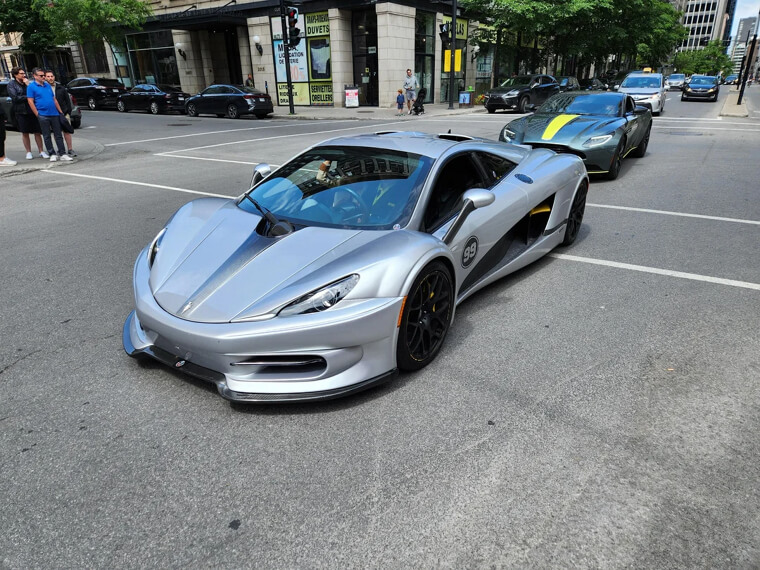
With a six-figure price and weak driving dynamics, depreciation hit hard. In the exotic car market, buyers expect precision engineering. This one didn’t quite deliver.
Plymouth Prowler
The Prowler looked like a hot rod straight out of a concept sketch. Bold. Retro. Wild. But no V8 engine? That hurt. Instead of true muscle car performance, buyers got average horsepower and limited practicality.
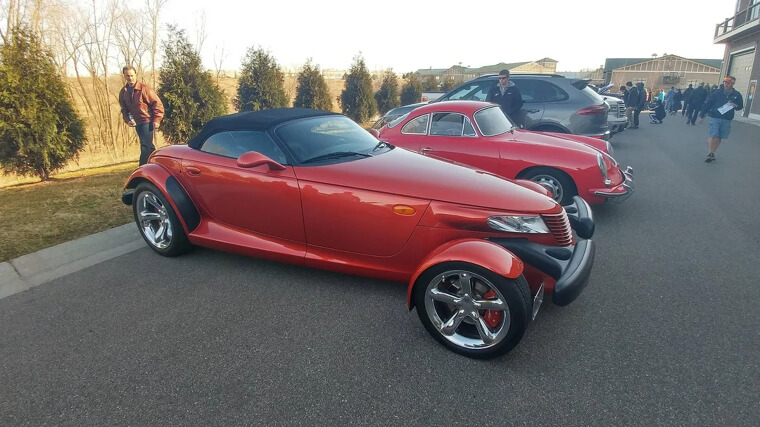
It’s a classic case of style over substance. While it holds some collector curiosity value today, it never became the high-performance investment car many hoped for.
Fiat 124 Spider
Fiat tried to compete with the Mazda MX-5 Miata in the affordable sports car market. Problem is, the Miata already owned that space.
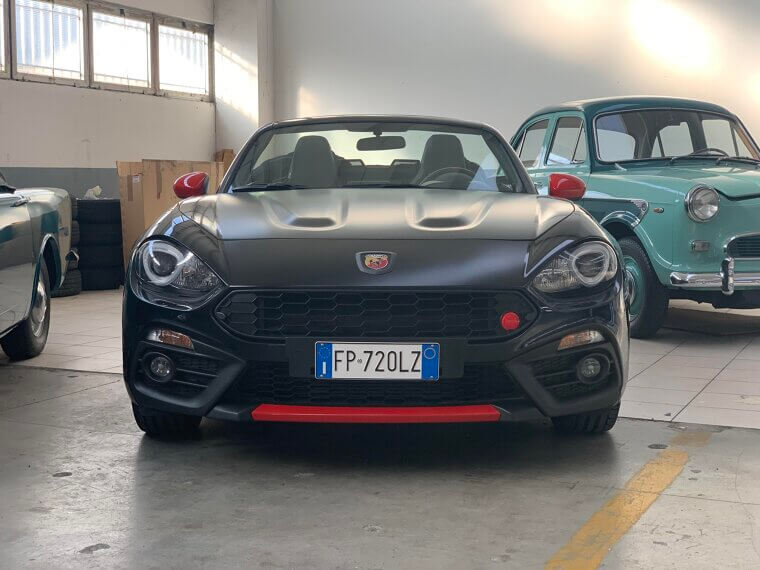
The 124 Spider had decent turbocharged specs, but it felt less refined. Handling wasn’t as sharp. Long-term reliability didn’t inspire confidence either. In terms of resale value and buyer demand, it just couldn’t match its Japanese rival.
Fiat X1/9
The X1/9 had a cool mid-engine layout and fun cornering ability. On paper, that’s sports car gold. But rust issues, electrical problems, and rising maintenance costs ruined ownership for many.

Classic car insurance might be cheap now, but restoration costs can add up fast. It’s remembered more for its quirks than strong performance metrics.
Saturn Ion
The Ion wasn’t exactly a performance car, but it tried to look sporty. Over time, it just couldn’t compete with newer compact cars offering better fuel economy, stronger safety ratings, and improved tech features.
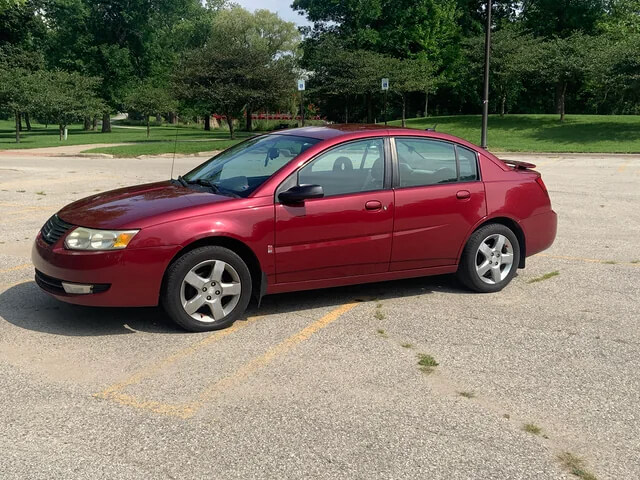
Low resale value and cheap interior materials didn’t help. Today, it’s a budget used car option at best. Definitely not something collectors or performance car buyers are chasing.
Toyota Celica
Back in the day, the Celica was a solid affordable sports coupe. Reliable engine. Decent fuel economy. Cheap car insurance. It had a loyal fan base in the tuner scene too.
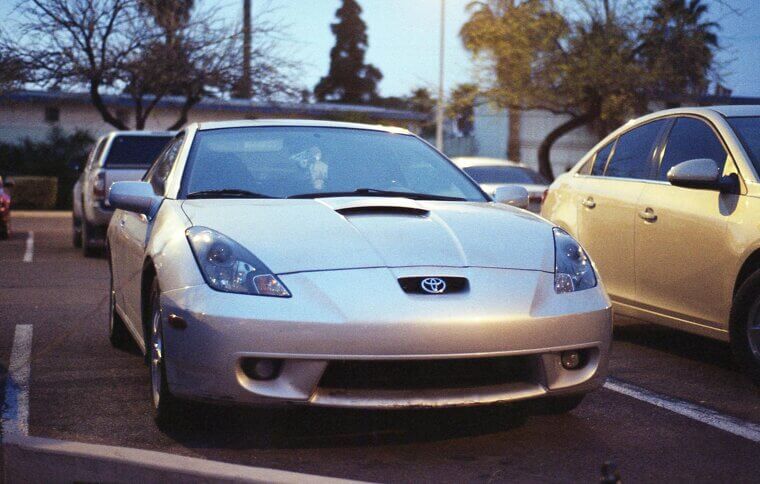
But the styling didn’t age well. And the modest horsepower just doesn’t compete with modern turbocharged performance cars. In today’s used car market, resale value stays soft because buyers want sharper tech and stronger acceleration.
Mitsubishi Eclipse
Early Eclipse models were lightweight and fun. Then the third gen showed up. Bigger. Heavier. Less exciting. The sporty handling that made it popular kind of disappeared.
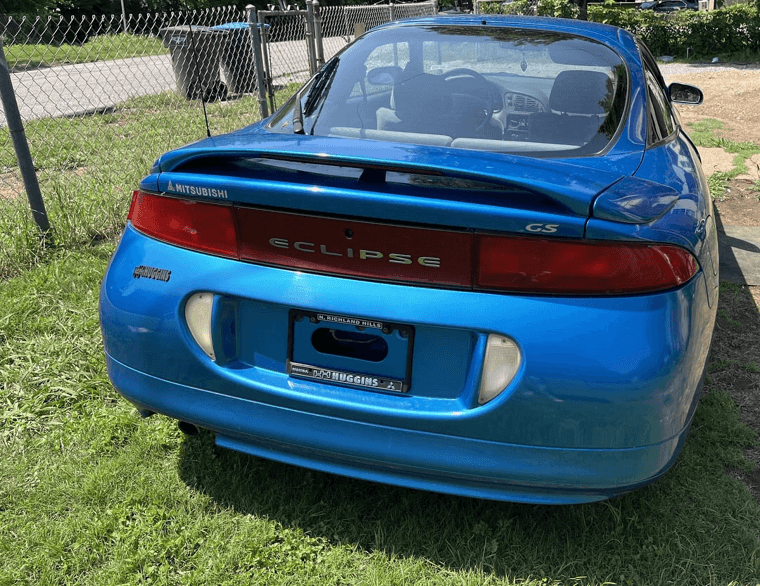
Performance specs felt average, and tuning potential wasn’t the same. Over time, depreciation hit hard. Now it’s remembered as a once-great sports car nameplate that slowly drifted away from real performance appeal.
Pontiac Grand Am
In the late ‘90s, the Grand Am felt cool. Affordable financing. Sporty trim options. Decent V6 power for the price.
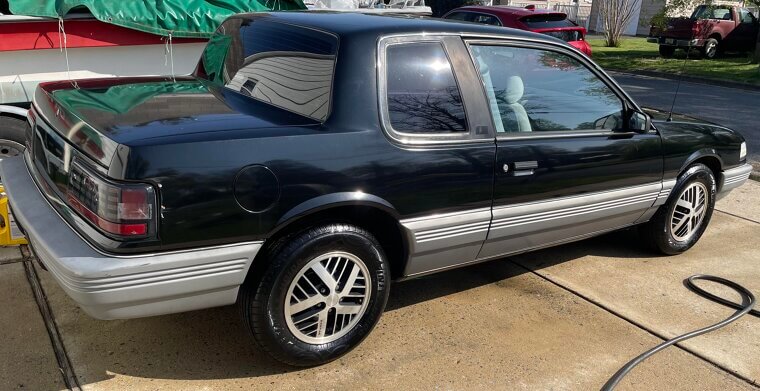
But cheap interior materials and reliability concerns hurt long-term resale value. As better-built sedans with improved safety ratings entered the market, buyer demand faded. Today, it’s mostly a budget used car, not a sought-after classic.
Plymouth Neon
The Neon was fun and cheap. Peppy acceleration. Low purchase price. Easy auto loans. That made it popular fast.
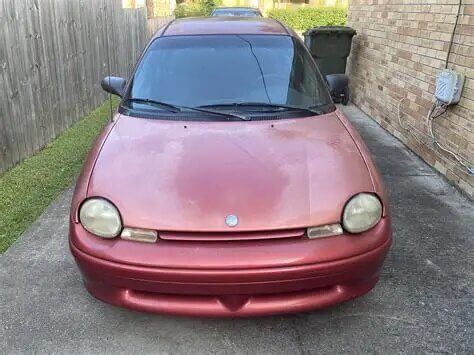
But build quality issues and outdated safety features caught up with it. As compact cars improved in reliability and tech, the Neon’s value dropped. It quietly disappeared from the competitive small car market.
VW Beetle
The Beetle is iconic. No debate there. But nostalgia doesn’t guarantee strong resale value forever. The retro styling started to feel stuck in the past, and performance never really stood out.
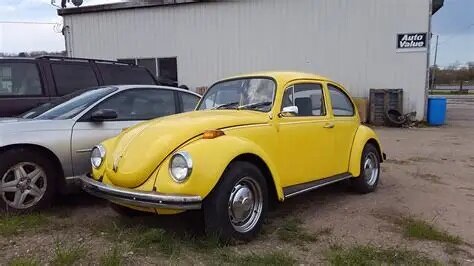
As buyers looked for better fuel efficiency, advanced safety tech, and stronger engine options, sales slowed. Even with its legendary history, it couldn’t keep pace with modern driver expectations.
Chrysler PT Cruiser
At launch, the PT Cruiser had hype. Retro design. Affordable price. Decent cargo space. But the underpowered engine and cheap interior materials turned people off over time.
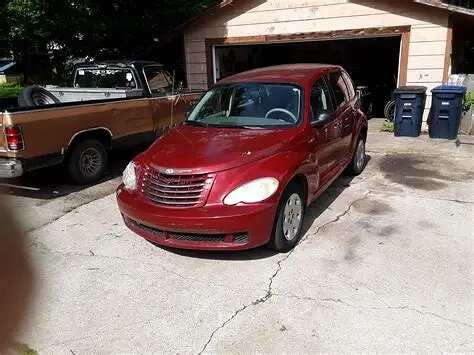
Depreciation was brutal. It became known more for awkward styling than solid performance. In the used car market, it’s often priced low just to move inventory.
Ford Taurus
The Taurus was once a top seller. Reliable. Practical. Easy to finance. But it never offered standout performance specs or exciting design upgrades.
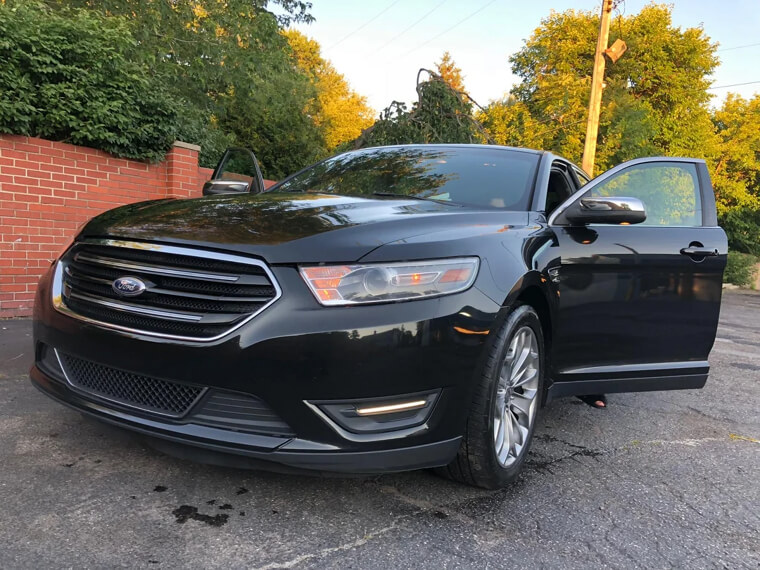
As competitors rolled out better infotainment systems, improved fuel economy, and sharper styling, the Taurus started feeling bland. Resale value flattened, and it slowly faded into the background of the midsize sedan market.
Chevrolet Cavalier
When the Cavalier first dropped, it actually looked modern. Affordable price. Easy auto financing. Cheap car insurance for first-time drivers. That’s why it sold well.
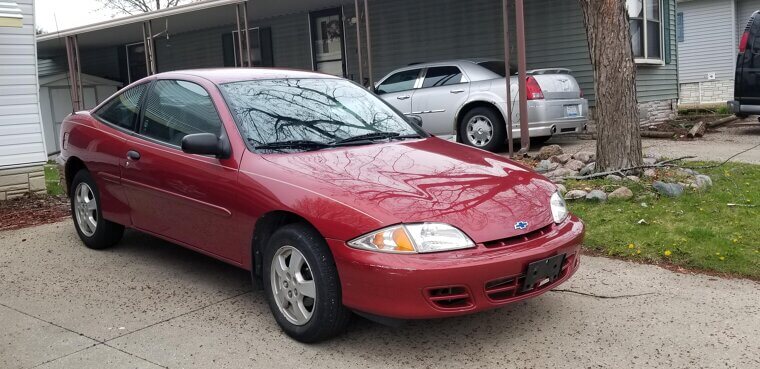
But time wasn’t kind to it. The design aged fast. Engine performance felt weak. And reliability ratings were, let’s say… average at best. As compact cars improved in safety features, fuel efficiency, and build quality, resale value on the Cavalier sank. Now it’s mostly a budget used car with low buyer demand.
Dodge Charger
The Charger name screams American muscle. Classic V8 power. Aggressive styling. Strong horsepower numbers in the right trim. But compared to newer performance sedans and electric cars with instant torque, it’s starting to feel heavy.
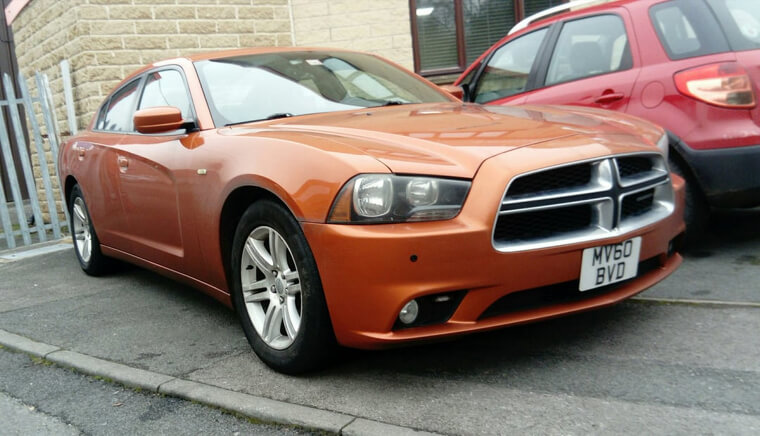
Critics point to bulky handling and outdated interior tech in base models. While high-performance versions still attract buyers shopping for muscle car financing or performance upgrades, overall resale trends show softer demand. These days, it feels more like a nostalgic powerhouse than a cutting-edge performance investment.