Cars today are smarter, safer, and packed with tech. We’ve got advanced driver assistance systems, massive infotainment screens, better fuel efficiency, even semi-autonomous driving features. Sounds great, right? But somehow… a few things still feel missing. Some of the old-school car features we loved have quietly disappeared, and honestly, we’re still not over it.
Automakers are always chasing innovation — electric vehicles, AI-powered safety tech, better crash ratings, lower emissions. It makes sense. The auto industry moves fast, and new car buyers care about vehicle safety features, lower car insurance costs, and high resale value. But in the rush to add more screens and software updates, a few simple (and awesome) features got left behind.
From comfort upgrades that made daily commutes easier to clever design touches that actually felt practical, these discontinued car features still have a loyal fan base. And if you’re shopping for a new car, comparing auto financing deals, or just browsing the latest luxury car upgrades, you might catch yourself thinking… why did they ever get rid of that?
Let’s take a look at the car features we miss the most — and why they probably deserve a comeback.
Manual Window Cranks
Before power windows became standard in almost every new car, you had to roll them down yourself. No switch. No motor. Just a simple crank. Funny thing is, these manual window cranks were super reliable and rarely needed auto repair or expensive replacement parts.
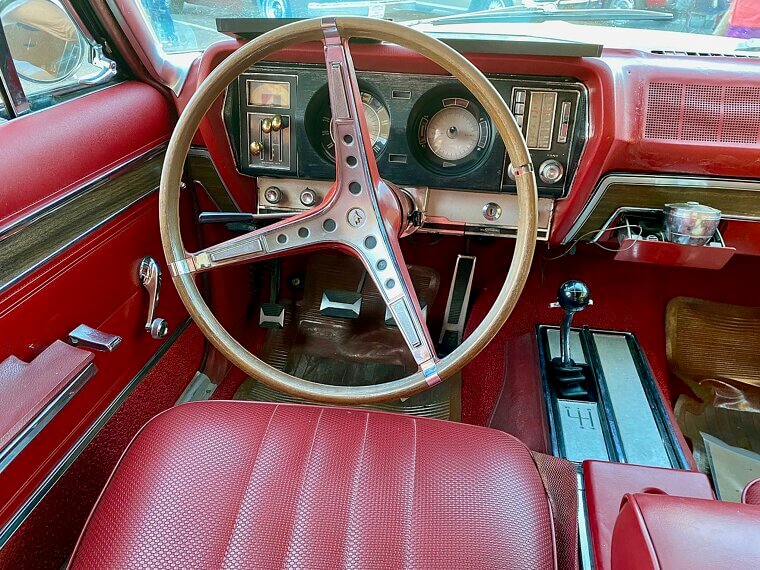
Now, almost every vehicle comes with electric windows as part of modern car technology packages. Sure, it’s convenient. But when power window motors fail, the auto repair cost isn’t cheap. That old-school setup? It just worked. No sensors. No drama.
Pop-Up Headlights
Pop-up headlights used to make sports cars look straight out of a sci-fi movie. When they flipped up at night, it felt special. You’d see them on performance cars that now sit in classic car auctions and collector car insurance listings.
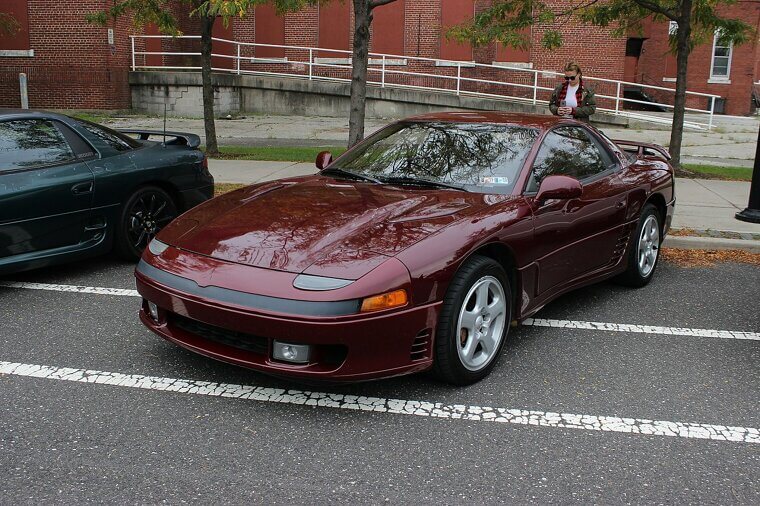
They disappeared because of stricter vehicle safety regulations and rising maintenance issues. The little motors would fail, and fixing them wasn’t always cheap. Still, for car enthusiasts and vintage car collectors, nothing beats that retro cool factor.
T-Tops
T-tops were a big deal in the muscle car era. You got open-air driving without giving up the solid frame. Think summer road trips, classic car restoration projects, and that 80s vibe that still boosts classic car value today.
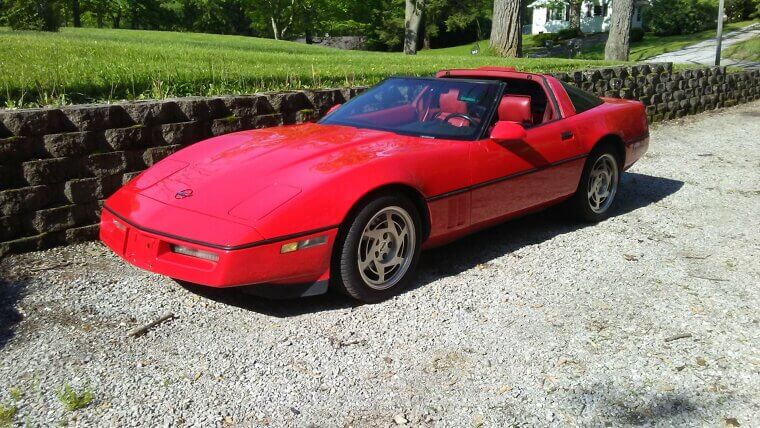
But leaks and constant maintenance became a headache. Water damage means costly interior repair and insurance claims. So automakers slowly phased them out. Still, fans of American muscle cars would love to see them make a comeback.
Front Bench Seats
Front bench seats made cars feel like rolling living rooms. You could squeeze in an extra passenger, no problem. Back then, car interior design was simple. No massive center console packed with infotainment systems and car connectivity tech.
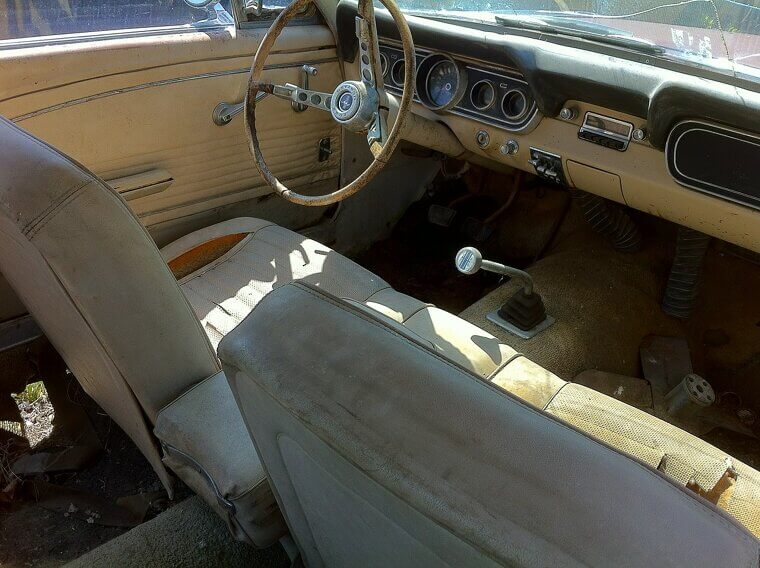
As safety features like airbags and advanced driver assistance systems became standard, bench seats faded away. Modern car buyers now care about safety ratings and comfort upgrades. But those old benches? They had charm, and tons of space.
Hood Ornaments
Back in the day, hood ornaments screamed luxury car status. They were bold. They stood tall. Brands like Rolls-Royce and Mercedes made them symbols of prestige and high-end automotive craftsmanship.
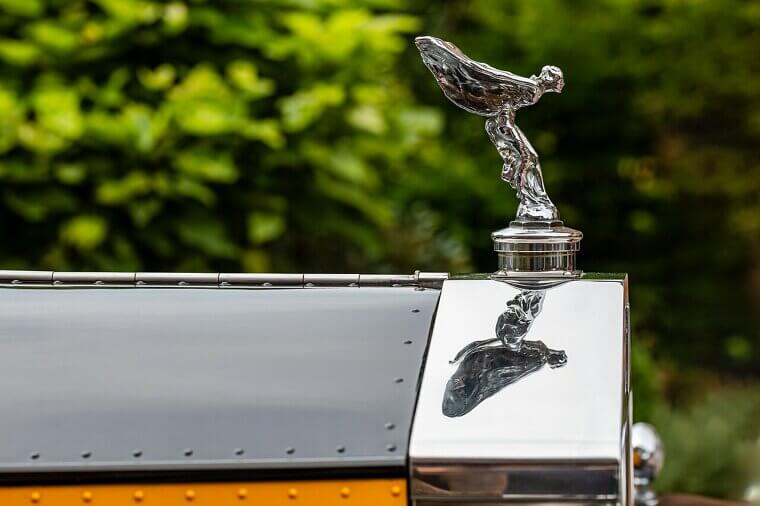
But pedestrian safety laws and theft issues changed everything. Replacing a stolen ornament could even affect car insurance premiums. Now most luxury vehicles use flat badges. Cleaner look, yes. But it’s not the same.
Retractable Hardtops
Retractable hardtops were the best of both worlds. Coupe security with convertible freedom. They added value to used car listings and boosted resale value thanks to better insulation and lower wind noise.
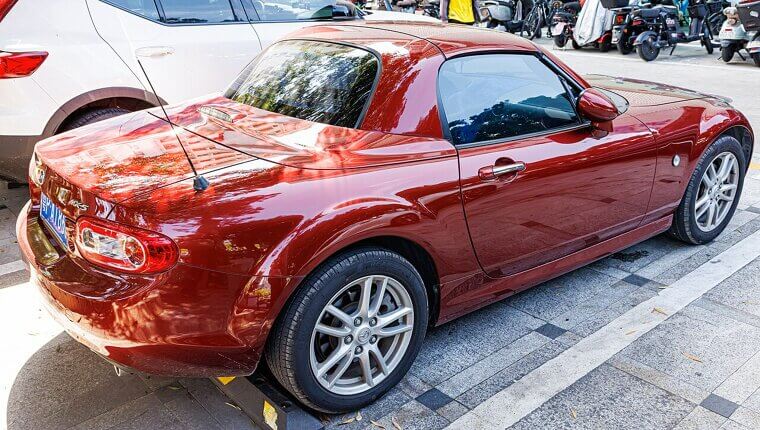
The problem? Weight and mechanical complexity. More moving parts means higher maintenance costs and pricey repairs. Automakers switched back to soft tops to cut production costs. Still, for drivers who love premium car features, these were hard to beat.
Column Shifters
Column shifters used to be everywhere. Sedans, pickup trucks, even big family cruisers. Shifting gears from the steering column felt natural, and it freed up space for bench seats and a roomy cabin layout.
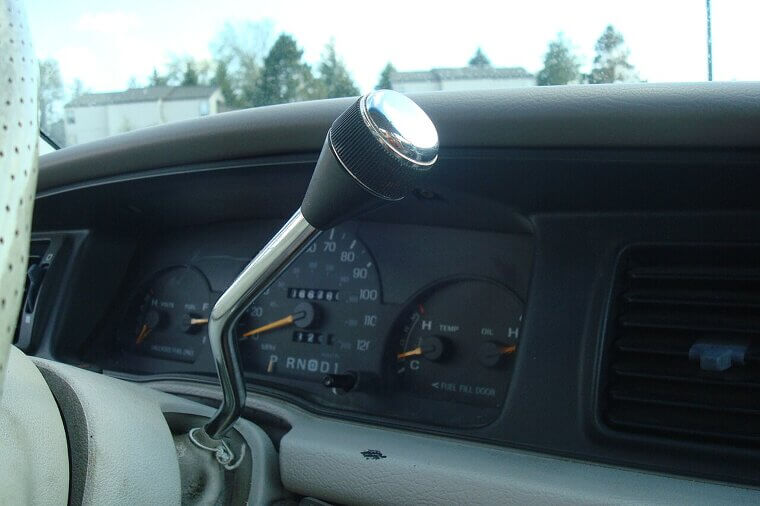
As center consoles, automatic transmission upgrades, and electronic gear selectors took over, column shifters faded out. Automakers pushed modern car interior design and tech-focused dashboards. But for classic car lovers and vintage auto collectors, nothing beats that old-school driving feel.
Tailfins
Tailfins were peak 1950s car design. Big, bold, dramatic. Cars like the Cadillac Eldorado wore them like a badge of futuristic style. It was all about flash, status, and that postwar optimism vibe.
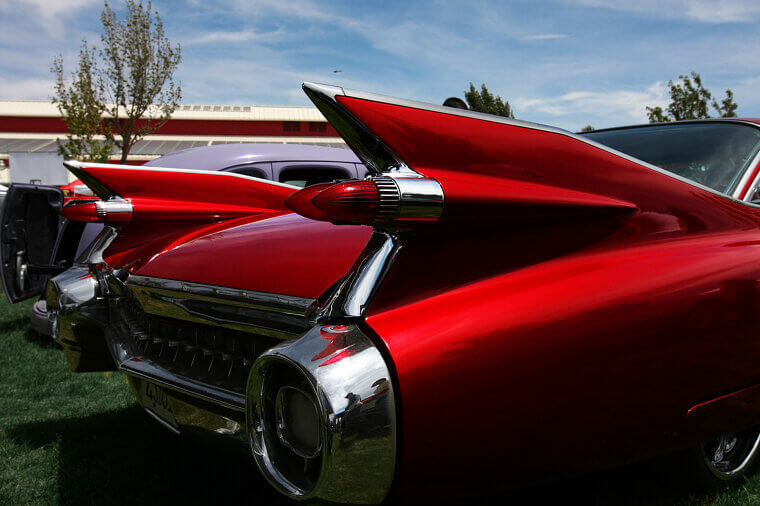
But as fuel efficiency standards and aerodynamic performance became more important, tailfins didn’t make much sense. They weren’t practical. Still, in today’s classic car auctions and collector car insurance market, those fins add serious nostalgic value.
Ashtrays and Lighters
There was a time when every car came with built-in ashtrays and a cigarette lighter. It was standard equipment. No one thought twice about it.
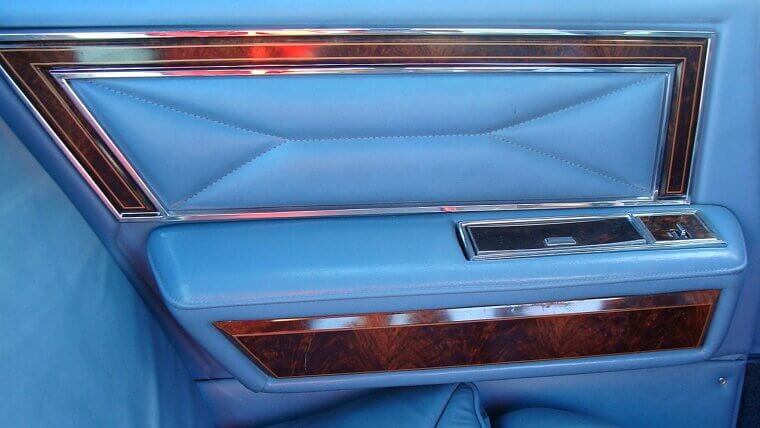
As smoking rates dropped, automakers swapped them out for USB ports, 12V power outlets, and smartphone charging stations. Modern car buyers care more about device connectivity and in-car entertainment systems. Ashtrays now? Just a reminder of a very different era.
Handbrake Levers
The classic handbrake lever had personality. You could feel it engage. For driving enthusiasts, especially those into performance driving or even beginner drifting, that mechanical pull mattered.
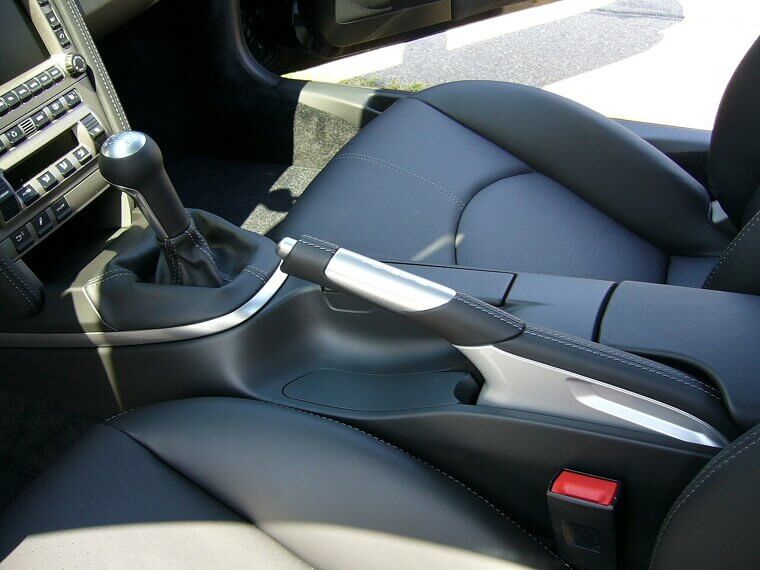
Now electronic parking brakes are everywhere. They’re cleaner, easier, and part of advanced vehicle safety systems. But when that electric system fails, repair costs can climb fast. Some drivers still miss the simple, reliable manual setup.
Flip-Up Sunroofs
Flip-up sunroofs were simple and light. Just pop it open for fresh air. No heavy motors, no complicated tracks, no expensive panoramic glass roof repair bills.
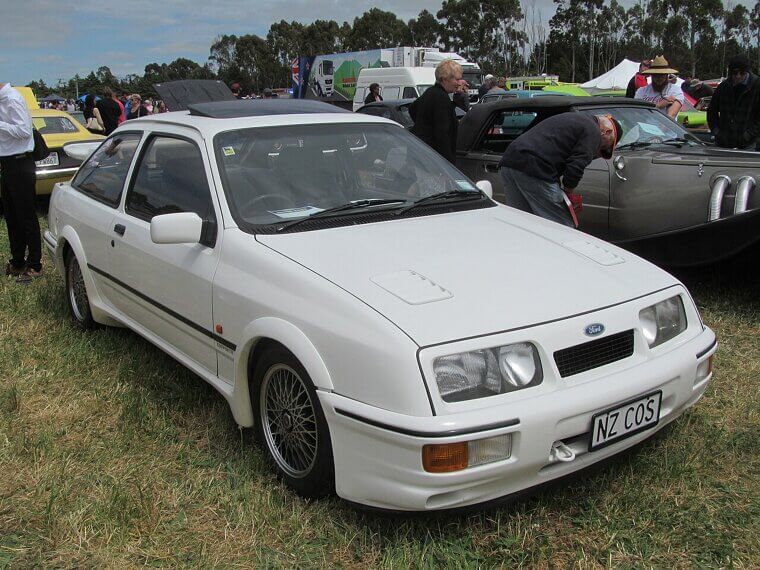
Today’s panoramic sunroofs look great in luxury vehicles and boost resale value. But they add weight and can increase maintenance costs. Those old-school manual sunroofs? Cheap, easy, and honestly kind of perfect.
Turbo Boost Buttons
Back in the 80s and 90s, some performance cars had a “Turbo” button. Hit it, and you felt like you just unlocked extra horsepower. It was basically the early version of today’s sport mode driving feature.
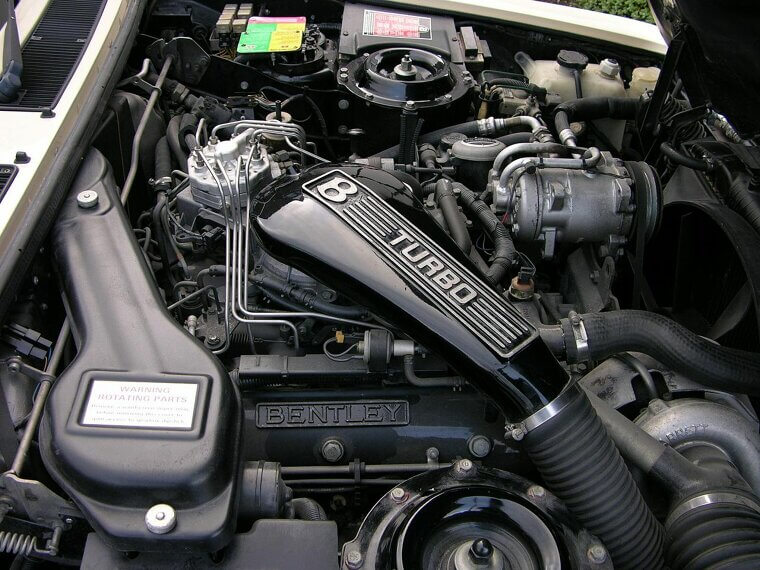
Did it always boost real engine performance? Not really. But the thrill was real. That little button made everyday driving feel like a street racing scene, long before modern turbocharged engines and performance tuning upgrades became common.
Floor-Mounted Dimmer Switches
Older cars let you switch between high beams and low beams with your foot. A small button on the floor. Simple. Smart. You didn’t have to take your hands off the steering wheel.
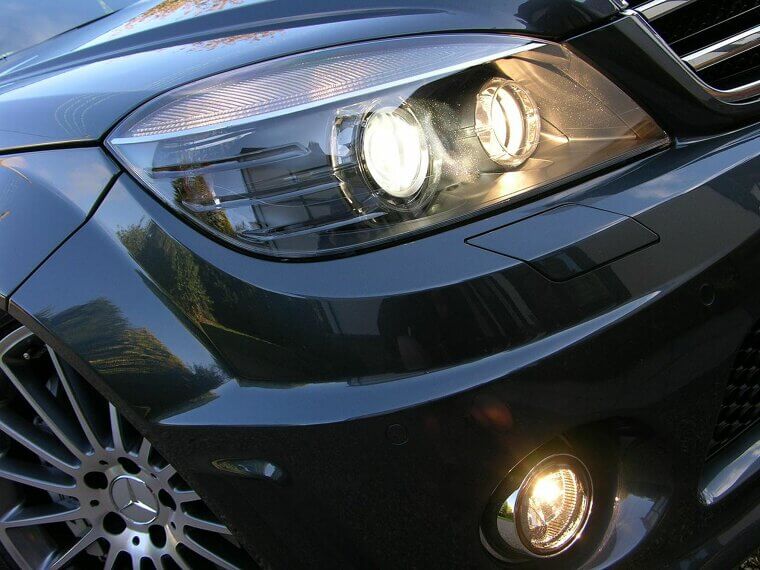
Today it’s all on the steering column with automatic headlight systems and smart lighting tech. Makes sense. But that old foot switch was practical in winter driving conditions and added a bit of hands-free convenience modern drivers don’t even think about.
Hidden Headlights
Hidden headlights gave cars a clean, smooth front end. When the lights were off, you’d never know they were there. It boosted aerodynamics and made muscle cars and sports cars look sleek.
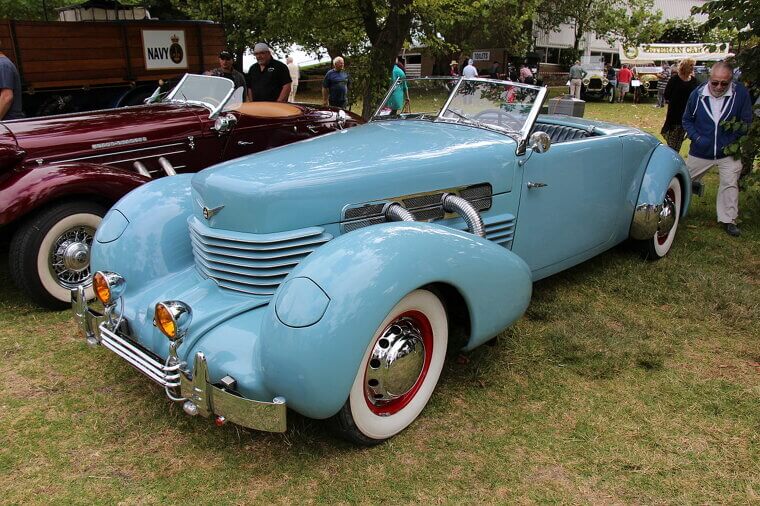
But those complex motors and parts meant higher auto repair costs when they failed. As automotive design trends shifted and reliability became a priority, they disappeared. Still, in the classic car restoration world, they’re pure gold.
Cassette Players
Before Bluetooth connectivity and premium car audio systems, we had cassette players. You’d make mixtapes for road trips. That click when you pushed the tape in? Elite.
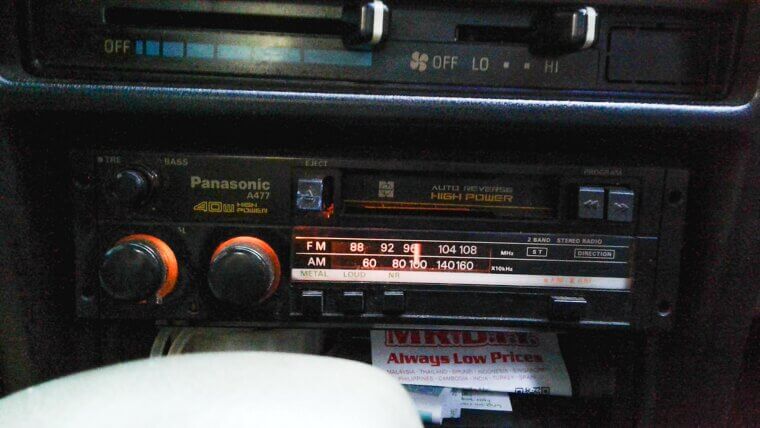
Now we stream everything through smartphone integration and infotainment systems. Way more convenient. But nothing beats that analog vibe, even if the sound quality wasn’t exactly high-definition audio.
Chrome Bumpers
Old-school chrome bumpers were tough. Real metal. Shiny. They gave cars a bold, luxury vehicle look without trying too hard. Plus, they felt durable compared to today’s painted plastic bumpers.
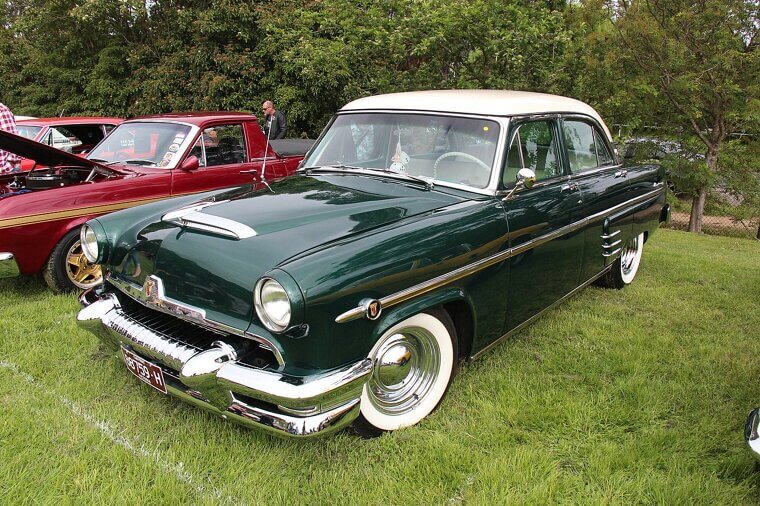
Modern bumpers are lighter and better for crash safety ratings and fuel efficiency standards. That’s progress. Still, chrome had presence. It made even basic models look premium.
Tailgate Seats
Rear-facing third-row seats in station wagons were a whole experience. You’d sit in the back and watch the world disappear behind you. Perfect for road trips and drive-in movie nights.
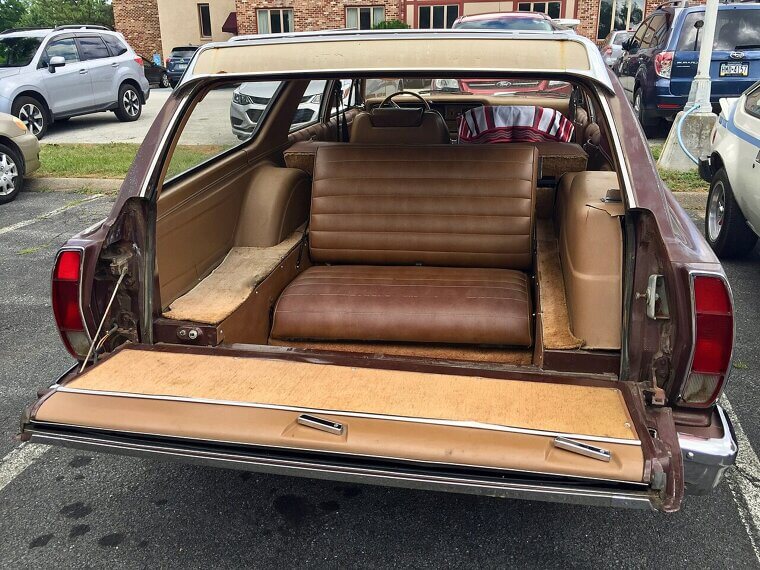
Safety regulations and space optimization killed them off. SUVs now focus on advanced safety features and better cargo space. But those quirky tailgate seats? Pure nostalgia.
Airplane-Style Dash Switches
Some older cars had toggle switches that looked straight out of a fighter jet. Flipping them felt serious. Like you were launching something, not just turning on headlights.
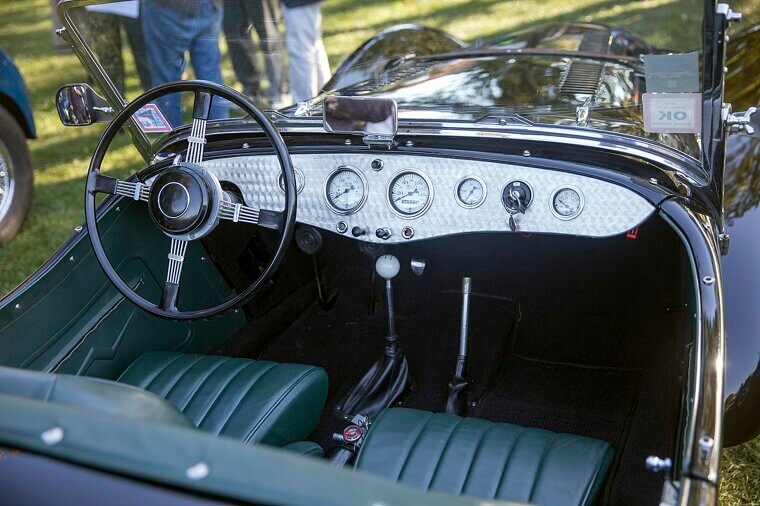
Now we’ve got giant touchscreens and digital control panels. Sleek, yes. But when those screens glitch, repair bills can sting. Those old mechanical switches? Built tough and weirdly satisfying to use.
Talking Cars
In the 80s, a few cars actually talked to you. They’d warn about open doors or low fuel with robotic voice alerts. At the time, it felt futuristic. Almost sci-fi.
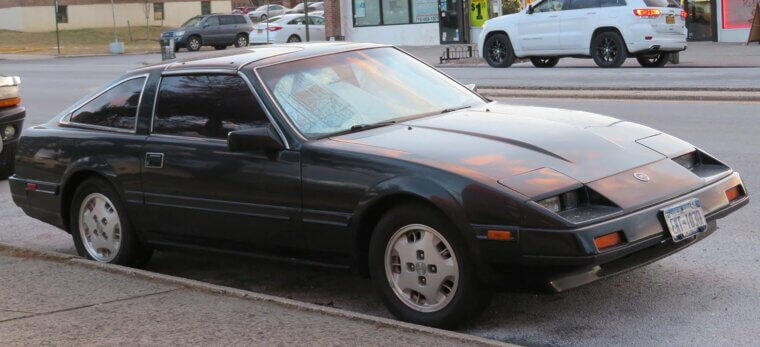
They weren’t perfect. Sometimes more annoying than helpful. But they paved the way for today’s voice assistant technology and AI-powered infotainment systems. Now your car can schedule service appointments or even help lower car insurance with safe driving data. Not bad evolution, honestly.
Keyless Ignition (That Requires a Key! )
Early keyless ignition systems were kind of funny. You could push a button to start the engine, but the physical key still had to be inside the car. It felt high-tech without going fully digital.
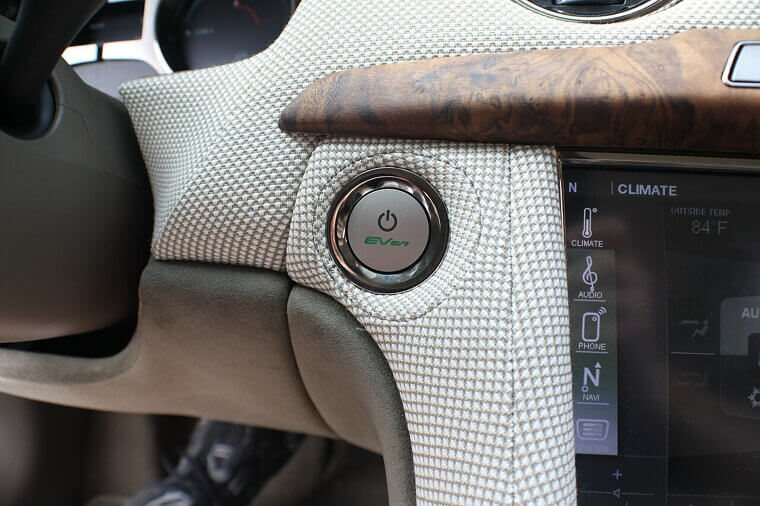
Now we’ve got smart key fobs and full remote start systems. Super convenient, sure. But with rising car theft rates and keyless entry hacking, some drivers actually miss that extra layer of physical security. Sometimes simple tech just feels safer.
Velour Upholstery
Velour seats were peak comfort in the 70s and 80s. Soft, warm, and honestly way cozier than modern leather seats in winter. You’d sink in and just relax on long highway drives.
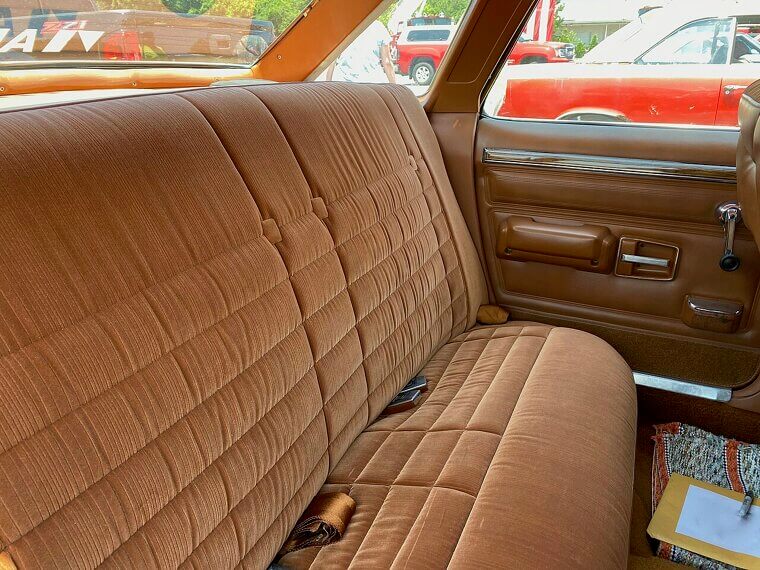
Today it’s all about leather interior packages and premium upholstery upgrades that boost resale value. But velour had that homey feel. No cracking. No freezing in cold weather. Just pure comfort.
Fender-Mounted Mirrors
Fender-mounted mirrors gave classic European cars and Japanese imports a unique look. Mounted way out front, they made the car stand out instantly. Real vintage car vibes.
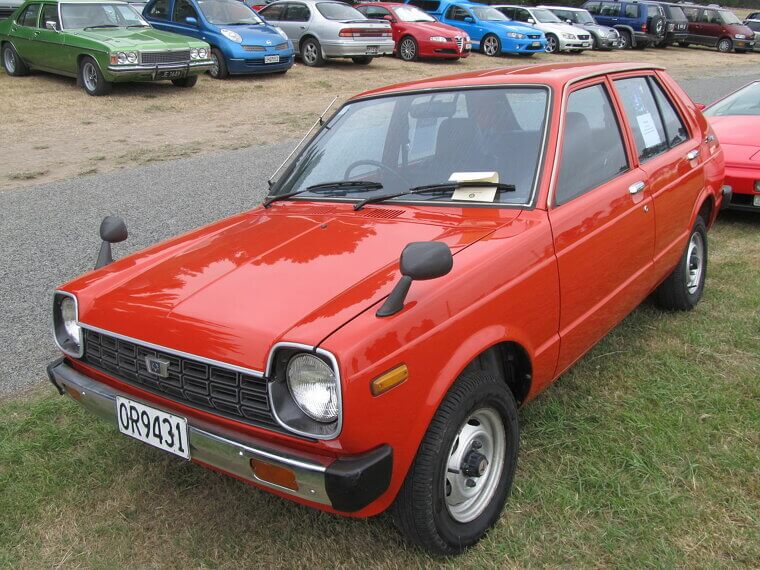
Modern side mirrors offer better visibility and meet updated vehicle safety regulations. That’s progress. But for fans of classic car restoration and JDM culture, those old mirrors added serious personality.
Two-Door SUVs
Two-door SUVs like the old Ford Bronco and Chevy Blazer were compact, rugged, and ready for off-road adventures. Short wheelbase. Better maneuverability. True sport utility vehicle energy.
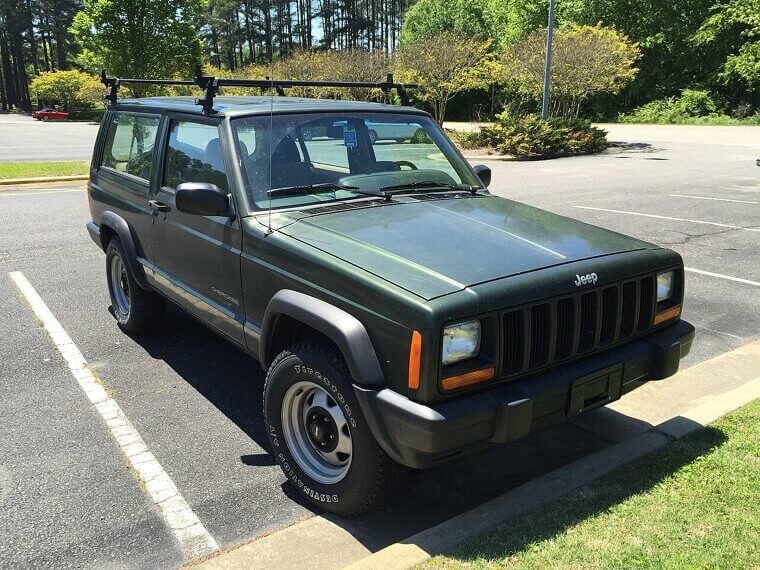
As family SUVs and four-door crossovers took over the market, practicality won. More cargo space. Easier access. Better daily driver appeal. Still, two-door SUVs hold strong resale value in the used car market, especially among off-road enthusiasts.
Digital Speedometers (1980s Style)
The 80s digital speedometers looked straight out of a sci-fi movie. Glowing green or amber numbers instead of analog dials. At the time, it felt like the future of automotive technology.
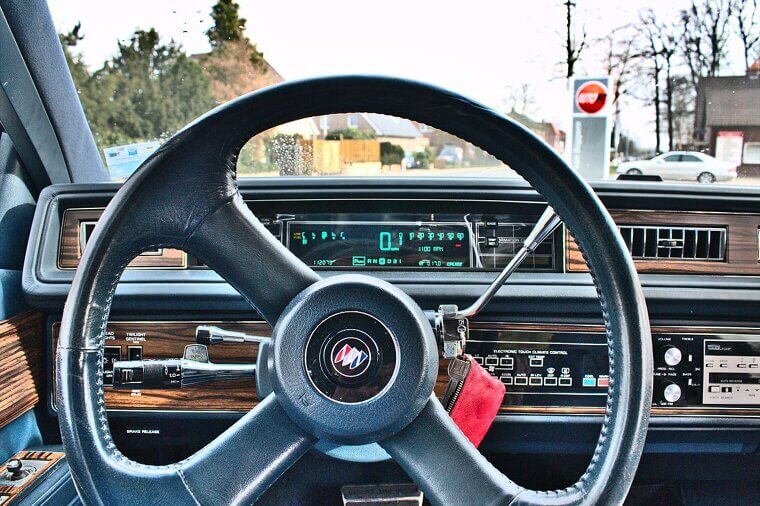
They weren’t perfect though. Harder to read at a glance. Not always accurate. Modern digital instrument clusters are sharper and smarter. But that retro LED glow? Pure nostalgia for vintage car fans.
Roof-Mounted Spotlights
Roof-mounted spotlights gave trucks and SUVs that serious off-road lighting setup. Perfect for trail driving, camping trips, or rural backroads with zero street lights.
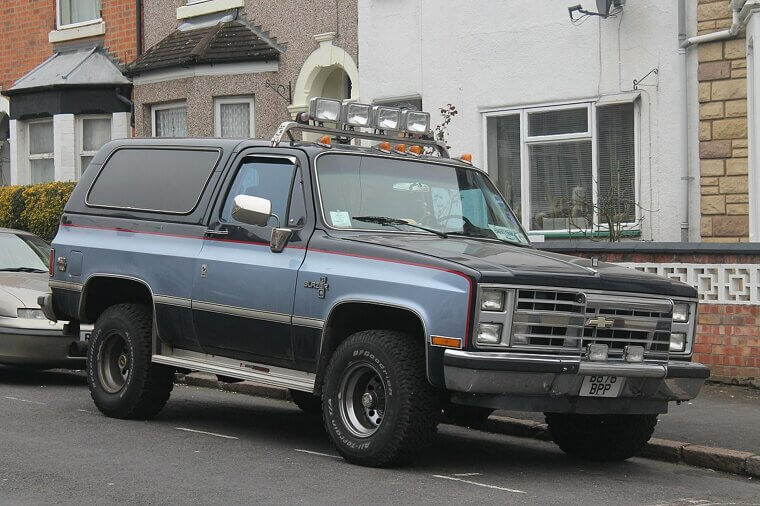
Today, LED light bars and advanced off-road accessories do the job better and use less power. Plus, misuse on public roads caused safety issues. Still, nothing says rugged adventure vehicle like a classic roof spotlight setup.
Pneumatic Adjustable Suspension
Back in the 80s and 90s, some luxury sedans came with pneumatic adjustable suspension. You could raise the ride height for comfort or drop it for a sportier feel. It was like having built-in performance tuning without visiting a custom auto shop.
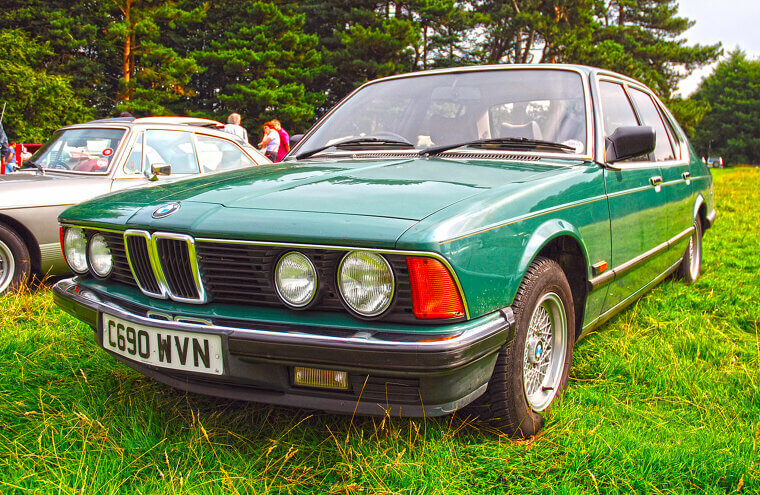
The downside? Air suspension repair costs were no joke. Leaks, compressors, sensors — expensive stuff. Modern adaptive suspension systems are more reliable, but that smooth, cloud-like ride from old air suspension setups still hits different.
Car Phones
Before smartphones and unlimited data plans, there were car phones. Big, bulky handsets built right into high-end luxury cars. Back then, that was peak executive status symbol energy.

Once mobile phones and Bluetooth connectivity took over, car phones disappeared fast. Now we’ve got hands-free calling, voice assistant integration, and full infotainment systems. But those early in-car communication systems? They started it all.
Retractable Antennas
Motorized retractable antennas were oddly satisfying. Turn on the radio, and up it goes. Turn it off, and it slides back down. Simple car audio tech, but it felt advanced at the time.
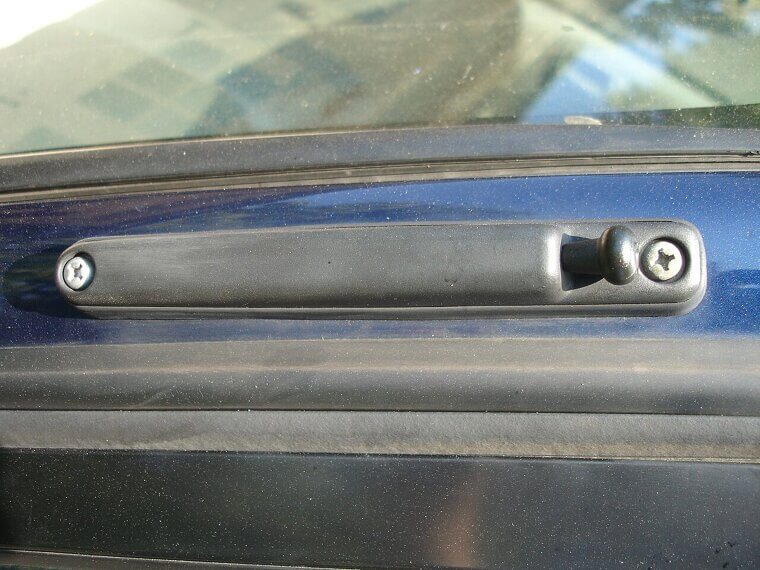
Problem was, they broke easily. Car washes, weather damage, or worn-out motors meant replacement costs. Today’s integrated antenna systems are cleaner and more durable, but they don’t have that same mechanical charm.
Spare Tire Covers
Old-school SUVs had rear-mounted spare tires with branded covers. It added rugged off-road vehicle style and doubled as rolling advertisement for the automaker.
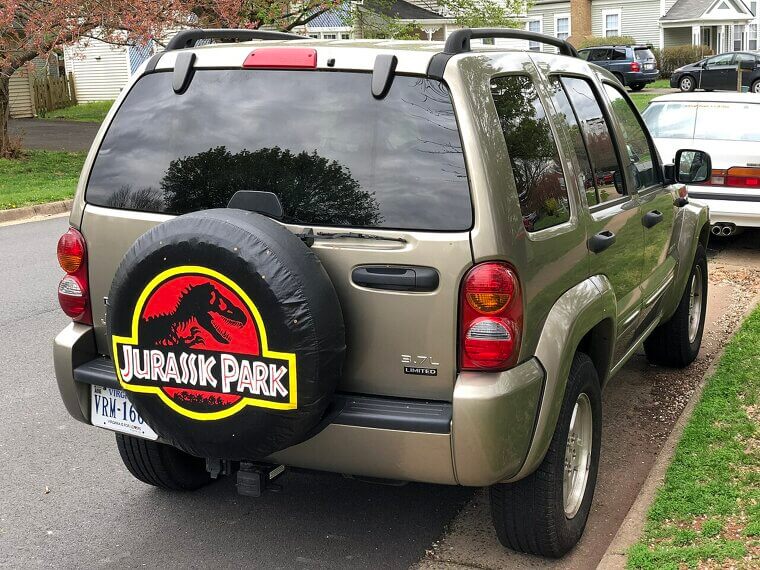
Now many vehicles hide the spare underneath or ditch it for a tire repair kit to save space and improve fuel economy ratings. Practical, sure. But those spare tire covers gave SUVs personality and real adventure vibes.
Bubble Windows on Vans
Custom vans in the 70s loved bubble windows. They popped out from the side and gave passengers a wild, panoramic view. Total retro van life aesthetic.
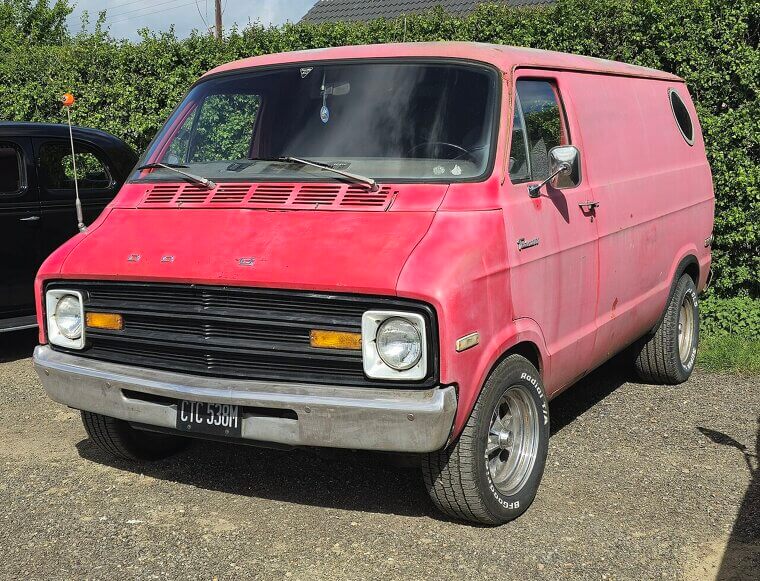
Modern van conversions focus more on camper van financing, solar panels, and practical upgrades. Bubble windows faded away. Still, with retro car trends making a comeback, don’t be shocked if they show up again.
Opera Windows
Opera windows were small, stylish windows on the rear sides of luxury coupes. Purely decorative. They screamed personal luxury car era without adding much real function.
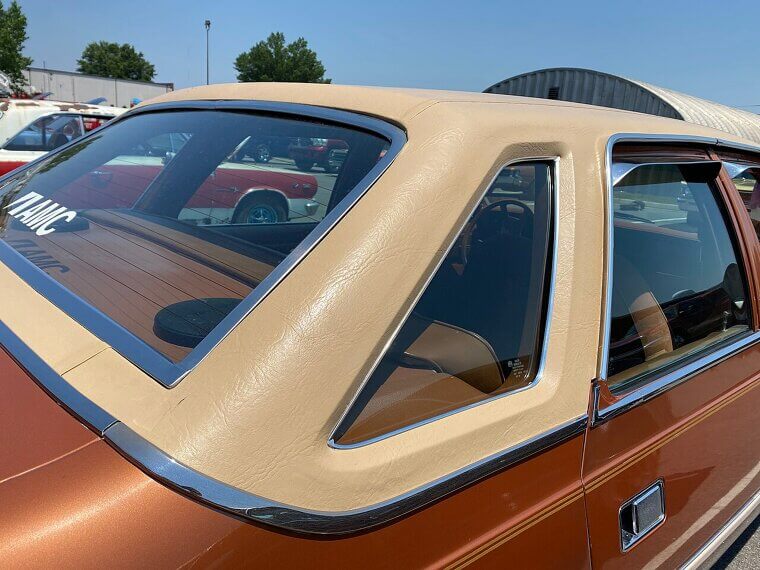
As automotive design shifted toward aerodynamics and larger visibility zones for safety ratings, opera windows disappeared. But for fans of vintage luxury cars and classic car valuation, they’re a charming reminder of when style came first.
Mechanical Odometers
Before digital instrument clusters and smart dashboards, cars had mechanical odometers with rolling numbers. You’d literally watch the mileage click over. On a long road trip, that little movement felt weirdly satisfying.
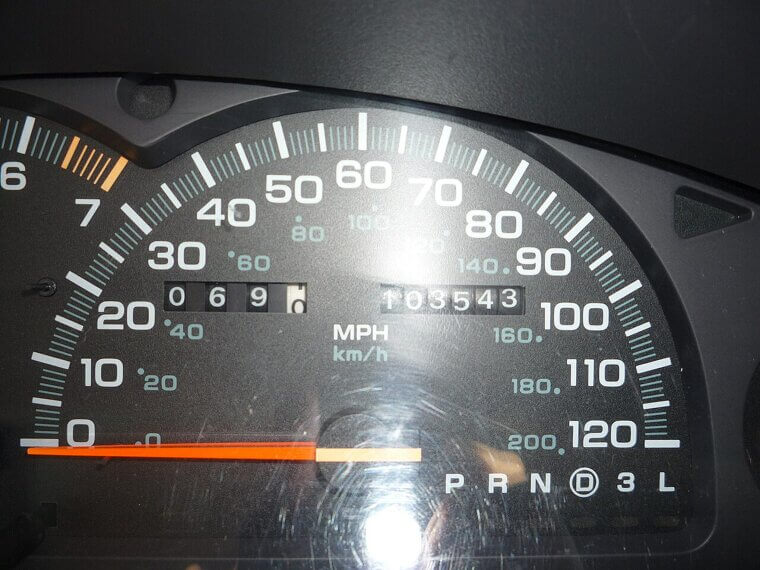
Yeah, odometer fraud was easier back then, which hurt used car value and vehicle history reports. But for classic car collectors, that analog mileage tracker adds real vintage charm you just don’t get with digital displays.
Swivel Bucket Seats
Some 1970s sedans and coupes had swivel bucket seats that turned outward. Getting in and out was way easier, especially in tight parking spots. It felt futuristic at the time.
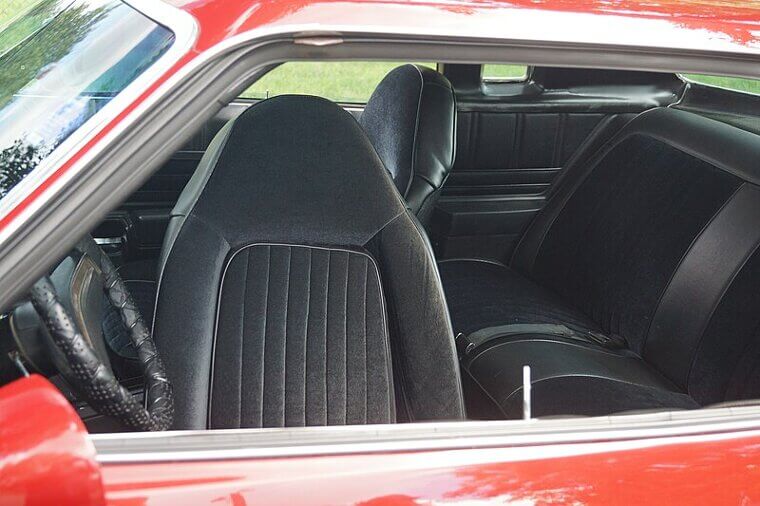
Safety regulations and rising production costs killed the idea. Modern car safety features and airbag systems made it harder to design. Still, from an accessibility and comfort upgrade point of view, swivel seats were ahead of their time.
Dashboard Clocks
Old-school dashboard clocks added instant class to a car interior. A small analog timepiece sitting in the dash just felt premium. Almost like a luxury car upgrade without trying too hard.
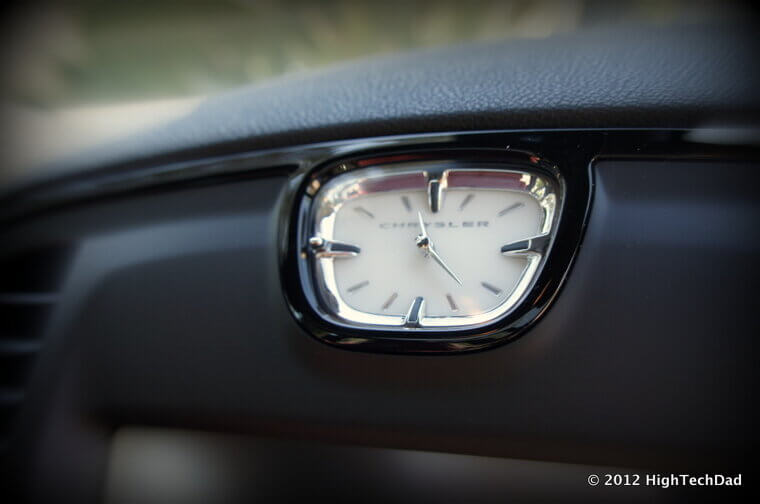
Now everything’s built into touchscreen infotainment systems and digital displays. More accurate, sure. But those classic analog clocks gave the cabin a refined, high-end automotive design vibe that many drivers still love.
Fuel Filler Behind the License Plate
Some classic American cars hid the fuel filler behind the rear license plate. Flip it down, and there it was. Clean look. No visible gas cap messing up the body lines.
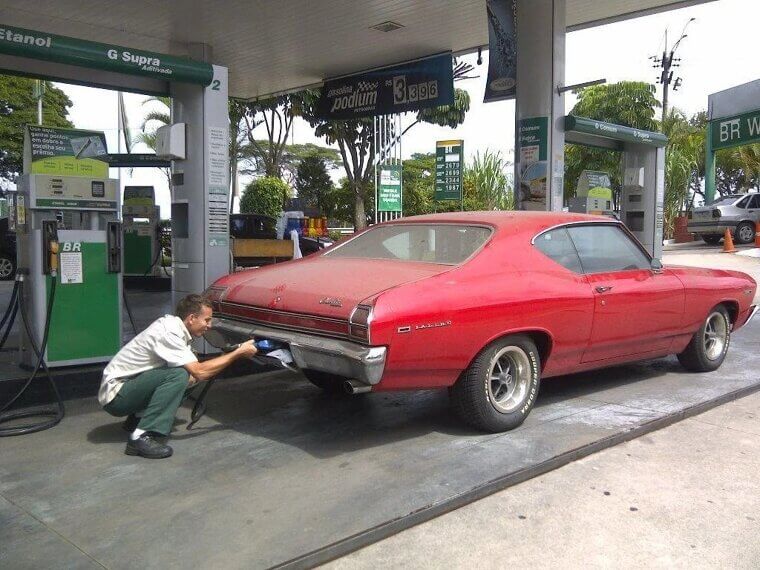
It wasn’t the most convenient setup at the gas station. But from a car design and symmetry standpoint, it was genius. Today’s vehicles focus more on fuel efficiency standards and practical layouts, but that hidden detail still feels cool.