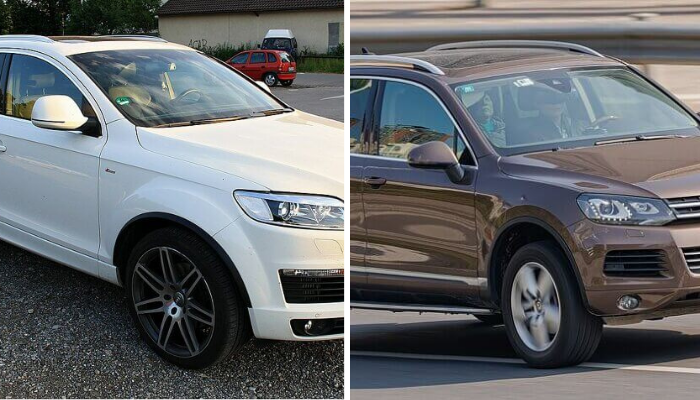
When it comes to American cars, there have been some unforgettable hits, but unfortunately, there have also been a few major misses. From poorly designed models to reliability nightmares, some cars have earned a place in automotive history for all the wrong reasons. In this article, we’re taking a look at some of the worst American cars ever made—vehicles that missed the mark in design, performance, or durability. Do you remember any of these infamous rides? Let’s dive into the cars that just couldn’t live up to the hype.
Chevrolet Cavalier (1982–2005)
The Chevrolet Cavalier wasn’t exactly the car you’d brag about owning. It was cheap, sure, but lacked the spark to make it stand out. It quickly gained a bad reputation for breaking down—think electrical issues, bad transmissions, and engine troubles. Owners often found themselves shelling out money for repairs after just a few years.
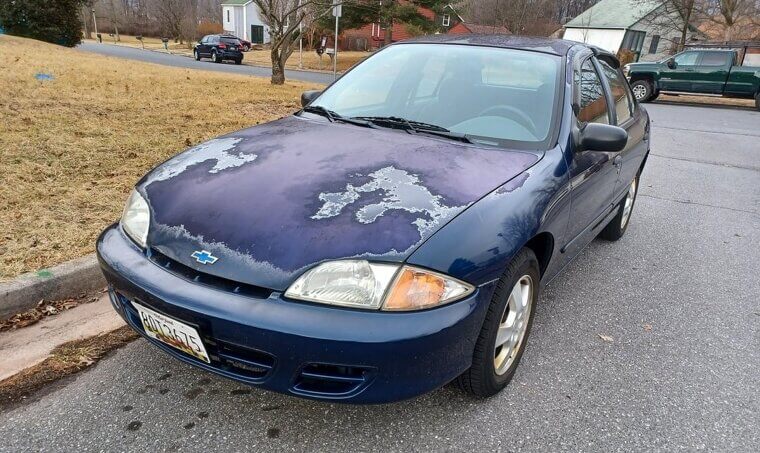
Even when Chevy rolled out updates, they couldn’t fix the Cavalier’s core issues. It was like putting a fresh coat of paint on a rusted car—it just didn’t work.
Chevrolet Vega (1971–1977)
The Chevy Vega earned its place in automotive history as one of the worst cars ever made. Known for its rust problems, the Vega was so poorly built that even the engine had major issues. It overheated constantly, and owners were left stranded with broken-down cars. Despite a promising start with good fuel economy, it quickly became a total failure.
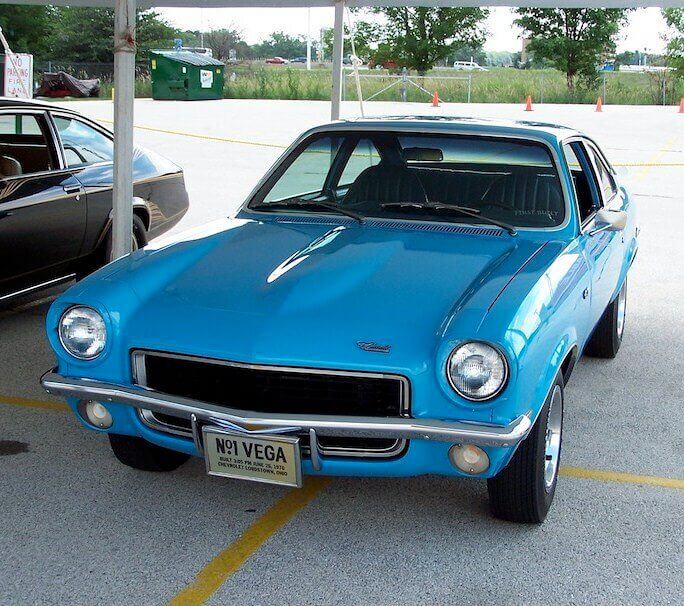
By the time it was pulled from the market, the Vega had earned a dreadful reputation that still haunts Chevy today. Talk about a car that should have never hit the streets.
Ford Pinto (1971–1980)
The Ford Pinto is infamous for being a disaster waiting to happen. The car had a major flaw—its gas tank was prone to exploding in rear-end collisions, leading to several fatal accidents. Even worse, Ford knew about the problem but didn’t fix it right away. Instead of focusing on safety, they tried to cover it up.
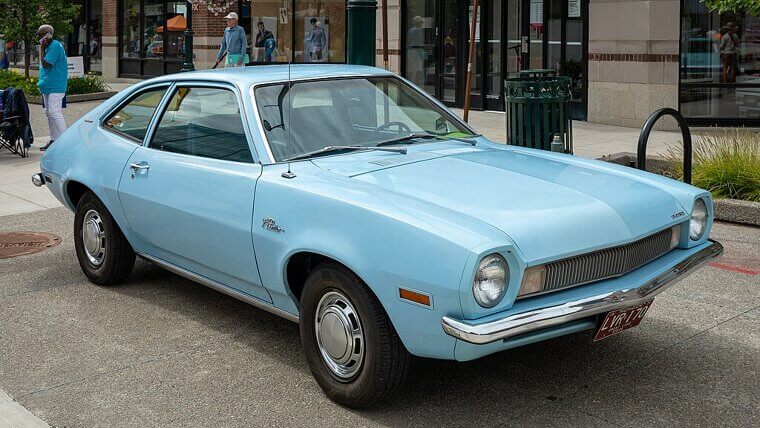
The Pinto’s legacy is now a textbook case in how not to design a car. It’s a cautionary tale about the importance of putting safety first.
Chrysler Imperial (1955–1966)
The Chrysler Imperial was supposed to be a luxury car, but it quickly became a gas-guzzling embarrassment. Sure, it had a flashy design with chrome grills and tail fins, but it didn’t deliver on its promises. It was plagued with mechanical issues and rust, making it feel like an outdated relic rather than a luxury ride.
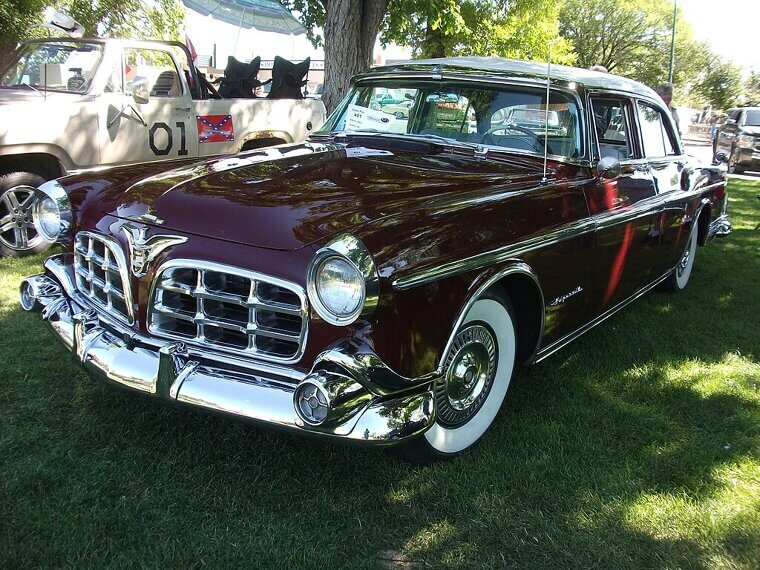
While other brands like Cadillac and Lincoln were innovating, the Imperial was stuck in the past. It couldn’t keep up and ended up being more trouble than it was worth.
Chevrolet Corvair (1960–1969)
The Chevy Corvair is infamous for its handling issues that made it prone to rollovers, especially during sharp turns. Ralph Nader even wrote a book about how dangerous it was, calling it “Unsafe at Any Speed.” The car’s rear-engine design and swing-axle suspension made it a nightmare to drive.
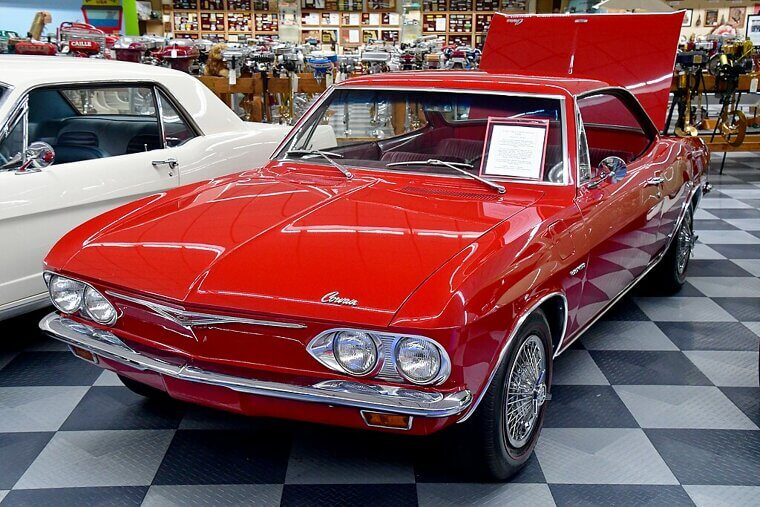
Although the Corvair had some cool features, it became a symbol of poor engineering. It was a major fail that led to stricter safety standards for cars everywhere.
AMC Gremlin (1970–1978)
The AMC Gremlin was exactly what its name suggests—a mess. Intended as a budget car, it failed miserably with its ugly, awkward shape and cheap build quality. The suspension, electrical wiring, and engine were all major issues, and the car handled horribly. Despite some loyal fans, the Gremlin could never escape its reputation for being a poorly built joke.
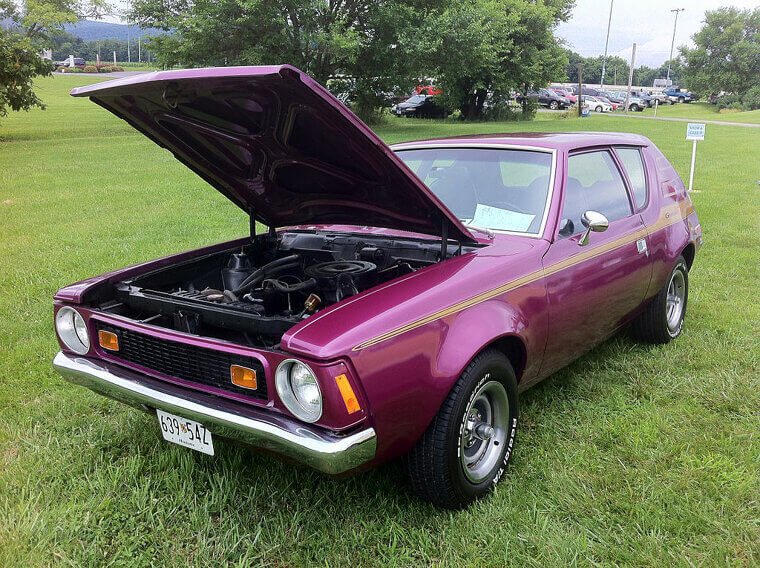
Its rushed design and lackluster performance made it less of a serious contender and more of an automotive afterthought.
Ford Edsel (1958–1960)
The Ford Edsel was a monumental failure, marketed as a game-changer but failing in every way. Its odd proportions made it look downright ugly, and its engineering was subpar, to say the least. It was so bad that Ford pulled it off the market after just two years. The Edsel became the laughingstock of the car world, and Ford’s overly ambitious marketing only made things worse.
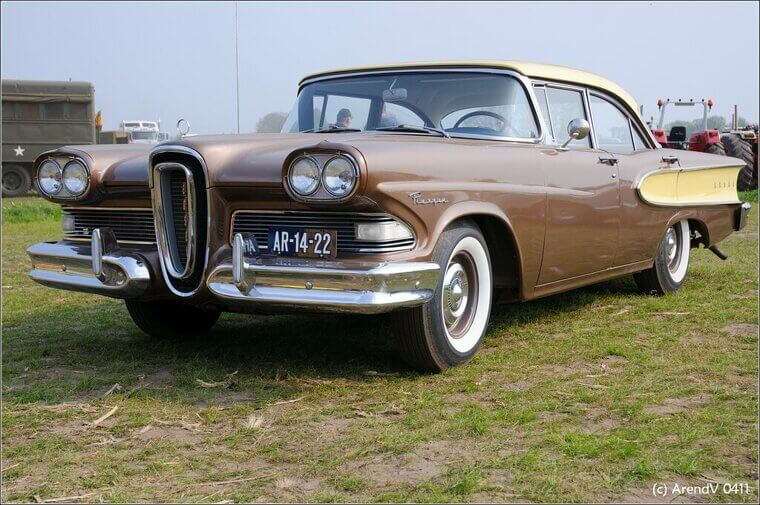
Remembered more for its colossal flop than its supposed innovation, the Edsel is a prime example of how not to introduce a car to the market.
Chrysler TC by Maserati (1989–1991)
The Chrysler TC by Maserati was a failed attempt at blending luxury and performance, but it ended up delivering neither. The car lacked Maserati’s signature power and Chrysler’s usual quality, all wrapped up in an overpriced package. It looked sleek but didn’t live up to the hype, leaving buyers disappointed.
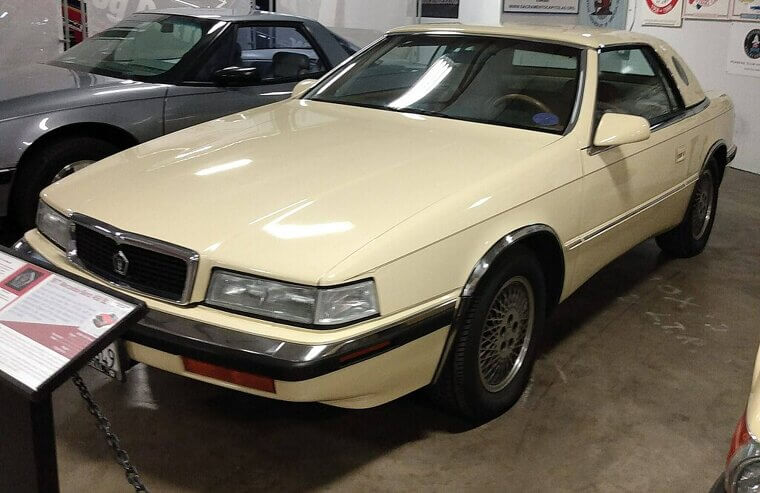
Overpriced and underperforming, the TC quickly faded into obscurity and is mostly forgotten by everyone but car enthusiasts who know it as a curious misstep.
Pontiac Aztek (2001–2005)
The Pontiac Aztek is often remembered as one of the most hideous cars of the 2000s, and for good reason. Its mismatched design and clunky proportions didn’t just turn heads—they made people turn away. While it had some innovative features like the optional camping package, it couldn’t save it from becoming a major design disaster.
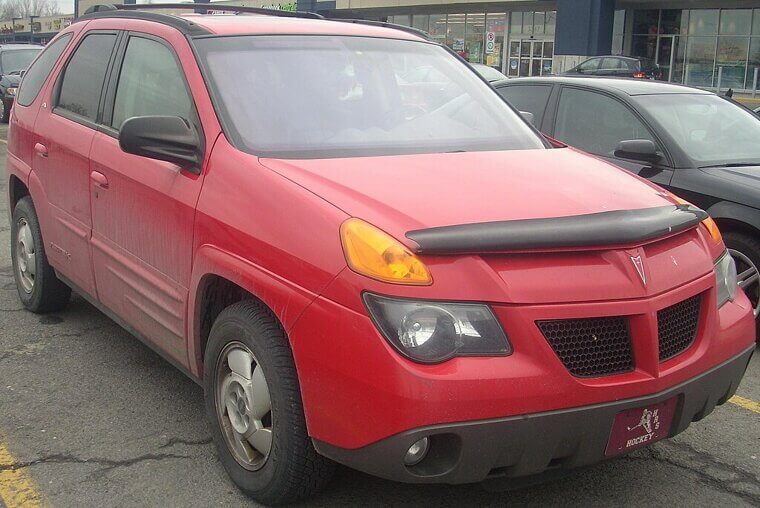
Despite a small cult following today, the Aztek almost destroyed Pontiac with its reputation for being, well, ugly and impractical.
Chevrolet Chevette (1976–1987)
The Chevy Chevette wasn’t a terrible car, but it wasn’t good either—it was just boring. Cheaply built, cramped, and uncomfortable, the Chevette also had a nasty habit of rusting in bad weather. There were no standout features, just a bare-bones, underpowered car that made you realize you got what you paid for.
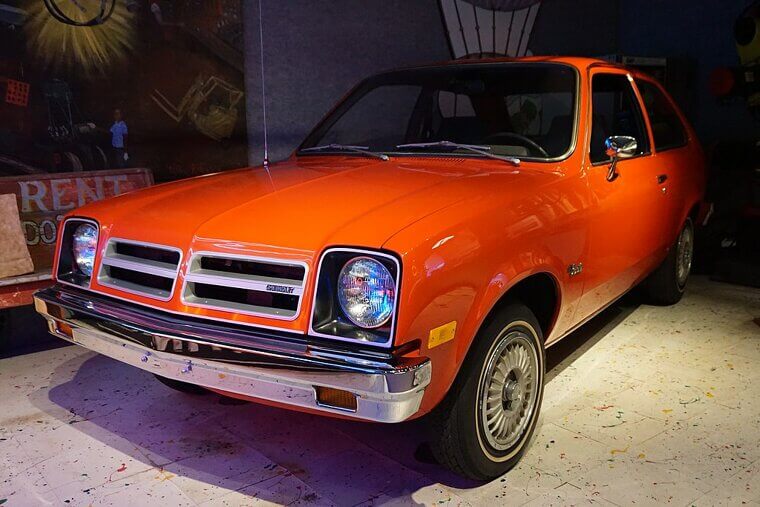
It may have sold decently due to its low price, but that didn’t change the fact that it felt outdated right out of the gate.
Ford Mustang II (1974–1978)
The Ford Mustang II is one of the most disappointing chapters in Mustang history. Created as a response to the 1970s fuel crisis, it was a watered-down version of the powerful muscle car Ford was known for. It lacked performance, didn’t have the cutting-edge features everyone expected, and the design left fans unimpressed.
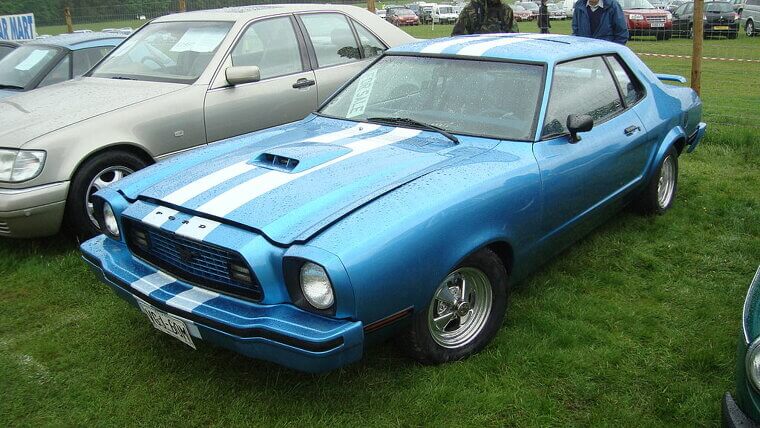
While it sold decently due to rising gas prices, the Mustang II is often seen as a missed opportunity that left enthusiasts scratching their heads.
Ford Thunderbird (2002–2005)
The 2002–2005 Ford Thunderbird had big shoes to fill, but sadly, it didn’t live up to the original’s legacy. The retro styling seemed promising at first, but the car’s performance, handling, and interior were all major letdowns. Instead of capturing the magic of the classic Thunderbird, the reboot only showed how far the car had fallen from its glory days.
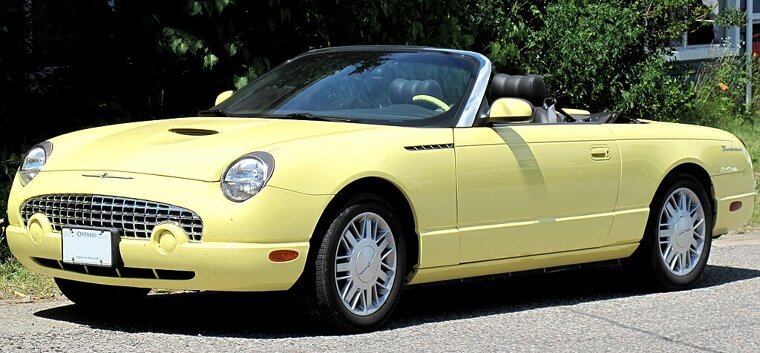
Buyers quickly realized the nostalgia wasn’t enough to make up for its uninspiring drive. The Thunderbird didn’t just miss the mark—it made people long for the past even more.
Chrysler LeBaron (1977–1995)
The Chrysler LeBaron tried to offer affordable luxury, but it ended up feeling like a cheap economy car instead. During the ’80s and ’90s, it was slammed for its cheap plastic materials, flimsy exterior, and constant mechanical problems. Electrical faults, engine issues, and rust were all too common. Despite a variety of body styles, the LeBaron never really delivered on its promises.
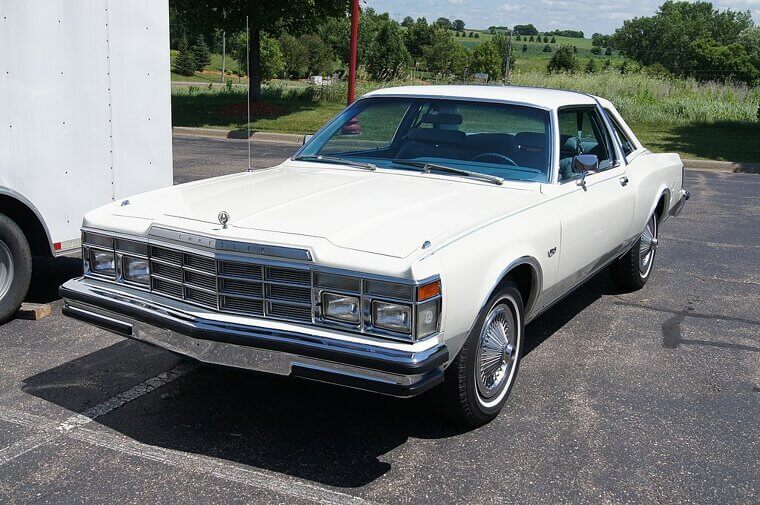
Its reputation for poor durability and lackluster performance made it a car buyers wanted to forget.
Pontiac Fiero (1984–1988)
The Pontiac Fiero had big potential as a sports car, but it fell flat on its face. It was underpowered, had poor handling, and was plagued by safety issues. Early models were especially problematic with engines that overheated and even caught fire. While it had a sleek design and a mid-engine layout, the Fiero quickly became a cautionary tale of a good concept ruined by poor execution.
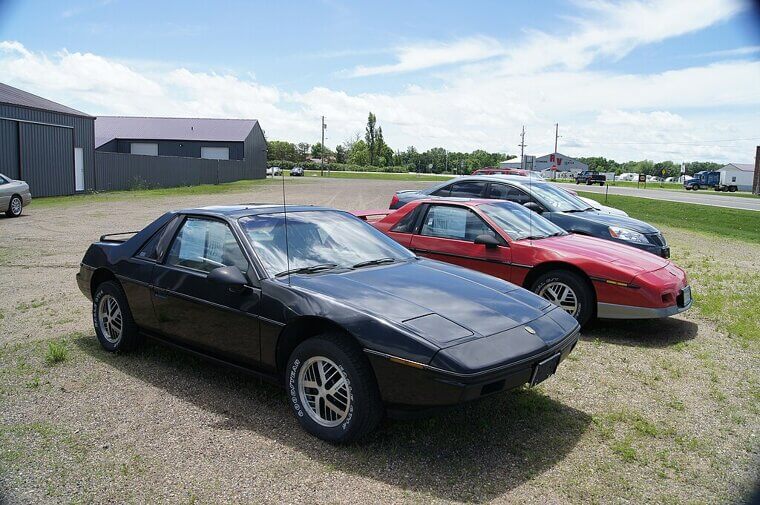
Later models improved, but by then, the damage had already been done, leaving the Fiero in the scrap heap of automotive failures.
Buick Reatta (1988–1991)
The Buick Reatta aimed to be a luxury sports car but missed the mark entirely. It was full of high-tech features for its time, like a touch screen, but its electric systems were constantly malfunctioning. The car’s sluggish performance and uninspired styling only added to the disappointment.
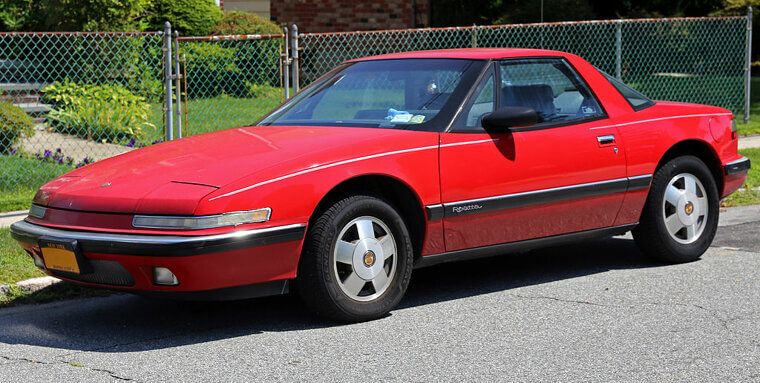
Hand-built with ambition, the Reatta failed to deliver, leaving buyers with a car that was neither luxurious nor sporty—just forgettable.
Ford Probe (1989–1997)
The Ford Probe, a collaboration with Mazda, was supposed to be a fun, exciting sports car. However, it lacked the power and personality of what many hoped would be a replacement for the Mustang. With a sleek design but underwhelming performance, it never gained the following Ford expected.
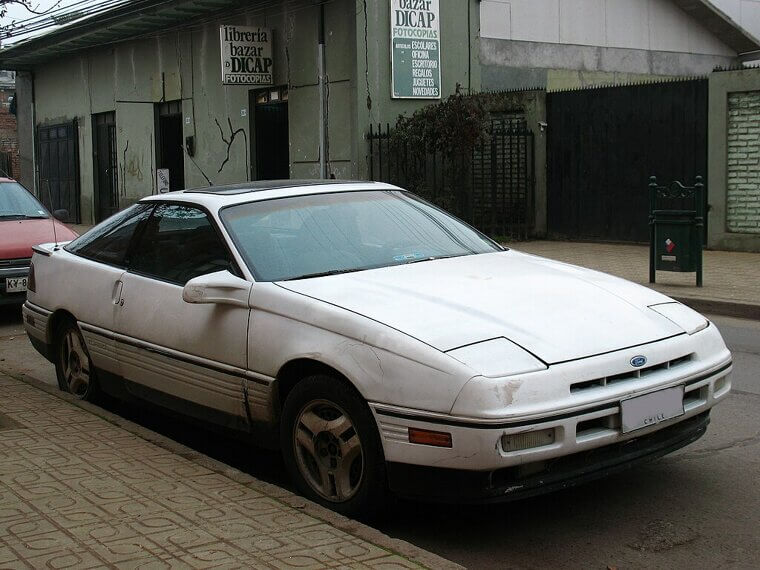
Its identity crisis and lack of excitement made it forgettable in a decade full of better, more thrilling options.
Chevrolet SSR (2003–2006)
The Chevrolet SSR was meant to combine a pickup with a muscle car, but it failed to do either well. Overpriced and underperforming, the SSR’s truck bed was too small to be practical, and its retro design lost its charm quickly.
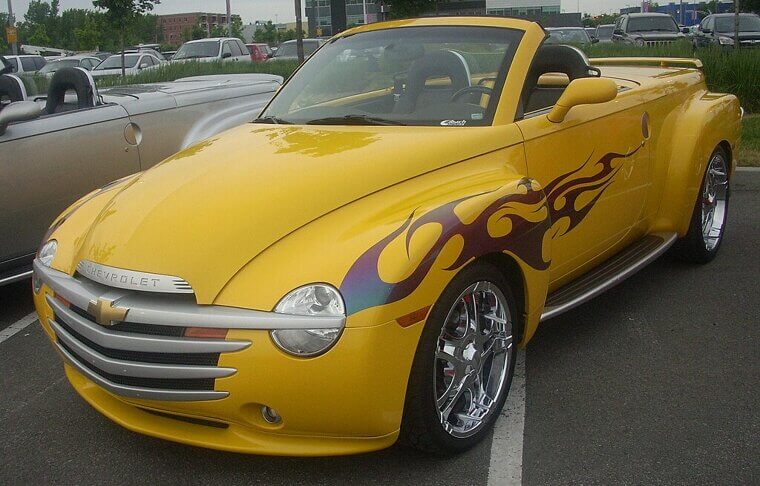
With poor acceleration, awkward proportions, and limited usefulness, the SSR never found its place in the market and faded away after a few years.
Chrysler Sebring (1995–2010)
The Chrysler Sebring was marketed as an affordable, stylish ride, but it didn’t take long for owners to realize the car was full of problems. The convertible’s roof leaked, electrical faults were common, and the transmission had serious reliability issues. Even the interior felt cheap and uncomfortable.
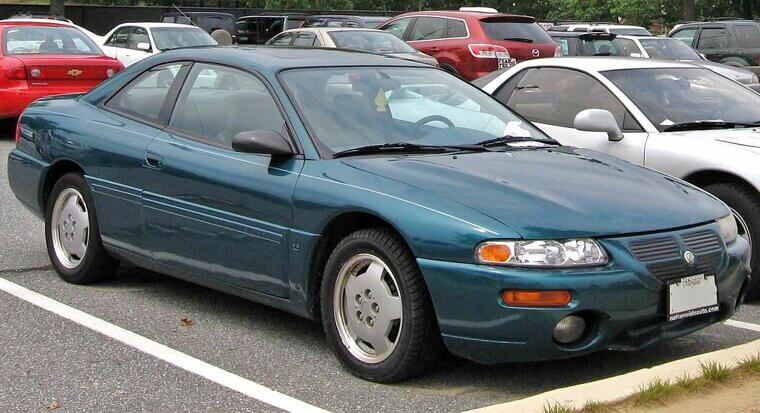
It was a disappointment that couldn’t compete in its segment, and the Sebring never lived up to its potential.
Cadillac Cimarron (1982–1988)
The Cadillac Cimarron is one of the most bizarre missteps in automotive history. It was basically a rebadged Chevrolet Cavalier, but Cadillac slapped a luxury price tag on it, fooling no one. With its bland styling and weak performance, it quickly earned a reputation as a cheap imitation of a luxury car. Fans were baffled by Cadillac’s decision to produce such a watered-down vehicle under its name.
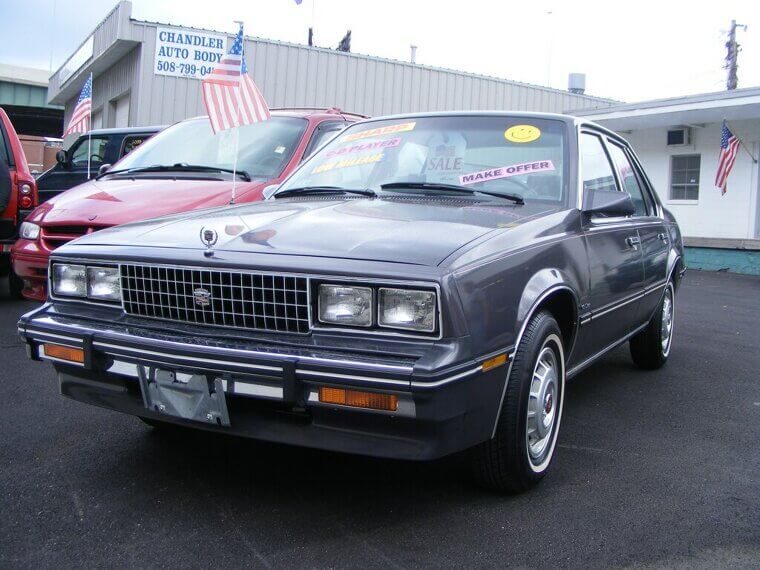
Instead of enhancing the Cadillac brand, the Cimarron became a symbol of badge engineering gone horribly wrong, lasting only six years before being discontinued.
Dodge Dart (2013–2016)
The Dodge Dart was supposed to mark a bold comeback, but it ended up fizzling into mediocrity. It wasn’t a terrible car, but it just couldn’t find its place in the compact market. With sluggish performance, transmission issues, and a price tag that didn’t match its lackluster quality, the Dart never managed to impress buyers.
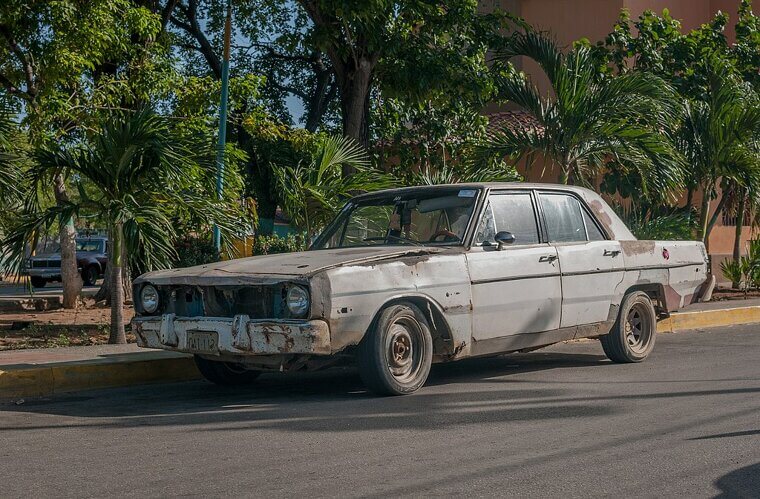
Despite modern features and a sleek look, its reliability issues and poor resale value meant the Dart was short-lived, quickly fading into obscurity.
Ford Taurus SHO (1989–1999)
The Ford Taurus SHO had big ambitions, blending performance with family sedan practicality, but the execution just didn’t work out. The engine, which featured a Yamaha-designed V6, was plagued with faulty cylinder heads and weak timing belts. This resulted in costly repairs that took the shine off its performance.
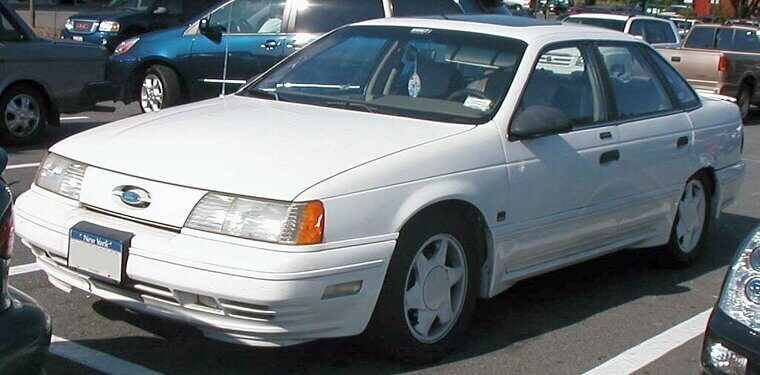
Though it offered a fun ride in theory, the SHO was overshadowed by maintenance headaches, uninspiring design, and slipping build quality—leaving many to wonder if it was worth the investment.
Chevrolet Caprice (1991–1996)
The Chevrolet Caprice wasn’t a total failure, but its 1991 redesign was a disaster. The car’s new “bubble” shape was widely criticized, earning it the nickname “beached whale.” This awkward redesign led to a massive drop in sales, and even though the Caprice got some updates to fix the look, buyers couldn’t unsee the damage.
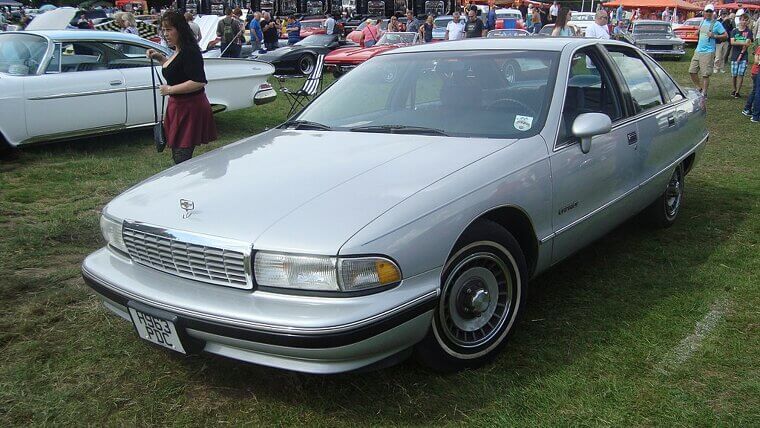
While the Caprice still offered a roomy interior and decent engine options, its styling blunder led to its quick demise in the market.
Chrysler Crossfire (2004–2008)
The Chrysler Crossfire aimed to be a sleek, sporty car, but it didn’t deliver the goods. Built using parts from Mercedes-Benz, it looked promising, but the ride was uncomfortable, and the handling was subpar. The interior quality didn’t match the luxury styling, and the cramped cabin only added to the disappointment.
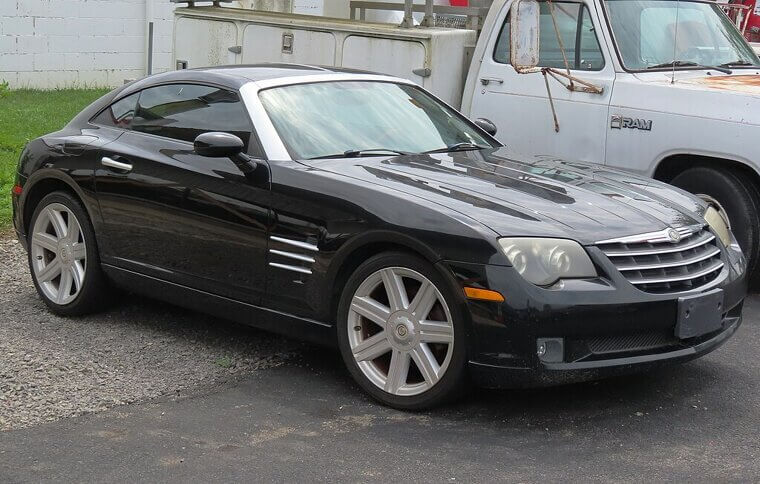
Despite its sporty image, the Crossfire never felt like a serious contender, quickly becoming more of a curiosity than anything else. Its poor build quality and awkward design made it easy for buyers to pass on.
Chevrolet Monte Carlo (2000–2007)
The Chevrolet Monte Carlo of the 2000s couldn’t live up to the iconic status of its predecessors, especially those that dominated NASCAR. Chevrolet stripped away the V8 engine and rear-wheel drive, replacing them with a front-wheel drive platform that felt more like a boring sedan than the bold coupe it once was. The magic was gone, leaving behind a generic car with no muscle or flair.
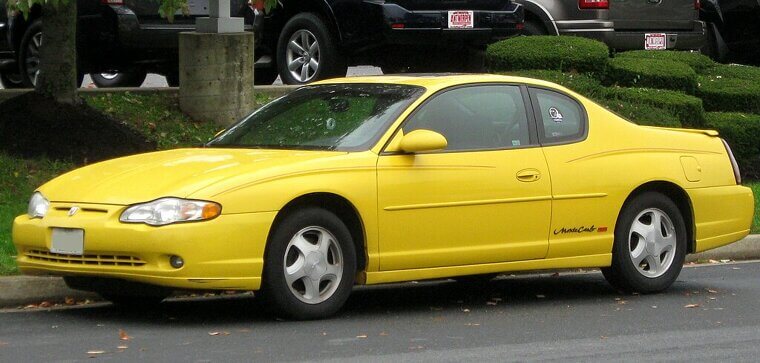
Even with a few special editions, the Monte Carlo couldn’t reclaim the magic of its glory days, and fans were left disappointed, wishing for the Monte Carlo they once knew.
Lincoln Blackwood (2002)
The Lincoln Blackwood was an odd attempt at fusing luxury with utility, but it missed the mark entirely. With a weak engine, poor towing capacity, and a truck bed that was more for show than hauling, it was a luxury pickup that didn’t do pickup things well. The carpeted cargo area and hard tonneau cover made it practically useless for real hauling.
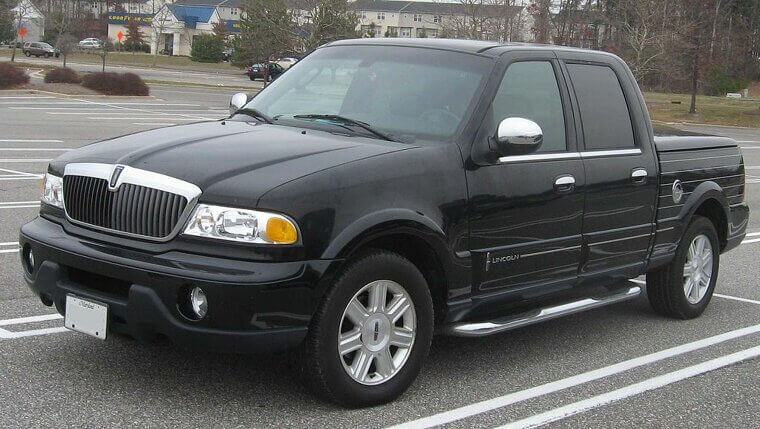
It flopped immediately, unable to satisfy the needs of either luxury car buyers or truck enthusiasts, leaving it as a forgotten oddity in Lincoln’s lineup.
Chrysler Pacifica (2004–2008)
The Chrysler Pacifica was supposed to be a family-friendly crossover, but it ended up disappointing on both fronts. While it promised comfort, the seating was uncomfortable and far from ideal for long drives with kids. It wasn’t quite a minivan, nor was it a standout crossover. Its frequent mechanical issues, poor fuel economy, and high price tag sealed its fate as a subpar option.
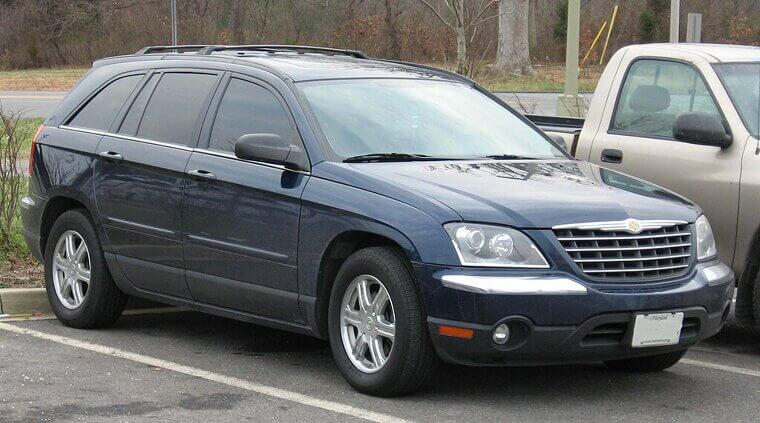
It failed to deliver on the promises of convenience and practicality, leaving it stuck in the middle without a clear purpose.
Chevrolet TrailBlazer EXT (2002–2009)
The Chevrolet TrailBlazer EXT had the look of a rugged SUV, but it didn’t live up to the name. While it seemed built for tough roads, its clumsy handling and terrible fuel consumption made it hard to justify. The extended version added more space but didn’t improve comfort or practicality, leaving buyers underwhelmed.
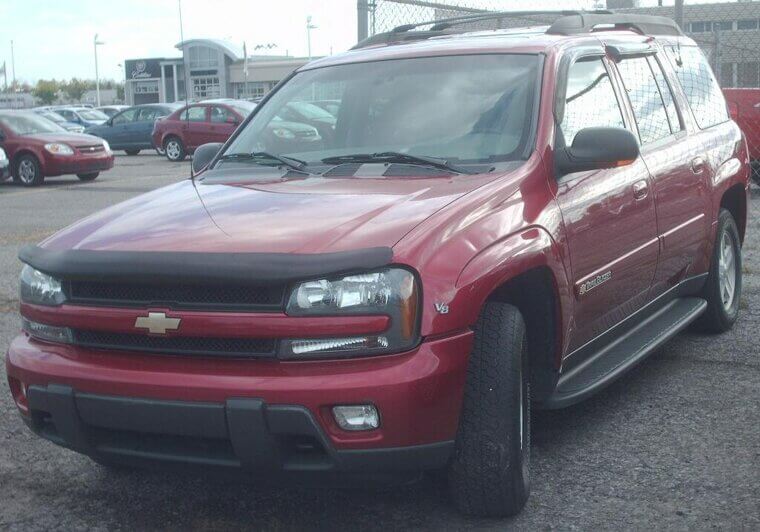
With cheap materials, questionable reliability, and unimpressive performance, the TrailBlazer EXT quickly faded into obscurity, outpaced by competitors in the SUV market.
Dodge Nitro (2007–2011)
The Dodge Nitro was marketed as a tough off-roading SUV, but it couldn’t back up that claim. Its off-road capabilities were basic at best, and the ride was stiff and uncomfortable. The interior felt outdated even when it was first released, and the poor gas mileage didn’t help matters.
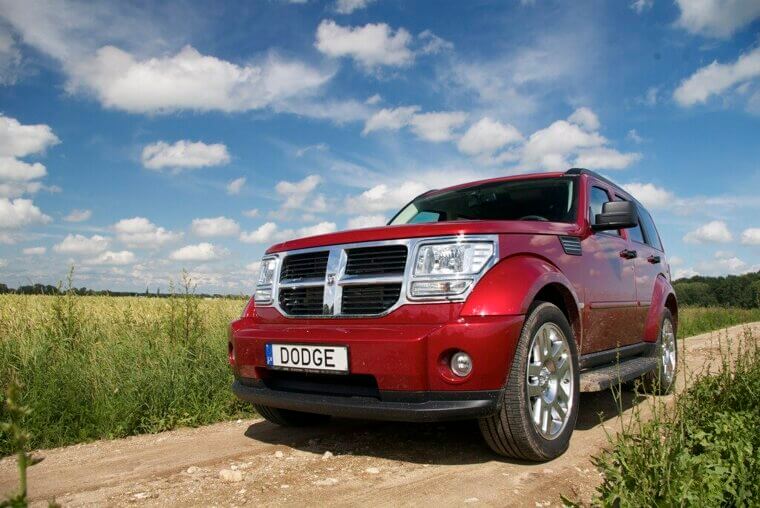
With limited performance and practicality, the Nitro was outclassed by better off-road vehicles and eventually faded away.
Chevrolet Impala (2000–2005)
The 2000s Chevrolet Impala had big shoes to fill, but it failed to live up to the legacy of its classic predecessors. While it wasn’t a total disaster, it suffered from unreliable transmissions, electrical issues, and engine problems. The once-proud nameplate became a bland, uninspired sedan with ho-hum styling and poor build quality.
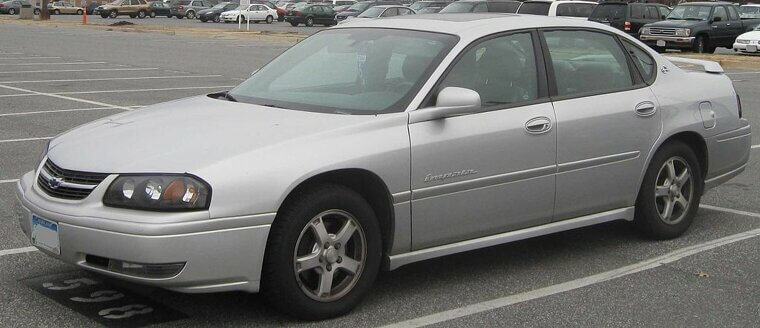
It struggled to stand out in the crowded mid-size sedan market, disappointing fans who remembered the Impala’s glory days.
Ford Escape Hybrid (2004–2012)
The Ford Escape Hybrid was ahead of its time in trying to bring eco-friendly tech to the mainstream, but it fell short in many areas. Despite being praised for its fuel efficiency, its high price tag made buyers expect more than it could deliver. The technology, though innovative, was prone to glitches, and repair costs could be a nightmare.
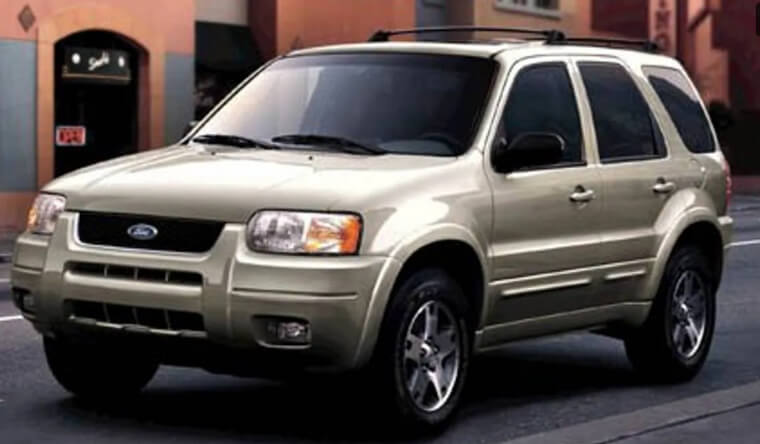
The driving experience wasn’t exactly smooth either, making it hard for eco-conscious drivers to embrace it as an everyday vehicle.
Dodge Caliber (2007–2012)
The Dodge Caliber was a compact car that never quite hit the mark. The performance was lackluster, and it felt unreliable, with cheap interior materials and a noisy, sluggish CVT transmission. While it had bold styling, its overall ride quality left much to be desired, and it couldn’t compete with better-built, more refined rivals in the compact car market.
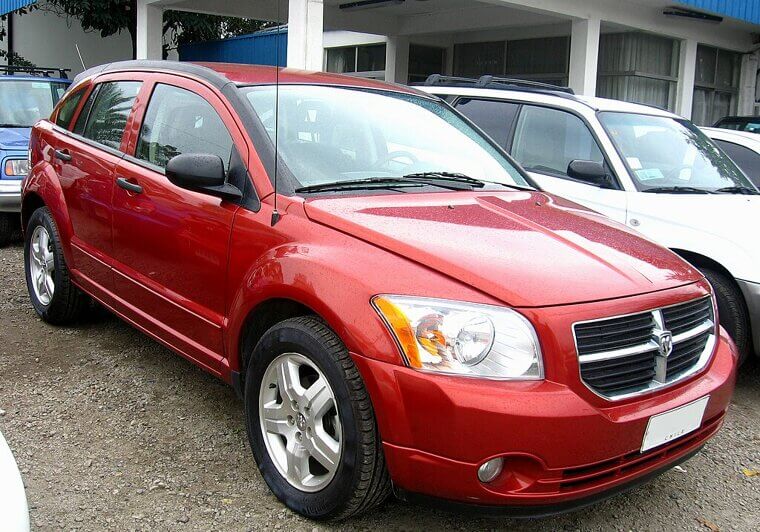
It was a car that seemed to try too hard but failed to deliver, ultimately fading into obscurity.
GMC Envoy (2002–2009)
The GMC Envoy was a disappointing entry in the tough 2000s SUV market. It had a powerful engine and decent towing capacity, but that was about it. Fuel consumption was high, and the interior didn’t offer much in terms of comfort. Poor handling, a dated design, and reliability issues made it a tough sell, especially when compared to other SUVs that were better equipped to handle the competition.
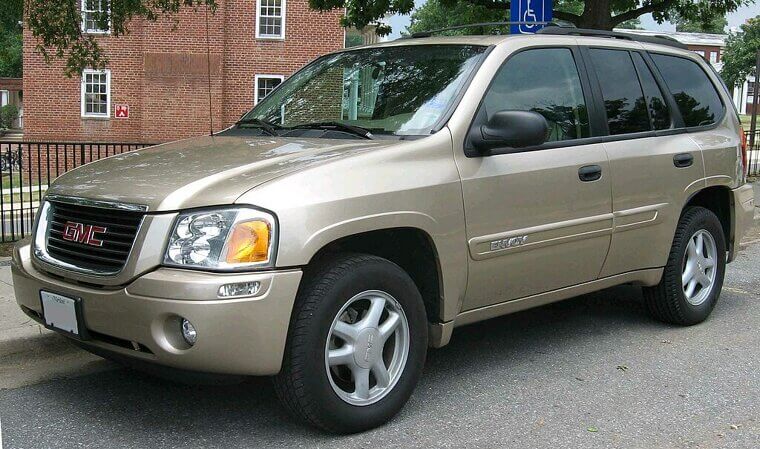
In the end, the Envoy was left behind in a crowded SUV market, failing to live up to its potential.
Chevrolet Sonic (2012–2020)
The Chevrolet Sonic may have promised speed, but its underpowered engine couldn’t live up to its name. Beyond that, its safety standards were outdated, and the interior felt bare-bones, offering little in the way of comfort or modern features. While marketed as a fun, affordable subcompact, the Sonic couldn’t compete with rivals that offered better reliability, features, and value for the money.
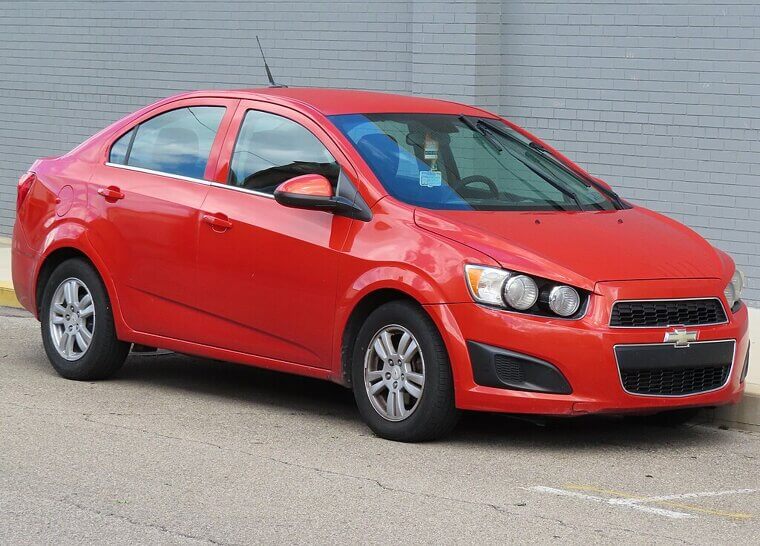
It was a car that simply couldn’t stand out in a competitive market.
Chevrolet HHR (2005–2011)
The Chevrolet HHR’s retro styling had its fans, but as a compact SUV, it didn’t deliver on what drivers needed. Its cramped interior, uncomfortable rear seating, and awkward cargo access made it feel more impractical than versatile. The overall build quality was cheap, and it lacked the space and ride comfort drivers expect from an SUV.
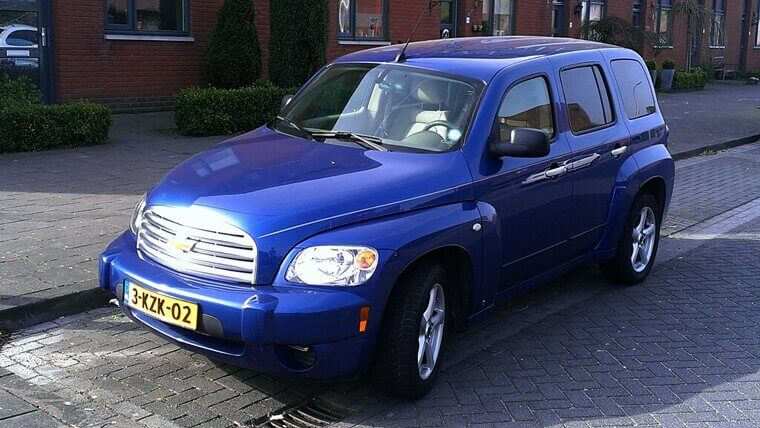
In trying to be unique, the HHR became forgettable, offering little more than style at the expense of practicality.
Chrysler Aspen (2007–2009)
The Chrysler Aspen tried to position itself as a luxury SUV, but it simply didn’t justify its hefty price tag. With poor fuel economy, a rough ride, and a lack of standout features, it didn’t offer much more than a Dodge Durango with some chrome trim. The cramped third-row seating and dated interior only added to the disappointment.
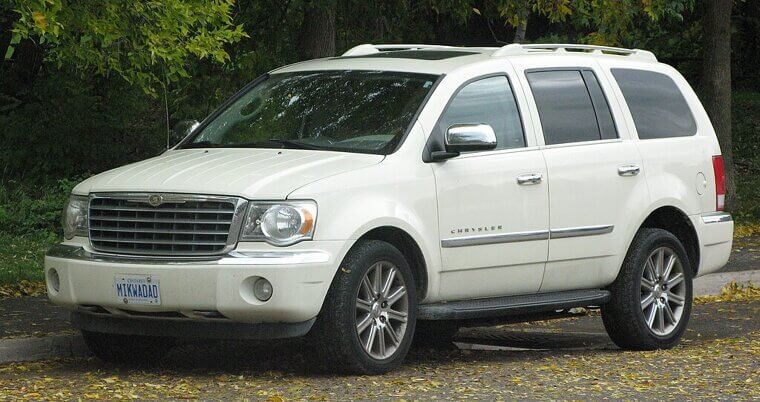
In a crowded market full of better and more affordable alternatives, the Aspen couldn’t convince buyers to choose it, leaving it largely forgotten.