
Ever heard that premium fuel boosts performance or that warming up your car is a must? Yeah… a lot of that stuff sounds right, but isn’t always true. In this guide, we’re putting the most common car myths to the test — no fluff, just real facts, expert insights, and practical tips you can actually use. Whether you’re trying to save money on fuel, avoid costly repairs, or just understand your car better, this breakdown will clear things up fast.
Myth: Electric Cars Are More Likely To Catch Fire Than Their Gas Counterparts
Sounds scary, right? A lot of people think electric vehicles (EVs) are more dangerous when it comes to fires. But real data and auto insurance safety reports say the opposite. Gas cars actually catch fire way more often because fuel is highly flammable.
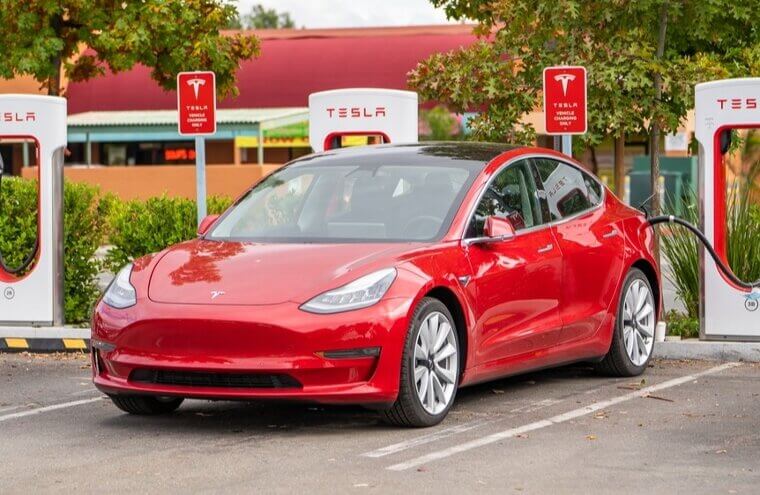
EV fires are different though. They involve lithium batteries, so they need special handling. Still, if you compare car fire statistics and vehicle safety data, gas-powered cars are way more likely to burn than electric ones.
Myth: Setting A Battery On Concrete Drains It
This one has been around forever. Even some mechanics still believe it. The idea is that putting a car battery on concrete will drain it and reduce battery lifespan or performance.
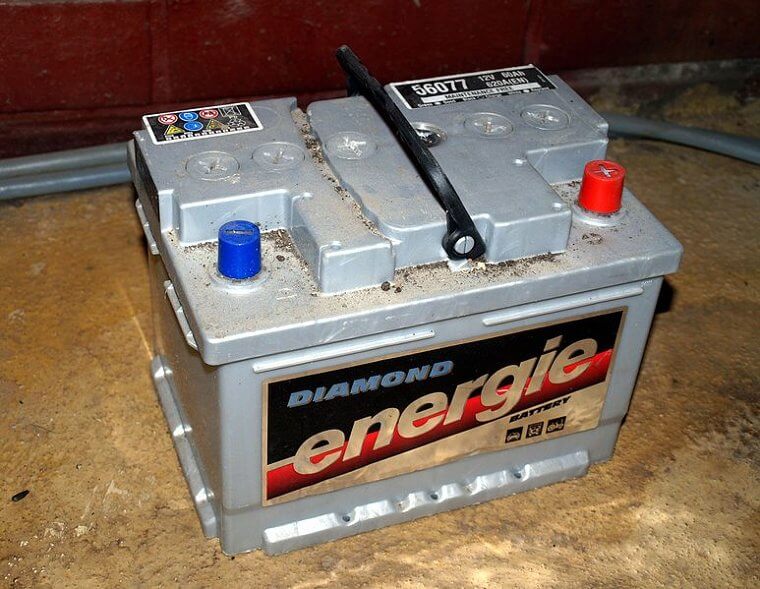
Truth is, that only applied to really old batteries. Modern batteries have solid casings and better insulation. So placing them on concrete won’t affect car battery charge or maintenance at all.
Myth: Fill Up Before It Gets Hot To Get More Gas
You’ve probably heard this “fuel saving hack.” Fill up early when it’s cool and you’ll get more gas for your money. Sounds smart, especially with rising fuel prices and gas savings tips everywhere.
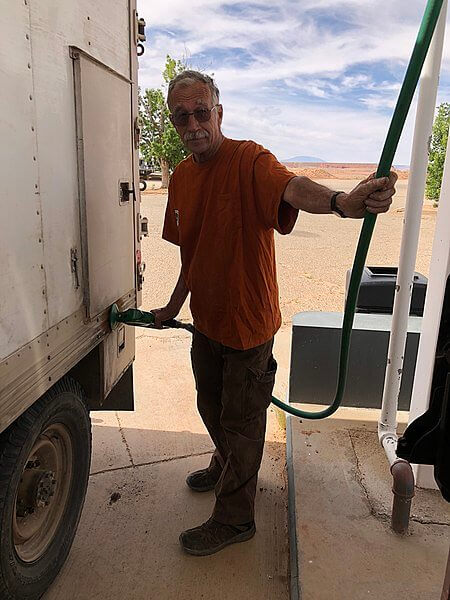
But here’s the thing. Gas stations store fuel in underground tanks where temperature barely changes. So this trick won’t really help you save on fuel efficiency or gas costs in any meaningful way.
Myth: Wiping An Oil Filter Clean Is Good For It
Some people say you should clean your oil filter before installing it for better results. It sounds like a good car maintenance tip, but it’s actually not needed.
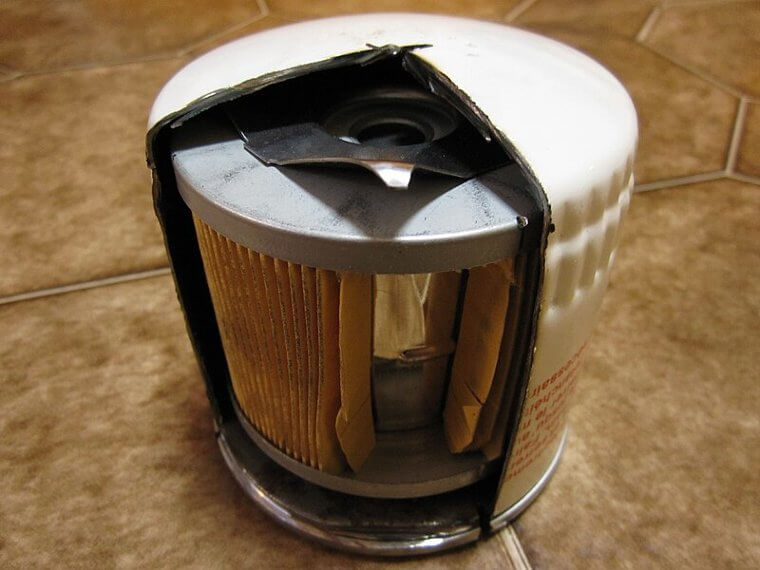
What really matters is lubricating the rubber seal with a bit of old oil. That helps prevent leaks and keeps your engine performance and oil system running smoothly.
Myth: Cranking A Car Takes More Gas Than Idling
Ever sat in your car wondering if you should turn it off to save gas? The old belief says restarting burns more fuel than idling, especially when you’re low on gas.

But with modern fuel-injected engines and fuel economy tech, that’s not true anymore. If you’re waiting more than 30 seconds, turning off your engine can actually improve fuel efficiency and save money.
Myth: You Shouldn’t Use Your Phone When At The Pump
You might still see warning signs about using phones while fueling. The fear is that phones could spark and cause a fire. Sounds serious, especially around gas fumes and fuel safety risks.
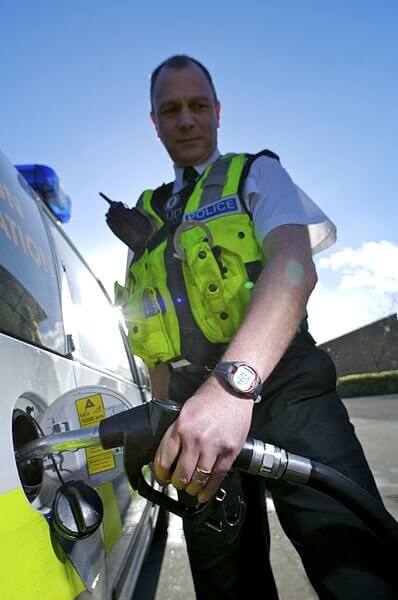
But modern smartphones don’t pose that risk. Tests, including from experts and shows like MythBusters, proved phones can’t ignite gas fumes. So using your phone at the pump is totally fine today.
Myth: Off-Brand Gas Can Hurt Your Vehicle
A lot of drivers think cheap or off-brand fuel can mess up their engine. But honestly, most gas stations get fuel from the same suppliers. The real difference comes down to fuel additives and engine cleaning agents.
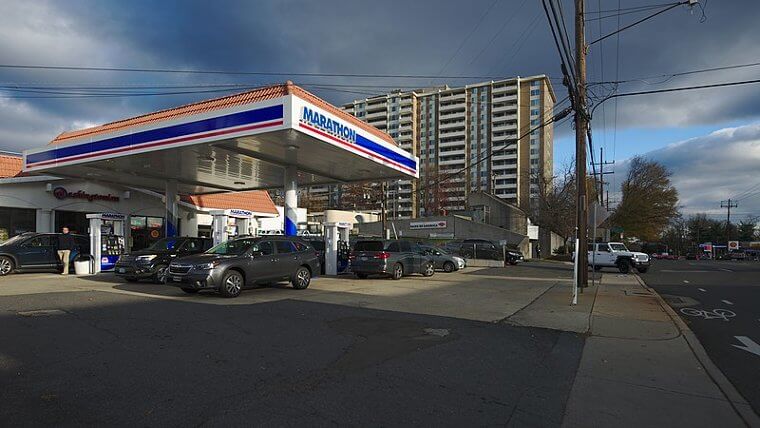
Big brands may add more detergents, which can help with engine performance and fuel system cleaning. But off-brand gas isn’t harmful. Problems only happen if storage tanks are dirty, and that can happen anywhere.
Myth: Smaller Cars Are Always More Fuel Efficient
It sounds logical. Smaller car, less weight, better mileage. And yeah, that’s often true. But modern engines and fuel efficiency technology have changed the game a bit.

Now you’ve got SUVs and trucks with hybrid engines and advanced fuel economy systems that can match or even beat smaller cars. So size alone doesn’t decide your MPG or fuel savings anymore.
Myth: You Can Use Vegetable Oil In Place Of Diesel
This one comes from old-school diesel engines. Back in the day, some engines could run on almost anything, even vegetable oil. It sounds like a crazy fuel alternative hack, but it kinda worked before.
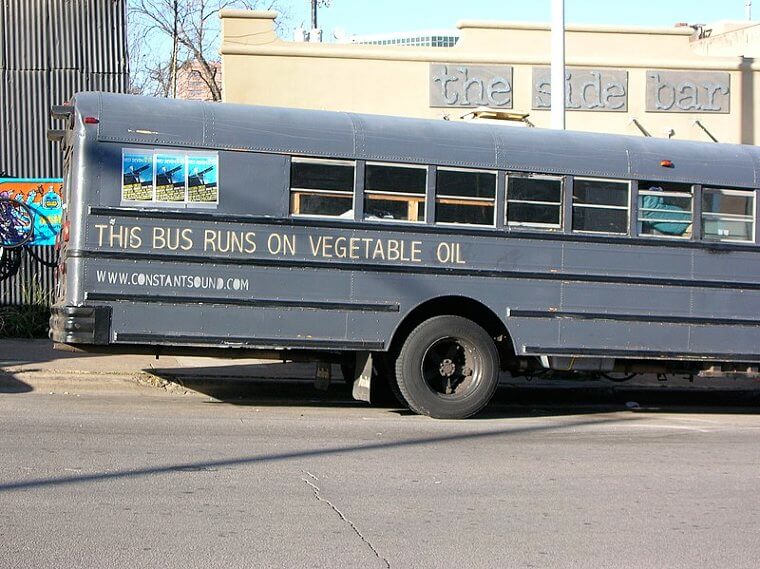
Today’s diesel engines are way more advanced. Vegetable oil is too thick and can damage fuel injectors and engine components. So trying this now could lead to expensive repairs real quick.
Myth: Start-Stop Systems In Cars Use More Gas And Drain Batteries
A lot of people find start-stop systems annoying, so they assume they’re bad. Some say it increases fuel use or ruins the battery. But that’s not really how modern automotive technology and fuel-saving systems work.

These systems are actually designed to improve fuel economy and reduce emissions. Cars with this feature come with stronger starters and special batteries, so they can handle the extra work just fine.
Myth: You Can Wash Your Car With Dishwashing Soap
Using dish soap feels like an easy hack for a clean car. And yeah, it will remove dirt fast. But it’s not the best idea if you care about your car’s paint protection and detailing.

Dish soap can strip away wax and protective coatings. Over time, that affects your car paint finish and resale value. It’s better to use proper car wash products made for automotive care.
Myth: Aluminum Is Safer Than Steel
With more cars using aluminum, people wonder if it’s actually safe. Steel feels stronger, so it must be better… right? Not always, especially with modern car safety engineering.
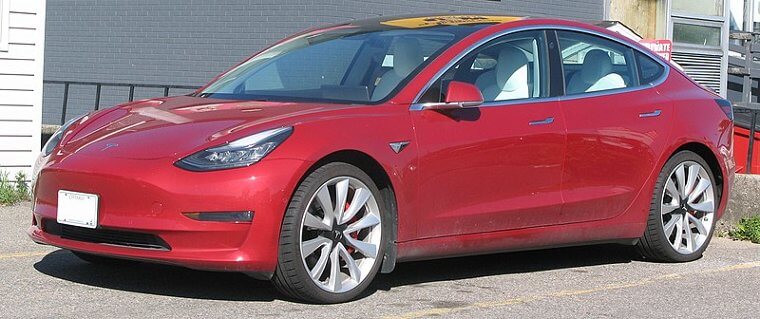
Aluminum is lighter and absorbs impact well when designed right. It helps create better crumple zones and crash safety systems, which can actually improve overall vehicle safety in accidents.
Myth: Korean Cars Are Low Quality
A lot of people still think Korean cars are cheap and unreliable. That might’ve been true years ago, but things have changed big time. Brands like Hyundai and Kia now build cars with solid engine reliability and long-term value.
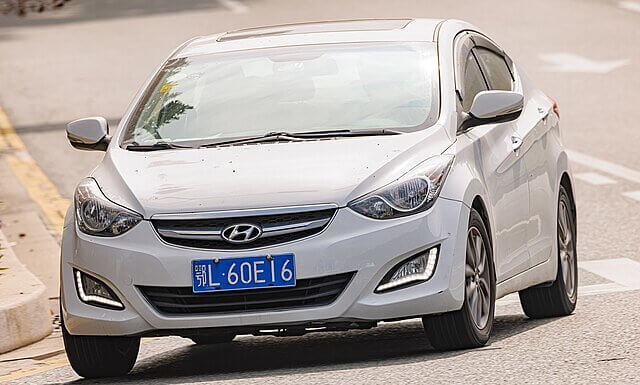
Today, they compete with top brands in car quality rankings and reliability reports. In fact, studies from J.D. Power have shown they often outperform rivals in overall quality and customer satisfaction.
Myth: Lowering Your Tailgate Saves On Gas
It sounds like common sense. Drop the tailgate, reduce air resistance, save fuel. But real aerodynamics and fuel efficiency tests say otherwise.

Driving with the tailgate down actually creates more drag. That hurts your fuel economy and truck performance instead of helping it. Keeping it closed is usually the better move.
Myth: Using The Air Conditioner Uses More Gas
Some drivers avoid AC like it’s a fuel killer. And yeah, using air conditioning does increase fuel consumption and engine load a bit.

But modern cars are built to handle it better. The impact on fuel efficiency and MPG is usually small, so staying cool on a hot day is totally worth it.
Myth: Manuals Are Better On Gas Than Automatics
This used to be true back when automatic transmissions weren’t that advanced. Manual cars gave better control and improved fuel economy and driving efficiency.
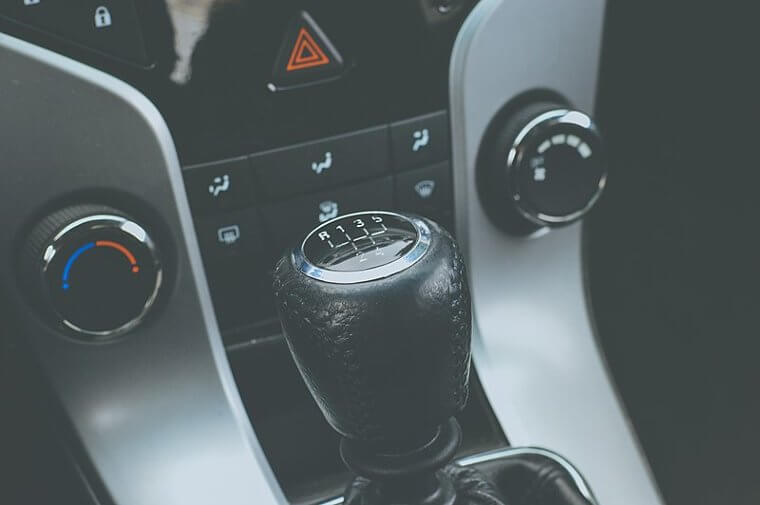
Now things are different. Modern automatics with smart transmission tech and gear optimization often beat manuals in fuel savings and performance.
Myth: Red Car Owners Should Expect To Pay More For Insurance
You’ve probably heard this one before. Red car equals higher car insurance premiums. Sounds believable, especially with sporty cars.
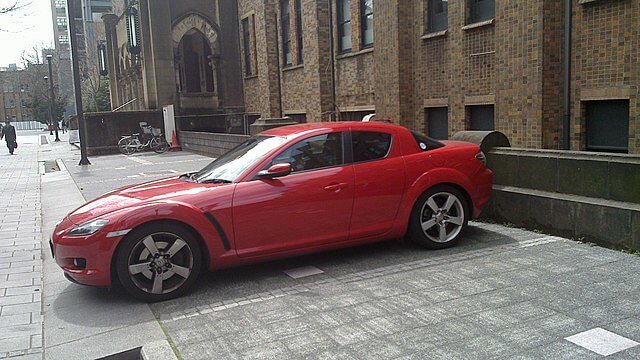
But insurance companies don’t care about color. They look at things like driver history, vehicle type, and risk assessment data. So your red paint job won’t affect your insurance rates at all.
Myth: Cars Can Stop Bullets
Movies make it look like cars are bulletproof shields. But in real life, most vehicles are made with thin metal panels, not armor.
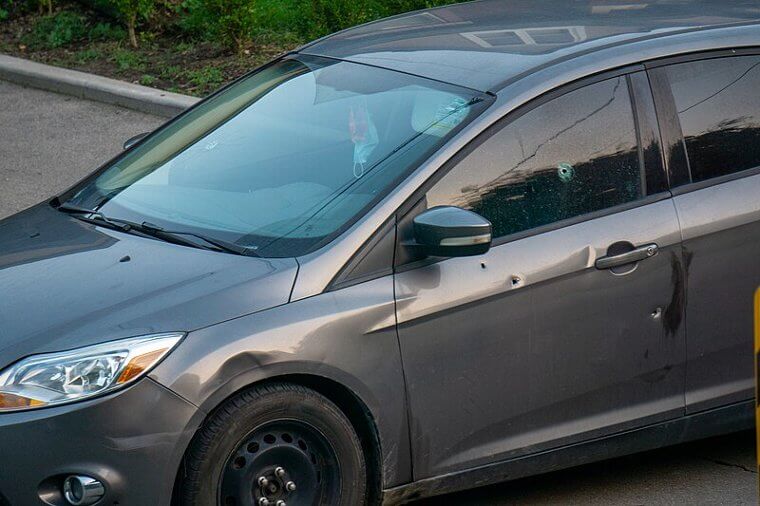
Higher caliber bullets can easily go through doors and panels. So while a car might provide some cover, it’s not reliable protection in real-world vehicle safety scenarios.
Myth: Muscle Cars Can’t Take A Turn
Old-school muscle cars were built for straight-line speed. Big engines, lots of power, not much focus on handling or cornering performance.
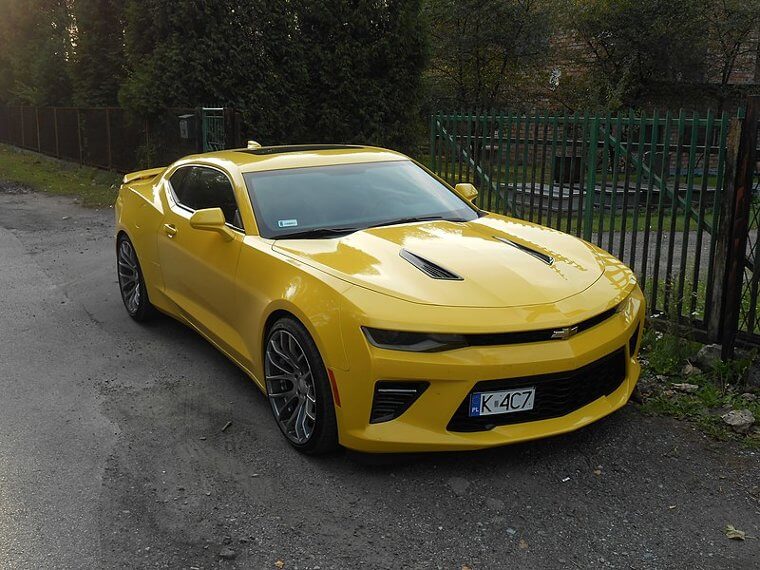
But modern muscle cars are different. With better suspension and performance engineering, they can handle curves and even compete on race tracks while still delivering that classic V8 power.
Myth: The Drive Back Is Shorter Than The Drive There
Ever noticed how the return trip feels way quicker? You’re not imagining it. It’s actually called the return trip effect, and it’s tied to how our brain processes time and travel.

When you’re heading somewhere, you’re more focused and maybe a bit impatient. On the way back, you’re relaxed and familiar with the route, which makes the drive feel faster—even if the time is the same.
Myth: Electric Cars Are More Expensive Than Gas-Powered Cars
At first glance, electric cars do seem pricey. The upfront cost is usually higher compared to gas vehicles, especially when looking at EV pricing and auto financing options.
But long-term, it’s a different story. Lower maintenance costs, fuel savings, and tax incentives can balance things out. Plus, EVs often hold value better in the resale car market.
Myth: The Batteries In Electric Cars Only Last A Couple Years
Some people think electric car batteries die super fast. But that’s far from true. Most modern EV batteries are built for long-term battery performance and durability.
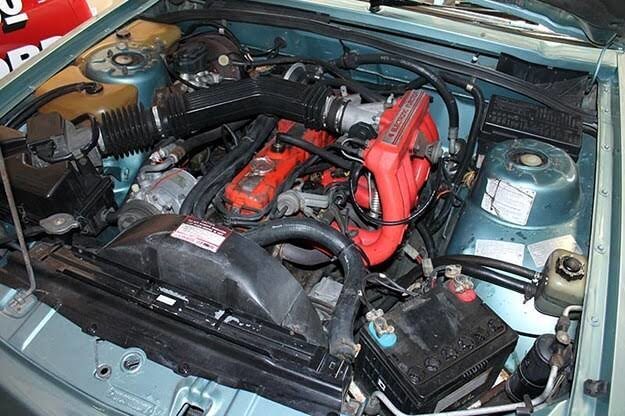
In reality, many last 10–20 years depending on usage and climate. Data from J.D. Power shows they’re much more reliable than people assume.
Myth: The Minerals Used In Electric Cars Are Mined By Kids
This one gets talked about a lot, and yeah, it’s a bit complicated. Most materials used in EV production come from regulated supply chains focused on ethical sourcing and sustainable mining.

That said, there have been issues, especially with cobalt mining in places like the Democratic Republic of Congo. But global pressure and stricter supply chain regulations are pushing companies toward more responsible sourcing.
Myth: Switching Lanes To Get Ahead Gets You There Faster
We’ve all seen that one driver zig-zagging through traffic like it’s a race. Feels like they’re winning, right? But most traffic flow studies and driving efficiency data show lane switching barely saves any time.

In fact, constant lane changes can increase fuel consumption and accident risk. In most real-world driving situations, sticking to one lane is just as fast—and way less stressful.
Myth: Shooting A Vehicles Gas Tank Will Cause An Explosion
Blame Hollywood for this one. Movies make it look like one bullet equals instant explosion. Sounds cool, but real-world vehicle safety tests and crash data say otherwise.

Even shows like MythBusters proved it’s basically impossible with normal conditions. Gas tanks don’t just explode like that, though it’s still obviously dangerous to mess with.
Myth: Coolant Doesn’t Need Replacing
Some people treat coolant like it lasts forever. But ignoring it can seriously damage your engine and hurt car maintenance and engine cooling system performance.
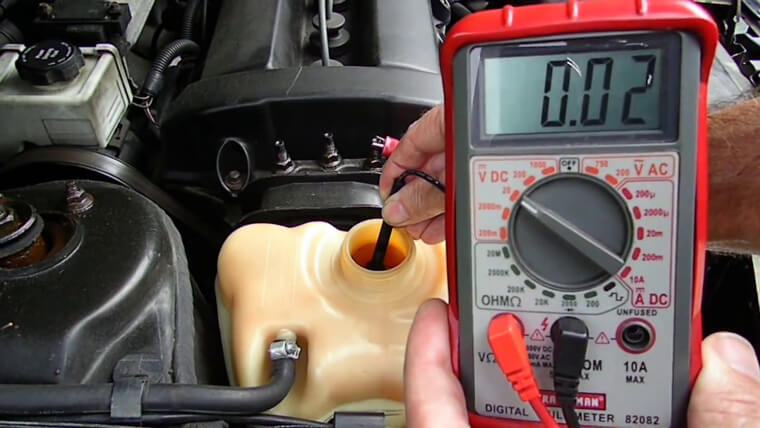
Over time, coolant breaks down and loses effectiveness. Regular checks and replacing it every few years helps avoid overheating and costly engine repair bills.
Myth: Nitrogen Is Better For Your Tires Than Air
Nitrogen-filled tires sound premium, and yeah, they do hold pressure longer. That can help with tire pressure stability and fuel efficiency over time.
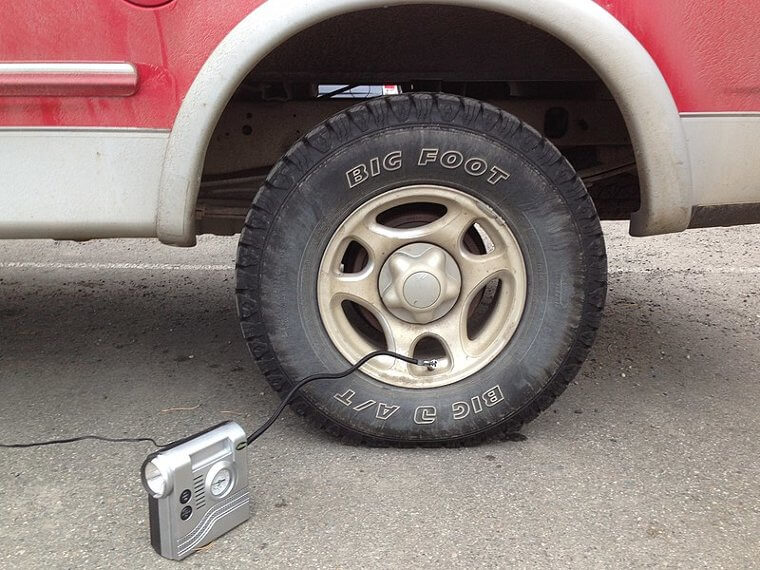
But for most drivers, regular air works just fine. As long as you maintain proper tire pressure and vehicle safety checks, there’s no big need to spend extra on nitrogen.
Myth: A Car Battery Lasts Upwards Of Five Years
A lot of drivers expect their battery to last at least five years. But real-world car battery lifespan and performance data tells a different story.
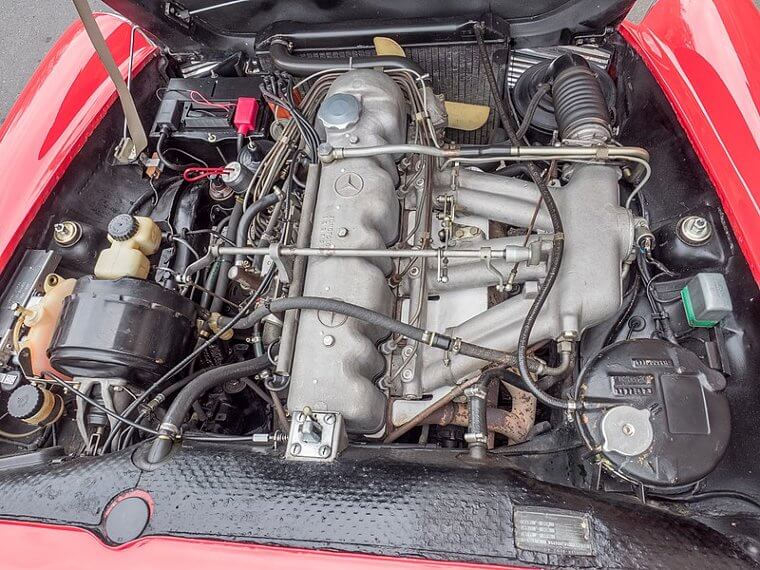
Most batteries last around 3–5 years, sometimes less depending on climate and usage. Heat, short trips, and heavy use can reduce battery life and reliability faster than expected.
Myth: Tires Don’t Need To Be Replaced Until They Hit 2/32
Legally, 2/32 tread depth might be the limit. But waiting that long isn’t the best move for tire safety and road grip performance.
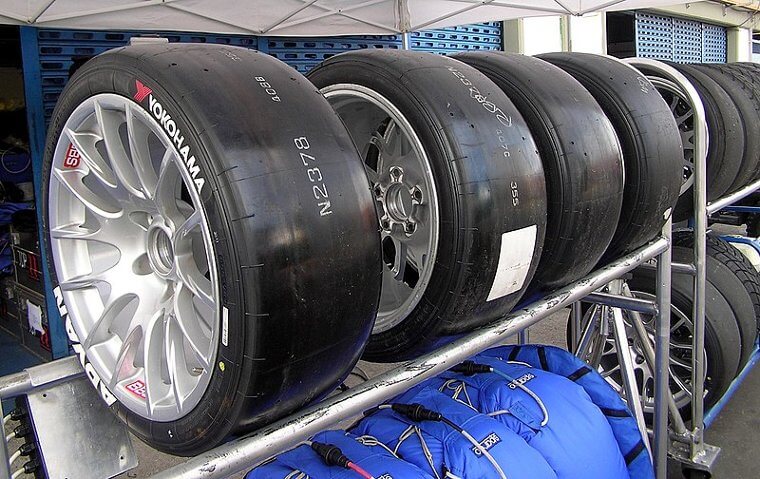
Traction drops way earlier, especially in rain. Experts recommend replacing tires around 4/32 to maintain better braking performance and driving safety.
Myth: Convertibles Are Death Traps
It seems logical. No roof must mean less protection, right? But modern car safety engineering and crash protection systems say otherwise.

Today’s convertibles are built with reinforced frames and safety features like roll bars. In many cases, they offer similar vehicle safety ratings as hardtop cars.
Myth: Bigger Engines Automatically Mean More Power
Back in the day, bigger engine meant more horsepower. Simple. But now, things have changed with modern engine performance upgrades and turbocharged engines.
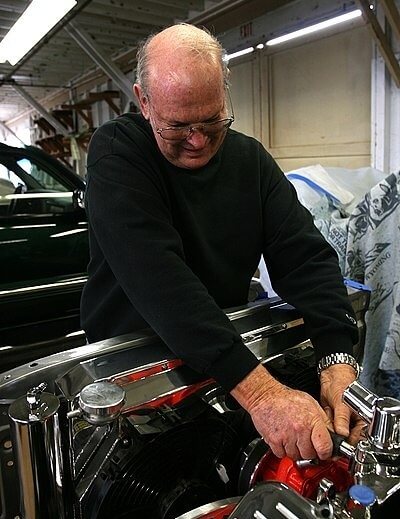
A small engine with a turbo can easily match or beat a bigger one. So engine size alone doesn’t define horsepower, speed, or overall performance anymore.
Myth: AWD And 4WD Cars Break Better Than 2WD Cars
It kinda makes sense at first. More wheels getting power should mean better stopping, right? But braking has nothing to do with drivetrain systems like AWD or 4WD.

Stopping power depends on brake quality, tire grip, and road conditions. Good brakes and tires matter way more than how many wheels are driven.
Myth: ABS Is Better For Stopping On A Dime
ABS sounds like a game-changer, and it is—for control. It prevents wheels from locking, improving vehicle control and braking safety systems.
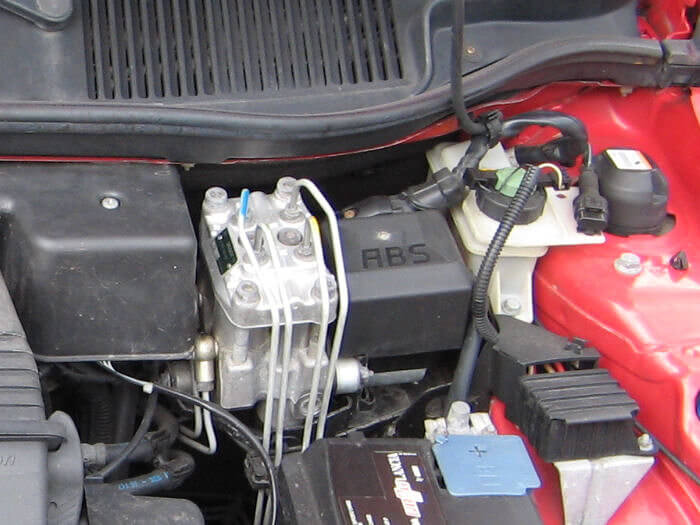
But it doesn’t always reduce stopping distance. It works best in wet or slippery conditions, improving road safety and accident prevention, but on dry roads, the difference is minimal.
Myth: Should You Underinflate Your Tires For A Smoother Ride?
Yeah, slightly softer tires can feel smoother. But messing with proper tire pressure and vehicle handling isn’t a smart trade-off.
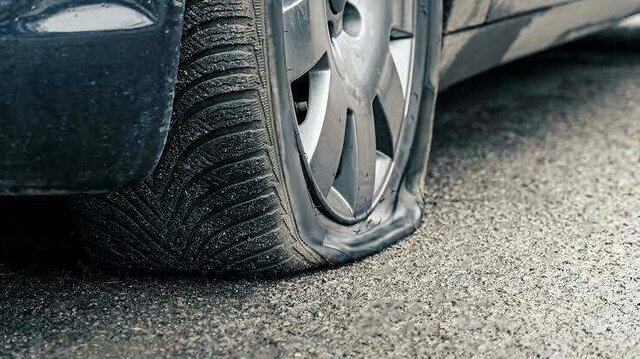
Underinflated tires create more friction and heat. That increases the risk of tire blowouts, poor fuel efficiency, and safety issues on the road.
Myth: A Quick Jump Can Fully Revive A Dead Battery
A jump start feels like a quick fix, but it’s not a full solution. It only gives enough power to start your car, not fully restore car battery charge or performance.
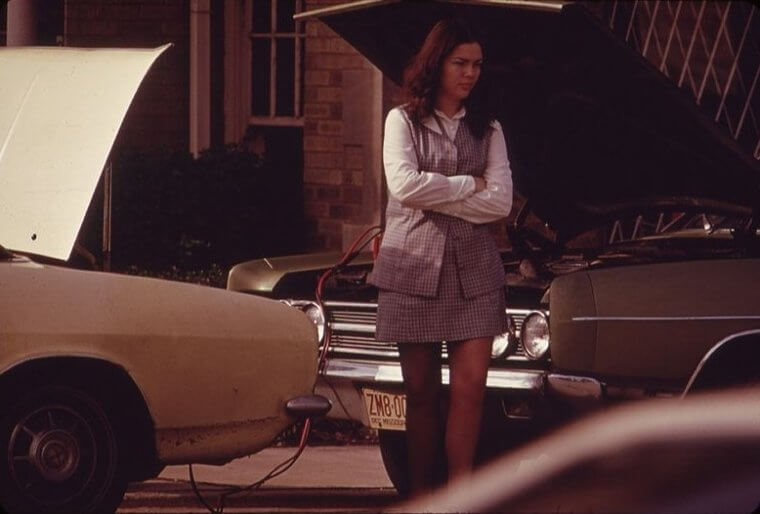
To actually recharge, you need to drive the car or use a charger. If the battery keeps dying, it’s probably time for a replacement to avoid breakdowns and repair costs.
Myth: Coolant Needs To Be Changed With Your Oil
Some people think coolant should be replaced as often as oil. That’s not true and can lead to unnecessary car maintenance costs.
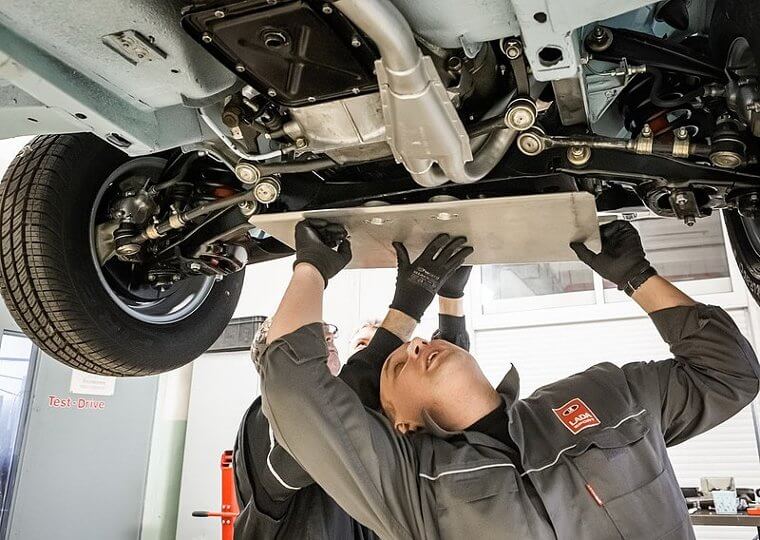
Coolant lasts much longer. You usually only need to change it every few years or around 30,000 miles. Just keep an eye on levels to maintain proper engine cooling and performance.
Myth: Cars Need To Warm Up Before Driving In Cold Temperatures
A lot of people still let their car idle for minutes before driving in winter. That made sense back when engines used carburetors, but modern fuel-injected engines and cold start technology changed that.
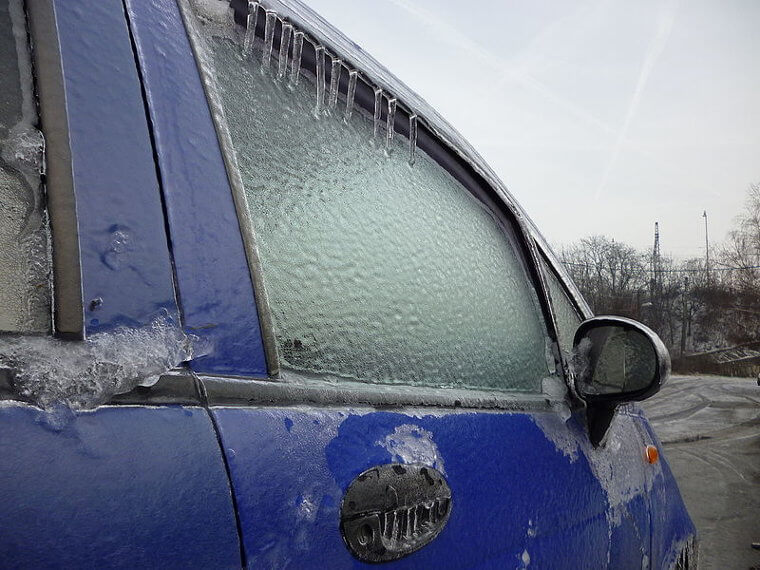
Now, you can just start and go. Driving gently actually helps the engine warm up faster and improves fuel efficiency and engine performance at the same time.
Myth: 4WD Vehicles Don’t Need Snow Tires
Some drivers think having 4WD means they’re invincible in snow. But that’s not how winter driving safety and traction control systems work.

4WD helps with moving forward, not stopping or turning. Good snow tires and tire grip performance are what really keep you safe on icy roads.
Myth: Vehicles Have To Be Serviced At Dealerships To Maintain Warranty
Dealerships love this one. It makes people think they have no choice but to pay higher car servicing costs and maintenance fees.

But legally, you’re free to use any certified mechanic. Thanks to the Magnuson-Moss Warranty Act, your car warranty and repair rights stay protected as long as proper service is done.
Myth: All Four Tires Have To Be Replaced Every Tire Change
Buying four new tires every time sounds expensive—and yeah, sometimes unnecessary. For most cars, especially front-wheel or rear-wheel drive vehicles, replacing two tires is often enough.
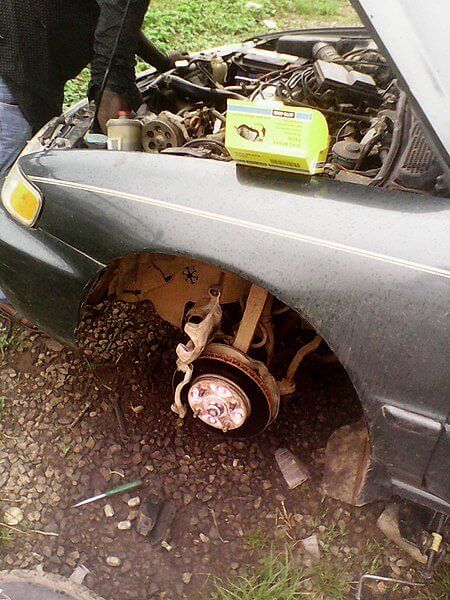
But AWD cars are different. Since power goes to all wheels, uneven tires can affect drivetrain performance and vehicle handling, so replacing all four is usually recommended.