Cars are a big investment. But there’s a lot of bad advice floating around about them. From auto maintenance tips to fuel efficiency tricks, many drivers still believe myths that can actually cost real money. Some people think premium fuel always makes a car faster. Others believe you must warm up your engine for minutes before driving. Sounds logical, right? But not always true. In this guide, we’re putting some of the most common car myths to the test and breaking down what really matters for vehicle performance, car maintenance, and even saving on car insurance and repair costs.
Myth: Electric Cars Are More Likely To Catch Fire Than Their Gas Counterparts
A lot of people believe electric vehicles (EVs) are more dangerous and more likely to catch fire than traditional cars. It sounds believable, especially with viral videos online. But studies show the opposite. Gas-powered vehicles actually catch fire more often because gasoline is highly flammable.
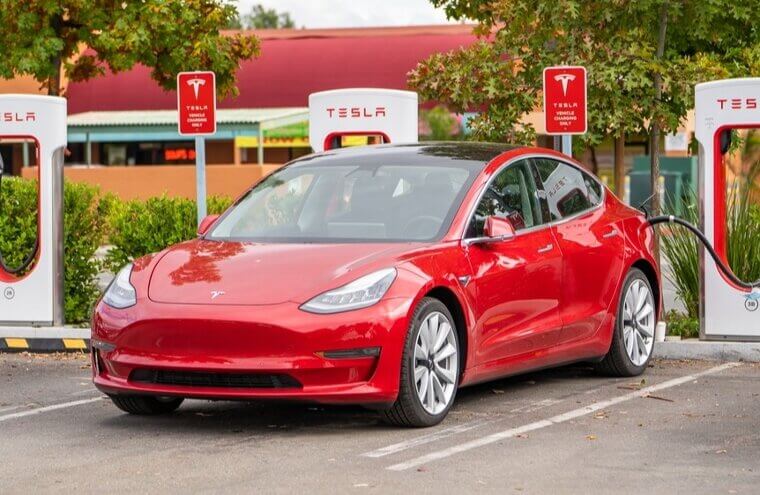
EV fires do happen, but they’re much rarer compared to internal combustion engine vehicles. The difference is that lithium-ion battery fires behave differently, so emergency crews are still learning new EV safety protocols and fire response techniques.
Myth: Setting A Battery On Concrete Drains It
You’ve probably heard someone say never put a car battery on concrete because it will drain the charge. Even some experienced mechanics still repeat this one. The truth is this myth comes from old battery designs used decades ago.
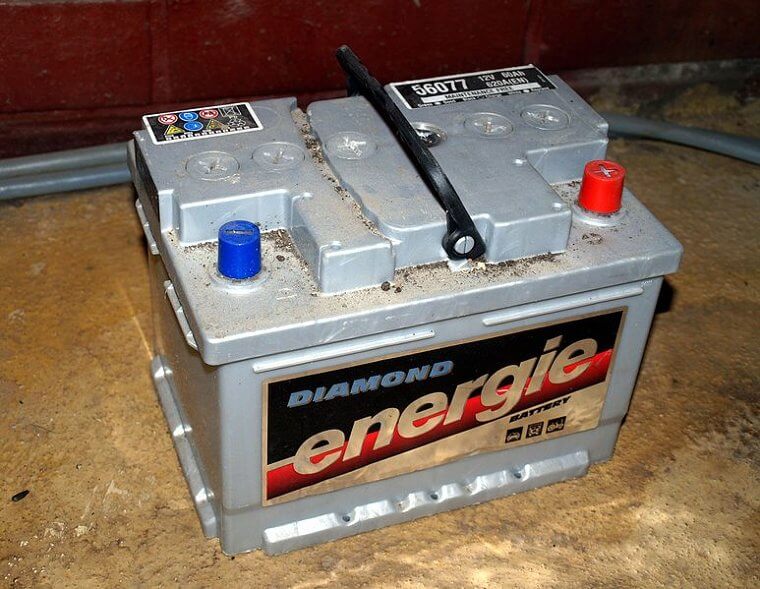
Modern automotive batteries come in sealed plastic casings, so concrete won’t affect them. If a 12-volt car battery loses charge while sitting in the garage, it’s usually because it’s old or hasn’t been used for a while.
Myth: Fill Up Before It Gets Hot To Get More Gas
This myth pops up whenever gas prices rise. The idea is that filling your tank early in the morning gets you more fuel because gasoline expands in heat. Sounds smart, but it doesn’t really work that way.
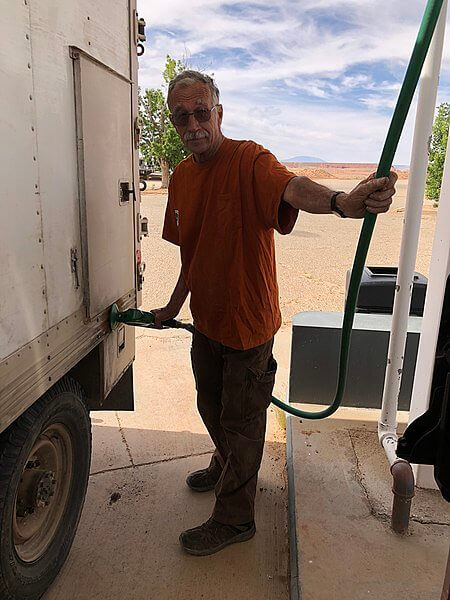
Most gas station fuel tanks are stored underground where the temperature stays stable. So whether you fill up in the morning or afternoon, the difference in fuel volume and fuel efficiency savings is basically pennies.
Myth: Wiping An Oil Filter Clean Is Good For It
Some drivers believe wiping the top of the engine oil filter before installing it helps it seal better. In reality, that step isn’t needed unless the filter got dirty while installing it.
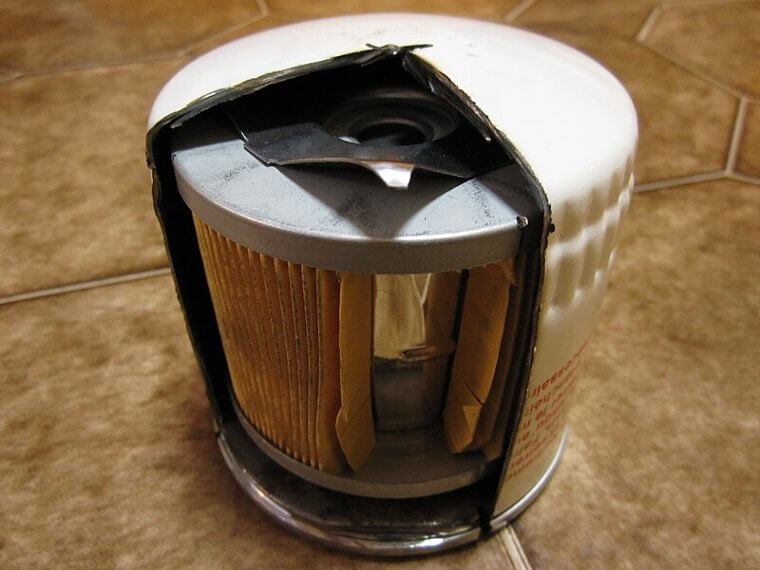
What actually matters in proper car maintenance is applying a little used oil on the rubber gasket. This helps the oil filter seal properly and prevents leaks during your next engine oil change.
Myth: Cranking A Car Takes More Gas Than Idling
When you’re low on gas, you might wonder if turning the car off saves fuel. The old belief says starting a car burns more fuel than letting it idle. That used to be true with older engines.

But modern fuel-injected engines are way more efficient. In most cases, if you’re stopping for more than 30 seconds, shutting off the engine can help improve fuel economy and reduce unnecessary gas consumption.
Myth: You Shouldn’t Use Your Phone When At The Pump
Many gas pumps still have warning stickers telling you not to use your phone while filling up. The idea is that a phone could create a spark and ignite gasoline fumes. Sounds scary, but modern research says otherwise.
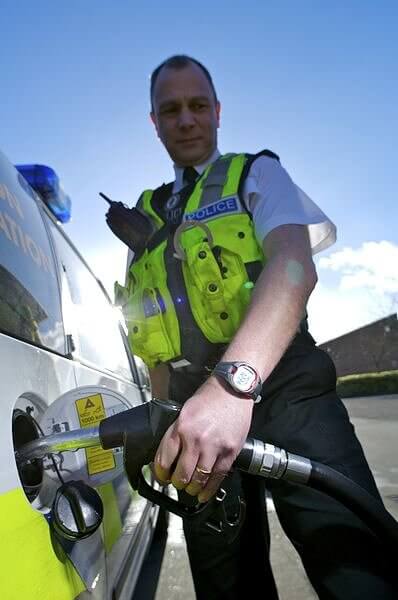
Tests, including experiments from MythBusters, showed that smartphones don’t ignite fuel vapors at the pump. Today’s phones are much safer, and there’s no real evidence they cause gas station fires during refueling. 🚗
Myth: Off-Brand Gas Can Hurt Your Vehicle
Some drivers think filling up at a smaller station means getting low-quality fuel. Big brands like premium fuel companies often get the trust. But the truth is most stations buy gasoline from the same fuel suppliers and oil refineries.
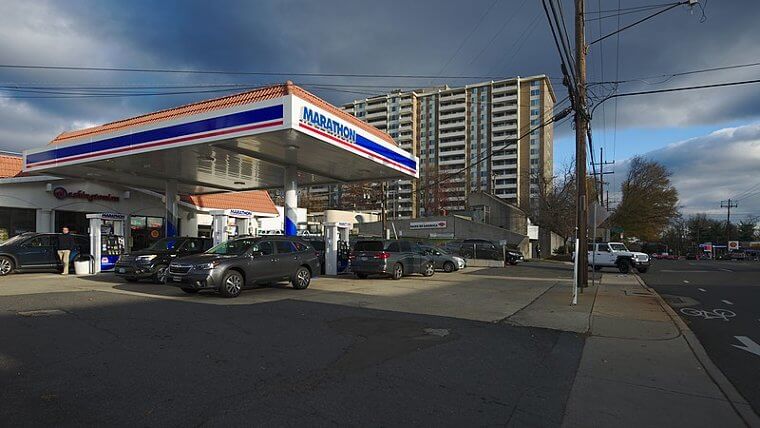
The real difference is the fuel additives and detergent packages mixed into the gas. Big brands may add a bit more. Still, off-brand fuel won’t hurt your engine performance as long as the station properly maintains its underground fuel storage tanks.
Myth: Smaller Cars Are Always More Fuel Efficient
It sounds obvious that small cars always win when it comes to fuel efficiency. Less weight usually means better gas mileage and lower fuel costs. In many cases that’s still true.

But modern SUV fuel economy technology has improved a lot. Many hybrid SUVs and turbocharged engines now deliver impressive MPG ratings, sometimes even beating smaller vehicles on long highway drives.
Myth: You Can Use Vegetable Oil In Place Of Diesel
There’s an old rumor that you can run a diesel engine using vegetable oil. Years ago, some older tractors and simple engines could actually handle it without much trouble.
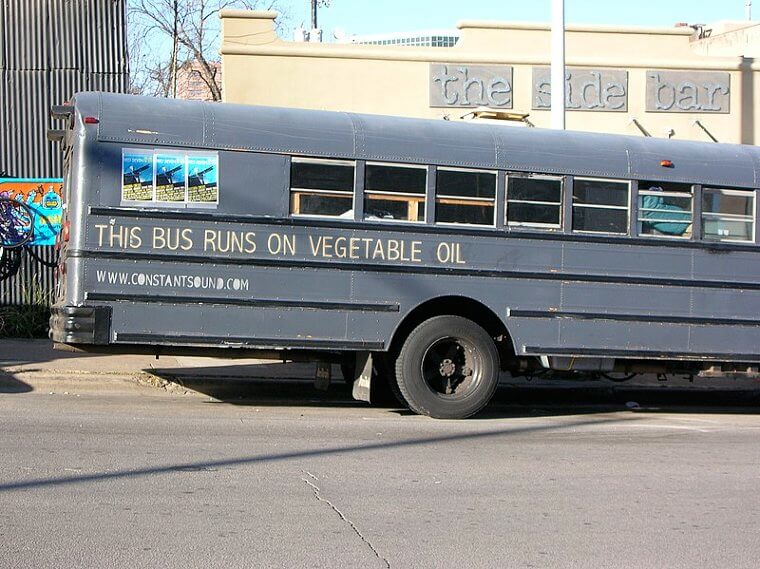
Modern diesel trucks and high-pressure fuel injection systems are a different story. Vegetable oil is too thick and can damage fuel injectors, diesel pumps, and engine components, leading to expensive engine repair costs.
Myth: Start-Stop Systems In Cars Use More Gas And Drain Batteries
A lot of drivers hate the automatic start-stop system in modern cars. Many believe it burns more fuel and ruins the starter motor or battery. But that’s not really true.

These systems are designed to improve fuel economy and reduce emissions. Vehicles with this feature use stronger car starters and advanced AGM batteries, built specifically to handle frequent engine restarts.
Myth: You Can Wash Your Car With Dishwashing Soap
Dishwashing soap will definitely clean your car. It cuts grease well and makes the paint look shiny. But there’s a downside many people don’t realize.

Dish soap can strip off car wax protection and paint sealant, which protect your auto paint finish. Using a proper car wash shampoo or detailing soap is safer for long-term paint protection.
Myth: Aluminum Is Safer Than Steel
Many newer vehicles use aluminum body panels instead of traditional steel. Some drivers assume aluminum must be weaker and less safe in crashes.
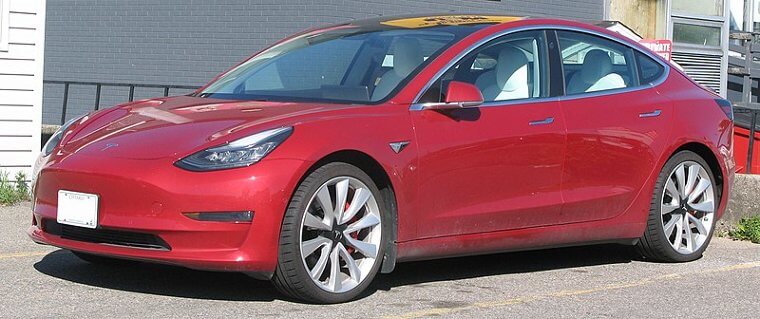
In reality, modern automotive safety engineering uses aluminum to create better crumple zones and impact absorption. Pound for pound, aluminum can actually improve vehicle crash safety and structural design.
Myth: Korean Cars Are Low Quality
Years ago, Korean vehicles had a reputation for being cheap and not very reliable. That’s where this myth started. But the auto industry has changed a lot since then.
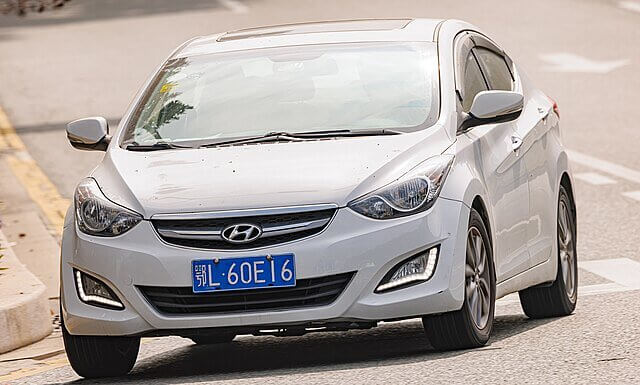
Today brands like Hyundai and Kia build cars known for strong vehicle reliability ratings, warranty coverage, and affordable pricing. Many models now compete with top Japanese and European car brands.
Myth: Lowering Your Tailgate Saves On Gas
Some pickup truck owners believe lowering the tailgate improves truck fuel efficiency by reducing wind resistance. It seems logical at first glance.

But aerodynamics research shows the opposite. Driving with the tailgate down actually creates more air drag and turbulence, which can reduce pickup truck gas mileage instead of improving it. 🚗
Myth: Using The Air Conditioner Uses More Gas
Some drivers avoid using the car air conditioner even on extremely hot days. The idea is simple — turning on the AC must hurt fuel economy and waste gas. And technically, there is a little truth to it.

Running the vehicle AC compressor does put extra load on the engine. That can reduce gas mileage slightly. In some cars it may drop around 2–3 MPG, but honestly the comfort of cool air is usually worth the small fuel efficiency loss.
Myth: Manuals Are Better On Gas Than Automatics
Back in the day, manual transmission cars were known for better fuel efficiency. Drivers had more control over gear changes, which helped save gas. That used to be a big advantage.
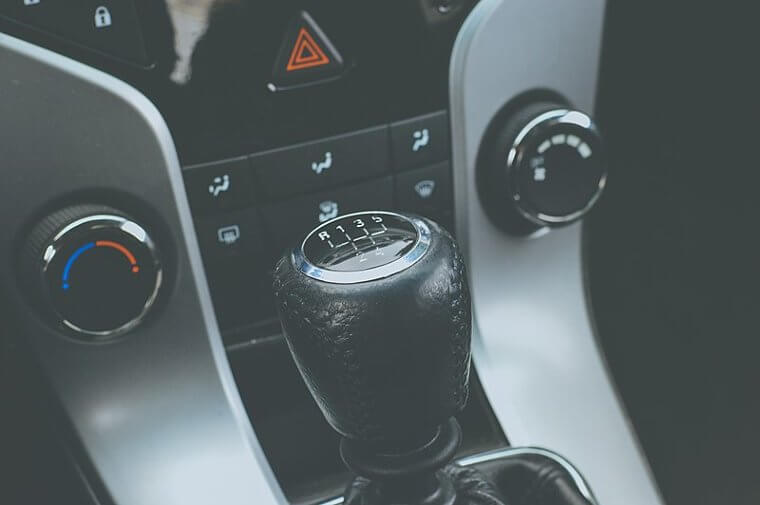
But modern automatic transmissions are extremely advanced now. With CVT gearboxes and smart shift technology, many automatics actually deliver better MPG ratings and smoother engine performance.
Myth: Red Car Owners Should Expect To Pay More For Insurance
You’ve probably heard someone say never buy a red car because car insurance rates will be higher. It sounds believable, especially with flashy sports cars often painted red.
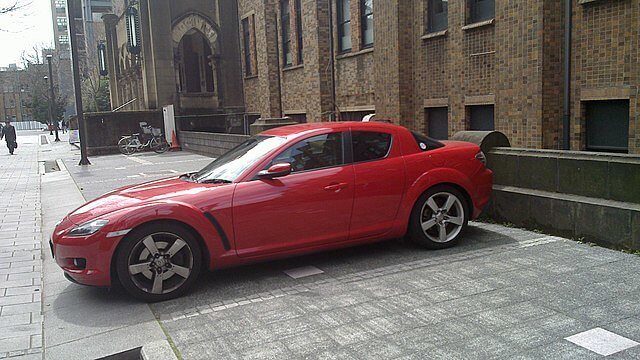
But insurance companies don’t care about color. Auto insurance premiums are calculated using things like driver age, accident history, vehicle type, and repair costs — not the paint color.
Myth: Cars Can Stop Bullets
Movies make it look like hiding behind a car door gives perfect protection from gunfire. In reality, the metal panels on most cars are pretty thin.
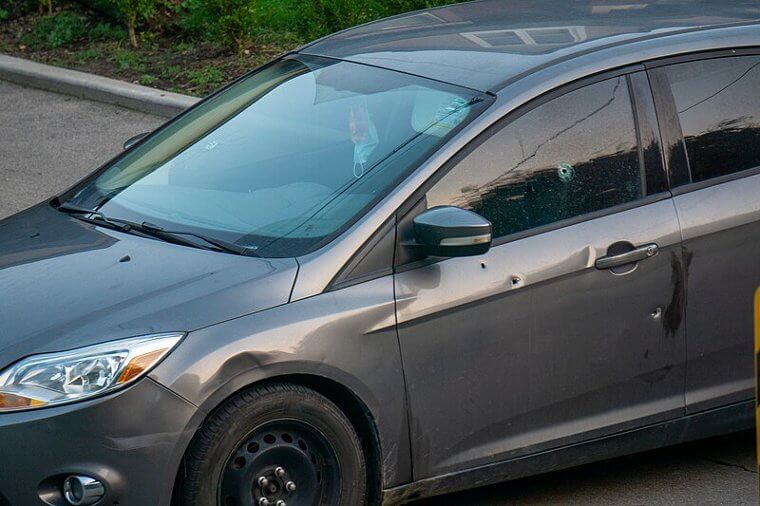
Most vehicle body panels can’t stop anything stronger than very small calibers. Parts like the engine block and wheel hubs offer better protection, but a normal car door isn’t reliable ballistic protection.
Myth: Muscle Cars Can’t Take A Turn
Classic American muscle cars built in the 60s and 70s were mostly designed for drag racing. They had huge engines but not the best handling or cornering ability.
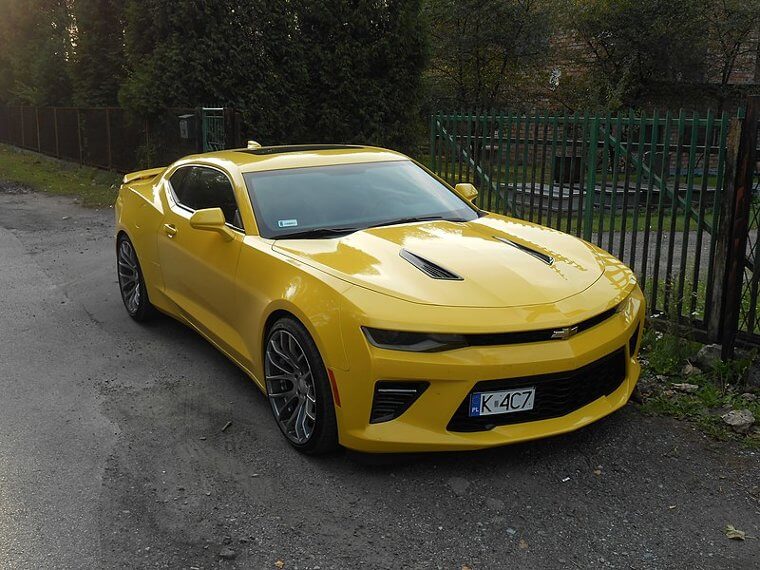
Modern muscle cars are totally different. With performance suspension systems, track tuning, and advanced traction control, today’s high-performance V8 cars can handle corners surprisingly well.
Myth: The Drive Back Is Shorter Than The Drive There
Almost everyone has felt this. The trip home always seems faster than the drive to your destination. It’s actually called the return trip effect.

Psychologists say it happens because once we know the route, our brain expects the trip to feel shorter. Our sense of travel time perception changes, especially when we’re eager to get home.
Myth: Electric Cars Are More Expensive Than Gas-Powered Cars
At first glance, electric vehicles (EVs) usually have a higher purchase price than traditional cars. That’s why many buyers assume EVs are always more expensive.
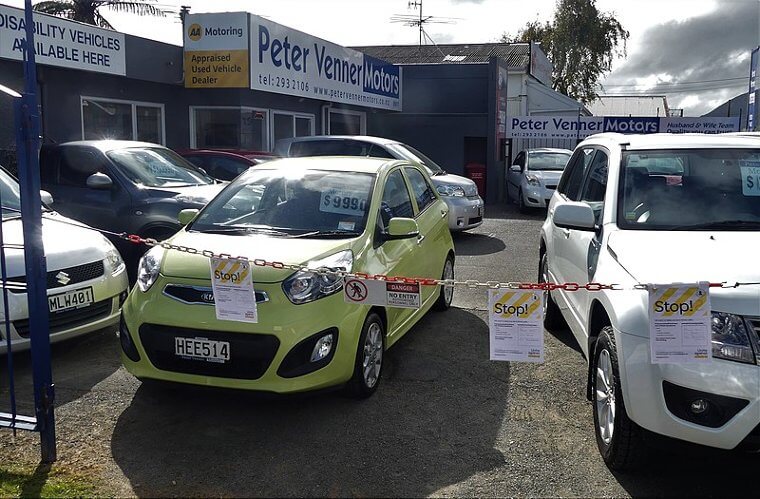
But when you factor in lower maintenance costs, cheaper electricity charging, and EV tax incentives, the overall cost of ownership can sometimes be lower than gas-powered vehicles.
Myth: The Batteries In Electric Cars Only Last A Couple Years
One of the biggest concerns people have about EV ownership is battery life. Some think the lithium-ion battery pack will fail after just a few years.
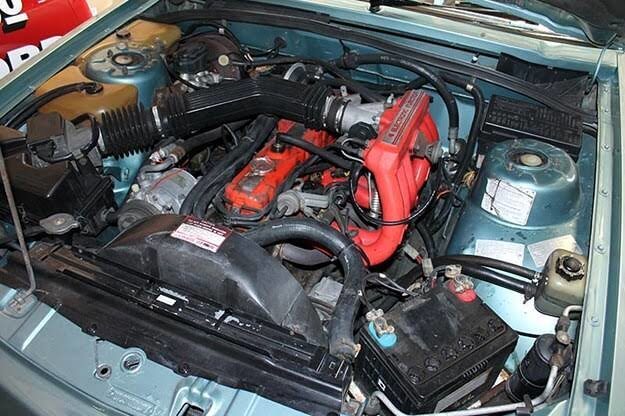
In reality, most electric vehicle batteries are designed to last 10–20 years. Many manufacturers even offer long EV battery warranties, showing confidence in their long-term battery durability. 🔋🚗
Myth: The Minerals Used In Electric Cars Are Mined By Kids
You may have seen headlines saying electric vehicle batteries rely on child labor. The reality is a bit more complicated. Most minerals used in EV battery production, like lithium and nickel, come from regulated mining operations.=

However, there have been reports of cobalt mining involving child labor in the Democratic Republic of Congo. Because of this, many EV manufacturers and battery suppliers are now tightening their ethical mineral sourcing and supply chain regulations.
Myth: Switching Lanes To Get Ahead Gets You There Faster
Some drivers constantly jump between lanes thinking it will save time. It feels like a smart traffic driving strategy, especially in heavy highway traffic.

But research on traffic flow and road congestion shows that lane switching usually doesn’t make a big difference. In many cases, staying in one lane results in almost the same average travel time.
Myth: Shooting A Vehicles Gas Tank Will Cause An Explosion
Action movies love showing cars exploding after a single bullet hits the gas tank. It looks dramatic, but real life doesn’t work like that.

Tests, including experiments by MythBusters, showed that a normal bullet hitting a vehicle fuel tank usually just causes a leak. Gasoline needs the right fuel vapor and ignition conditions to create an explosion.
Myth: Coolant Doesn’t Need Replacing
Some drivers treat engine coolant like it lasts forever. That’s a big mistake when it comes to car maintenance and engine protection.
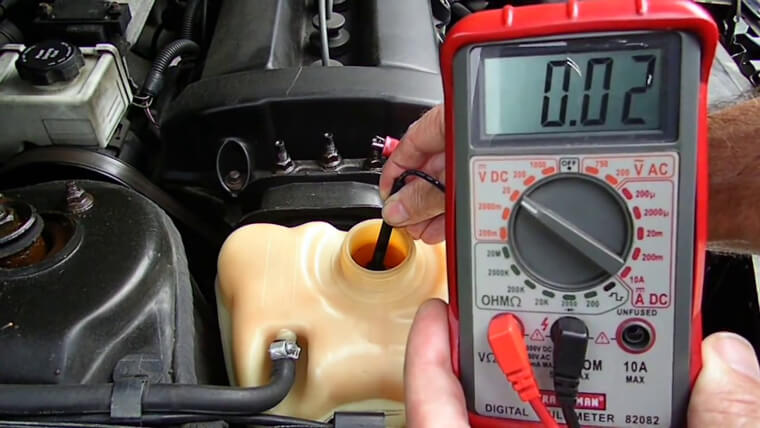
Over time, coolant loses its ability to prevent engine overheating and corrosion inside the radiator system. Mechanics usually recommend a coolant flush every 30,000 miles or around five years.
Myth: Nitrogen Is Better For Your Tires Than Air
You might see shops offering nitrogen tire inflation instead of normal compressed air. The claim is that nitrogen improves tire performance and tire pressure stability.
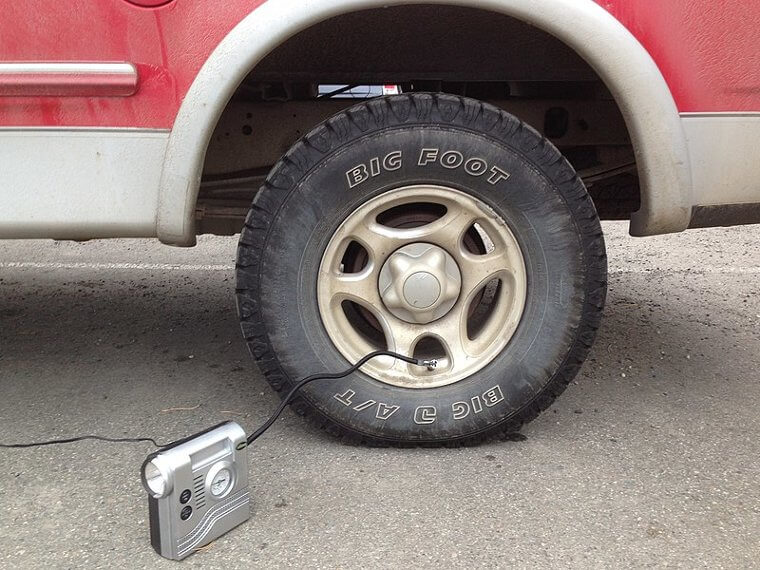
There’s some truth here. Nitrogen leaks more slowly and contains less moisture. But for most everyday drivers, regularly checking tire pressure and tire maintenance matters far more than paying extra for nitrogen.
Myth: A Car Battery Lasts Upwards Of Five Years
Many drivers assume a car battery lifespan is guaranteed to reach five years. In reality, most 12-volt automotive batteries last somewhere between three and five years.
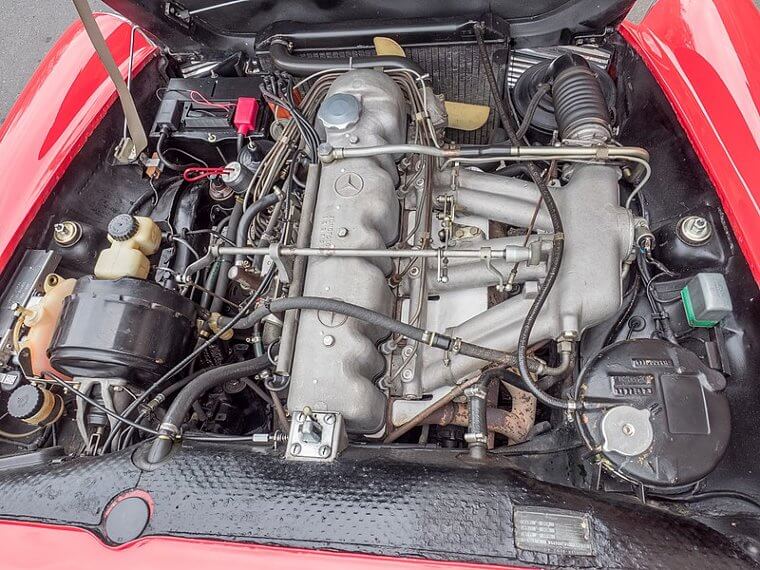
Things like extreme weather, driving habits, and electrical system load can shorten battery life. If your battery is over three years old, it’s smart to test it during routine vehicle maintenance. 🔋🚗
Myth: Tires Don’t Need To Be Replaced Until They Hit 2/32
Many drivers think they only need to replace tires when the tire tread depth hits 2/32 inches. That’s the legal limit in many places, but it’s not always the safest point to wait for.
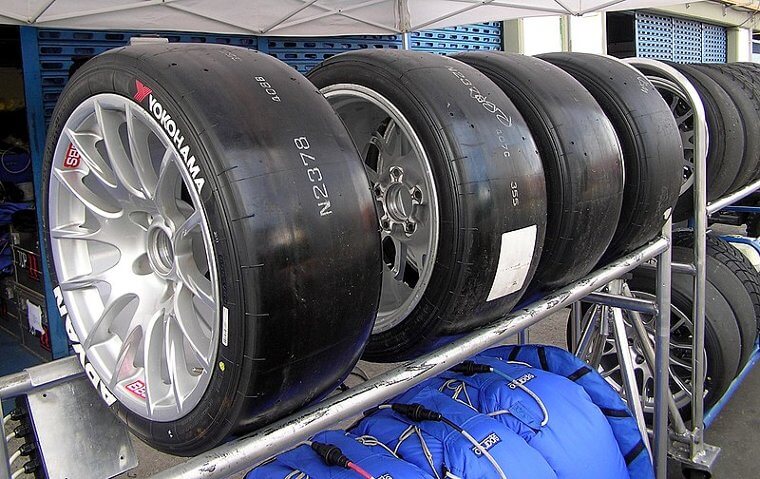
Studies from AAA show that wet road traction and braking performance drop a lot before that level. Many experts recommend replacing tires around 4/32 tread depth for better road grip and driving safety.
Myth: Convertibles Are Death Traps
A lot of people believe convertible cars are unsafe because they don’t have a solid roof. It sounds logical since removing the top might seem like losing vehicle structural strength.

But modern automotive safety engineering has changed things. Most new convertibles include reinforced frames, rollover protection, and safety roll bars, making them just as safe as many hardtop vehicles.
Myth: Bigger Engines Automatically Mean More Power
Years ago, a bigger engine usually meant more horsepower and performance. Large V8 engines dominated the roads because they produced massive power.
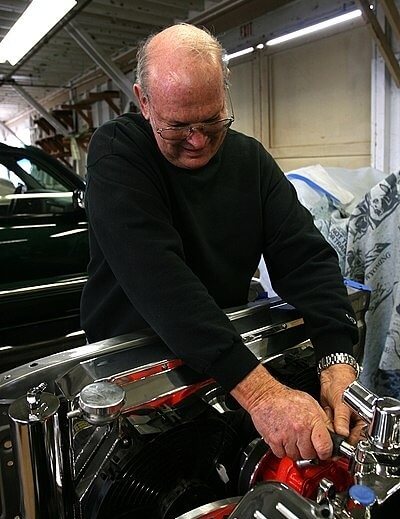
Today things are different. Smaller engines with turbochargers, superchargers, and advanced fuel injection systems can produce impressive engine performance and acceleration, sometimes matching larger engines.
Myth: AWD And 4WD Cars Break Better Than 2WD Cars
Many people assume all-wheel drive (AWD) or four-wheel drive (4WD) vehicles stop faster in emergencies. The logic is that more driven wheels must mean better braking.
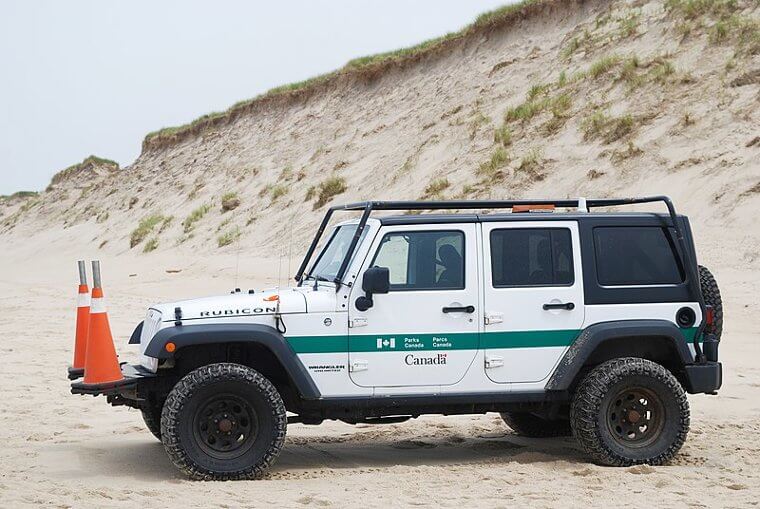
But braking actually depends on brake system performance and tire grip, not drivetrain type. Whether it’s AWD, 4WD, or front-wheel drive vehicles, every car still relies on the same brake rotors, pads, and tire traction.
Myth: ABS Is Better For Stopping On A Dime
Most modern vehicles come with ABS braking systems. Many drivers think ABS automatically shortens emergency braking distance in every situation.
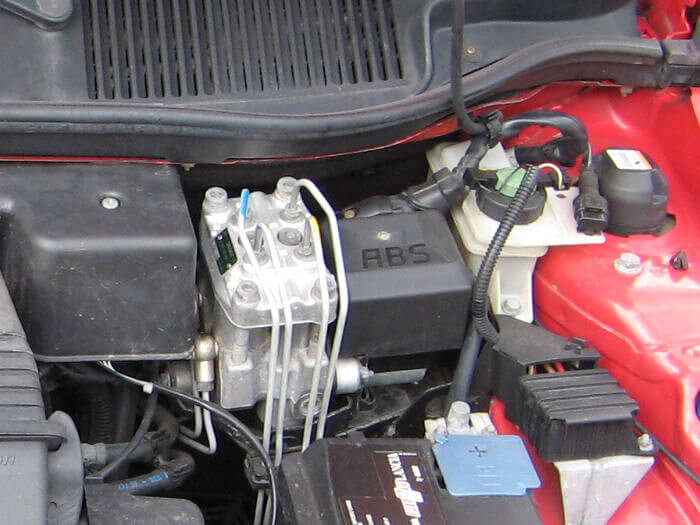
In reality, anti-lock braking systems mainly help drivers keep steering control during hard braking. They can shorten stopping distance on wet or slippery roads, but on dry pavement the difference is often small.
Myth: Should You Underinflate Your Tires For A Smoother Ride?
Some drivers intentionally reduce tire pressure hoping for a smoother ride. Technically, slightly softer tires may feel less bumpy.
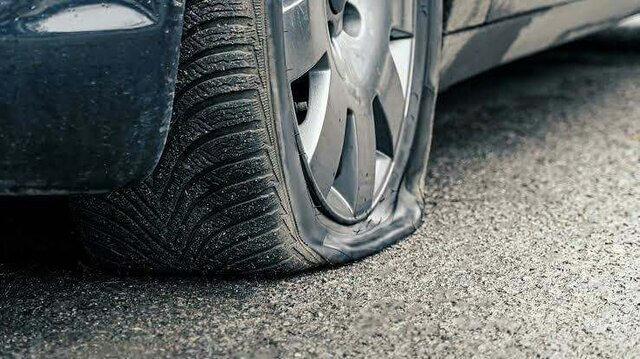
But underinflated tires create more friction and heat, which can damage the tire. It also increases the risk of tire blowouts and uneven tire wear, making it bad for both vehicle safety and fuel efficiency.
Myth: A Quick Jump Can Fully Revive A Dead Battery
Many people believe a quick car battery jump start completely fixes a dead battery. In reality, a jump only provides enough power to start the engine.
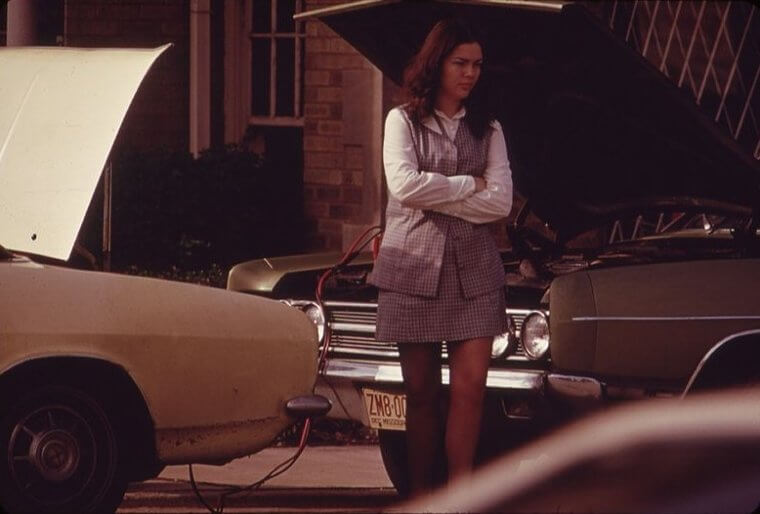
After that, the vehicle alternator slowly recharges the battery while driving. If the battery keeps dying, it may need a battery replacement or proper battery charger to restore full power. 🔋🚗
Myth: Coolant Needs To Be Changed With Your Oil
Some drivers think engine coolant needs replacing every time they get an oil change service. That’s not really necessary and most mechanics will tell you the same thing.
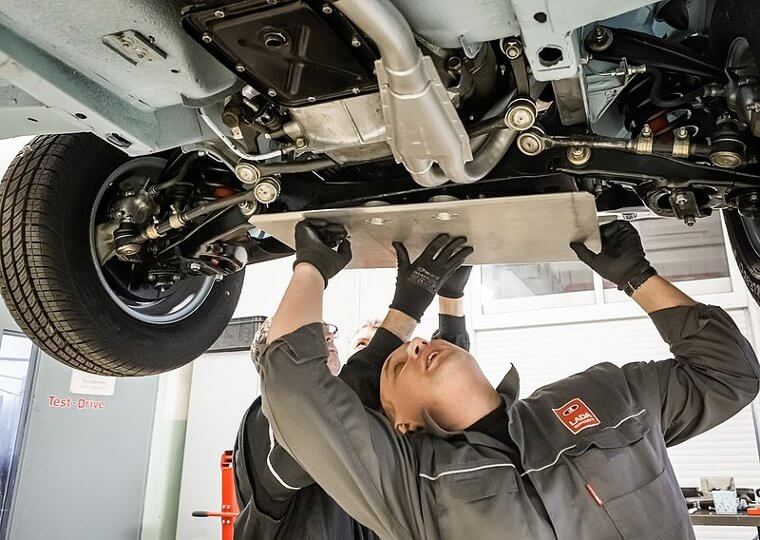
In most vehicles, coolant flush service is only needed about every 30,000 miles or five years. The important thing is checking coolant levels and radiator system health regularly to avoid engine overheating.
Myth: Cars Need To Warm Up Before Driving In Cold Temperatures
A lot of people still let their cars idle for several minutes in winter. This habit comes from older carbureted engines, which actually needed time to warm up before driving.
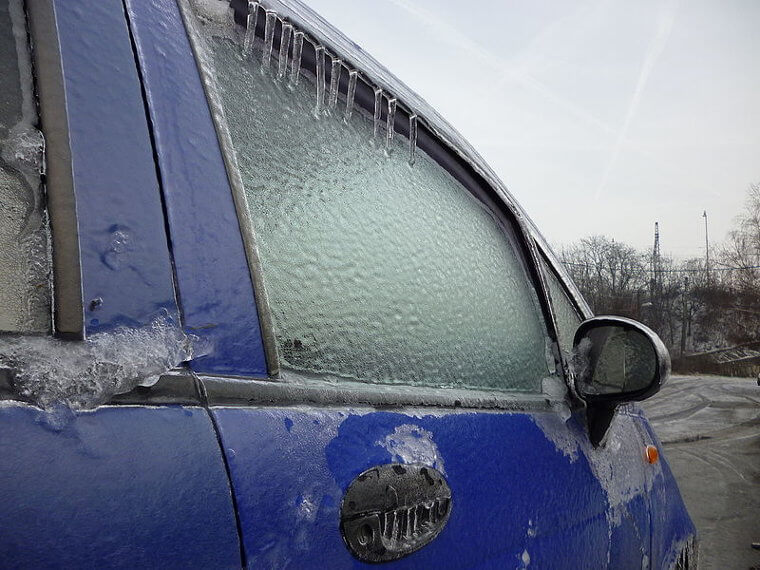
Modern cars use fuel-injected engines and smart engine control systems, so they’re ready to drive almost immediately. Just start the car, give it a few seconds, and drive gently until the engine temperature rises.
Myth: 4WD Vehicles Don’t Need Snow Tires
Many drivers believe having four-wheel drive (4WD) means they don’t need winter tires. While 4WD improves acceleration in snow, it doesn’t magically improve tire grip on icy roads.

Good snow tires or winter tires are still essential for safe driving. They’re designed with special rubber compounds and deep tread patterns that provide much better traction in snow and ice.
Myth: Vehicles Have To Be Serviced At Dealerships To Maintain Warranty
Some dealerships make it sound like you must do all vehicle maintenance services at their shop to keep the warranty valid. That’s actually not true.

Thanks to the Magnuson-Moss Warranty Act, you can get oil changes, brake service, and routine car maintenance done at any qualified mechanic. As long as proper auto service records are kept, your vehicle warranty stays protected.
Myth: All Four Tires Have To Be Replaced Every Tire Change
Buying new tires can be expensive, so this myth scares a lot of car owners. Many people believe every tire replacement service requires changing all four tires at once.
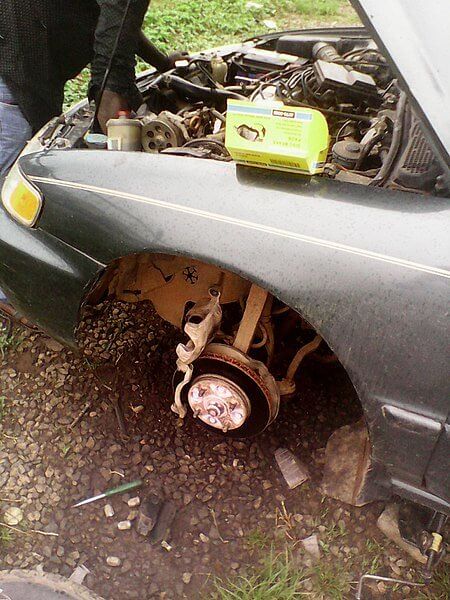
For most front-wheel drive or rear-wheel drive vehicles, replacing two tires is usually fine. But with all-wheel drive (AWD) systems, all four tires often need matching tire size and tread depth to avoid damaging the drivetrain. 🚗