We’ve all heard the car myths that circulate—some from well-meaning friends, others from outdated advice. But not all of these widely believed “facts” are true, and some can even harm your vehicle in the long run. Mechanics, the real experts under the hood, wish you knew better. In this article, we’ll debunk the most common car myths mechanics wish you’d stop believing and set the record straight so you can take better care of your ride. Let’s get rid of these myths once and for all!
The Car’s Fuel Gauge Is 100% Accurate
That little fuel needle might seem like a reliable guide, but it’s not always spot on. Fuel gauges can be affected by things like your car’s incline, the weather, and even how much gas is in the tank. If you’re running low, don’t trust it too much. It’s always a good idea to fill up early and avoid the stress of running out of gas.
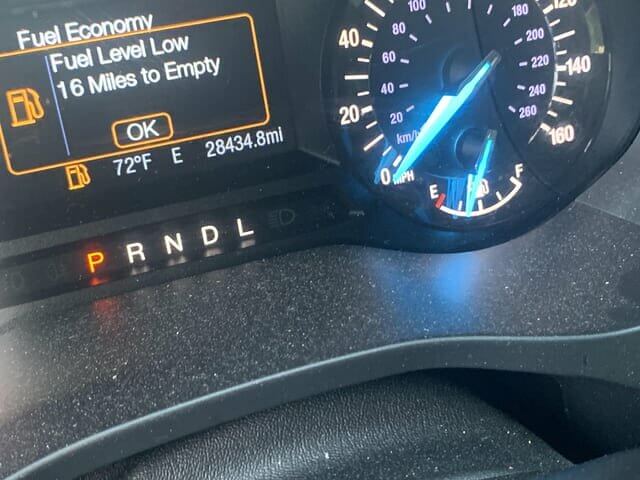
Mechanics always remind us that the gauge is more of an estimate. Things like sensor wear or electrical glitches can throw it off, so don’t rely on it entirely. Trust your gut instead of waiting for the last drop.
Premium Fuel Makes Your Car Run Better
Sure, premium fuel sounds fancy, but unless your car’s engine really needs it, you’re just wasting your cash. Regular unleaded works just fine for most vehicles. Premium fuel is designed for high-compression engines, not everyday cars.
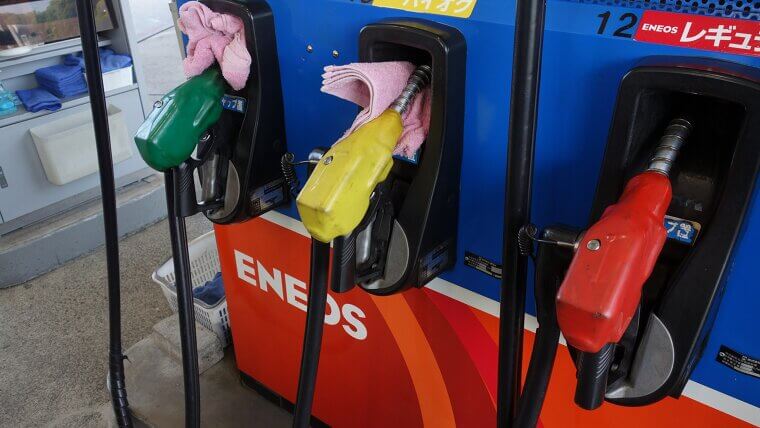
Mechanics will tell you that using premium gas in a car that doesn’t need it won’t boost performance or clean your engine. It’ll just lighten your wallet, so stick to what’s recommended and save the extra bucks for something more useful.
Idling Wastes Less Gas Than Restarting Your Engine
Think leaving your car running while you wait saves gas? Not quite. Modern engines actually burn less fuel when restarted than when idling for long periods. So, if you’re waiting more than 10 seconds, just turn the engine off.
Idling not only wastes gas, but it also puts extra wear on your engine and increases emissions. Mechanics recommend shutting off the engine during long stops to save fuel, reduce engine strain, and keep your car eco-friendly.
You Need to Warm Up Your Car Before Driving in Winter
Gone are the days when you had to wait for your car to warm up before hitting the road in winter. Modern engines heat up much faster while driving, so just start the car and go. Prolonged idling can actually hurt your engine.
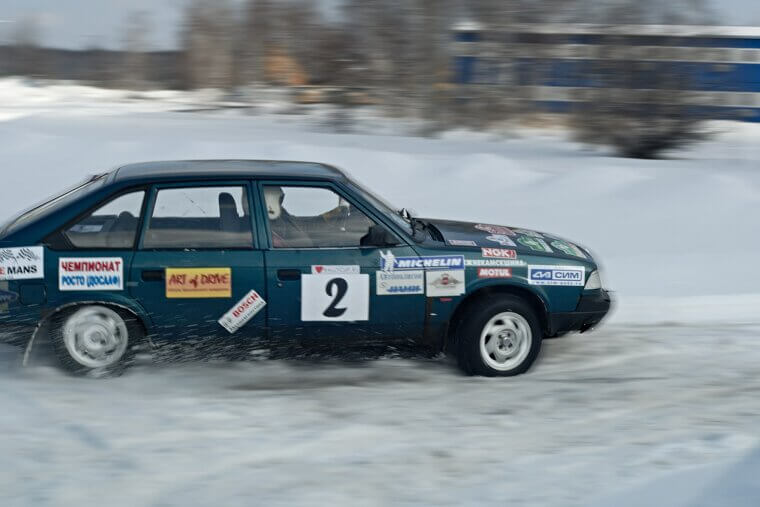
Mechanics say that driving gently after starting your car helps spread the oil evenly, while warming up the cabin quickly. Skip the waiting and get moving—it’s better for your car and your wallet.
Bigger Tires Improve Your Car’s Performance
Big tires may look awesome, but they can mess with your car’s performance. Larger tires increase rolling resistance, which means your engine has to work harder, and they mess with your fuel efficiency. Plus, they can throw off your speedometer and mileage readings.
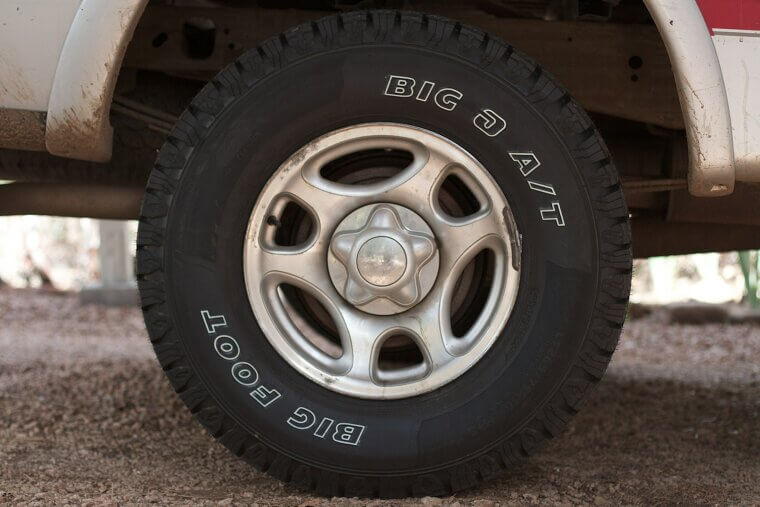
Mechanics warn that oversized tires can strain your suspension, brakes, and transmission. Stick with the recommended tire size for a smoother, more efficient ride. Bigger isn’t always better—especially when it comes to tires!
You Shouldn’t Use Your Car’s AC in the Cold
It’s a common belief that you should only use your AC in hot weather, but that’s not true. Your car’s climate control system is meant to work year-round. In fact, running the AC in the winter can help defog your windshield and remove moisture from the air.
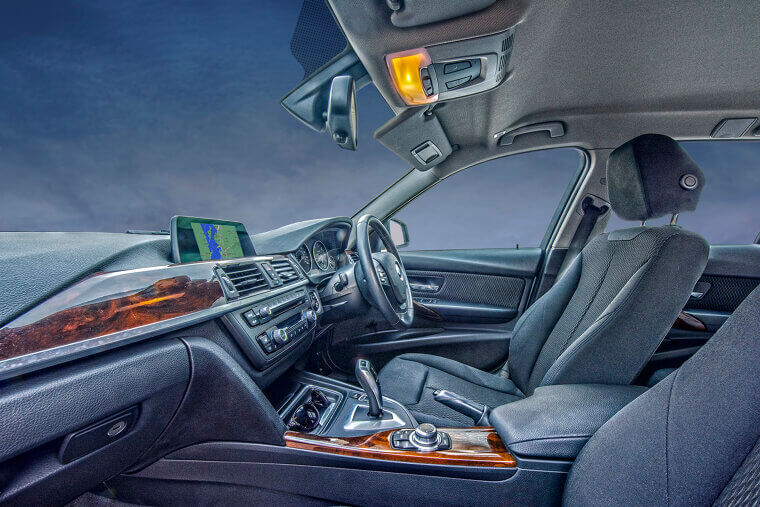
Mechanics also recommend using the AC occasionally in the cold to keep the system’s seals lubricated. This helps prevent cracking or drying out, which can save you from costly repairs down the road.
Automatic Transmissions Don’t Need Maintenance
Automatic transmissions are all about convenience, but don’t forget they still need maintenance. Regular fluid changes are necessary to keep your transmission running smoothly. Neglecting this can cause slipping gears, overheating, and even expensive repairs.
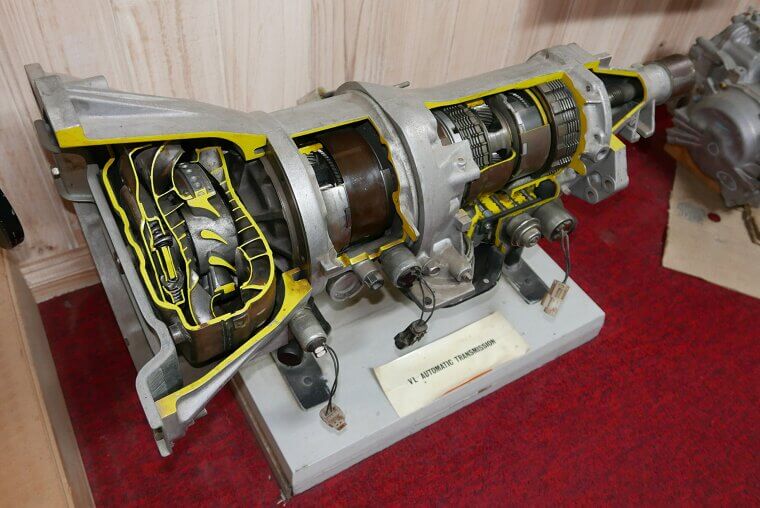
Mechanics often stress the importance of following your manufacturer’s recommended maintenance schedule. Changing the fluid on time can help prevent costly issues and extend the life of your transmission.
A Car Battery From Another Car Will Charge Your Dead Battery
Jump-starting your car may seem like an easy fix, but it’s only a temporary solution. If your battery is dead, it’s probably time for a replacement. Relying on jump-starts repeatedly can damage your car’s electrical system, leaving you stuck again soon.
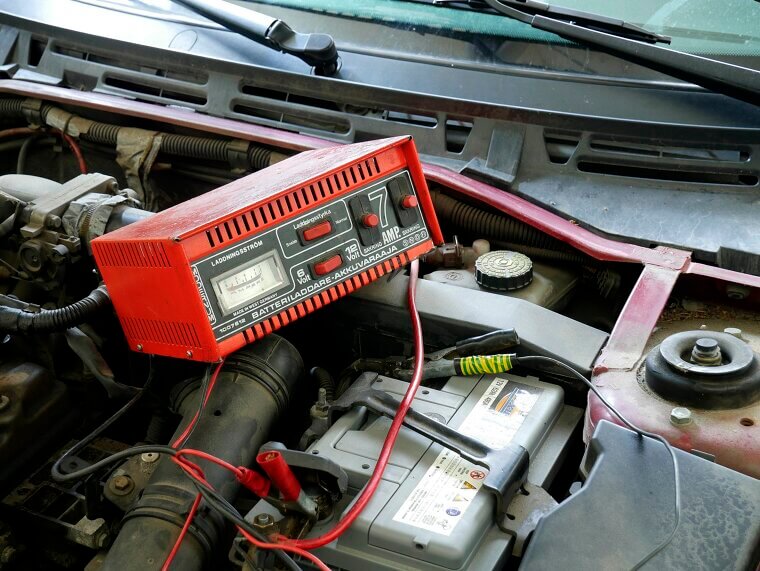
Mechanics remind us that a jump-start only provides enough power to turn on your engine—it doesn’t fully recharge a failing battery. Keep an eye on your battery’s health to avoid unexpected breakdowns.
More Horsepower Means Better Performance
More horsepower sounds great, but it doesn’t automatically mean your car will perform better. A high horsepower number doesn’t guarantee a better ride if other factors like torque, aerodynamics, and weight aren’t in balance. Too much horsepower can actually make a car harder to control.

Mechanics also point out that handling, suspension tuning, and tire grip are just as important, if not more so, for a smooth, safe driving experience. Focus on the overall balance rather than just horsepower numbers.
Thicker Oil Is Always Better
Thicker oil might sound like a good idea, but it’s not always the best choice for your engine. Each car is designed for a specific oil viscosity, and using the wrong one can reduce performance, hurt gas mileage, and cause unnecessary wear. Stick to the recommended oil for the best results.
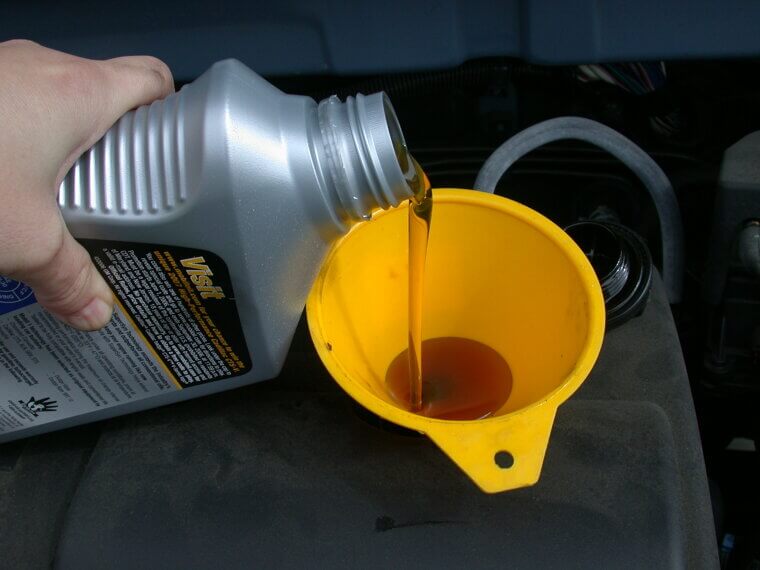
Mechanics explain that oil needs to flow smoothly to lubricate your engine properly. Thicker oil can struggle to circulate when it’s cold, while thinner oil may break down under heat, leading to damage.
Red Cars Get Pulled Over More Often
You’ve probably heard that red cars are more likely to get pulled over by cops, but that’s just a myth. Studies show that the color of your car doesn’t influence how often you get stopped. Speeding or reckless driving? That’s what gets attention.
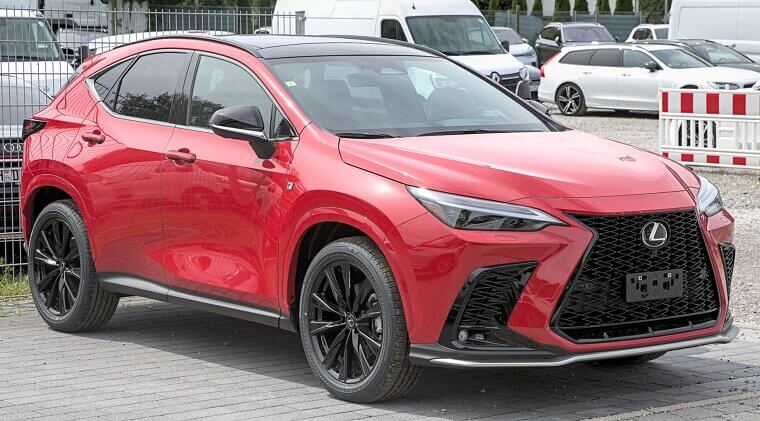
Mechanics and insurance experts agree that your driving habits and your vehicle’s make and model are much bigger factors in getting pulled over. So, pick the car color you like—just drive responsibly!
Premium Oil Is Always Worth the Extra Cost
Premium oil might sound fancy, but it’s often unnecessary for most cars. Unless your vehicle specifically requires it (like a performance engine), regular synthetic oil is just as good and a lot cheaper.
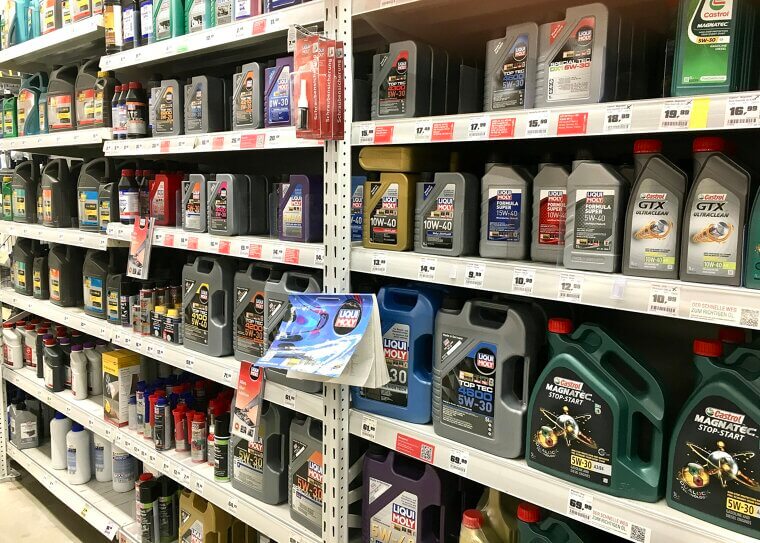
Mechanics recommend focusing on the right oil grade and changing it at the correct intervals. Using premium oil when it’s not required won’t provide any extra benefits—it just boosts your maintenance costs.
You Can’t Drive With a Check Engine Light On
That little check engine light can be pretty alarming, but it doesn’t mean you need to stop driving immediately. It could be something minor, like a loose gas cap, or something more serious. Don’t panic—just get it checked soon.
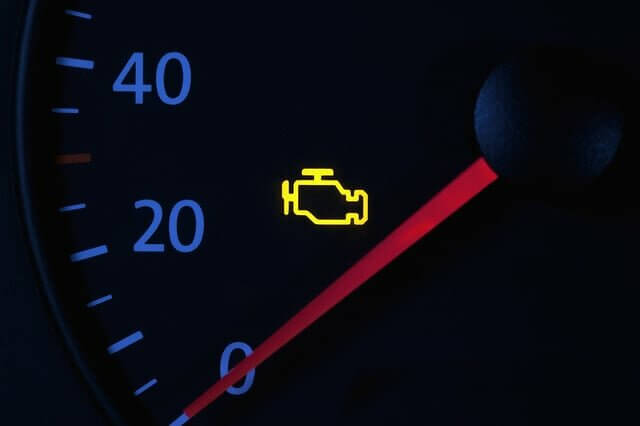
Mechanics advise that if your car feels fine, it’s usually okay to drive for a while. But if you notice things like shaking, loss of power, or flashing lights, that’s a sign to pull over and get help immediately.
Your Car’s Engine Will Overheat if You Run It Without Coolant
Running your car without coolant is a big deal, but it won’t cause an immediate meltdown. However, driving for long periods without coolant can cause severe engine damage. Even a short drive without it can create hot spots that can warp engine parts, crack the head gasket, or damage the radiator.
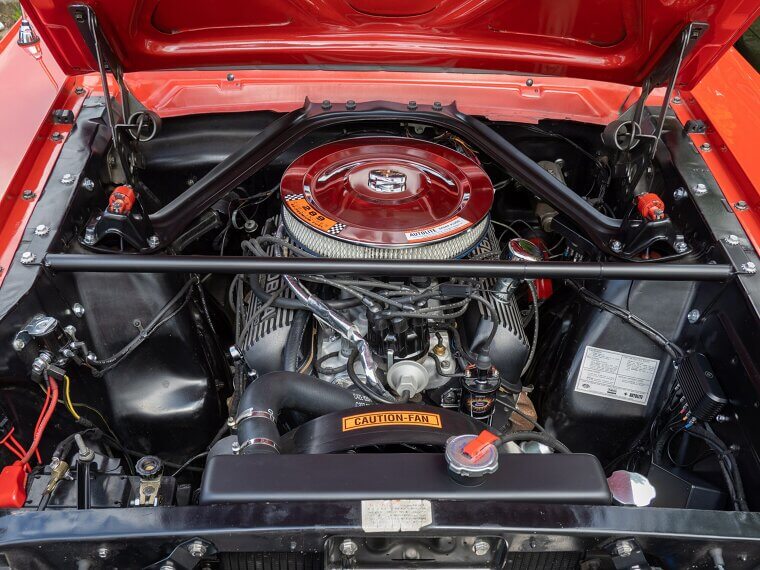
Mechanics warn that it’s always better to stop and check your coolant levels if you’re low. Addressing leaks or topping up coolant as needed will help prevent costly repairs down the road and keep your engine running smoothly.
You Can Wait to Change Your Brake Pads Until You Hear Squealing
Hearing your brakes squeal doesn’t mean you can delay changing them. While squeaky brakes might not scream “emergency,” they are a sign that your car needs attention. Waiting too long to change worn brake pads can damage the rotors, leading to even more expensive repairs.
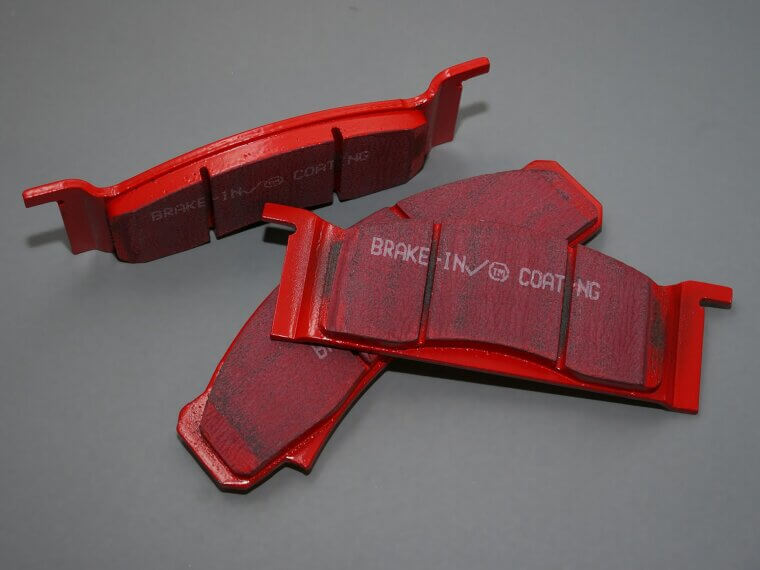
Mechanics also point out that some brake pads don’t make noise when they’re worn out. Regular brake inspections are crucial to keeping them safe and avoiding costly fixes later on.
You Can Ignore Tire Rotation
Skipping tire rotation might seem like a small thing, but it’s essential for even tire wear and longevity. If you don’t rotate your tires, they can wear unevenly, which affects handling and safety. Regular rotations also improve fuel efficiency and help maintain proper traction.
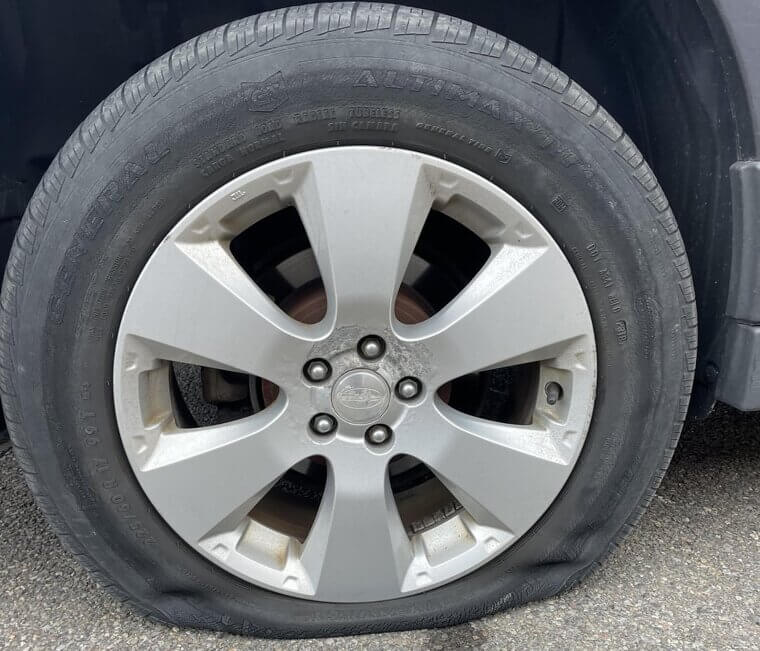
Mechanics emphasize that skipping tire rotation can also void your car’s warranty. So, make sure to stay on top of it to save money and avoid costly tire replacements down the line.
Oil Consumption Means You Need a New Engine
Seeing a little oil consumption doesn’t mean your engine is on the brink of failure. Many cars, especially older ones, use some oil over time. It’s important to keep an eye on oil levels and top it up as needed. Excessive oil consumption might be a red flag, but small amounts are usually normal.
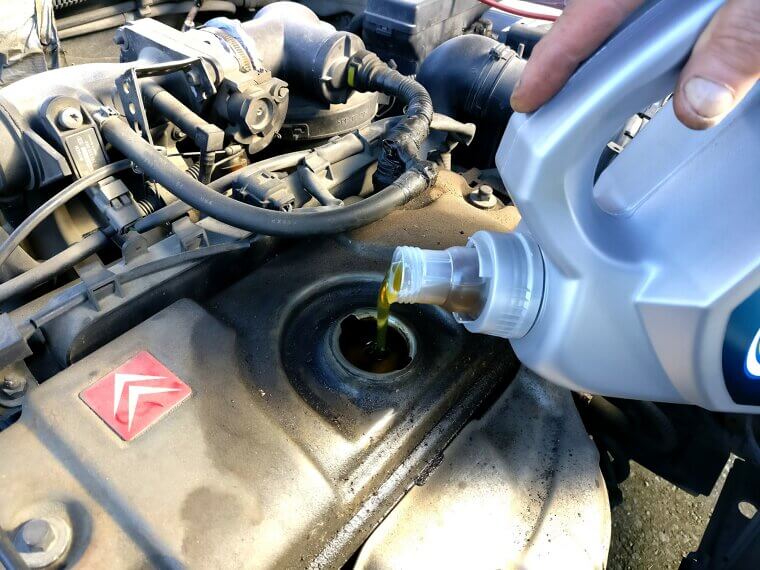
Mechanics explain that factors like engine design, age, mileage, and driving habits all influence how much oil your car consumes. Regular oil changes and checks can prevent minor consumption from becoming a bigger problem.
All Gas Stations Are Created Equal
Not all gas stations offer the same fuel. Some stations add special detergents or chemicals to their fuel that help keep your engine clean. These additives can reduce carbon buildup and improve your car’s long-term performance.
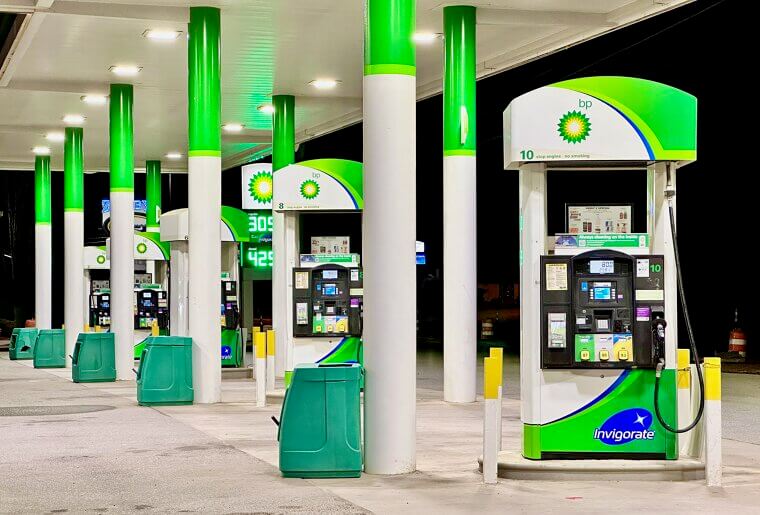
Mechanics often recommend choosing “Top Tier” gas brands, which meet higher standards for engine-cleaning additives. Over time, using better fuel quality can boost your car’s performance and keep your engine running smoother for longer.
You Should Replace Your Air Filter Every 12,000 Miles
The 12,000-mile air filter replacement rule is just a guideline—it’s not one-size-fits-all. If you’re driving in dusty or heavy traffic, you might need to change your filter sooner. But if you mainly drive on highways, your filter could last longer.
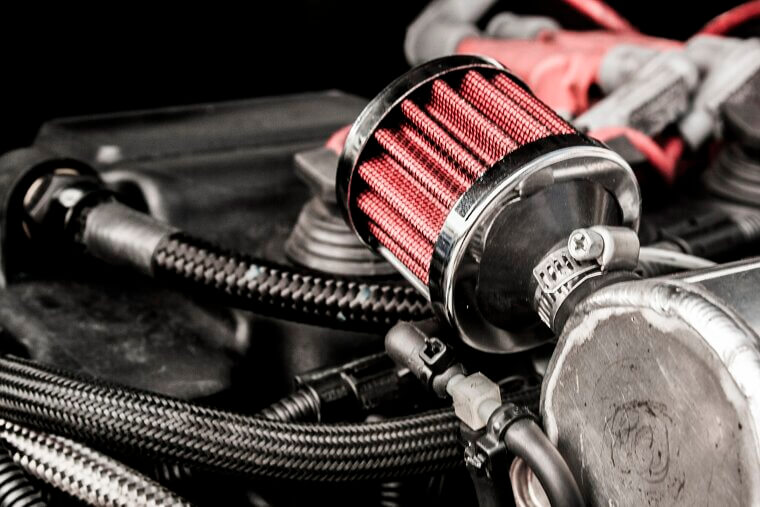
Mechanics advise checking your air filter during oil changes to keep track of dirt buildup. A clean filter not only improves engine performance but also boosts fuel efficiency and reduces emissions.
You Shouldn’t Drive Through Puddles
While it’s true that driving through deep puddles can damage your car, a small splash here and there won’t hurt your ride. The engine’s air intake is designed to keep water out, so avoid only the deep, flooded puddles that can damage electrical systems.
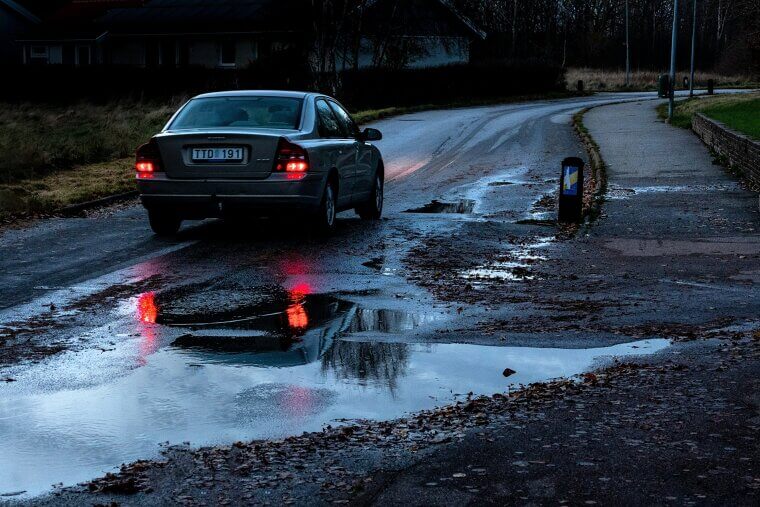
Mechanics recommend driving slowly through puddles when in doubt, and always check your brakes afterward. Repeated exposure to deep water can cause brake issues, wheel bearing damage, or even hydrolock if the water reaches the engine.
You Can’t Drive With a Bent Frame
A bent frame doesn’t always mean your car is doomed, but it’s not something to ignore. Small bends can be repaired by professionals, but if the damage is severe, it can compromise your car’s safety. Even minor frame damage can throw off wheel alignment, tire wear, and handling.
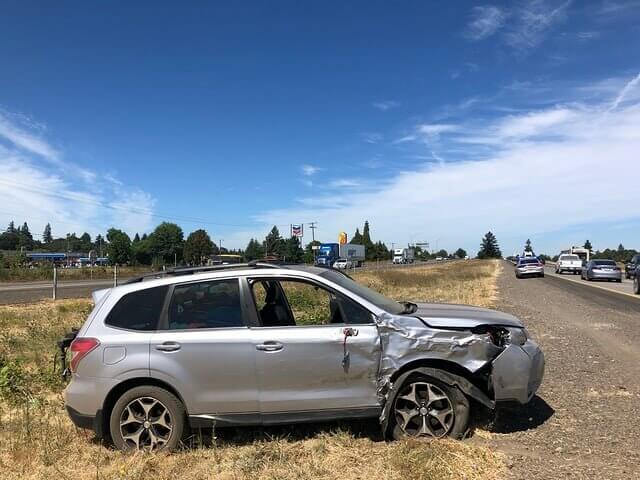
Mechanics warn that driving with a bent frame could lead to bigger safety issues down the road, so it’s smart to get it inspected right away. Addressing the problem early could save you from costly repairs and potential safety hazards.
You Should Change Your Oil Every 3,000 Miles
The 3,000-mile oil change rule is outdated. Modern oils and engines are designed to last longer, with some vehicles only needing an oil change every 5,000 to 10,000 miles. Always check your owner’s manual for specific maintenance recommendations.
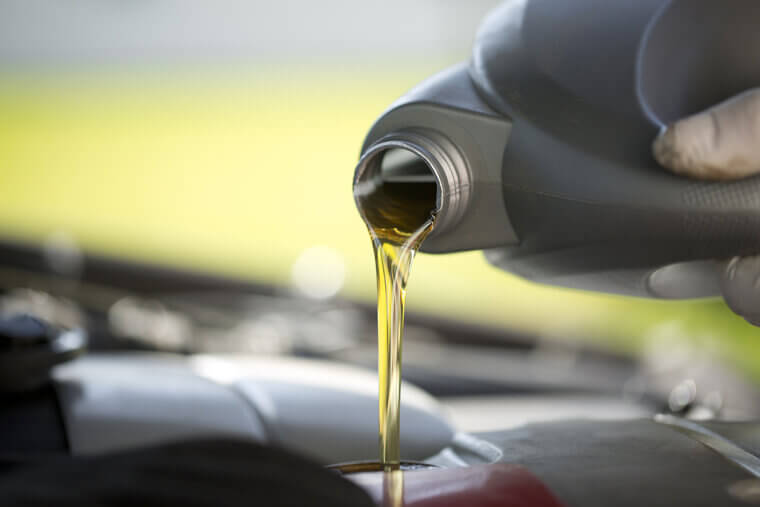
Mechanics also remind us that driving habits, climate, and the type of oil (synthetic or conventional) all affect how often you should change your oil. Sticking to the right schedule will save you money, maintain engine performance, and help protect the environment.
New Cars Don’t Need Break-In Periods
You might think new cars are good to go from the moment you drive off the lot, but that’s not entirely true. While modern engines don’t need the strict 500-mile break-in period of old, they still benefit from a bit of gentle driving.

Mechanics recommend avoiding heavy acceleration and hard braking during the first few hundred miles. Moderately varying your speed and avoiding towing can help engine parts, brakes, and tires settle in, leading to better performance and a longer-lasting car.
You Can Ignore Low Tire Pressure
Low tire pressure is a bigger issue than it seems. Driving with underinflated tires can reduce fuel efficiency, cause uneven tire wear, and even lead to blowouts. Regularly check your tire pressure, especially in colder months when it can drop quickly.
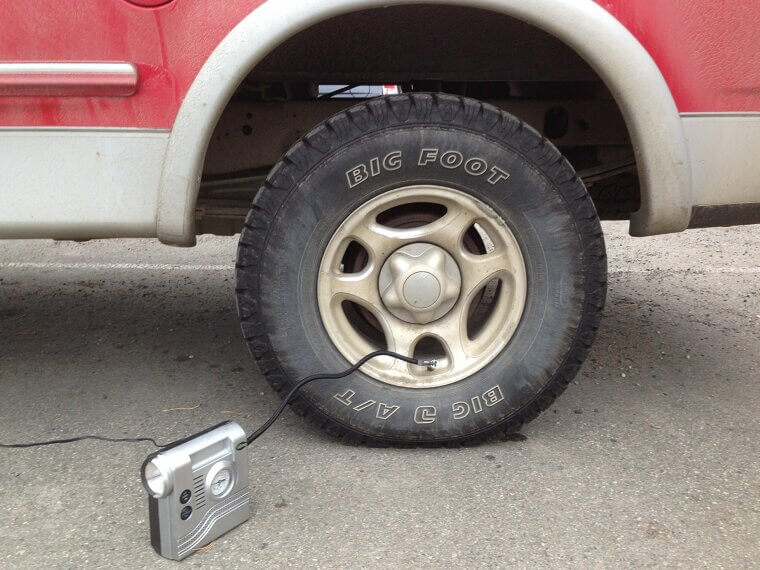
Mechanics stress that proper tire inflation is key to safety and performance. It affects everything from braking distance to overall handling, so keep those tires in check to avoid dangerous or costly issues.
Car Batteries Only Last for 3 Years
It’s true that many car batteries only last about 3 years, but that’s not a hard rule. Some batteries can last up to 5 years or more, depending on the car make and the climate. If you notice slow engine starts or dimming lights, it might be time for a new battery.
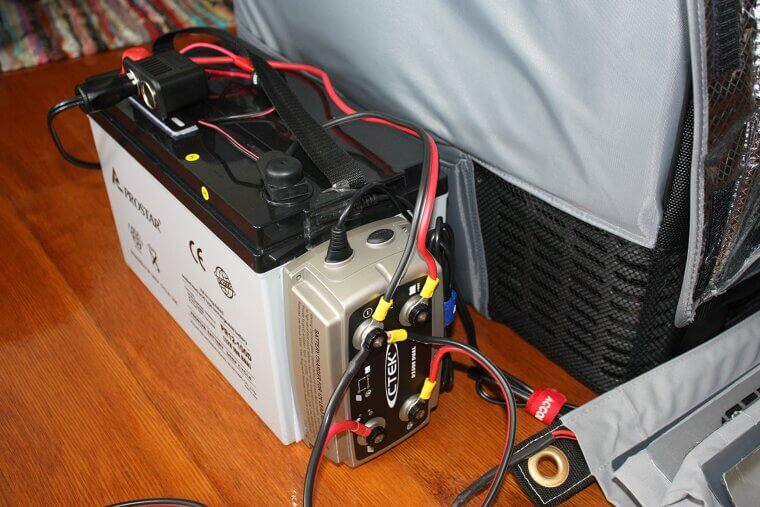
Mechanics recommend testing your battery during routine maintenance to ensure it’s still in good condition. Extreme weather, short trips, and corrosion can shorten a battery’s life, so regular checks can help you avoid being left stranded.
Synthetic Oil Is Just a Marketing Gimmick
Synthetic oil is not just a marketing gimmick—it’s a high-performance solution for your engine. Unlike conventional oil, synthetic oil is engineered to last longer, handle extreme temperatures, and provide better engine protection. It’s especially beneficial for high-performance or heavy-duty vehicles.
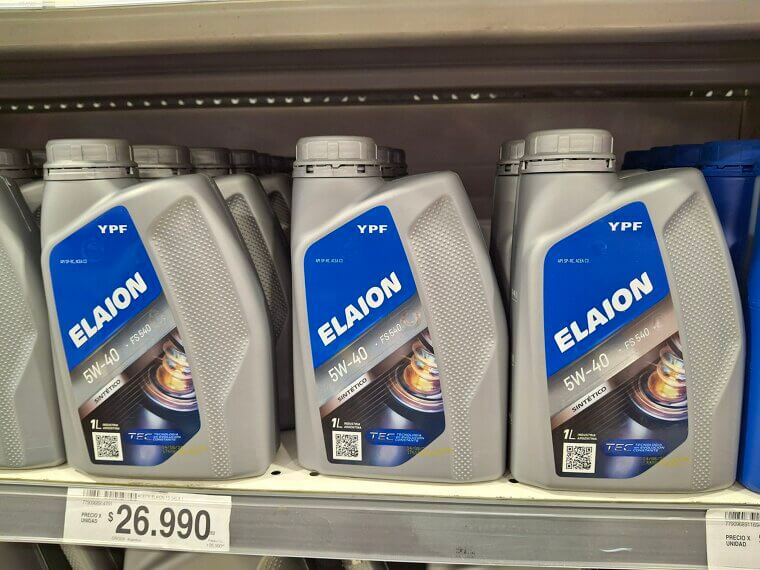
Mechanics explain that synthetic oil resists breakdowns, reduces sludge buildup, and improves fuel efficiency. Even everyday cars can benefit, particularly in extreme climates or heavy traffic, making it a smart choice for many drivers.
You Can Drive With a Flat Tire for a Short Time
Driving on a flat tire, even for a short distance, is never a good idea. It can damage the tire beyond repair, mess with your car’s alignment, and even cause a blowout. If you notice a flat, pull over safely and get it replaced or call for roadside assistance.
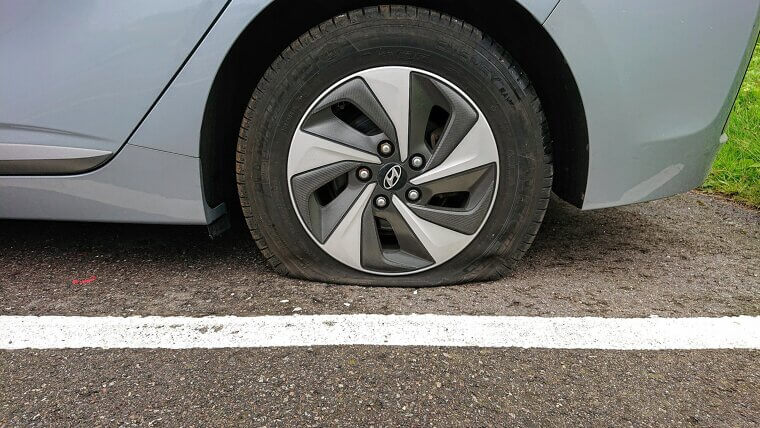
Mechanics warn that driving on a flat can harm the wheel rim and suspension components, leading to expensive repairs. It’s always better to stop immediately and fix the problem than risk further damage.
Changing the Spark Plugs Will Solve All Engine Problems
Spark plugs are important, but they’re not the cure-all for every engine issue. While bad spark plugs can cause engine misfires, they aren’t the only thing that can go wrong. Fuel injectors, sensors, and wiring can also lead to engine problems. Replacing spark plugs might help, but it’s not always the magic fix.
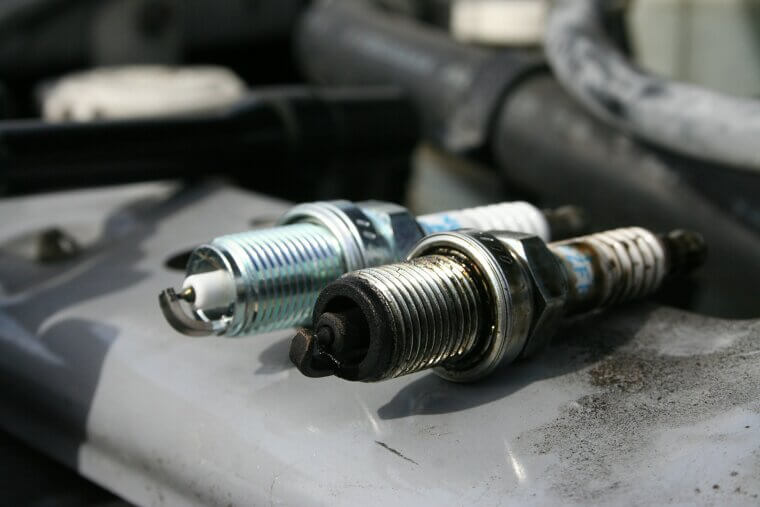
Mechanics stress that proper diagnostics are key to identifying the real problem. Replacing spark plugs without checking other components can lead to wasted money and time if the issue lies elsewhere in the system.
You Should Never Use Aftermarket Parts
Think aftermarket parts are always a no-go? Think again. Many aftermarket parts, like air filters, brake pads, and headlights, are just as reliable as expensive OEM parts. As long as they meet quality standards, they can perform just as well—or sometimes even better—while saving you cash.
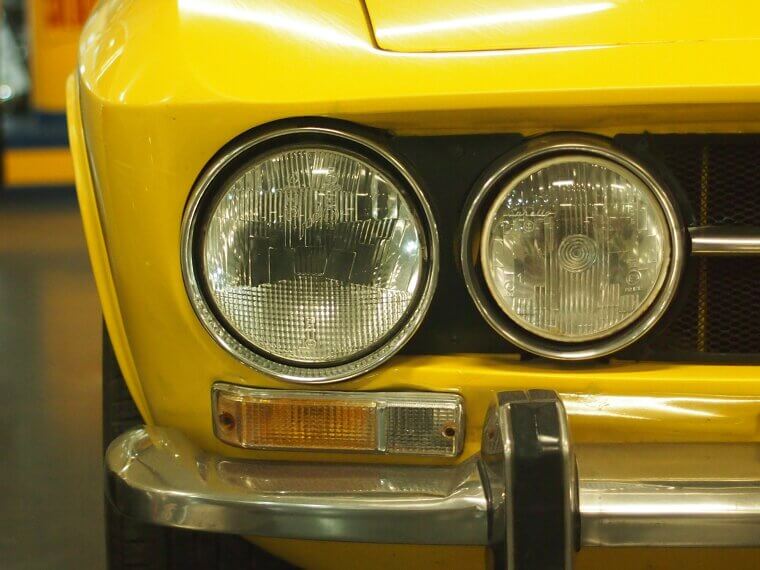
Mechanics often recommend reputable aftermarket brands for drivers looking to save money without sacrificing quality. Just make sure to do your research—low-quality aftermarket parts can cause fitment issues and wear out faster, costing you more in the long run.
You Don’t Need to Change the Timing Belt Until It Breaks
Waiting for your timing belt to snap is a bad idea. Timing belts do a vital job, and when they fail, they can destroy your engine. Most timing belts should be replaced between 60,000 to 100,000 miles. Don’t risk it—get yours checked and replaced before it breaks.
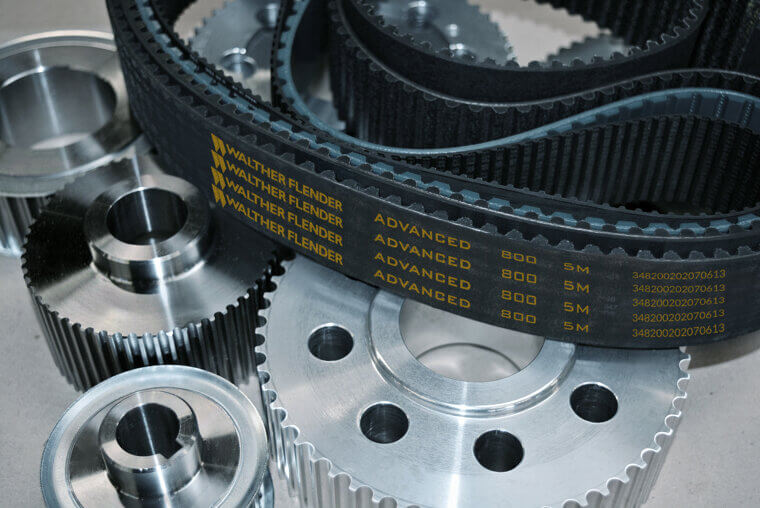
Mechanics warn that if the timing belt snaps, it could bend valves, damage pistons, and lead to expensive repairs. Preventive maintenance saves you from breakdowns and keeps your engine in good shape for years.
A High-Speed Run Helps “Clear Out” the Engine
You might think a high-speed run will clear carbon build-up and clean out your engine, but that’s actually a myth. Pushing your car too hard can cause overheating and accelerate engine wear. Instead of taking it to top speed, regular maintenance and good driving habits do a better job of keeping things running smoothly.
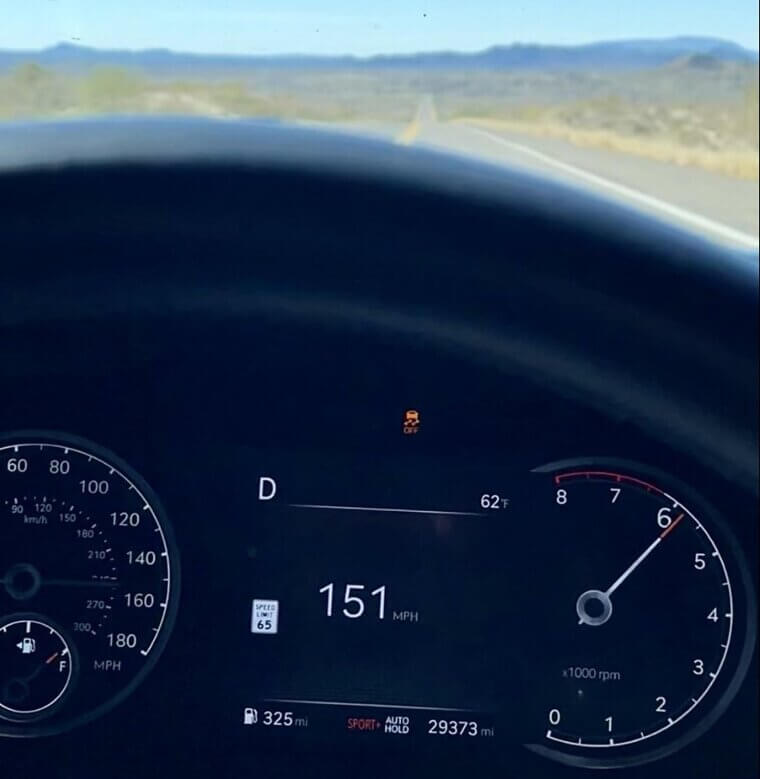
Mechanics say the key to a healthy engine is proper fuel, timely oil changes, and occasional highway driving at normal speeds. High-speed runs are more likely to stress the engine than help it.
Your Car’s Mileage Will Always Be the Same
Your car’s mileage isn’t set in stone. Factors like tire pressure, driving habits, and regular maintenance all affect fuel efficiency. If you notice your car’s mileage dropping, it’s a sign something needs attention—not that your car’s broken.
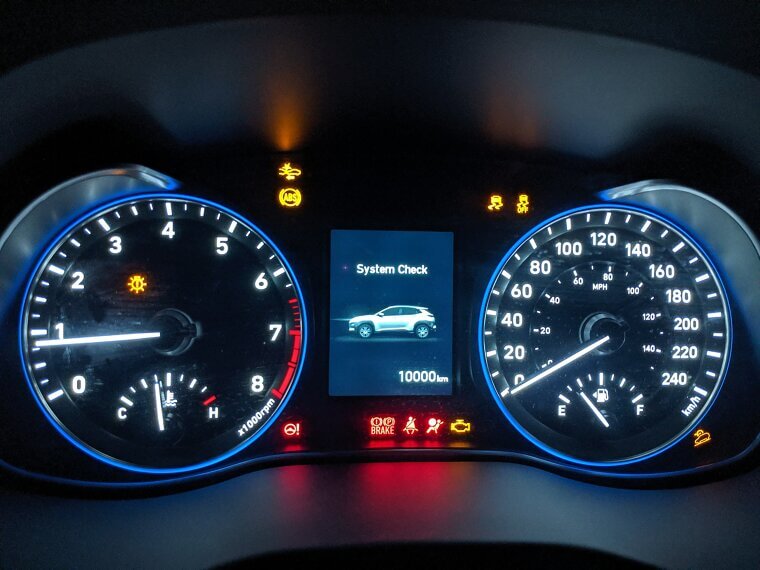
Mechanics point out that dirty air filters, old spark plugs, and low-quality fuel can all reduce miles per gallon. Regular tune-ups and mindful driving are key to keeping your fuel economy in check over the long haul.
Washing Your Car Regularly Will Damage the Paint
Washing your car regularly won’t hurt the paint; in fact, it’s actually good for it. Dirt, road salt, and grime can cause damage if left on the surface for too long. Just be sure to use the right cleaning products and techniques to avoid scratches.
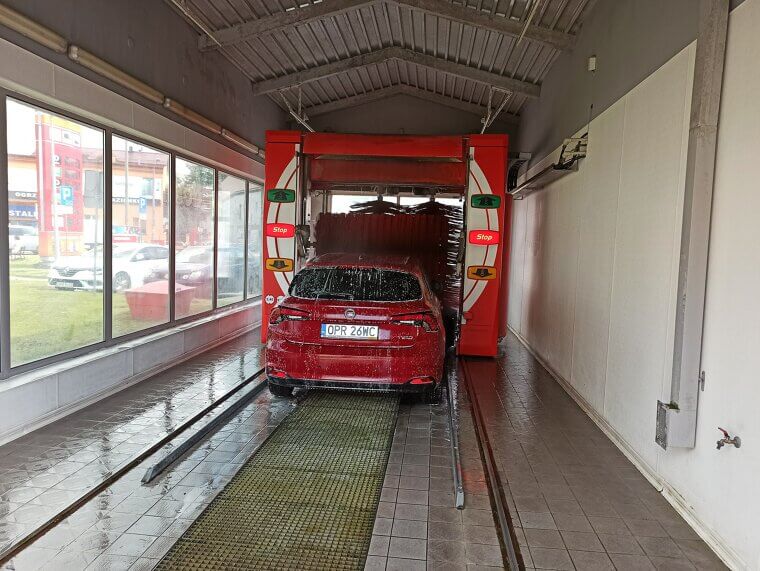
Mechanics and detailing experts recommend using pH-balanced car shampoos and soft cloths or mitts. Regular washing, followed by waxing, helps protect the paint and keep your car looking great while preserving its value.
If Your Car Smells Like Gas, It’s Normal
If your car smells like gasoline, it’s not something you should ignore. That odor typically indicates a fuel leak, which can be dangerous. Ignoring it can lead to engine issues, or even worse—a fire hazard.
Mechanics stress the importance of addressing any gasoline smells immediately. Even a small fuel leak can release harmful vapors, reduce fuel efficiency, and pose serious health risks. Get your car checked out as soon as possible to avoid bigger problems down the road.
Your Car’s GPS Is Always Accurate
Your car’s GPS is convenient, but it’s not foolproof. GPS systems rely on maps that can become outdated, and traffic conditions may not always be up-to-date. Don’t trust your GPS blindly—sometimes, asking for directions is a better choice.
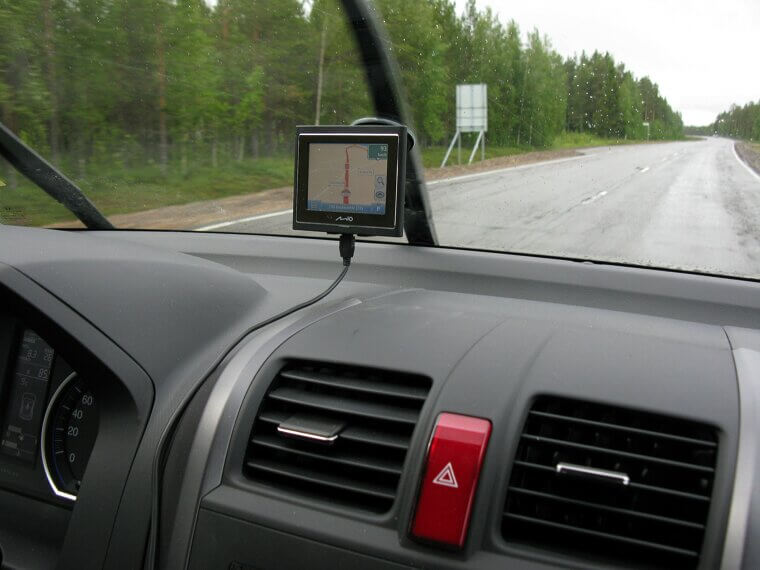
Mechanics and tech experts warn that GPS signals can drop in tunnels, mountains, or remote areas, causing navigation errors. Updating your system regularly helps, but always trust your own judgment to stay safe on the road.