Most people think they know how to take care of their car… but honestly, a lot of what we believe is just outdated advice or straight-up myths. From fuel-saving hacks to engine care tips, these “so-called facts” can actually cost you money, lower your car’s performance, and even lead to expensive repairs. In this guide, we’re putting the most common car myths to the test — breaking down what really works, what doesn’t, and how you can save big on car maintenance, fuel efficiency, and long-term repair costs without falling for the usual nonsense.
Myth: Electric Cars Are More Likely To Catch Fire Than Their Gas Counterparts
This one sounds scary, right? A lot of people think electric vehicles (EVs) are more dangerous and more likely to catch fire. But studies show the opposite. Gasoline is way more flammable, making traditional cars riskier in terms of car fire accidents.
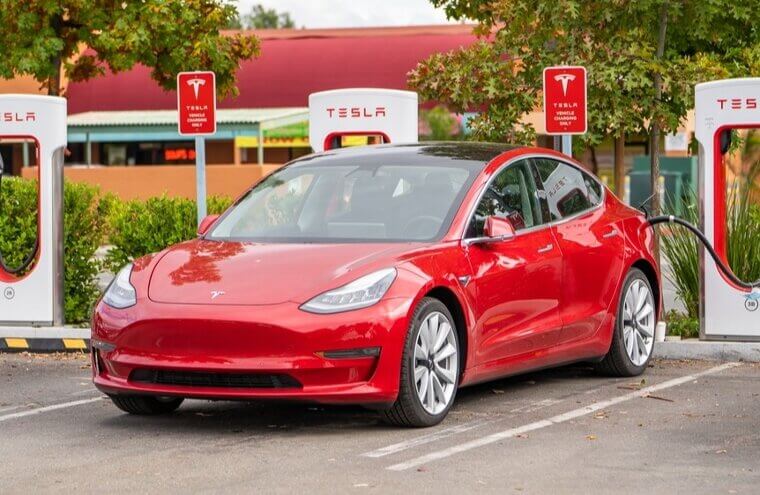
That said, EV fires are different and harder to handle, which is why emergency response teams are still adapting. But overall, if you’re thinking about EV safety vs gas cars, gas vehicles still come out as the bigger risk.
Myth: Setting A Battery On Concrete Drains It
You’ve probably heard this one a hundred times. People say putting your car battery on concrete kills it faster. Sounds believable, but it’s mostly old-school thinking from way back.
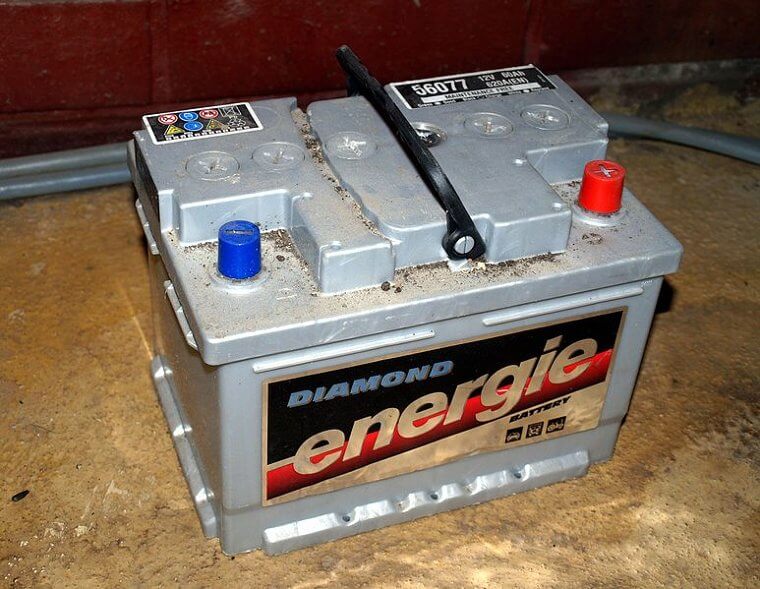
Modern batteries have strong casings now. So no, concrete won’t drain it. If your battery dies, it’s more about battery lifespan, storage time, or poor car maintenance, not the floor it’s sitting on.
Myth: Fill Up Before It Gets Hot To Get More Gas
With crazy gas prices, everyone wants to save a little extra. Some say filling up in the morning gives you more fuel because it’s cooler. But honestly… not really.
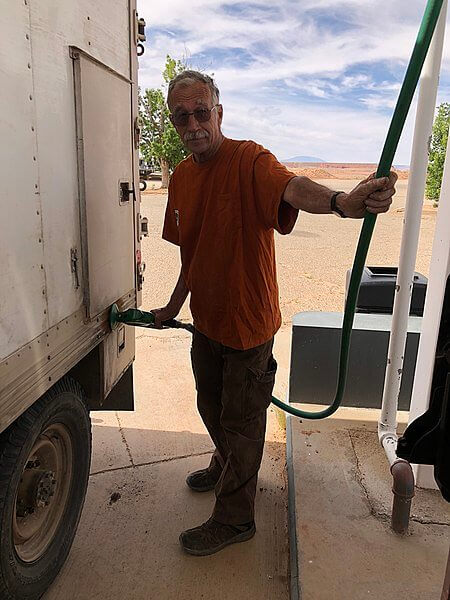
Fuel is stored underground where temperature barely changes. So your “fuel savings hack” might only save a few cents, if anything. Not worth stressing over your fuel economy tips here.
Myth: Wiping An Oil Filter Clean Is Good For It
A lot of DIY car guys believe wiping the oil filter clean before installing it is a must. But that’s actually not needed at all.
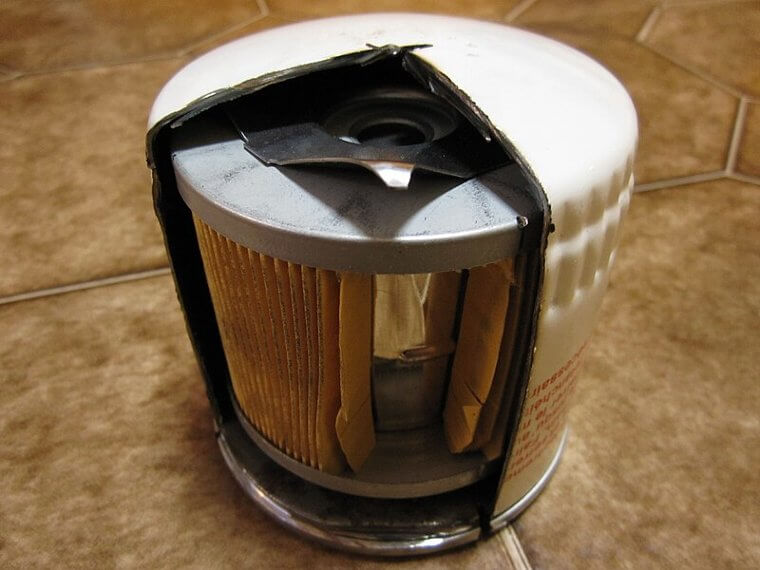
What really matters is proper engine maintenance. You should apply a bit of oil to the rubber seal so it fits tight. That helps avoid leaks and expensive engine repair costs later.
Myth: Cranking A Car Takes More Gas Than Idling
Ever sat in your car wondering if turning it off saves gas? The old belief says restarting burns more fuel than idling. But that’s outdated now.

Modern cars with fuel injection systems are way more efficient. If you’re stopping for more than 30 seconds, turning off the engine actually helps improve fuel efficiency and saves money.
Myth: You Shouldn’t Use Your Phone When At The Pump
You’ve seen those warning signs, right? No phones at the pump. It sounds serious, but it’s mostly based on old tech fears.
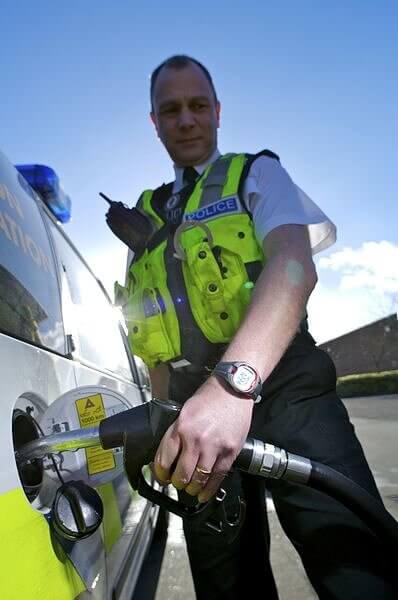
Today’s smartphones don’t create sparks like that. Even tests (yeah, even on Mythbusters) showed no ignition risk. So using your phone won’t affect gas station safety the way people think.
Myth: Off-Brand Gas Can Hurt Your Vehicle
A lot of drivers stick to big brands thinking cheaper gas will ruin their engine. But truth is, most gas comes from the same suppliers.
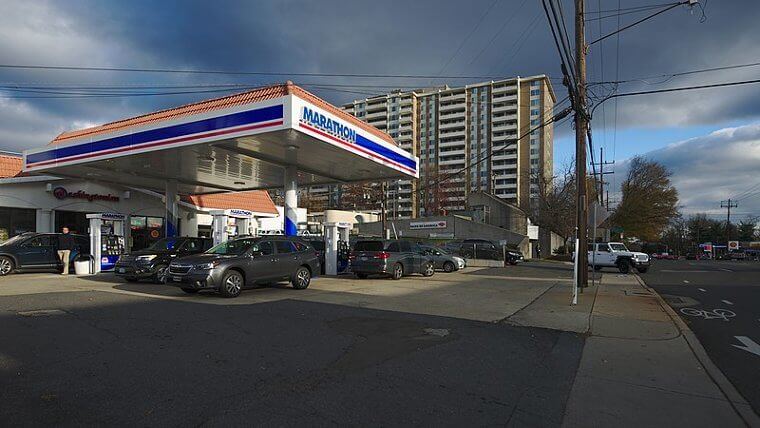
The difference is just additives. As long as the station maintains clean tanks, you’re good. So don’t stress too much about fuel quality, just focus on overall car maintenance tips and you’ll be fine.
Myth: Smaller Cars Are Always More Fuel Efficient
It kinda makes sense… smaller cars = better fuel efficiency, right? Most of the time, yeah. Lighter cars usually burn less fuel and help you save on gas costs.

But things have changed. New SUVs and trucks now come with hybrid engines and better tech. Some of them can actually match or beat smaller cars in mileage and fuel economy.
Myth: You Can Use Vegetable Oil In Place Of Diesel
This one sounds wild, but people actually tried it before. Back in the day, old diesel engines could run on almost anything. Even vegetable oil sometimes worked.
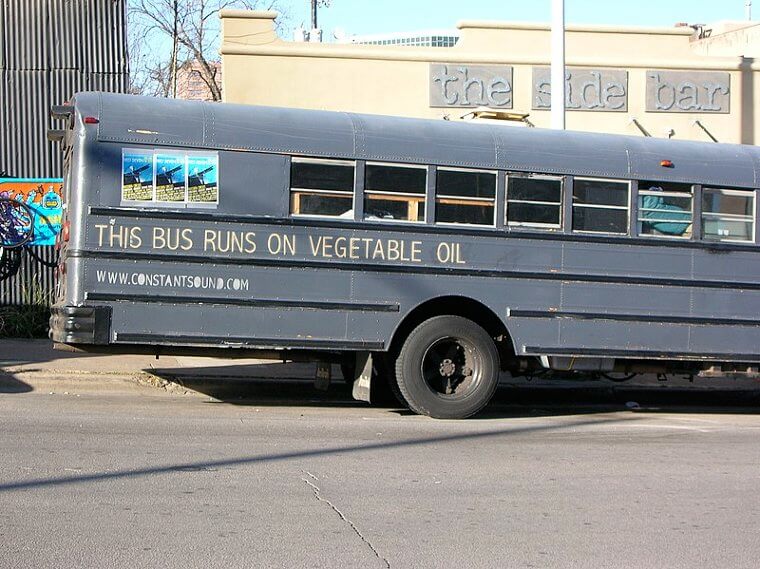
But modern engines? totally different story. New diesel systems are complex, and using the wrong fuel can lead to serious engine damage and high auto repair costs. Not worth the risk at all.
Myth: Start-Stop Systems In Cars Use More Gas And Drain Batteries
A lot of drivers hate this feature. It feels annoying when your car shuts off at every stop. So people assume it’s bad for fuel economy and battery life.

But actually, it saves fuel in traffic. These systems are built for better fuel efficiency and lower emissions. Plus, cars with this feature use special batteries designed for longer battery lifespan.
Myth: You Can Wash Your Car With Dishwashing Soap
Yeah, dish soap can make your car look super clean. It cuts grease fast, no doubt. But there’s a catch people ignore.

It strips off protective wax and can damage your paint over time. That means more spending on car detailing or even expensive paint repair jobs. Better stick to proper car wash products.
Myth: Aluminum Is Safer Than Steel
Car makers are using more aluminum now. Mostly because it’s lighter and improves fuel economy. But people wonder… is it actually safer?
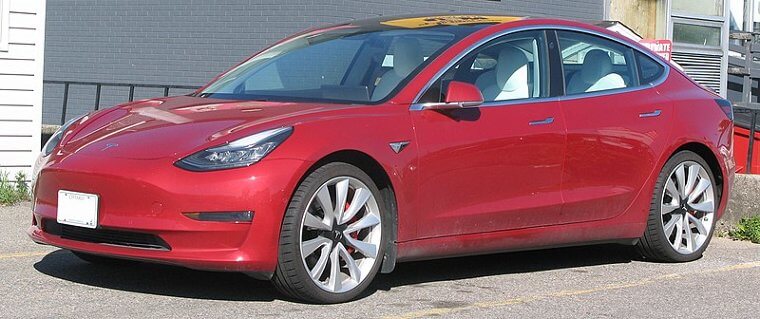
Surprisingly, yes in many cases. Aluminum helps create better crumple zones and absorbs impact well. That improves car safety ratings and reduces damage in accidents.
Myth: Korean Cars Are Low Quality
This one is outdated big time. Years ago, maybe there were issues. But today, brands like Hyundai and Kia are killing it in terms of car reliability and value.
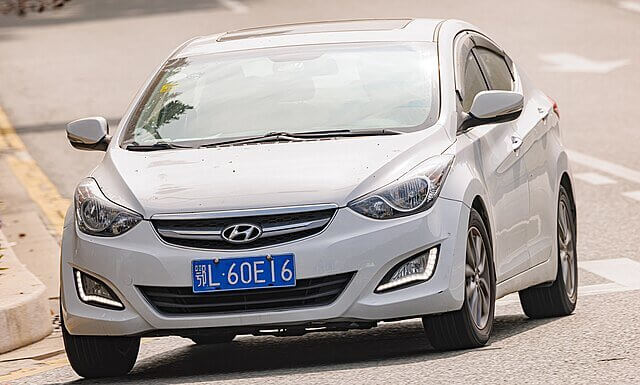
You get solid performance, modern features, and lower car ownership costs. In fact, many reports show they compete with top brands in vehicle quality rankings.
Myth: Lowering Your Tailgate Saves On Gas
A lot of truck owners believe this. It feels logical… less air resistance means better fuel efficiency, right?
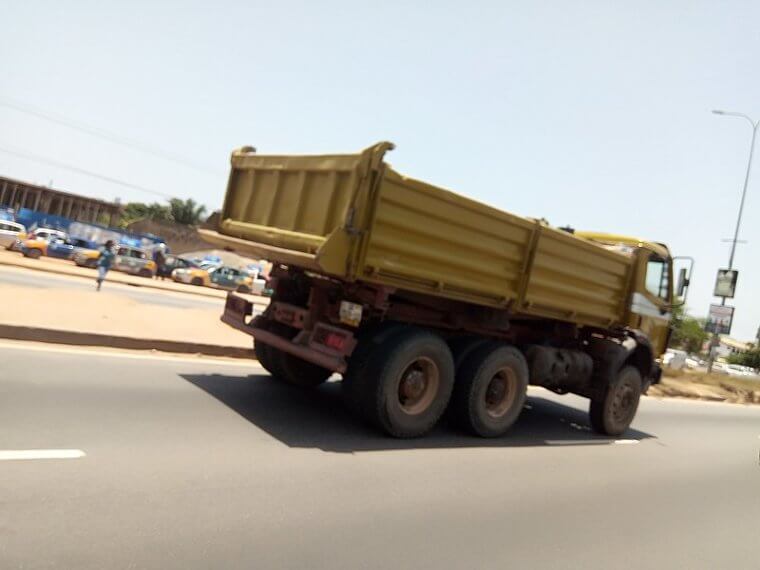
But nope, it actually creates more drag. Engineers found that keeping the tailgate up improves airflow and helps with better gas mileage. So that “hack” doesn’t really save money.
Myth: Using The Air Conditioner Uses More Gas
A lot of people avoid AC like it’s gonna double their fuel bill. Even in crazy heat, they keep the windows down just to save on gas costs.

Truth is, yeah… AC does use extra fuel. It can affect your fuel efficiency a bit, sometimes a few MPG. But honestly, comfort matters too, especially in extreme weather.
Myth: Manuals Are Better On Gas Than Automatics
Back in the day, manual cars were king for saving fuel. They gave better control and helped with fuel economy.
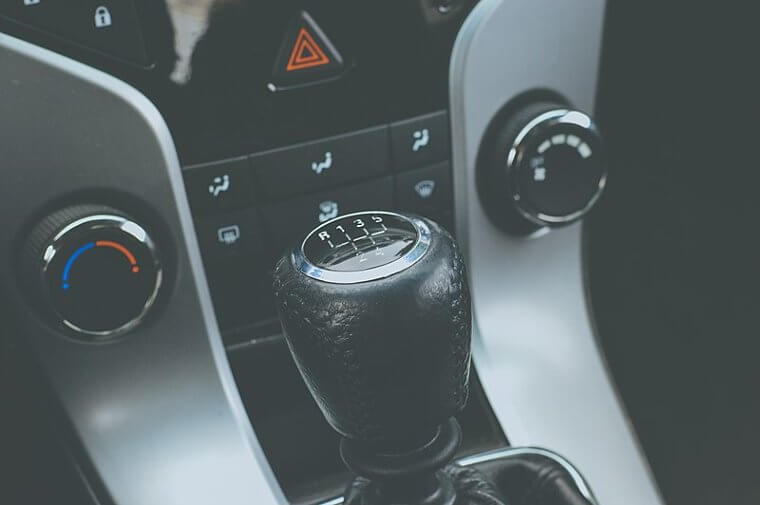
But now? modern automatics are smarter. They shift better and improve engine efficiency. In many cases, they even reduce long-term vehicle maintenance costs.
Myth: Red Car Owners Should Expect To Pay More For Insurance
This one sounds funny but people still believe it. The idea is that red cars = more speeding = higher car insurance rates.
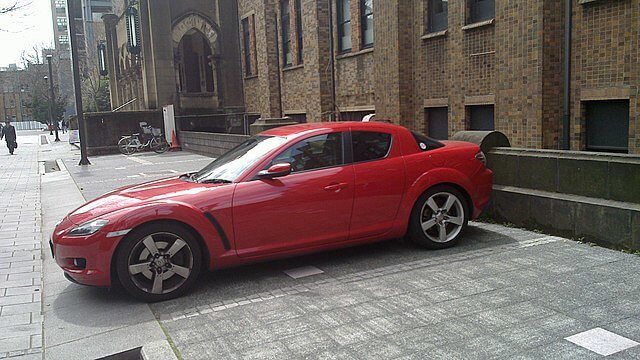
But insurance companies don’t care about color. They look at things like driver age, car model, and driving history. That’s what really affects your auto insurance premium.
Myth: Cars Can Stop Bullets
Movies make cars look like bulletproof tanks. Like you can hide behind a door and be totally safe.
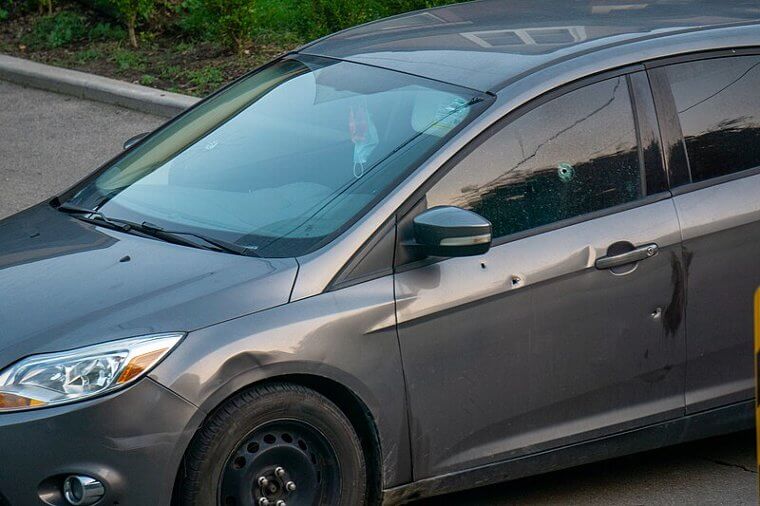
In reality, most cars have thin metal. Bullets can go through pretty easily. So yeah, don’t rely on a car for real vehicle safety protection in extreme situations.
Myth: Muscle Cars Can’t Take A Turn
Old-school muscle cars were built for straight-line speed. Not great at corners, that part was true before.
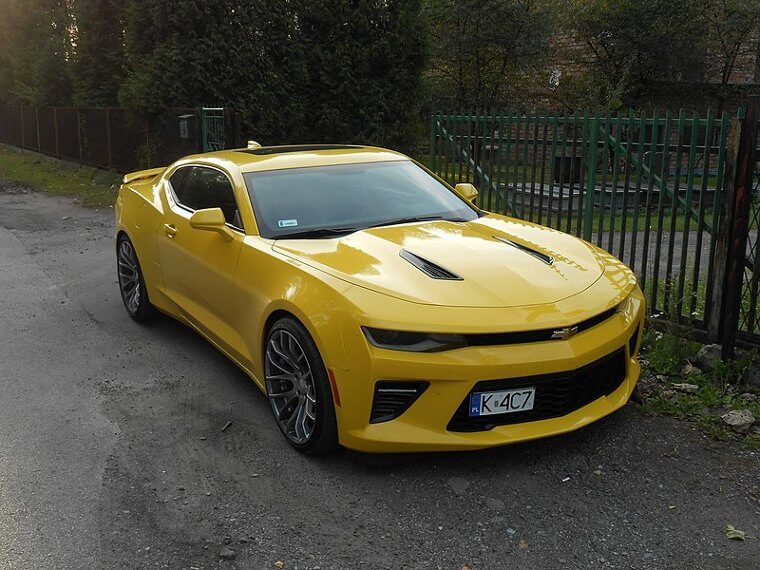
But modern muscle cars are different now. They come with advanced suspension and better performance handling, making them solid on tracks too.
Myth: The Drive Back Is Shorter Than The Drive There
Ever notice this? The return trip always feels faster. Like somehow the distance shrinks.

It’s actually a mental thing, not about driving time or distance. Familiar routes and less anticipation make it feel quicker, even if the time is the same.
Myth: Electric Cars Are More Expensive Than Gas-Powered Cars
At first glance, yeah… electric vehicles (EVs) do look expensive. The upfront car price is usually higher than gas cars, no doubt.
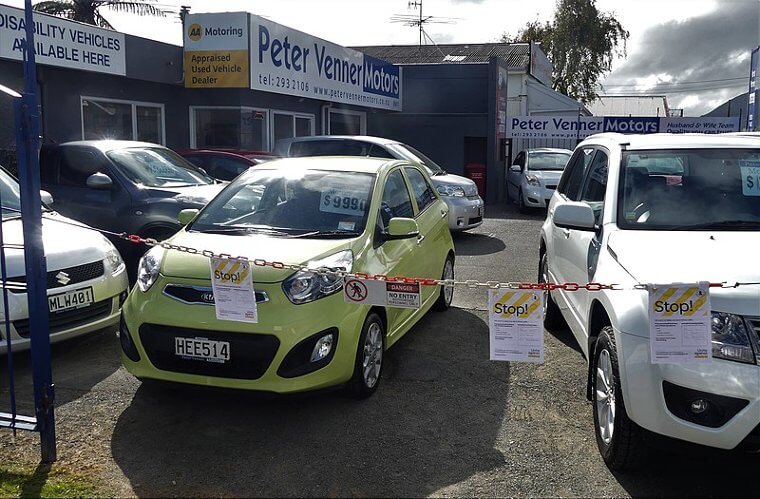
But that’s not the full picture. EVs often have lower car maintenance costs, better resale value, and fewer parts to fix. Over time, they can actually save you money.
Myth: The Batteries In Electric Cars Only Last A Couple Years
Some people think EV batteries die super fast. Like you’ll need a replacement in just a couple years. That sounds scary… and expensive.
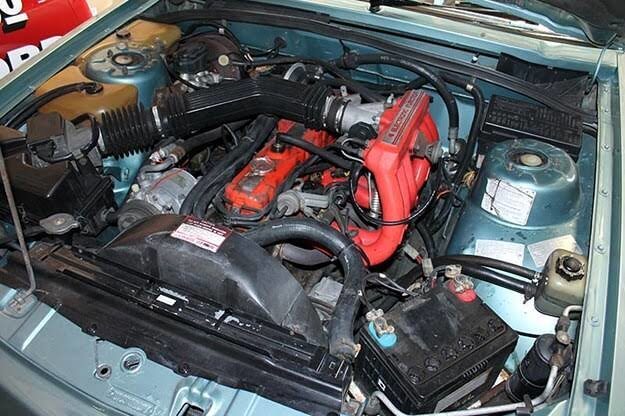
But in reality, most EV batteries last 10–20 years. That’s a solid battery lifespan. Heat can affect performance, but overall, they’re built for long-term vehicle reliability.
Myth: The Minerals Used In Electric Cars Are Mined By Kids
This one is a bit sensitive. People say electric cars rely heavily on unethical mining practices.

Truth is, most materials are sourced responsibly. But yes, cobalt mining in some regions has raised concerns. That’s why companies are now focusing on ethical sourcing and cleaner EV supply chains.
Myth: Switching Lanes To Get Ahead Gets You There Faster
We’ve all seen that one driver jumping lanes non-stop. Looks like they’re saving time, right?

But most studies show it barely makes a difference. Constant lane switching can even increase accident risk and affect overall driving efficiency and road safety.
Myth: Shooting A Vehicles Gas Tank Will Cause An Explosion
Movies love this one. One shot and boom… huge explosion. Looks cool, but it’s not real life.

In reality, gas tanks don’t explode like that. It takes very specific conditions. Still, messing around like that can lead to serious vehicle damage and safety risks.
Myth: Coolant Doesn’t Need Replacing
Some people ignore coolant like it’s a “set and forget” thing. Big mistake.
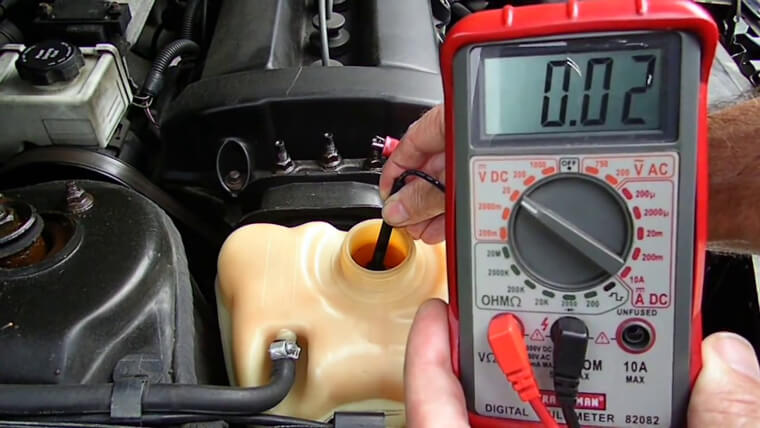
Coolant plays a huge role in engine performance and preventing overheating. Skipping it can lead to serious engine repair costs or even complete engine failure.
Myth: Nitrogen Is Better For Your Tires Than Air
You’ve probably seen shops pushing nitrogen fills like it’s some premium upgrade. And yeah, it does slow down pressure loss and helps with better tire maintenance.
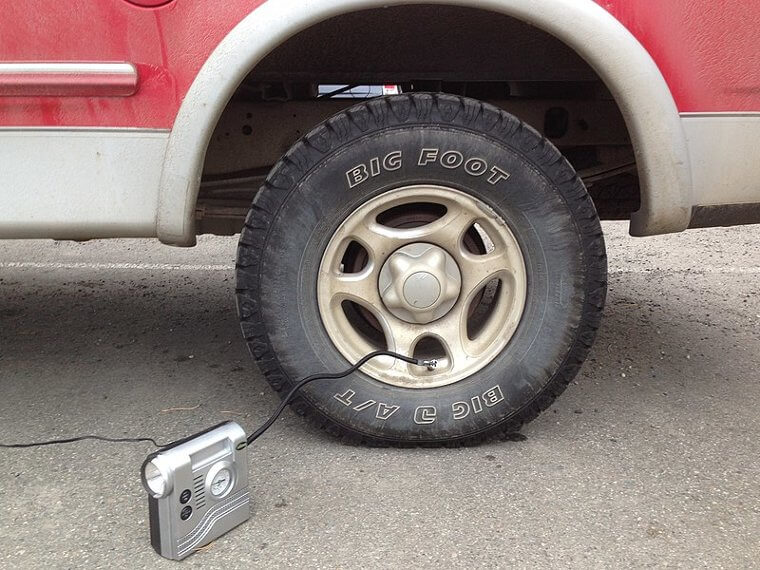
But here’s the thing… it’s expensive. For most drivers, regular air works just fine if you keep checking your tire pressure. No need to spend extra money here.
Myth: A Car Battery Lasts Upwards Of Five Years
A lot of people assume their battery will easily last five years. Would be nice, right?
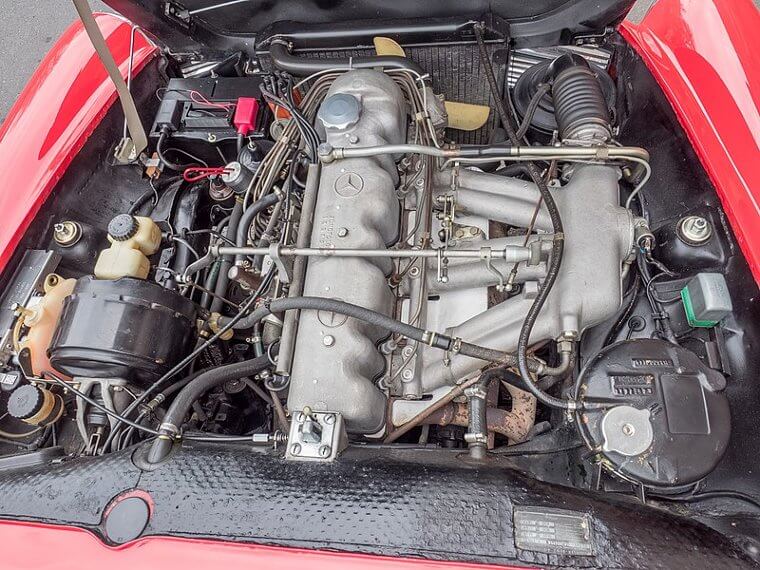
In reality, most batteries last around 3–5 years. Heat, driving habits, and usage all affect battery lifespan. So yeah, better be ready for that car battery replacement cost sooner than expected.
Myth: Tires Don’t Need To Be Replaced Until They Hit 2/32
Legally, yeah… 2/32 is the limit. But that doesn’t mean it’s safe for everyday driving.
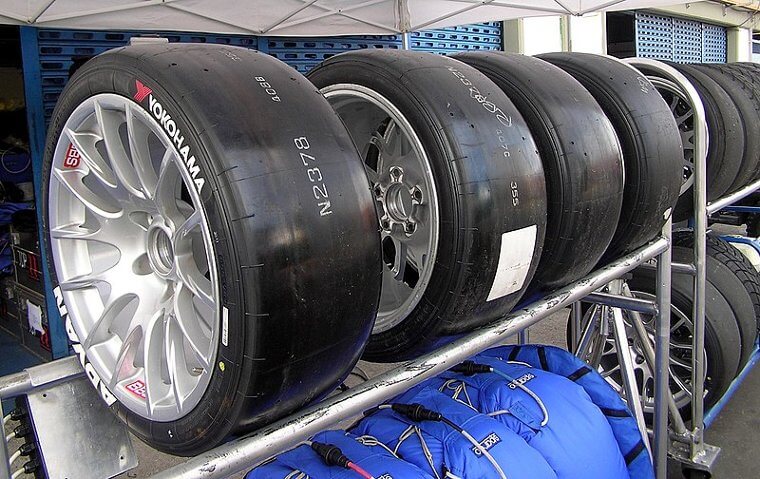
Your tires lose grip way before that, especially in rain. Around 4/32, your driving safety already drops. Waiting too long can increase accident risk and reduce overall road traction.
Myth: Convertibles Are Death Traps
People think convertibles are risky because there’s no solid roof. Sounds logical at first.

But modern designs are way better now. They come with reinforced frames and safety features that improve vehicle safety ratings. So they’re not the “death traps” people think.
Myth: Bigger Engines Automatically Mean More Power
Back then, bigger engine = more power. Simple. But not anymore.
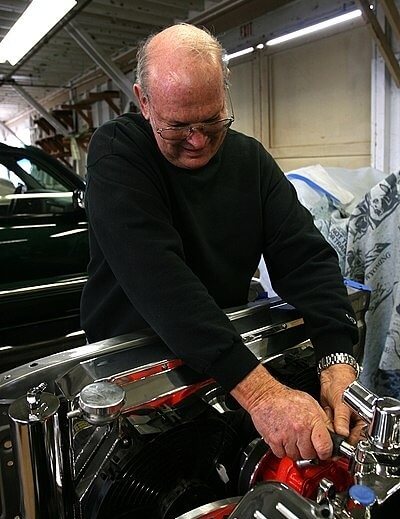
Now, smaller engines with turbochargers can deliver insane engine performance. Thanks to modern performance upgrades, even compact cars can compete with bigger engines.
Myth: AWD And 4WD Cars Break Better Than 2WD Cars
This one tricks a lot of people. AWD and 4WD sound more powerful, so people assume better braking too.
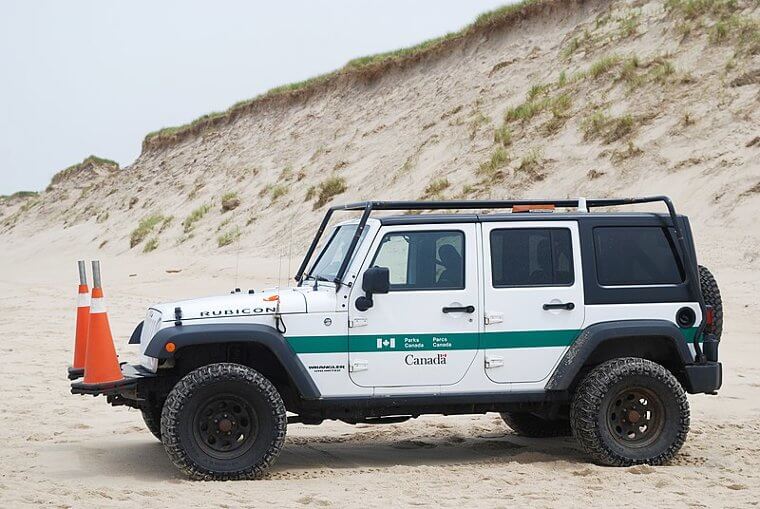
But braking depends on your brake system and tires, not drivetrain. Good brake pads and quality tires matter way more for stopping distance.
Myth: ABS Is Better For Stopping On A Dime
ABS sounds like a game-changer for braking. And yeah, it does help in certain situations.
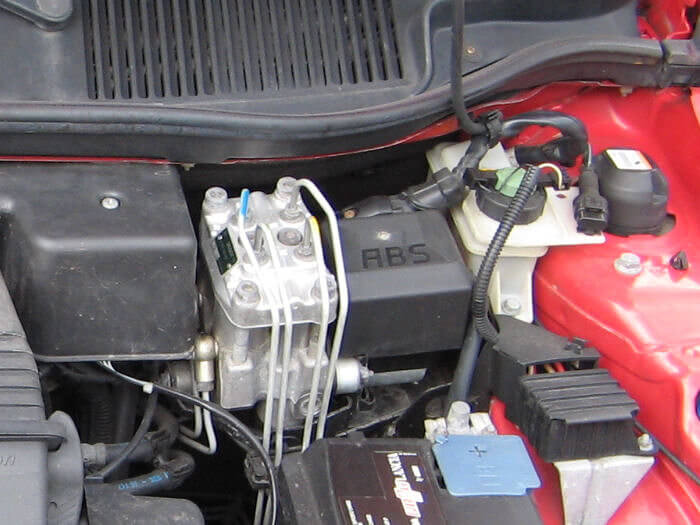
In wet or slippery roads, it improves braking performance and control. But on dry roads, it doesn’t really reduce stopping distance much. It’s more about control than speed.
Myth: Should You Underinflate Your Tires For A Smoother Ride?
Yeah, technically… less air can make the ride feel a bit softer. Sounds like a smart driving comfort hack, right?
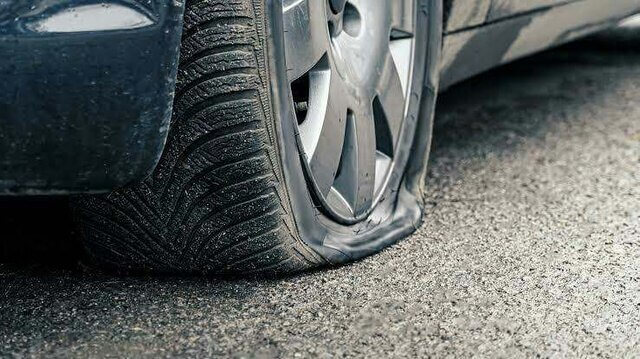
But it’s risky. Underinflated tires increase friction and heat, which can lead to blowouts. That means higher tire replacement costs and serious road safety issues. Not worth it.
Myth: A Quick Jump Can Fully Revive A Dead Battery
A lot of people think one quick jump and boom… battery is back to normal. Sadly, it doesn’t work like that.
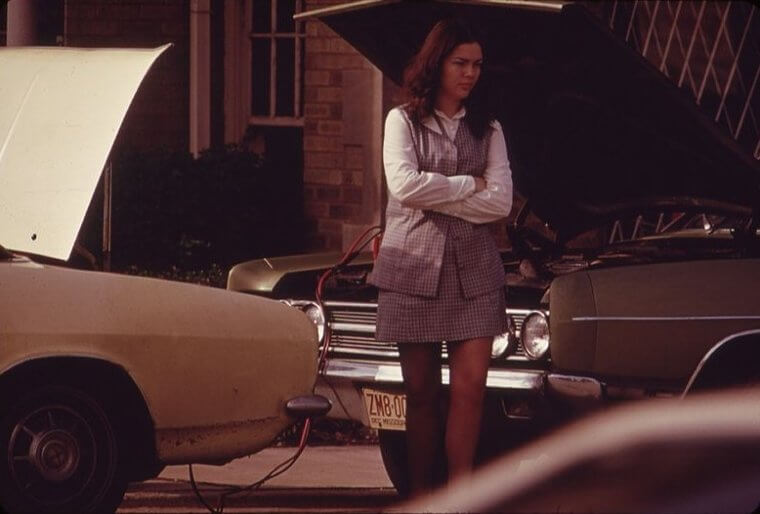
A jump only gives enough power to start the car. If your battery is weak, you’ll still need proper charging or a full car battery replacement. Otherwise, you’ll be stuck again.
Myth: Coolant Needs To Be Changed With Your Oil
Some quick-service shops push this a lot. Makes it sound like part of routine vehicle maintenance.
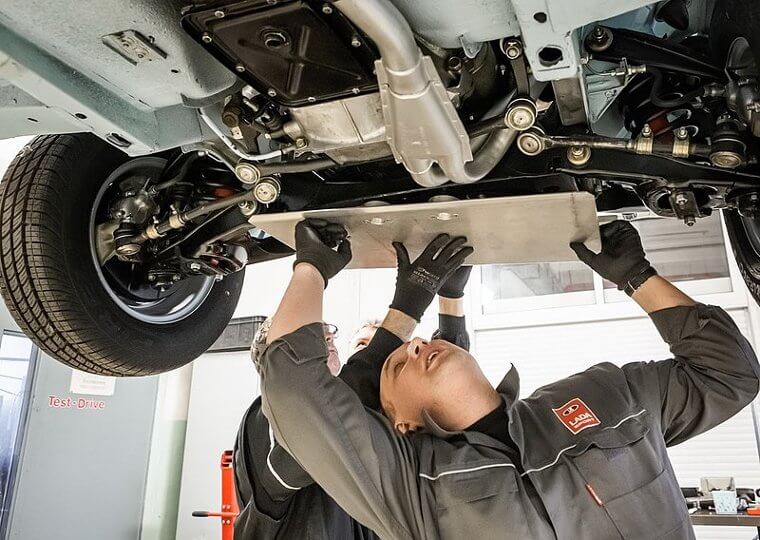
But coolant lasts much longer. You usually only need a change every few years or around 30,000 miles. Just keep checking levels to avoid expensive engine overheating repairs.
Myth: Cars Need To Warm Up Before Driving In Cold Temperatures
Back in the day, this was true. Older engines needed time to warm up or they’d stall.
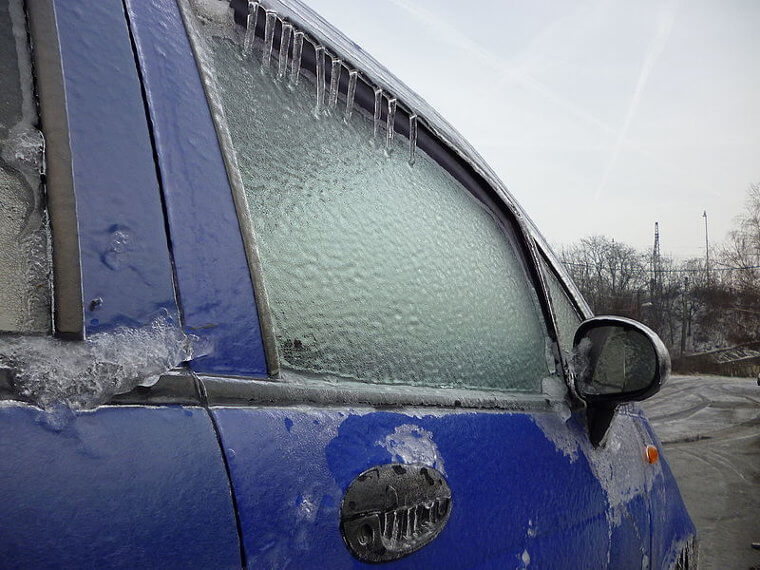
But modern engines don’t need that anymore. With today’s fuel-injected engines, you can drive right away. Idling too long just wastes fuel and hurts fuel efficiency.
Myth: 4WD Vehicles Don’t Need Snow Tires
A lot of drivers feel invincible with 4WD. Like they can handle any snow condition.

But traction matters more than power. Without proper winter tires, even 4WD vehicles can slip. Good tires are key for driving safety in snow.
Myth: Vehicles Have To Be Serviced At Dealerships To Maintain Warranty
This one costs people a lot of money. Many think dealership service is required to keep their warranty valid.
But that’s not true. You can go to any qualified mechanic for car maintenance services. This can save you big on auto repair costs without risking your warranty.
Myth: All Four Tires Have To Be Replaced Every Tire Change
Tires aren’t cheap, so yeah… this myth scares a lot of people. Many think every tire replacement means changing all four at once, which can seriously hit your wallet.
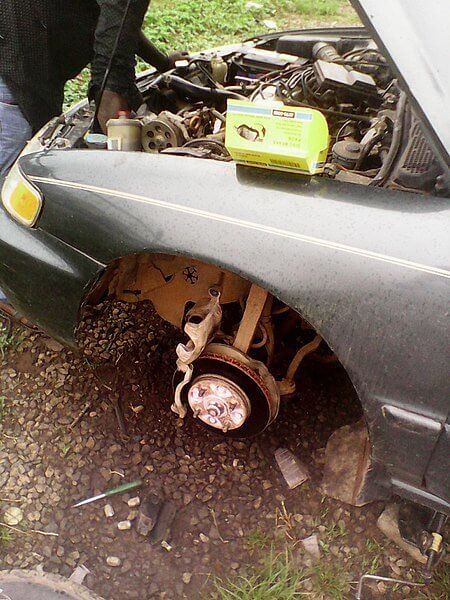
But that’s not always true. For most front-wheel or rear-wheel drive cars, replacing just two tires is usually fine. That alone can cut down your car maintenance cost a lot.