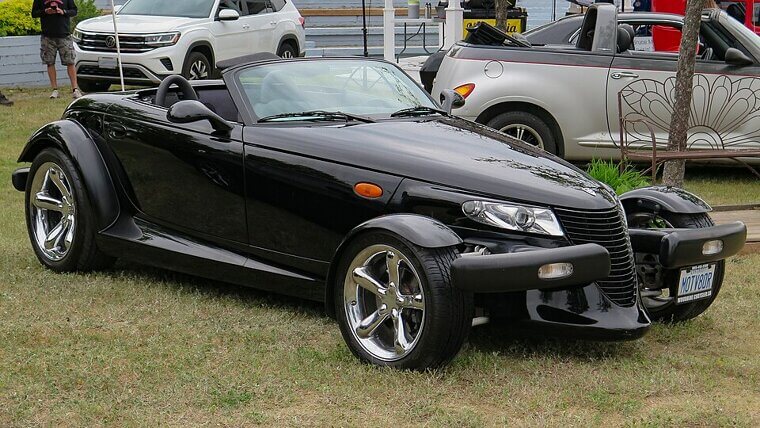
There was a time when certain cars felt larger than life. The posters on our bedroom walls. The dream rides we swore we’d buy “one day.” Back then, these muscle cars, sports cars, and flashy coupes looked unstoppable. Pure power. Pure status. Zero doubts.
Fast forward a couple decades… and things hit different. What once felt like peak performance now feels kinda average next to modern horsepower, smart tech, and luxury features. Today’s vehicles come packed with advanced safety systems, turbocharged engines, better fuel efficiency, and interiors that feel straight out of a high-end tech showroom.
It’s not that those classic cars were bad. Not at all. In fact, some still hold strong resale value and collector appeal. But when you compare them to today’s performance upgrades, hybrid engines, and even affordable sports cars on the market, the magic fades a little.
So let’s take a nostalgic ride back. Here are the cars we grew up loving… that just don’t feel as impressive anymore.
Not All Cars Age Gracefully…
We all had that dream car growing up. But line those rides up next to today’s high-performance cars, hybrid engines, and tech-loaded interiors… and the gap is obvious. Modern horsepower, safety tech, and fuel efficiency changed the game.
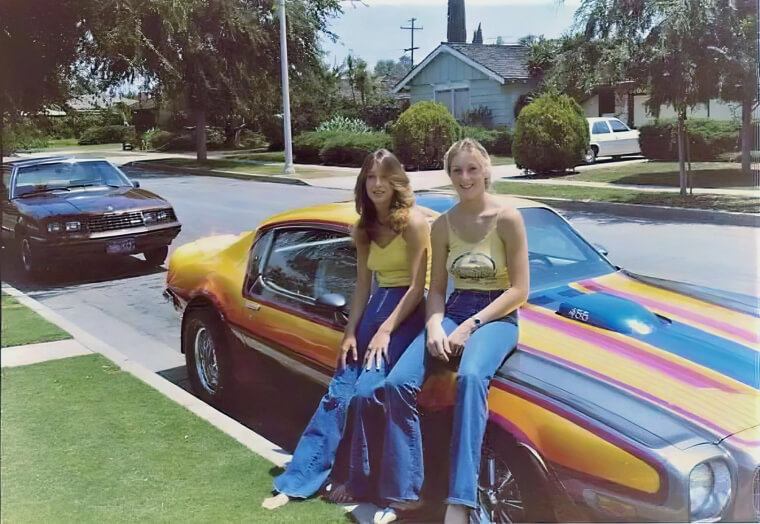
1986-92 Oldsmobile Toronado
The Oldsmobile Toronado didn’t age well. What once felt smooth now feels generic, with weak performance specs and zero luxury appeal. Compared to today’s premium sedans, it just blends in.
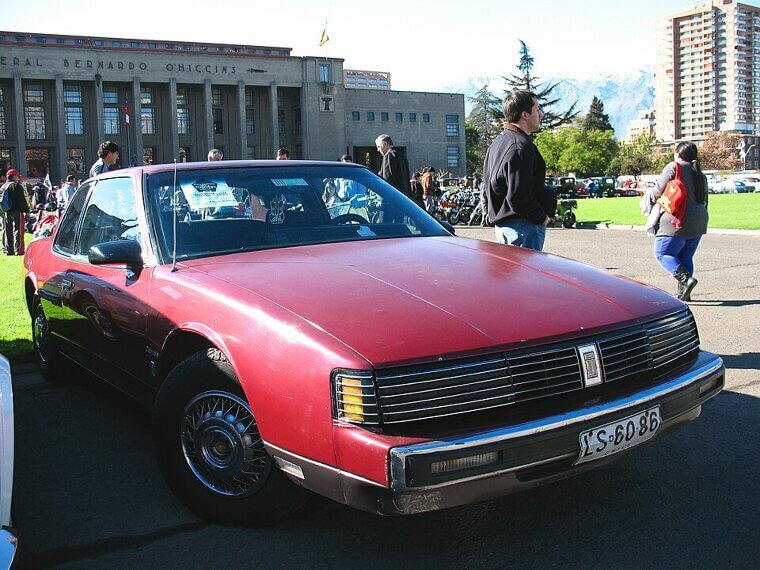
1980-83 Toyota Cressida
The Toyota Cressida had decent engine power for its time. But the boxy design, dated interior, and low resale value make it feel stuck in the early ‘80s. Modern sport sedans leave it behind.
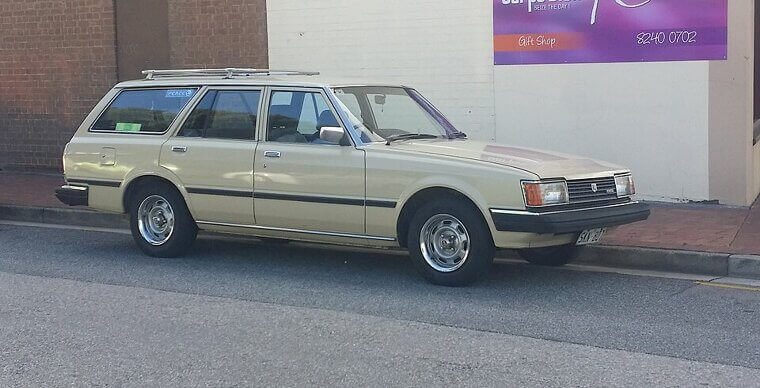
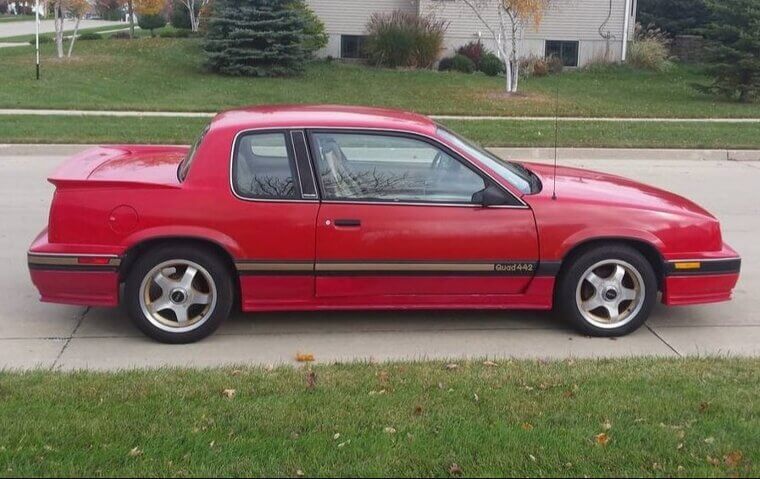
1985-91 Oldsmobile Calais
The Oldsmobile Calais tried to be sporty and practical. Now it feels underpowered, small, and forgettable. Today’s compact cars offer better fuel economy, turbo options, and smarter tech.
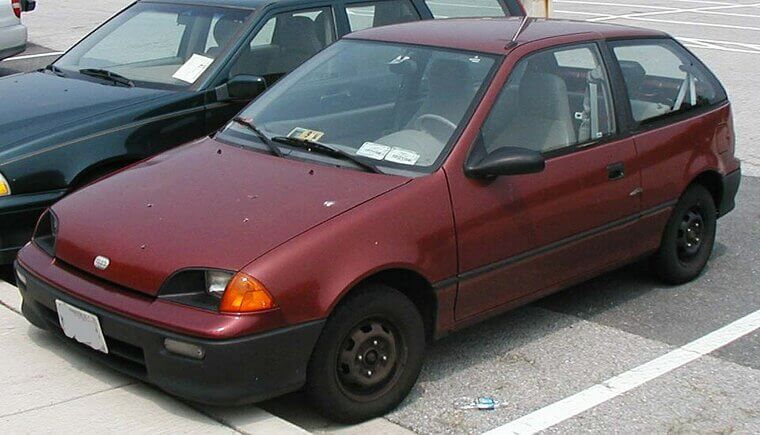
1989-2001 Geo Metro
The Geo Metro was once loved for cheap fuel costs. But low horsepower, safety concerns, and reliability issues hurt it badly today. Modern budget cars are safer and way more refined.
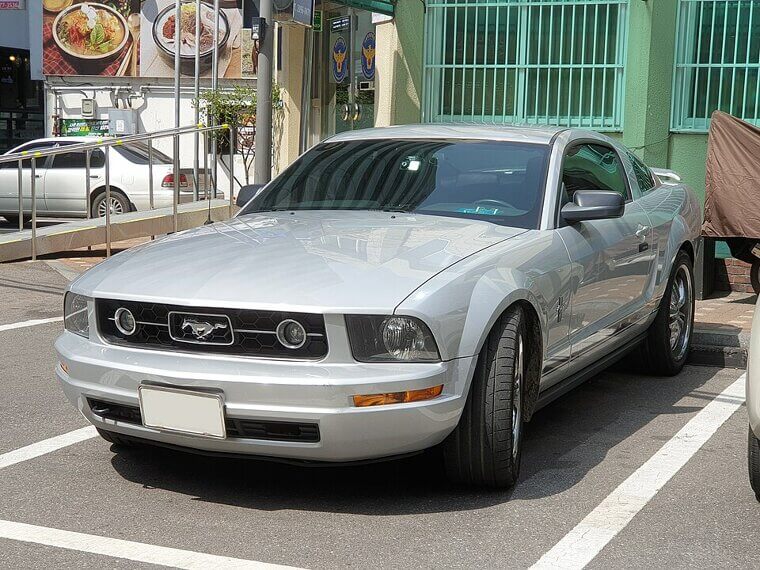
2005 Ford Mustang S197
The Ford Mustang S197 nailed the retro muscle look at launch. Now the interior feels cheap, and performance numbers don’t impress next to newer sports cars. It’s stuck between classic and modern.
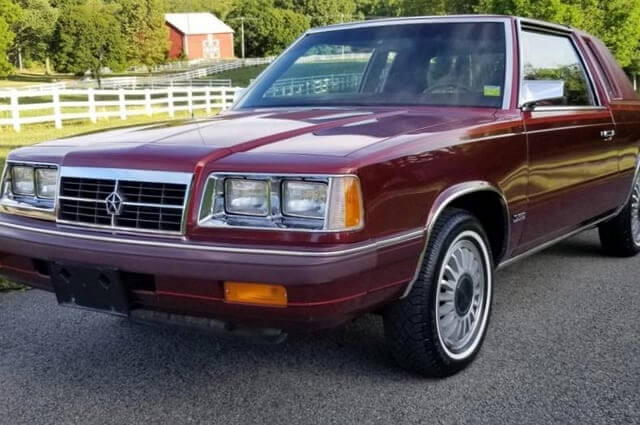
1983-88 Dodge 600
The Dodge 600 fit right into the ‘80s sedan market. Today its boxy styling, basic engine options, and low collector value make it easy to forget. It just doesn’t stand out anymore.
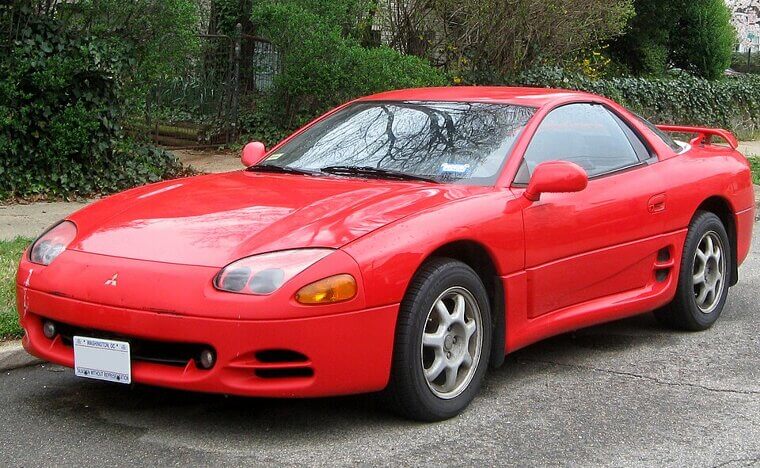
1990-2000 Mitsubishi 3000GT
The Mitsubishi 3000GT still looks fast sitting still. Twin-turbo power and ‘90s sports car vibes were cool back then. But today? Heavy curb weight, brutal repair costs, and a cramped engine bay make ownership feel like an expensive project car nightmare.
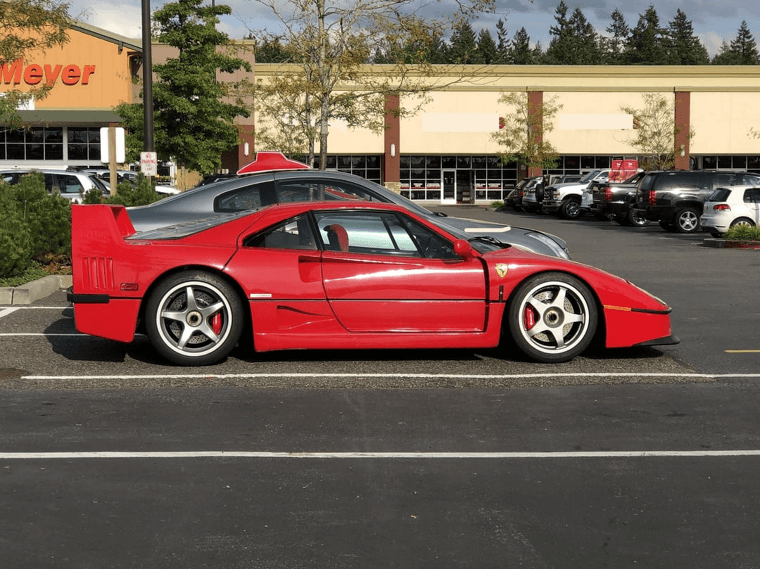
1987 Ferrari F40
The Ferrari F40 is pure exotic car legend. That twin-turbo V8 once screamed supercar status. Now, compared to modern hypercars with hybrid powertrains and carbon-fiber tech, it feels raw, loud, and kinda basic inside.
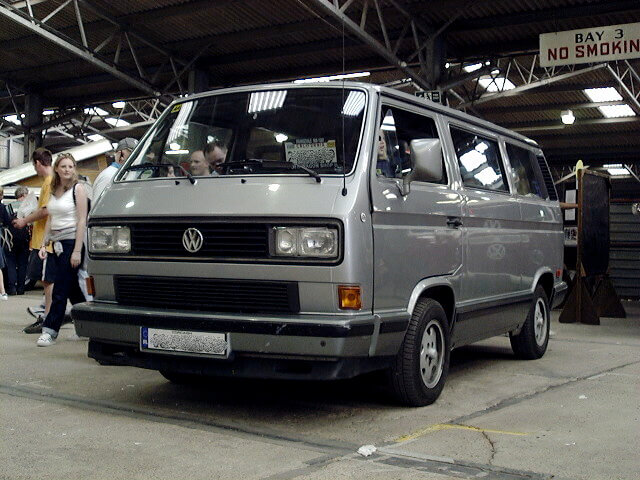
1980-91 Volkswagen Vanagon
The Volkswagen Vanagon had camper van charm and family road-trip energy. But low horsepower, reliability issues, and rising restoration costs hold it back. Today’s minivans offer better safety ratings and way more comfort.
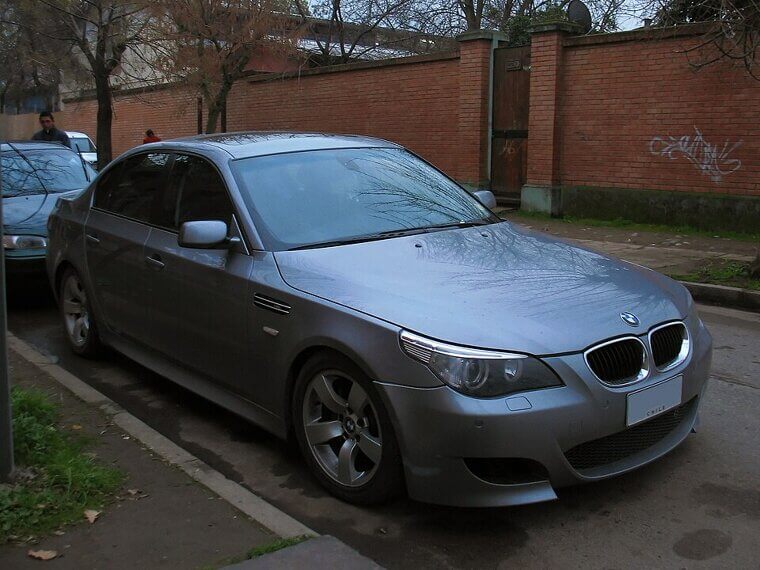
2004-10 BMW M5 E60
The BMW M5 E60 packed a wild V10 engine and serious luxury sedan appeal. Problem is, high maintenance costs, poor fuel economy, and aging electronics scare buyers off. What felt like elite performance now feels like a risky investment.
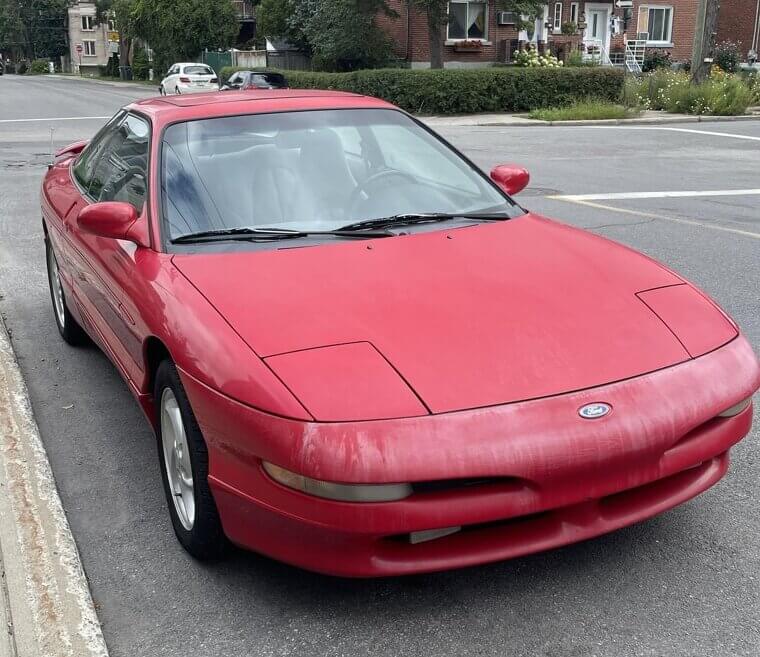
1988-97 Ford Probe
The Ford Probe almost replaced the Mustang, which still shocks people. Its front-wheel drive layout and modest engine options never screamed muscle car performance. Today it feels more like a forgotten commuter coupe than a future classic.
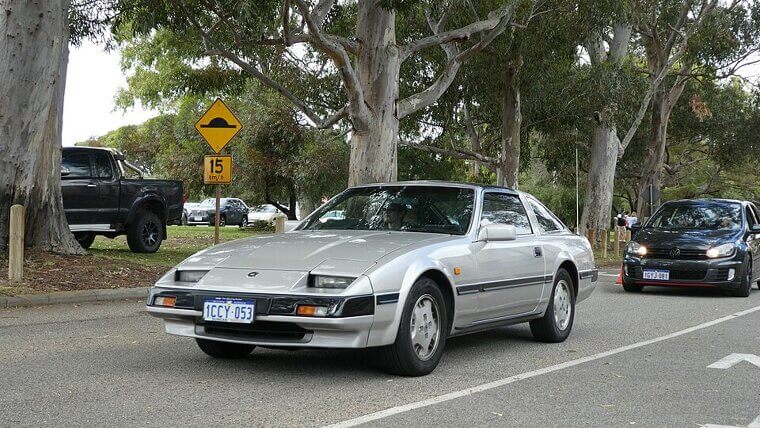
1984-86 Nissan 300ZX
The early Nissan 300ZX had sharp styling and sports coupe energy. But by modern performance car standards, the power output feels weak. Later Z models simply outclass it in speed, tech, and resale value.
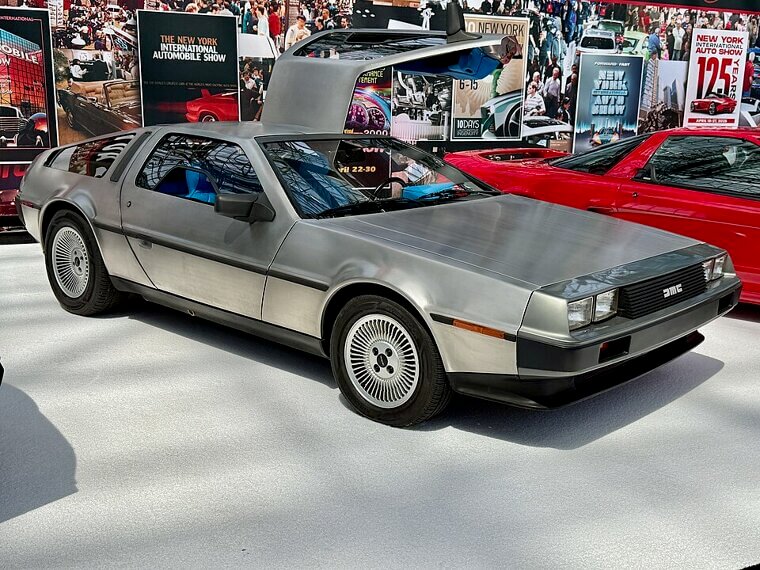
1981-83 DeLorean DMC-12
The DeLorean DMC-12 became immortal thanks to pop culture. Stainless steel body, gullwing doors, instant nostalgia. But with low horsepower, questionable build quality, and pricey repairs, it’s more collectible investment than true performance car.
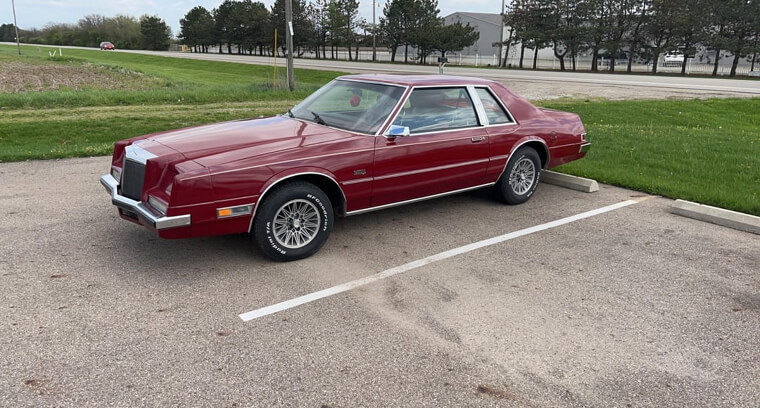
1981-83 Imperial
The Chrysler Imperial tried to scream high-end luxury in the early ‘80s. Digital dashboards and fancy engine controls felt futuristic back then. Now the styling looks awkward, the tech feels outdated, and the performance numbers don’t justify the premium badge.
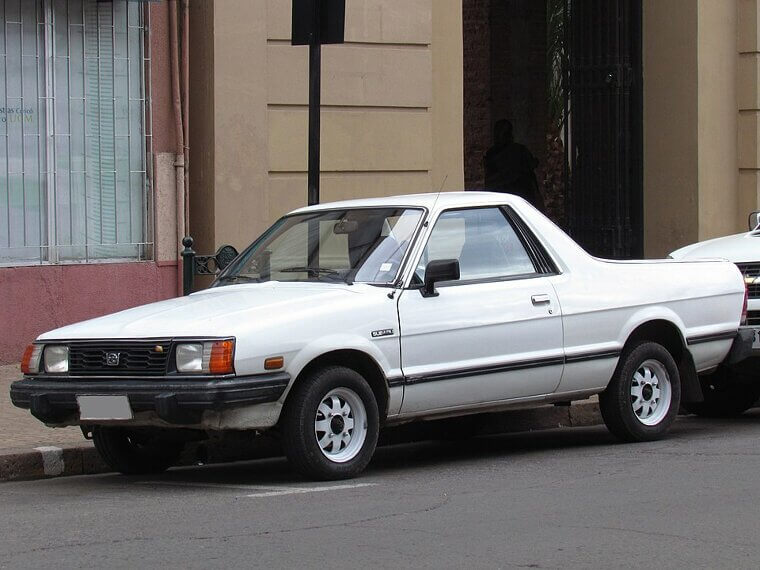
1981-94 Subaru BRAT
The Subaru BRAT was a weird little coupe-pickup mashup. It turned heads once, sure. But compared to modern crossover SUVs with better safety ratings and real utility, it feels like a strange automotive experiment that didn’t age well.
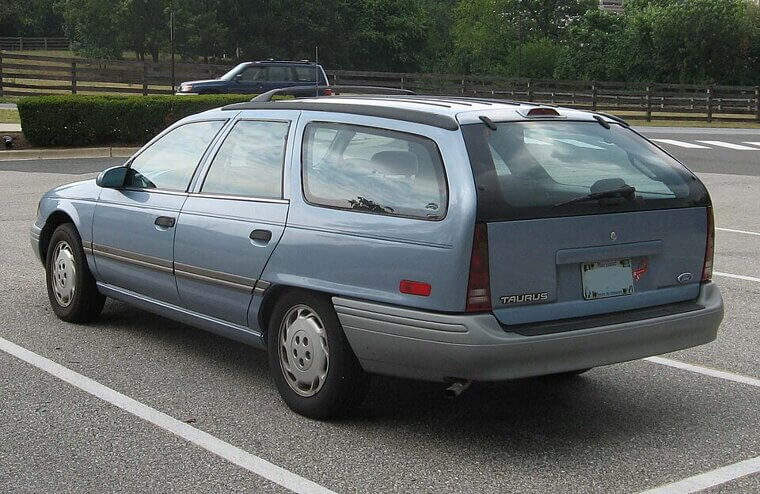
1992 Ford Taurus
The Ford Taurus dominated the ‘90s family sedan market. Today, its bulky shape, average horsepower, and bland interior design feel painfully basic. Modern midsize sedans offer better fuel efficiency, smoother handling, and way more tech.
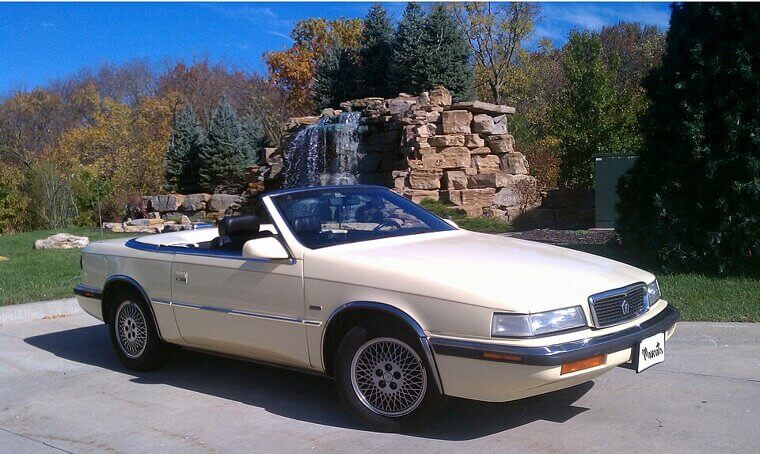
1989-91 Chrysler’s TC By Maserati
The Chrysler TC by Maserati had the luxury branding. But the weak engine options and K-car roots held it back. For a car tied to Maserati’s performance image, it lacked real power and long-term resale value.
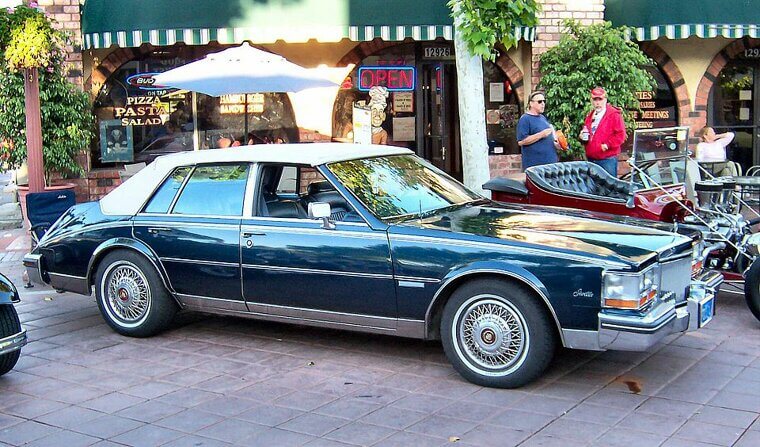
1980-85 Cadillac Seville
The Cadillac Seville aimed for bold luxury styling. That bustleback rear end once looked upscale. Now it feels oddly shaped, with outdated electronics and a ride quality that can’t match today’s luxury sedans.
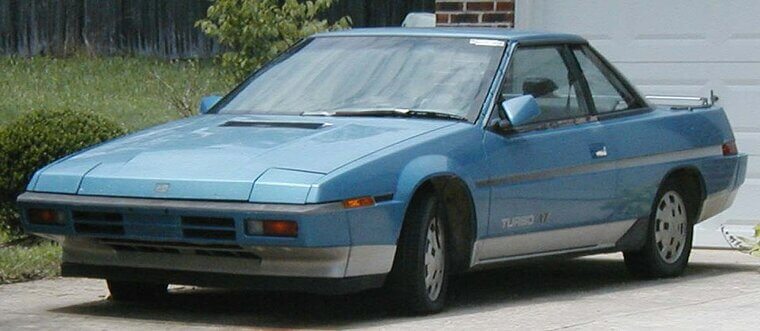
1985 Subaru XT
The Subaru XT pushed futuristic design hard. Sharp angles and a digital-style dash felt cutting-edge. But weak turbo performance, strange controls, and aging reliability issues make it more quirky than collectible.
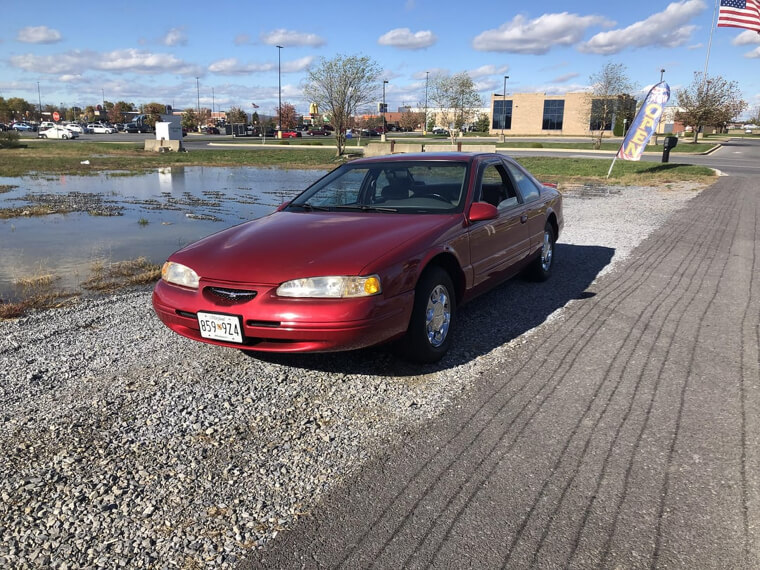
1989-97 Ford Thunderbird
The Ford Thunderbird carried an iconic name. Sadly, this generation feels oversized, underpowered, and forgettable. Compared to modern performance coupes, it lacks speed, efficiency, and real driving excitement.
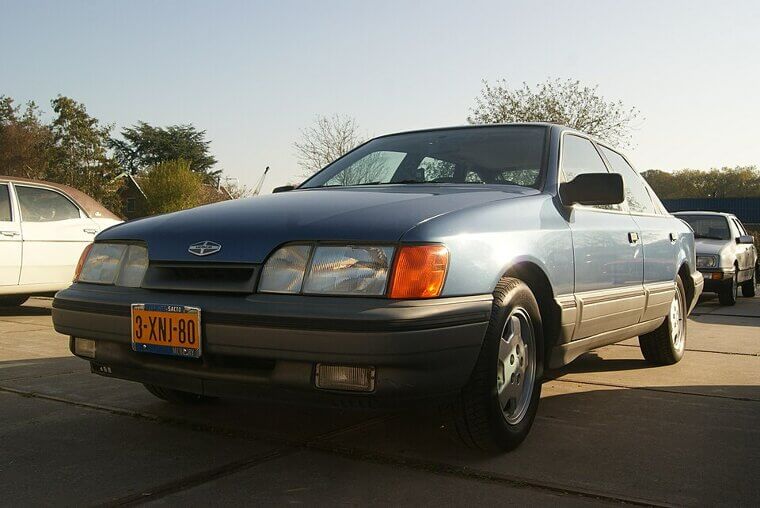
1988-89 Merkur Scorpio
The Merkur Scorpio was Ford’s shot at European luxury sedan buyers. It had slick aero styling and decent comfort for the time. But weak resale value, dated tech features, and soft performance make it feel like a forgotten premium car experiment.
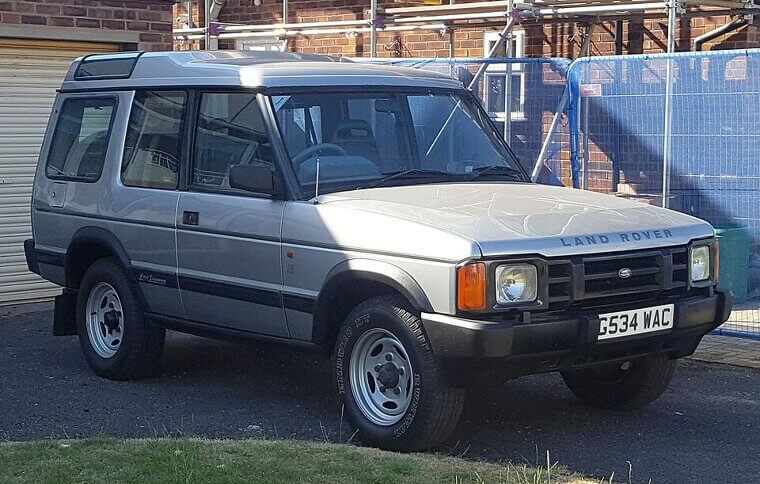
1989-98 Land Rover Discovery
The first-gen Land Rover Discovery looked like the ultimate off-road SUV. Now the poor fuel economy, high repair costs, and reliability issues scare most buyers away. What once felt rugged and adventurous now feels like an expensive maintenance gamble.
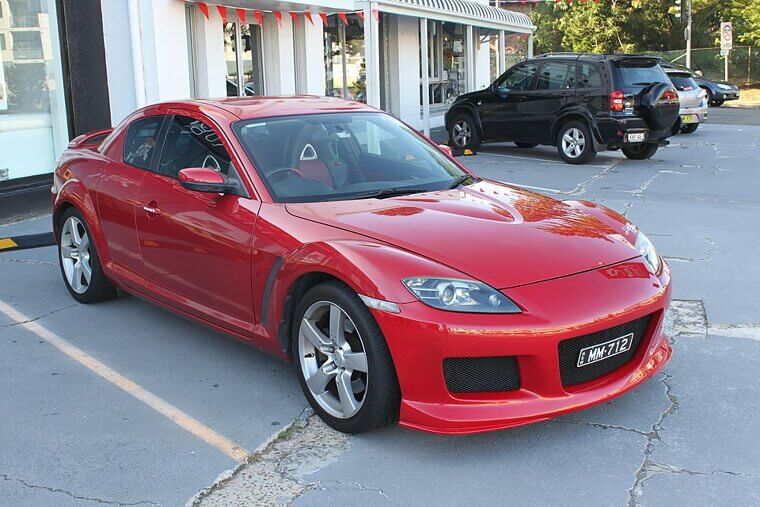
2003 Mazda RX-8
The Mazda RX-8 had bold sports car styling and that unique rotary engine. Problem is, low torque, high oil consumption, and engine rebuild costs hurt its long-term value. Today it feels more like a risky project car than a smart performance buy.
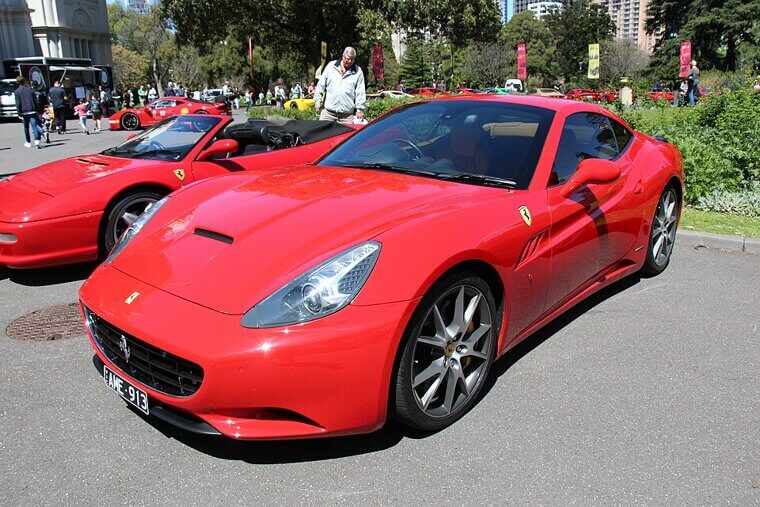
2008 Ferrari California
The Ferrari California aimed to mix luxury convertible comfort with supercar branding. But the heavy curb weight and softer handling didn’t wow driving purists. Compared to modern Ferrari performance specs, it feels more grand tourer than true exotic beast.
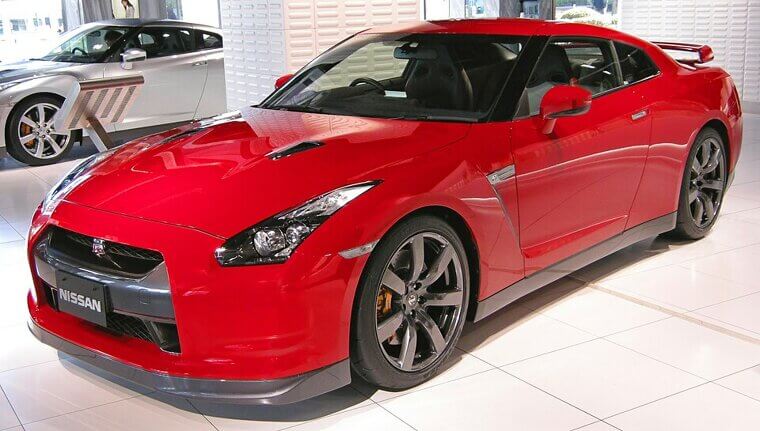
2007 Nissan GT-R
When the Nissan GT-R launched, it shocked the supercar world with twin-turbo power and insane acceleration. Now, aging infotainment, rising maintenance costs, and newer high-performance EVs make it feel stuck in the late 2000s. Still quick, just not cutting-edge anymore.
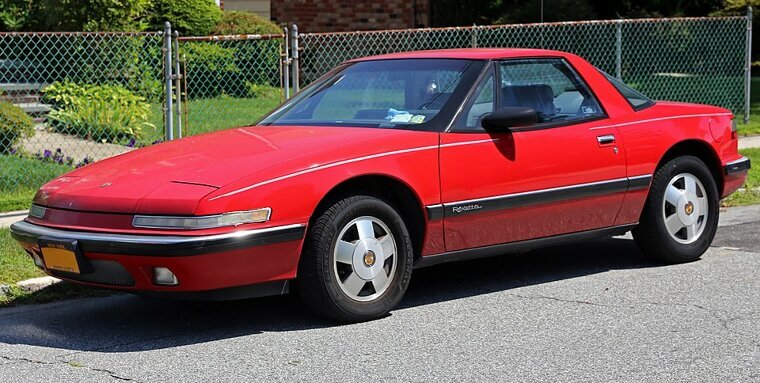
1988-91 Buick Reatta
The Buick Reatta was a quirky two-seater with luxury intentions. But modest V6 horsepower, tight cabin space, and limited collector demand hold it back. These days, it feels more niche curiosity than smart classic car investment.
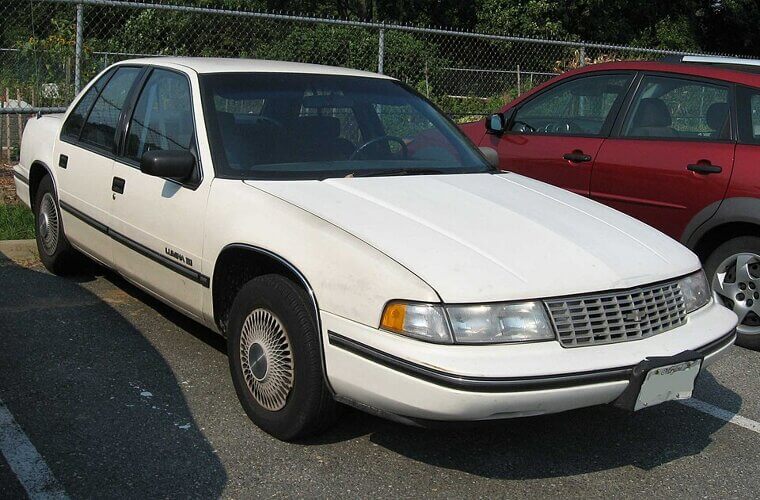
1990-2001 Chevrolet Lumina
The Chevrolet Lumina was basic transportation done cheap. Back then, that was enough. Now the bulky body, weak V6 performance, and low resale value make it feel totally forgettable in today’s midsize sedan market.
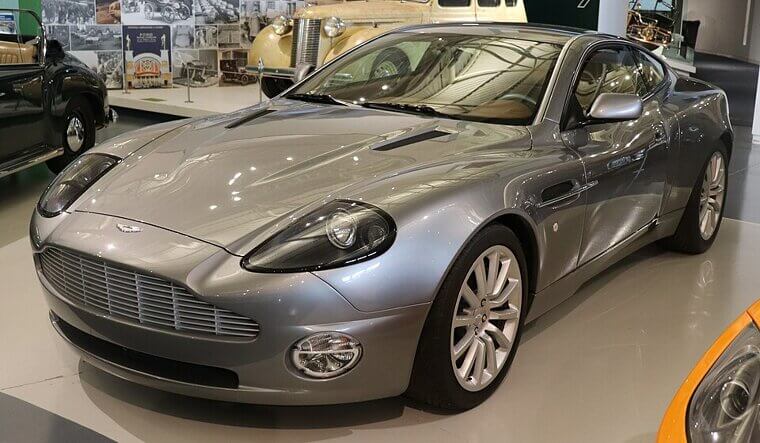
2001 Aston Martin Vanquish
The Aston Martin Vanquish still looks like a luxury supercar icon. That V12 engine sounds amazing. But the clunky automated manual transmission and high maintenance costs hurt the driving experience big time.
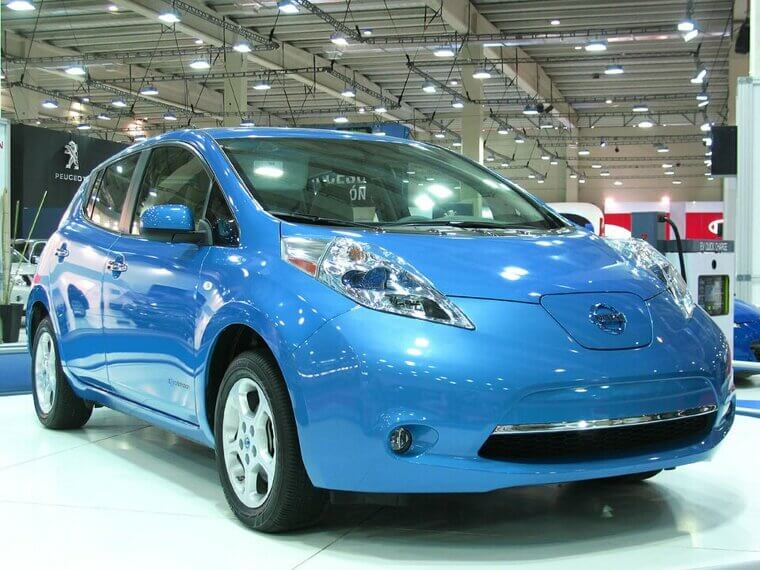
2010 Nissan Leaf
The Nissan Leaf helped push electric vehicles into the mainstream. Problem is, 100-mile range and aging battery technology feel tiny next to modern EV range and fast-charging systems. It now feels like an early experiment.
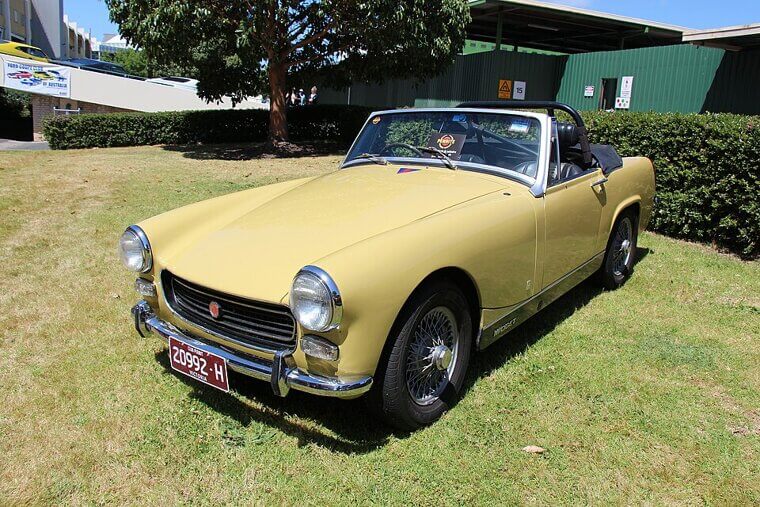
1961-79 MG Midget
The MG Midget wins points for classic convertible charm. But low horsepower, zero modern safety features, and weak highway performance make it tough to daily drive today. Cute? Yes. Practical? Not really.
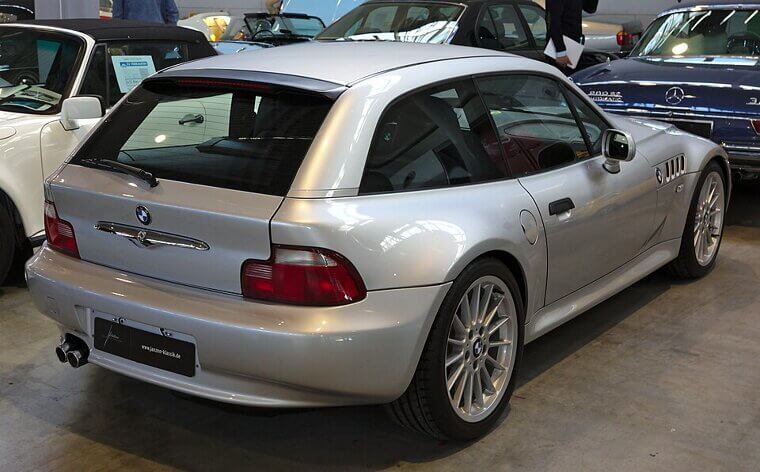
1998 BMW Z3 Coupe
The BMW Z3 Coupe had strong engine options and real sports car handling. Still, the odd “clown shoe” design turns people off. Even with decent performance specs, the resale appeal stays niche.
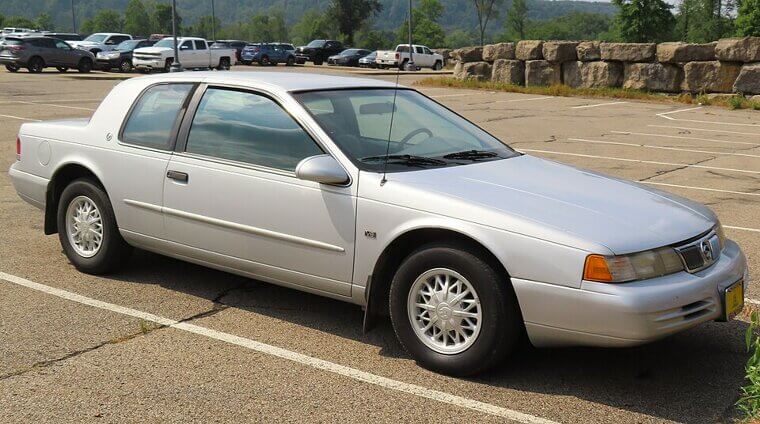
1989-97 Mercury Cougar
The Mercury Cougar tried to offer affordable muscle car vibes. But average acceleration, dated styling, and bland interior features make it fade into the background today. It’s nostalgia, not performance, keeping it alive.
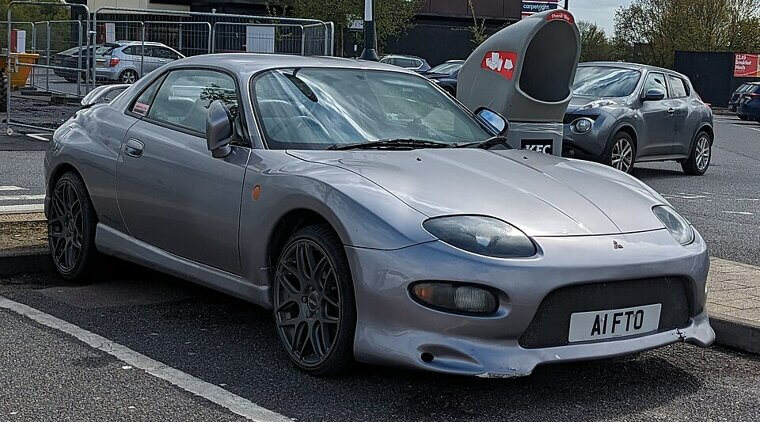
1994-2000 Mitsubishi FTO GR
The Mitsubishi FTO GR aimed at the sporty coupe crowd. Yet modest V6 power, limited collector demand, and outdated design hold it back now. It feels more like a forgotten ‘90s import than a future classic investment.
1997-2002 Plymouth Prowler
The Plymouth Prowler looked like a hot rod straight from a concept car show. Sadly, the weak V6 engine and lack of real muscle car performance killed the hype. Flashy design, sure — but not the high-performance numbers people expected.