Snakes are fascinating creatures, but not all of them are safe to be around. Some slither silently, while others strike fast—and a few are downright deadly. From the forests of Asia to the deserts of Australia, there are snakes that you absolutely don’t want to run into. In this article, we’re taking a closer look at some of the most dangerous snakes around the world and why it’s best to admire them from a safe distance.
Jararaca – Southeastern Brazil
The jararaca is one of Brazil’s deadliest snakes. Its venom is super potent, and even a small bite can be dangerous for humans. People living near forests or urban areas have to be careful.
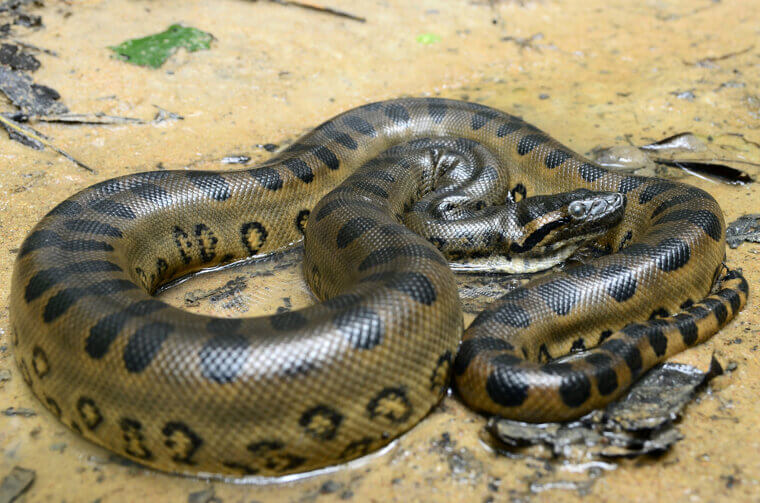
This snake has caused thousands of bites over the years. If you ever see one, stay calm and keep your distance—antivenom is key, but avoiding it is better.
Green Anaconda – Brazil
The green anaconda is huge, heavy, and one of the strongest snakes in the world. It’s a constrictor, so it kills by wrapping around its prey and squeezing tight.
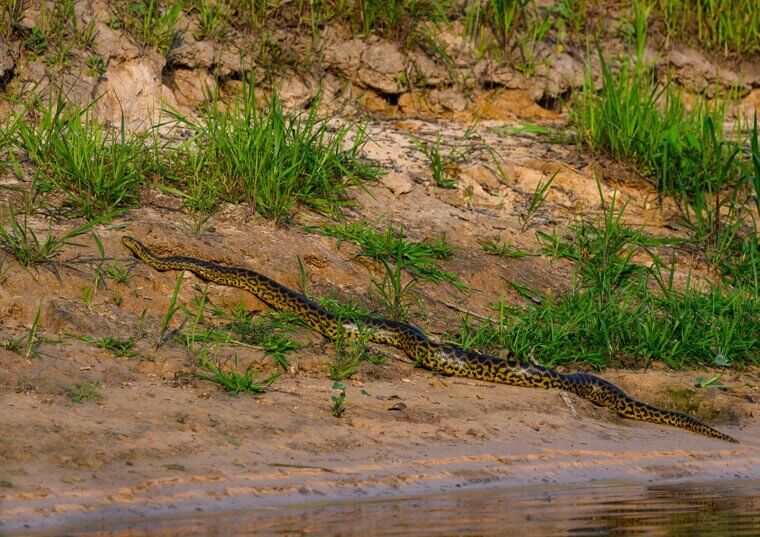
Even though it’s not venomous, its bite can be nasty and tough to handle. Big rivers and swamps in South America are where you might encounter these giants, so always be alert.
Tiger Keelback – Eastern Asia
This shy snake is famous for storing poison from the toads it eats. It’s super rare to see one, but bites can be serious if antivenom isn’t available.
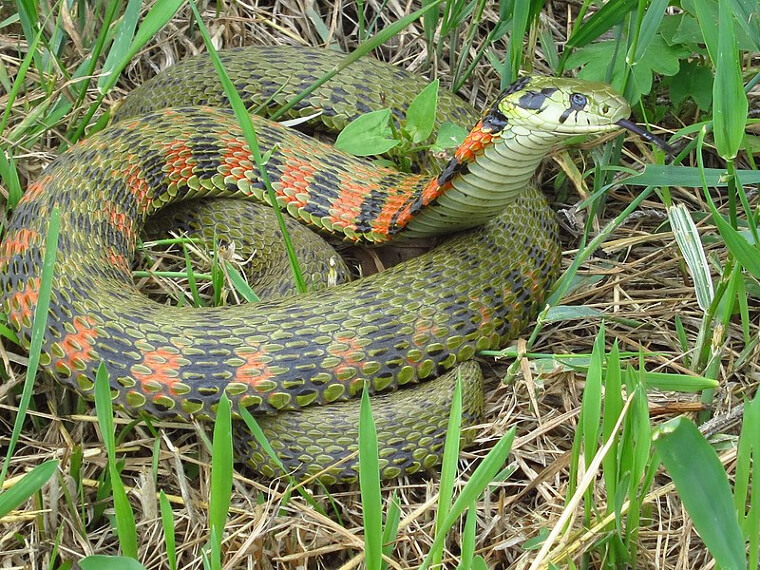
Tiger keelbacks usually avoid humans. They flatten themselves or run away instead of striking—but still, don’t take chances if you spot one.
Black Mamba – Southern and Eastern Africa
The black mamba is fast, deadly, and one of the most toxic snakes on Earth. Its neurotoxic venom works insanely fast, sometimes killing within hours.
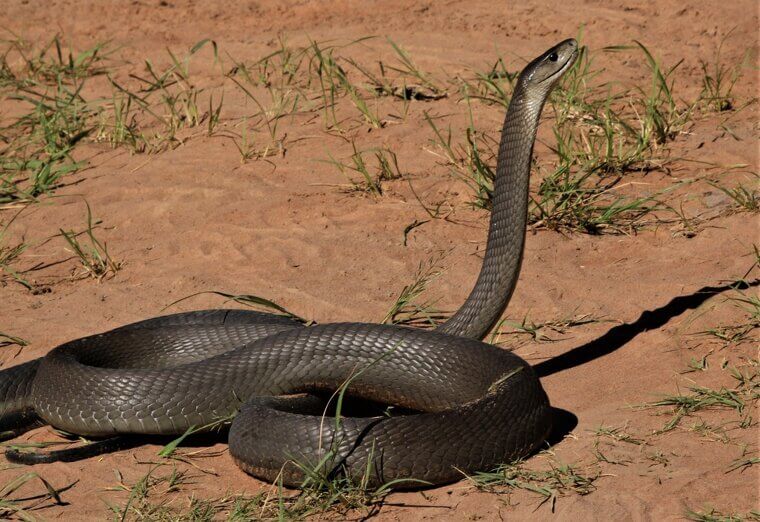
It can strike multiple times and is highly aggressive when threatened. These snakes live on the ground and in trees, so keep your eyes peeled in Africa.
Eastern Diamondback – Southeast America
Rattlesnakes get a warning rattle, but the Eastern Diamondback is the biggest and most venomous in North America. Its venom has over 100 different toxins.
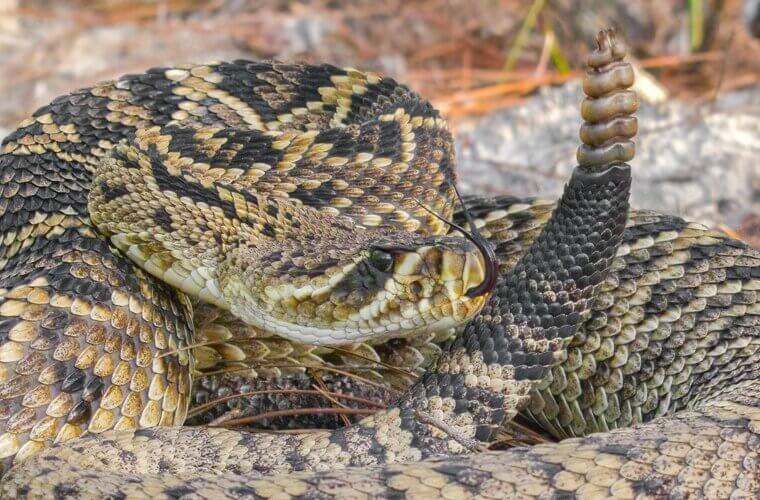
Bites are serious and can be fatal. If you’re hiking in the Southeast US, watch where you step—these snakes blend in really well.
Indian Cobra – India
The Indian cobra is famous for its hood and deadly venom. Its neurotoxins can paralyze muscles, and bites may even cause heart or breathing problems.
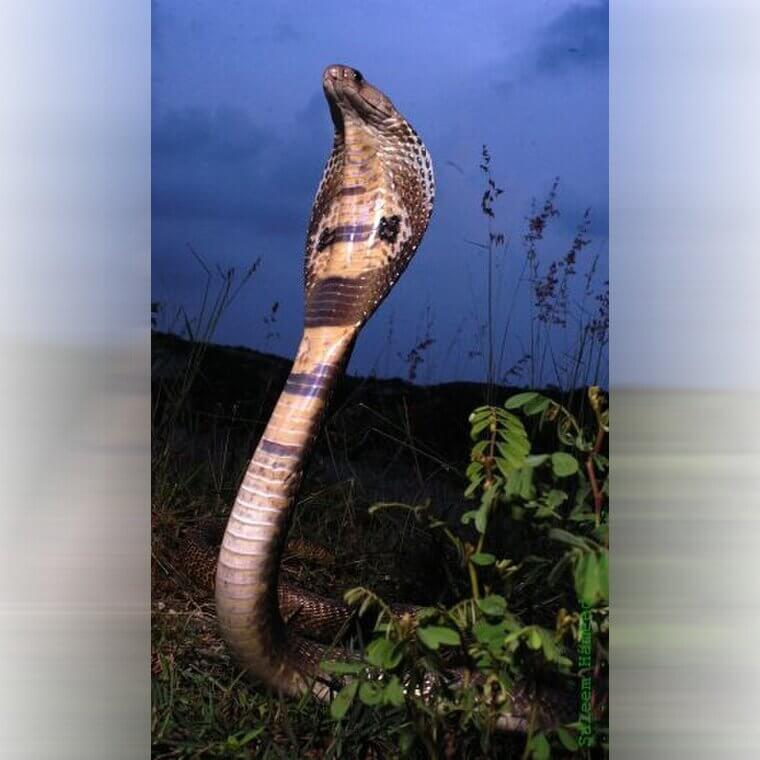
Despite being revered in India, this snake is dangerous. Quick medical treatment is crucial, but avoiding bites altogether is smarter.
Saw-Scaled Viper – Southwest Asia
Saw-scaled vipers make a sizzling noise when threatened. They’re small but super fast and responsible for tons of snakebite deaths worldwide.
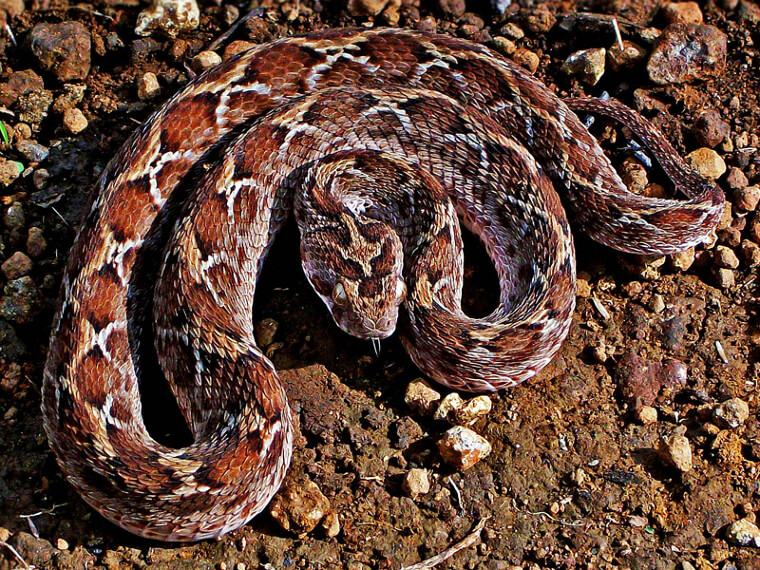
These snakes hunt mostly at night. Walking carefully and using a flashlight in their habitats is smart if you’re in India, the Middle East, or Africa.
Common Krait – India
The common krait is mostly nocturnal and deadly. It’s quiet during the day, but at night it becomes active and aggressive.
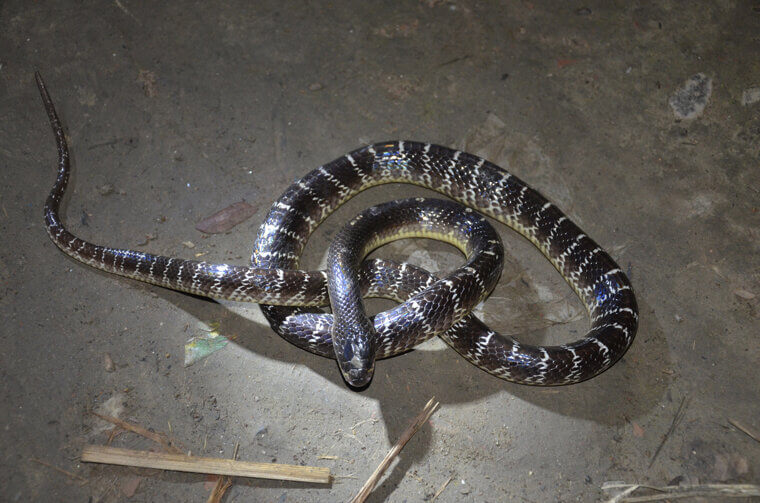
The common krait is mostly nocturnal and deadly. It’s quiet during the day, but at night it becomes active and aggressive.
Philippine Cobra – Northern Philippines
Shutterstock/Arabindu Sardar
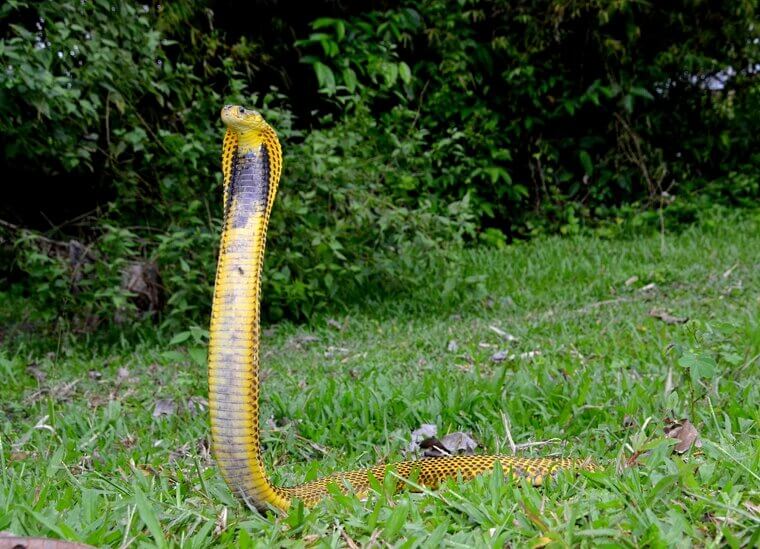
Victims can quickly get headaches, nausea, and even respiratory failure. Clinics here are trained to treat bites fast, but staying away is the best plan.
Desert Horned Viper – Northern Africa and Southwestern Asia
Easily spotted by its “horns” above the eyes, this desert snake packs potent venom. Even a small bite can cause swelling, bleeding, and severe pain.
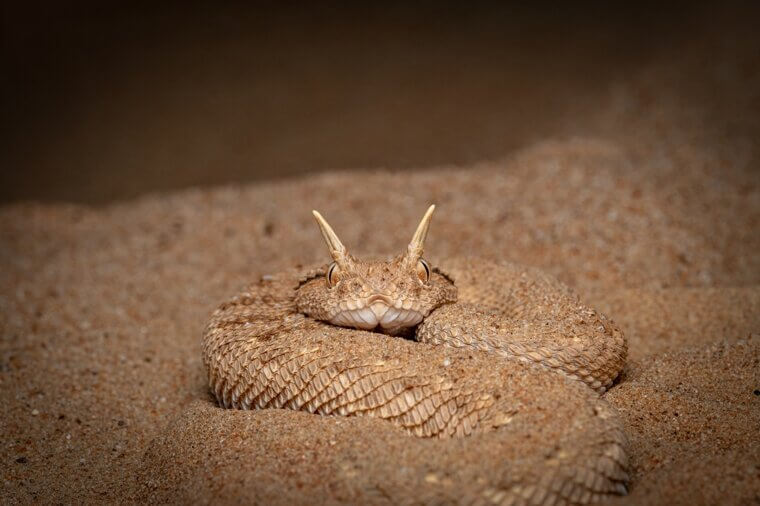
Its venom is fast-acting, making it deadly if untreated. If you’re in Sahara or Middle Eastern deserts, watch your step—these vipers hide in the sand.
Boomslang – Central and Southern Africa
The boomslang is a tree-dweller with deadly hemotoxin venom. It can make your blood clot or bleed out over hours, which can fool victims into thinking they’re safe.
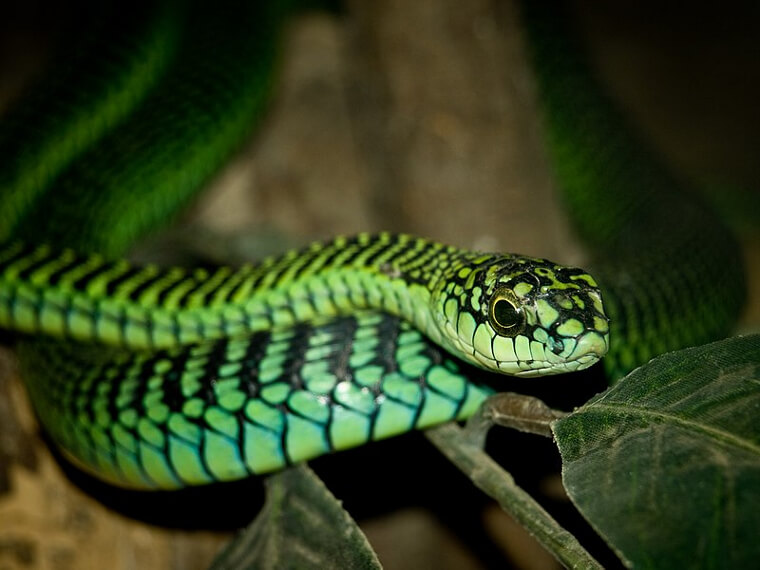
Even though it’s in the Colubridae family, its bites are serious. Keep distance if you spot one in African forests or near trees.
Eastern Brown Snake – Eastern and Central Australia
The eastern brown snake is super venomous and one of Australia’s deadliest land snakes. Its bite acts on blood fast and can collapse victims in minutes.
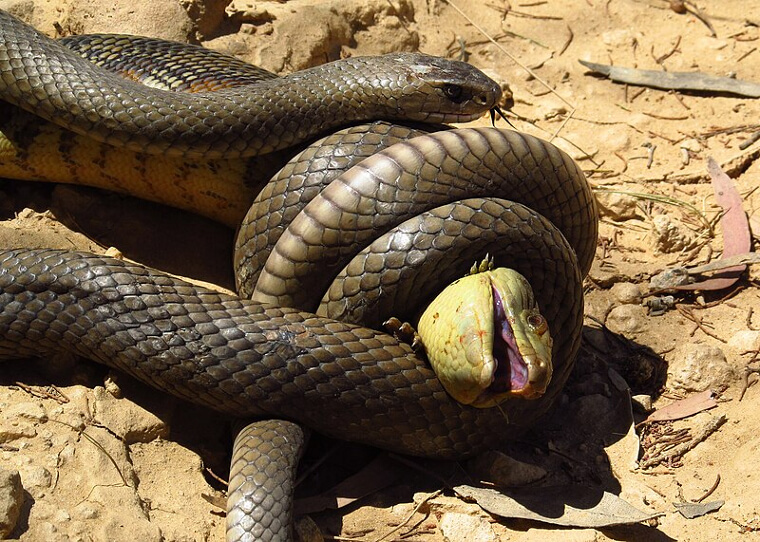
These snakes are common in urban areas too. Always be careful near fields or backyards in Australia.
Elephant Trunk Snake – Southeast Asia
Big, fat, and wrinkly, the elephant trunk snake is more aquatic than venomous. Its powerful body can pull you under if you get too close in rivers or swamps.
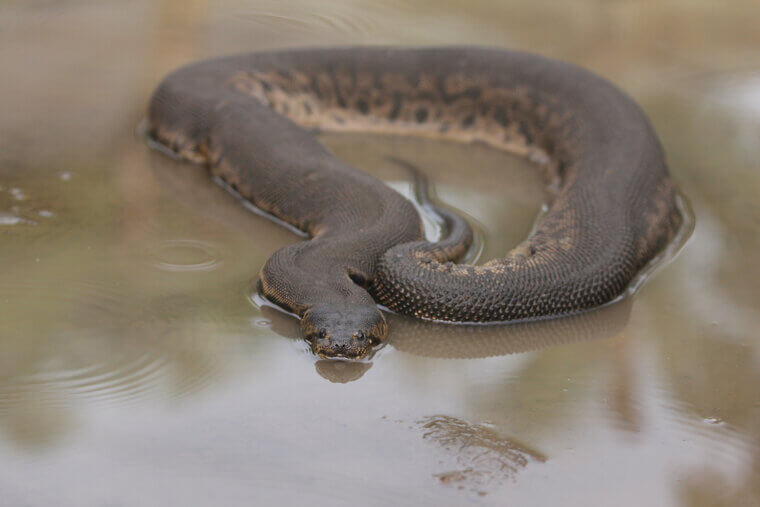
Mostly harmless if left alone, but they can bite if they mistake a hand or foot for prey. Respect these underwater predators.
Death Adder – Eastern Australia
The death adder is an ambush predator with one of the deadliest venoms in the world. It waits for prey and sometimes bites humans by accident.
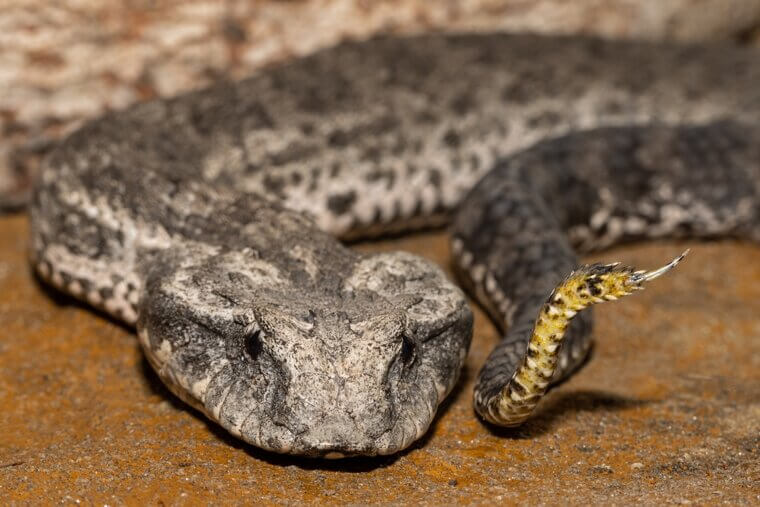
Bites can be fatal if untreated, but modern antivenoms save lives. Still, spotting one in the wild calls for caution.
King Cobra – Southern Asia
The king cobra is massive and rare, but deadly. Its venom has neurotoxins, cytotoxins, and cardiotoxins—all designed to stop the circulatory system fast.
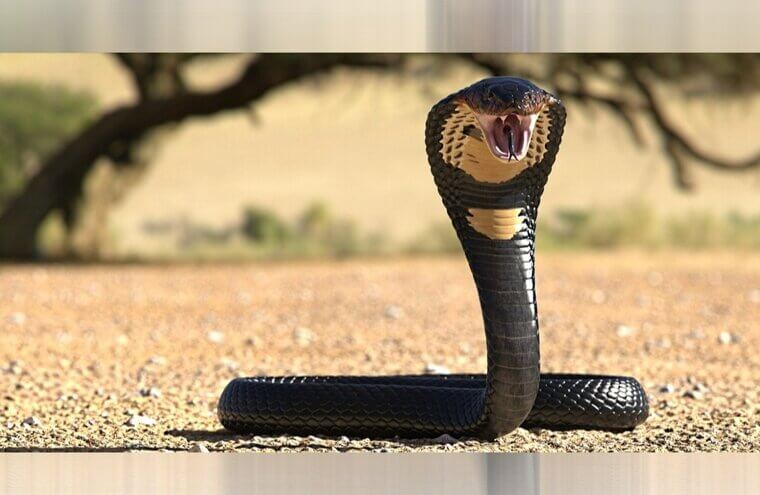
It can strike quickly and multiple times. Luckily, it avoids humans, but you don’t want to get close in southern Asia.
Yellow-Bellied Sea Snake – Tropical Coastlines
The yellow-bellied sea snake is found on almost all tropical coasts. Its venom is super deadly and can damage muscles and kidneys.
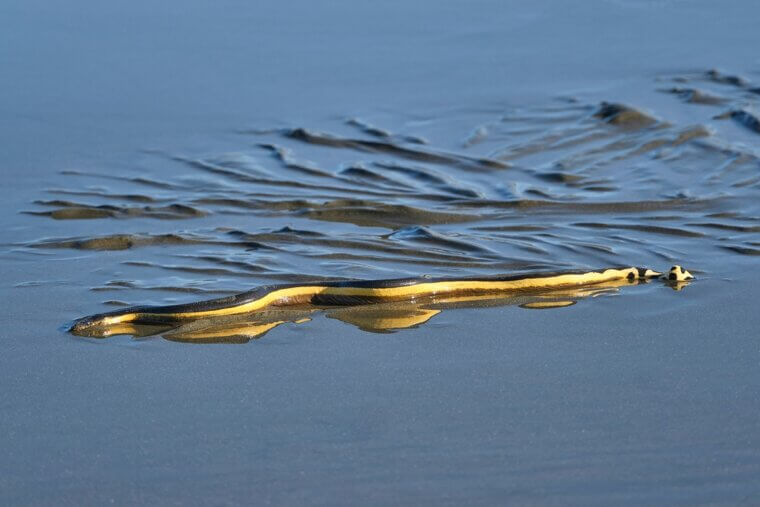
Bites are rare, mostly happening to fishermen. If you see one in the water, give it space—it’s not a snake you want to mess with.
Darevsky’s Viper – Eastern Europe
This small viper lives in Armenia, Turkey, and Georgia. Its bite is painful and causes swelling, but it’s less deadly than other vipers.
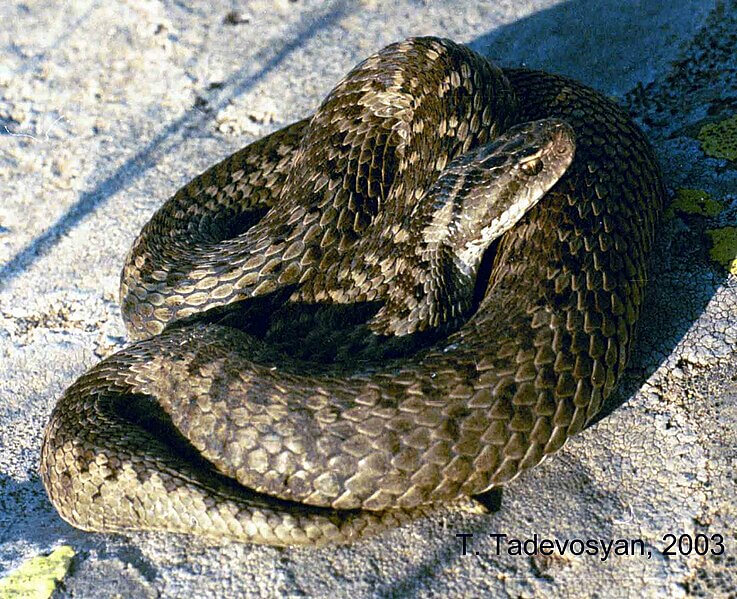
Interestingly, it has a fast metabolism and needs lots of food. Still, it’s wise to avoid it if you’re hiking in its habitat.
Russell’s Viper – India
Russell’s viper is part of India’s Big Four and packs a strong venom. Its bite causes bleeding, kidney damage, and can drop blood pressure fast.
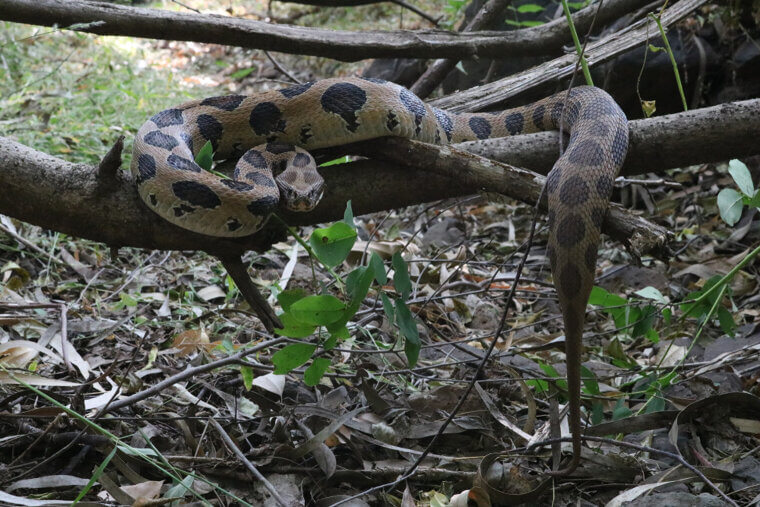
Usually slow and sluggish, it reacts violently if provoked. Don’t try to handle it—stay safe and get antivenom if bitten.
Coastal Taipan – Northern and Eastern Australia
The coastal taipan is aggressive and deadly. Its neurotoxin venom can cause paralysis, droopy eyes, and blood clotting.
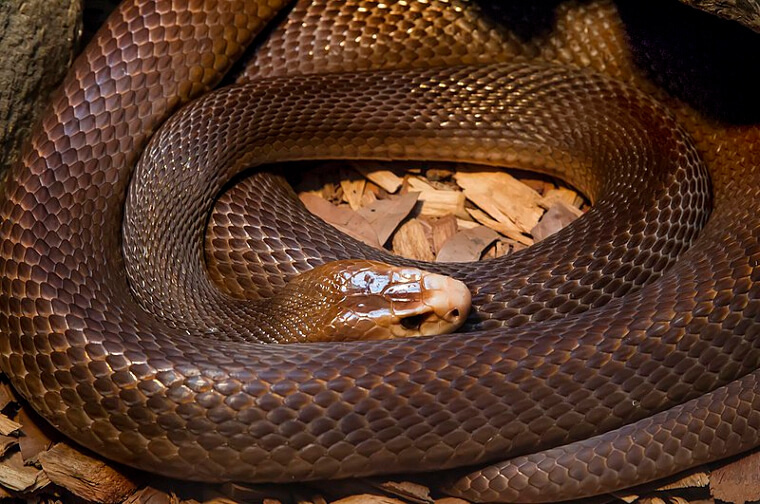
It’s highly adaptable and even found near urban areas. Give this snake a wide berth if you spot one in Australia.
Malayan Snake – Southeast Asia
The Malayan snake is bright and colorful—a natural warning to stay away. Its long venom glands deliver a fast-acting neurotoxin.
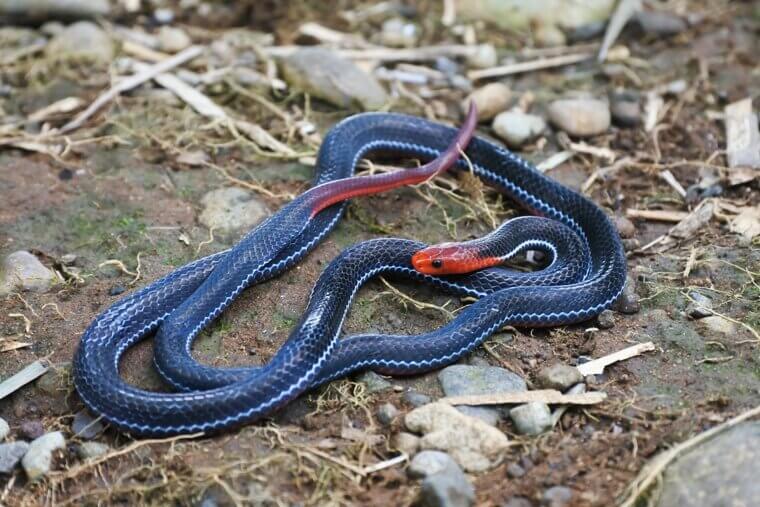
It rarely attacks humans, but fatal bites are possible. Spot one in Indonesia, Thailand, or Burma? Respect its warning colors.
Mole Viper – Middle East
The mole viper is dark, venomous, and hard to see in low light. Its head and tail look the same, which makes it tricky to handle safely.
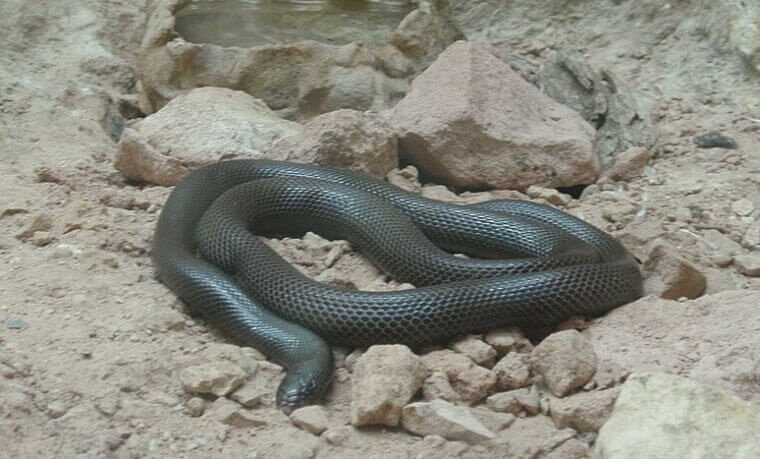
Its venom is deadly, but it mostly stays underground. Minimal human encounters, yet caution is still key in deserts.
Many-Banded Krait – Southeast Asia
The many-banded krait earned the nickname “two-step snake” for its deadly venom. It can paralyze muscles and suppress breathing quickly.
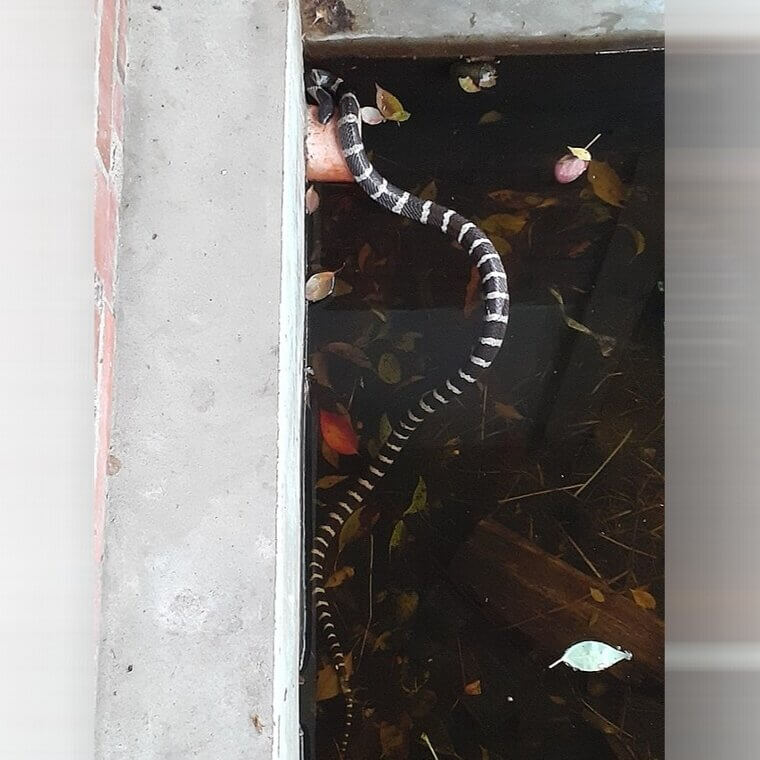
Without treatment, bites can be fatal. Found across Southeast Asia and parts of China, it’s one of the most venomous terrestrial snakes.
Forest Cobra – Central and Western Africa
The forest cobra, also called the black cobra, is the largest true cobra in Africa. It’s semi-aquatic and can live in rivers, savannahs, and even semi-deserts.
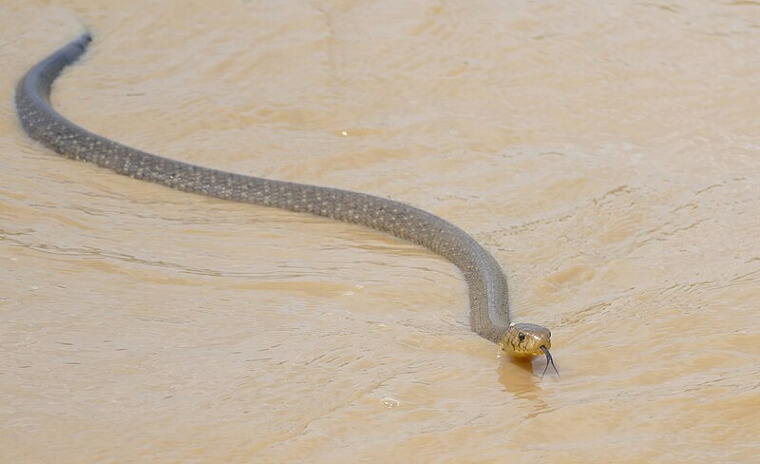
Its neurotoxin is super strong, causing dizziness, hearing loss, and speech problems. Luckily, it’s shy and usually avoids humans.
Cape Cobra – Southern Africa
The Cape cobra, or yellow cobra, is infamous for its deadly venom. It can take down animals that resist poison, like mongooses.
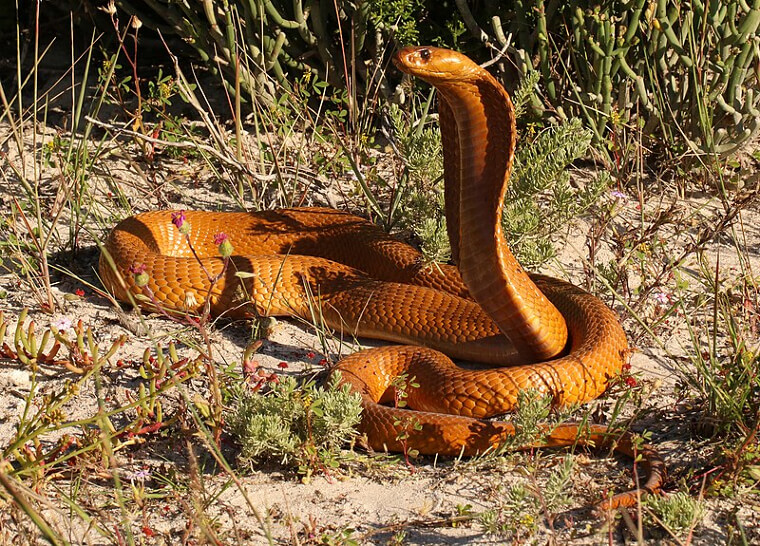
Its venom attacks the heart, nerves, and breathing. Survival is tricky without treatment, so steering clear is safest.
Gaboon Viper – Central Africa
The gaboon viper has the longest fangs of any snake—almost 2 inches! It injects a massive amount of venom and rarely lets go.
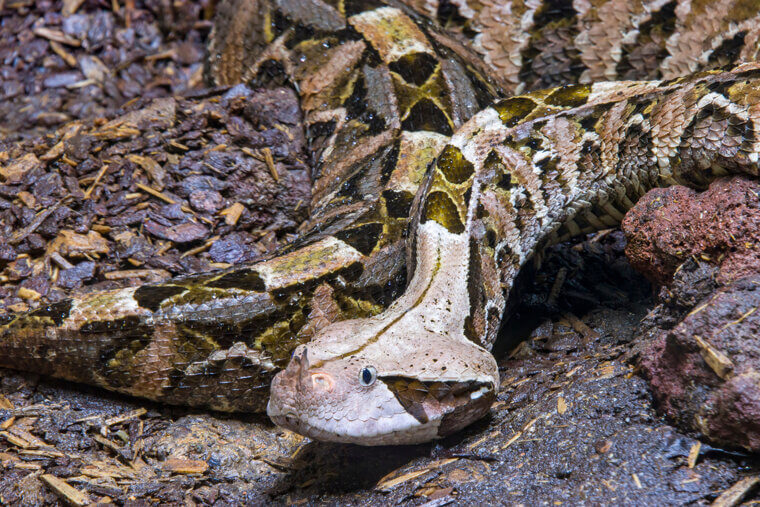
Most bites happen by accident, like stepping on one. Immediate medical help is a must—sometimes lives or limbs are at risk.
Black Tiger Snake – Southern Australia
The black tiger snake is striped like a tiger and can live on land and in water. Its venom causes numbness, tingling, and sweating first.
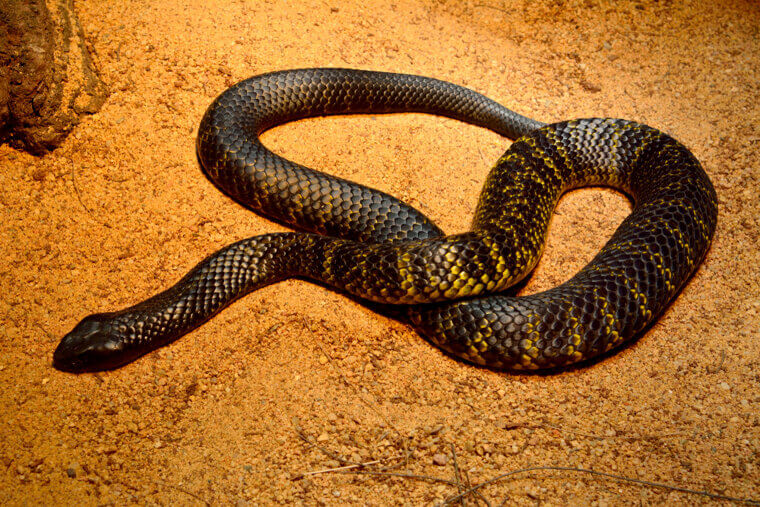
If untreated, rapid breathing problems and paralysis can follow. Mortality is high without care.
South American Bushmaster – South America
The bushmaster is the longest venomous snake in the Western Hemisphere. Its venom causes tissue damage, bleeding, and blisters.
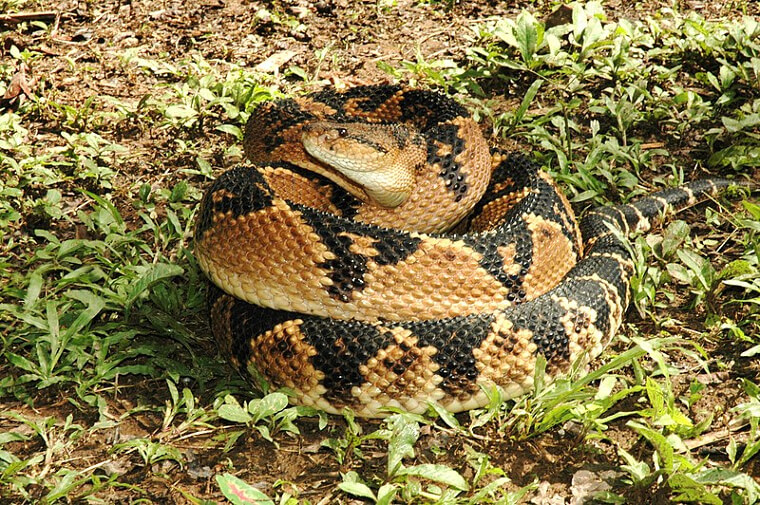
Children and older adults are most at risk. Adults usually survive if treatment is fast.
Green Mamba – Eastern Africa
The green mamba blends perfectly in trees. It’s shy but venomous, and bites can cause cardiac arrest and respiratory failure.
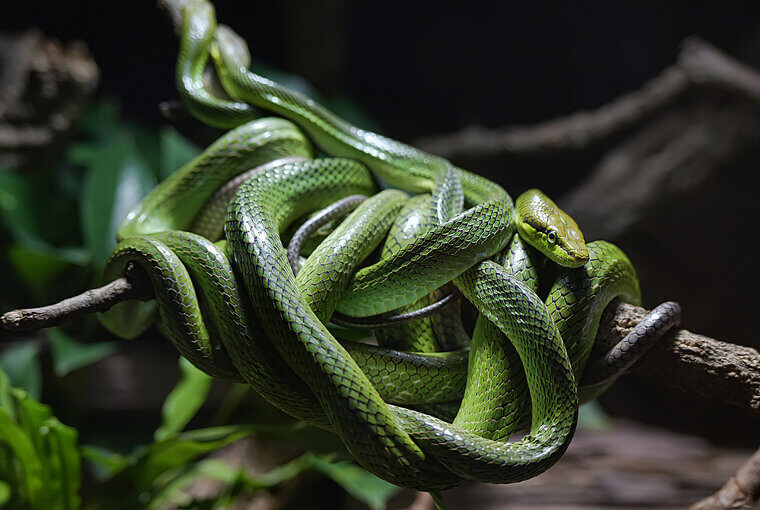
Even a small encounter can be deadly without quick treatment. Keep a safe distance if hiking in Africa.
Beaked Sea Snake – Indo-Pacific Tropics
Beaked sea snakes are aggressive swimmers and extremely venomous. Their neurotoxins and myotoxins are deadly, even in tiny doses.
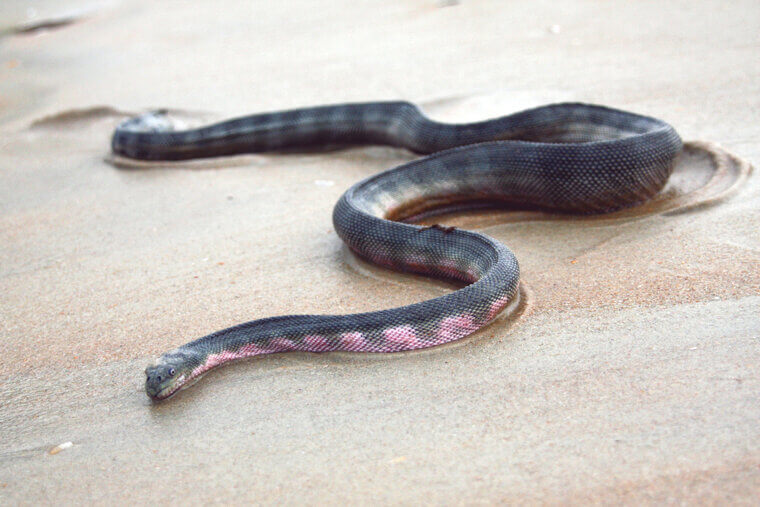
Most bites happen far from help, making fatalities common. Give these sea snakes plenty of space.
Sharp-Nosed Pit Viper – Southern China and Northern Vietnam
Also called the “hundred pacer,” this viper lives in rocky forests. Its venom causes bleeding, ulcers, and necrosis.
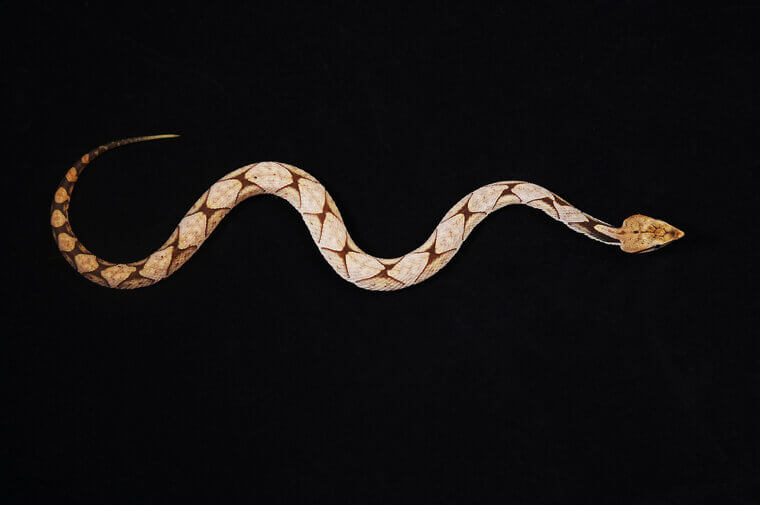
Symptoms can be severe and even fatal if untreated. Legends exaggerate its danger, but caution is still key.
Caspian Cobra – Central Asia
The Caspian cobra is fiercely defensive when cornered. It usually avoids humans, but if threatened, it can strike multiple times.
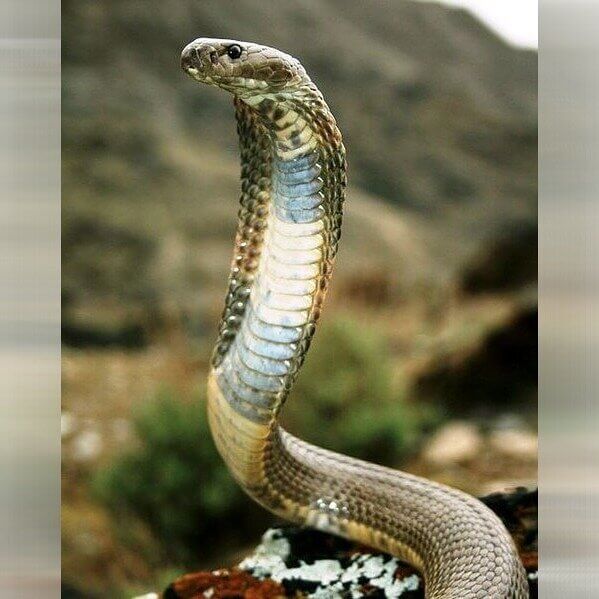
Its venom is super potent, with neurotoxins and cytotoxins causing paralysis, weakness, and low blood pressure. Without treatment, death can happen in as little as 45 minutes .
Mojave Rattlesnake – Southwest America and Mexico
The Mojave rattlesnake is mostly shy and avoids humans. But its venom, known as the “Mojave Toxin,” is among the deadliest on Earth.
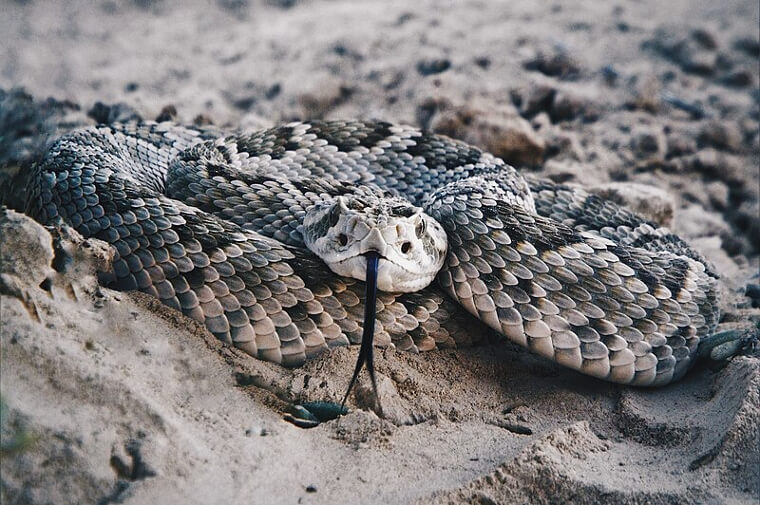
It can cause delayed respiratory paralysis without leaving obvious bite marks. Fast treatment with antivenom is critical .
Terciopelo – Southern Mexico and Northern South America
The terciopelo, or Bothrops asper, causes the most snake bites in Costa Rica and Yucatan. Its bite leads to swelling, bleeding, numbness, and sometimes gangrene.
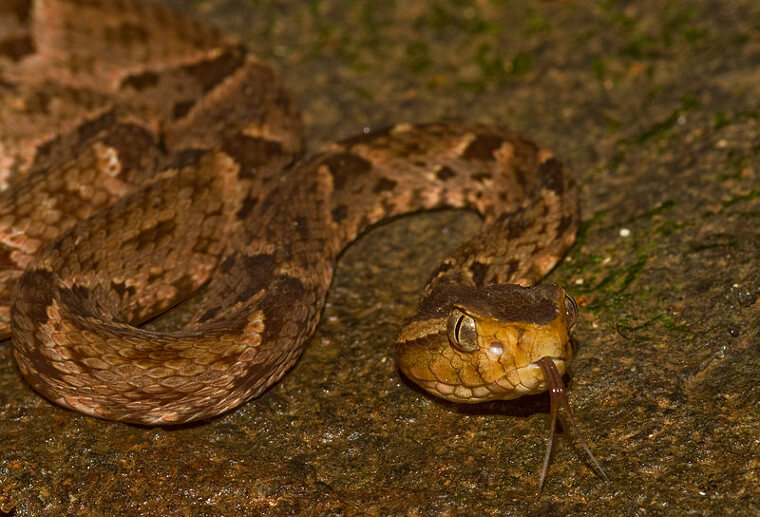
Rural areas are especially risky since people can’t reach medical help fast. Even with antivenom, this snake remains extremely dangerous .
Malayan Pit Viper – Southeast Asia
This snake is short-tempered and strikes with little warning. Its venom causes severe pain, swelling, and tissue necrosis, often leaving victims disabled.
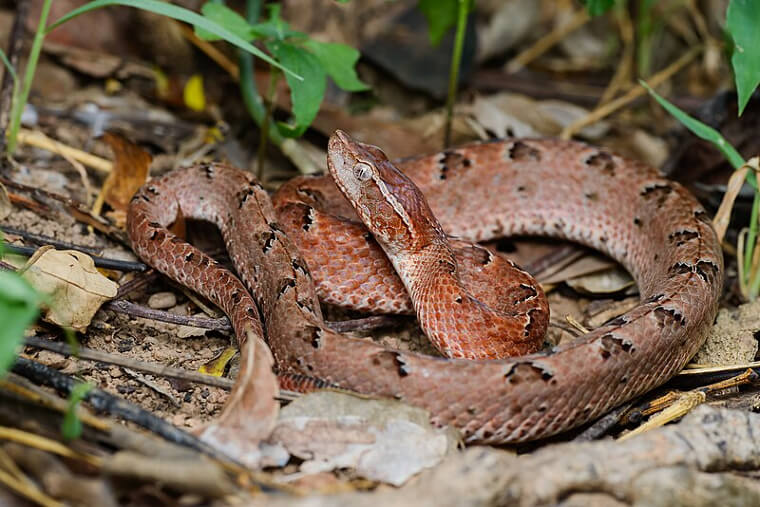
Over 700 bites happen annually in northern Malaysia, but deaths are rare with treatment. Still, it’s a snake you don’t want to stumble across .
Common Death Adder – Australia
The common death adder is an ambush predator with one of the fastest-acting venoms in Australia. Its fangs are the longest of any Australian snake.
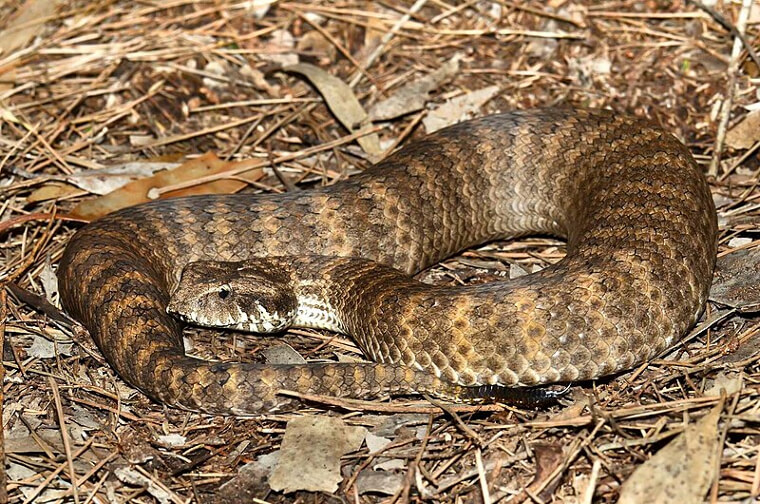
Bites can kill within six hours if untreated. Urbanization hasn’t slowed them down, so keep your distance in the wild .
Tiger Rattlesnake – Southwest America and Northwest Mexico
Tiger rattlesnakes are highly venomous but shy away from humans. Their bites are rare due to tiny fangs, but small children or light adults are at higher risk.
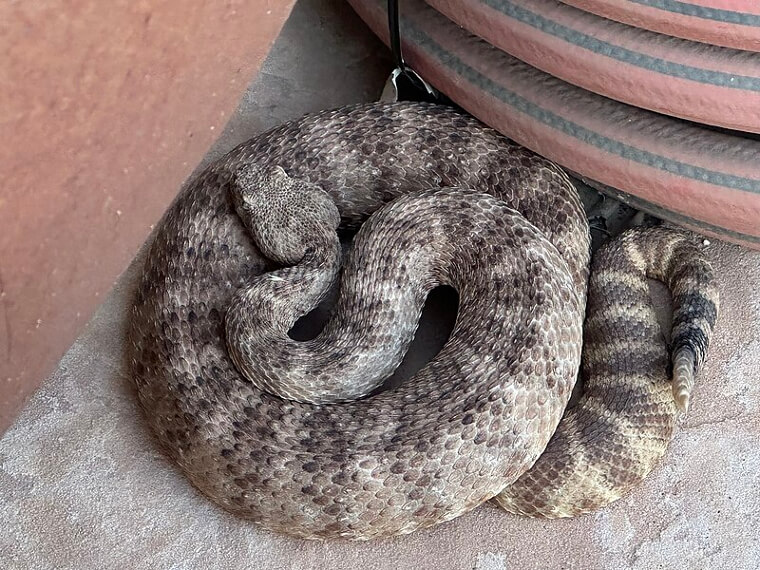
Even though they produce less venom than other rattlesnakes, caution is key when hiking in desert regions .
Hairy Bush Viper – Central Africa
The hairy bush viper looks cool with spines all over its body, but don’t be fooled—its bite is deadly. It can cause severe internal bleeding if untreated.
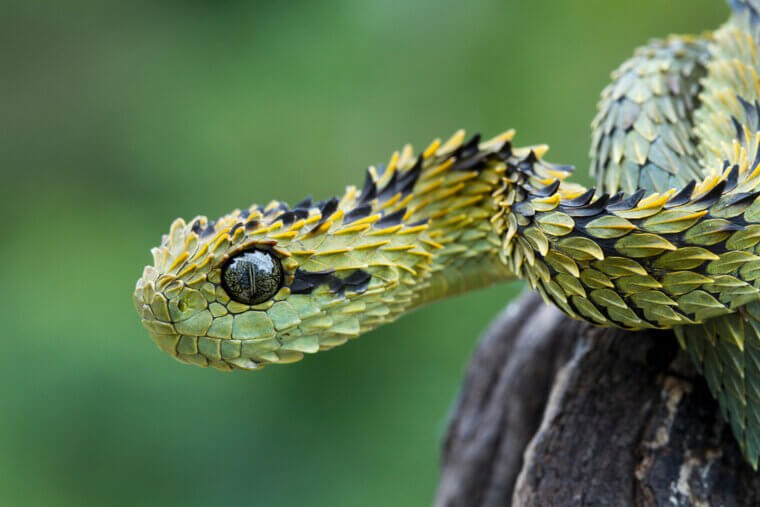
Venom potency varies by weather, altitude, and even the snake’s sex. Bites are rare, but they’re nothing to underestimate .
Western Brown Snake – Western Australia
The western brown snake is slender but highly venomous. It latches onto prey and doesn’t let go, delivering potent neurotoxic and hemolytic venom.
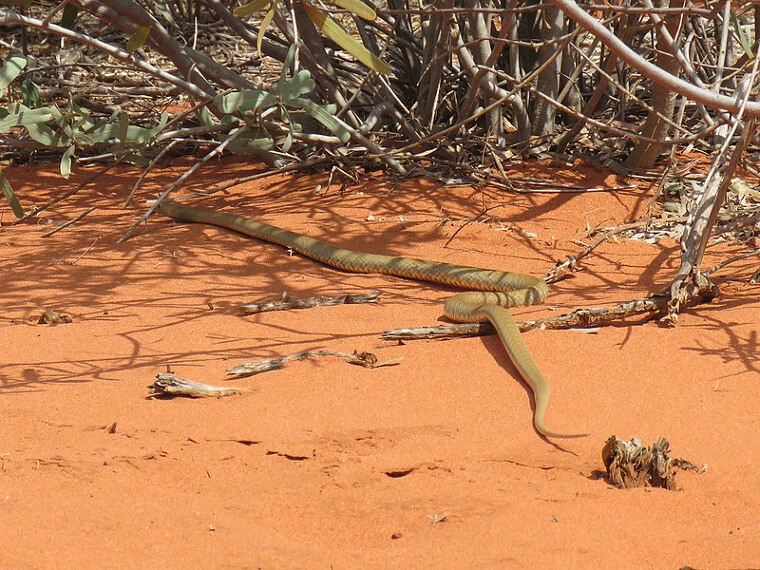
These snakes are fast and nervous, preferring to escape humans. Still, if bitten, the venom can be fatal without immediate treatment .