
Ever bought a tool thinking, “This is gonna save me so much money on home repairs”… and then it just sat there collecting dust? Yeah, same. Some DIY tools look like genius investments at first — especially when you’re deep into a home improvement project and watching those contractor quotes climb. But not every power tool is worth the price tag. In fact, some of the most hyped home renovation gadgets end up being expensive mistakes. Let’s talk about the DIY tools people bought with big plans… and instantly regretted.
Read This List Before Starting a New DIY Project
DIY can save you a lot on home renovation costs. That’s why so many people skip hiring a contractor and try to handle upgrades themselves. But the wrong home improvement tools can turn a money-saving plan into an expensive mistake real quick.
Some tools are poorly made. Some are too advanced for beginners. And some just don’t deliver what they promise. These are the kinds of purchases that leave people wishing they had stuck with simple, reliable gear instead.
Laser Levels
Laser levels look high-tech and professional. They promise perfect lines for shelves, tile work, and other home remodeling projects. Sounds like a smart investment if you want precise results.
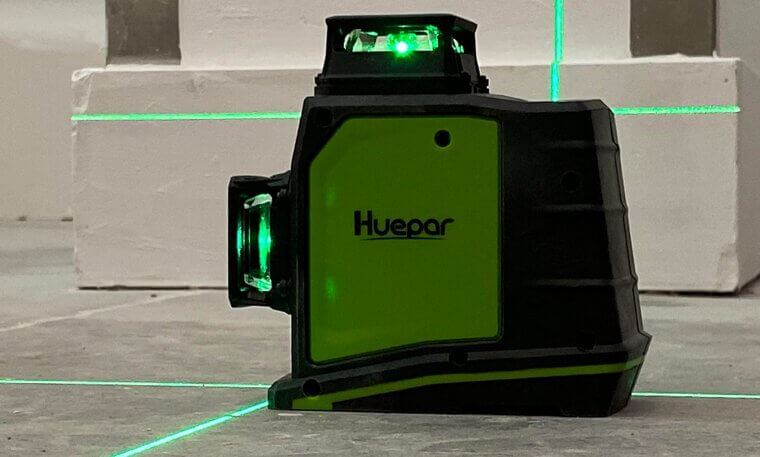
But many DIYers say they’re overly sensitive and hard to set up. A small movement can throw everything off. In the end, a basic bubble level often works better — and costs way less.
Electric Paint Sprayers
An electric paint sprayer seems like a fast way to upgrade your walls and boost home value. It promises smooth coverage and less effort compared to rollers and brushes.
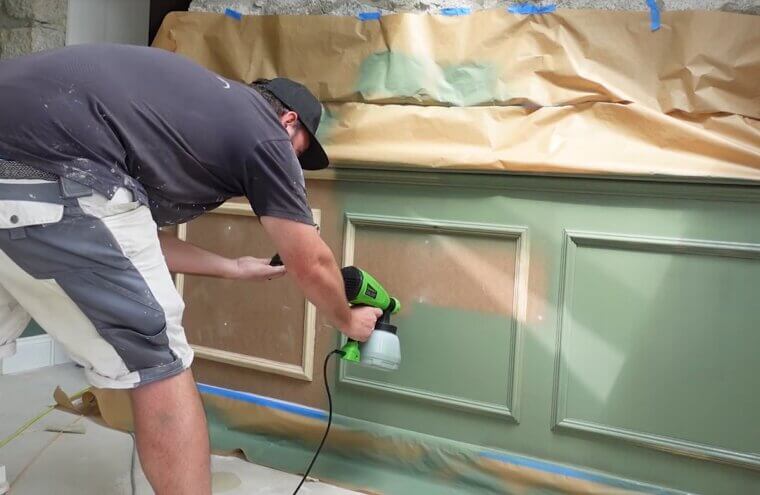
Reality? They clog, overspray, and take forever to clean. If the paint isn’t thinned just right, you get drips and uneven finishes. What should save time often creates more prep and more mess.
Rotary Tools With Attachments
Rotary tools advertise cutting, sanding, carving, and more — all in one device. For beginners looking to build a solid DIY tool kit, that sounds like a great deal.
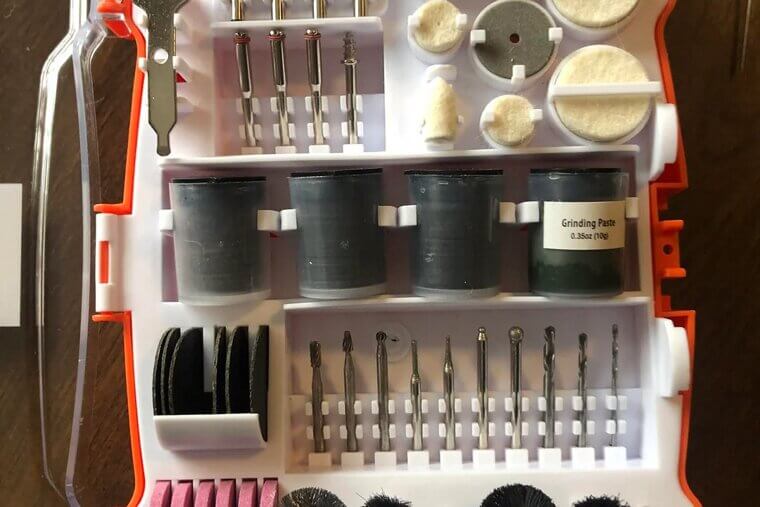
But most people end up using only one or two attachments. The extras wear out fast or feel flimsy. Switching between them can be more hassle than it’s worth.
Tile Cutters
A tile cutter seems essential if you’re planning a bathroom or kitchen upgrade. For bigger home improvement projects, it feels like a must-have tool.
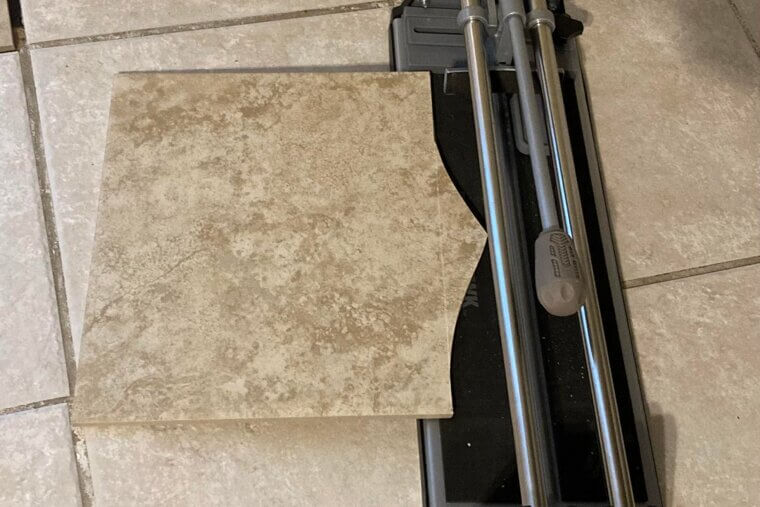
The problem is, cheaper models often crack or chip tiles. Many DIYers say renting one makes more financial sense. Otherwise, you risk wasting materials and blowing your budget trying to get clean cuts.
Cordless Hot Glue Guns
Cordless sounds convenient, right? No wires. More freedom. Perfect for quick DIY craft projects or small home repairs.
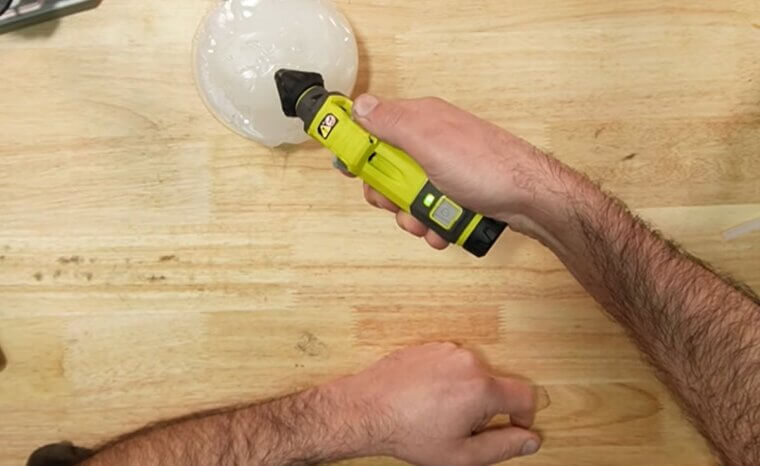
But a lot of people say they just don’t perform like corded models. They don’t get hot enough. The battery dies fast. And the glue cools way too quickly between uses. What’s supposed to make your home improvement project easier ends up slowing you down big time.
Cheap Stud Finders
A stud finder should be simple. Beep when it finds a stud. That’s it. Especially if you’re doing serious wall mounting or trying to avoid costly drywall repairs.
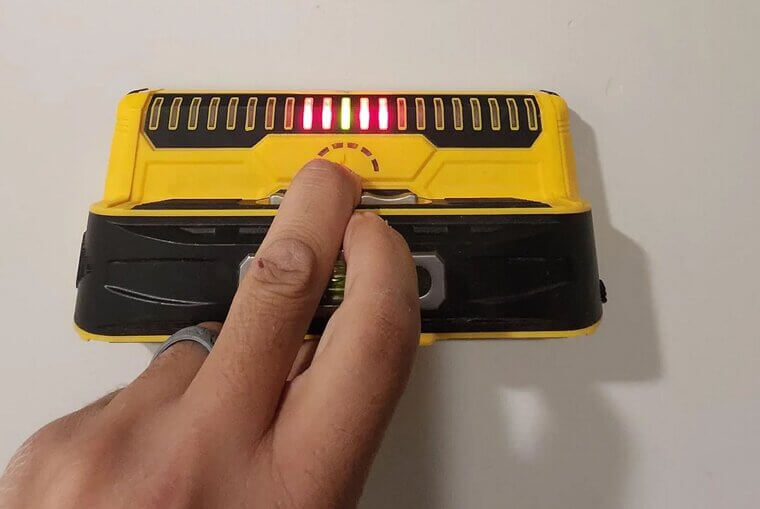
The cheap ones? Total gamble. Some beep randomly. Others miss studs completely. Now you’ve got ten useless holes to patch. If there’s one home renovation tool worth investing in, it’s this one.
Oscillating Multi-Tools
These get marketed like the ultimate all-in-one power tool for home remodeling. Cut, sand, scrape — they claim to do it all.
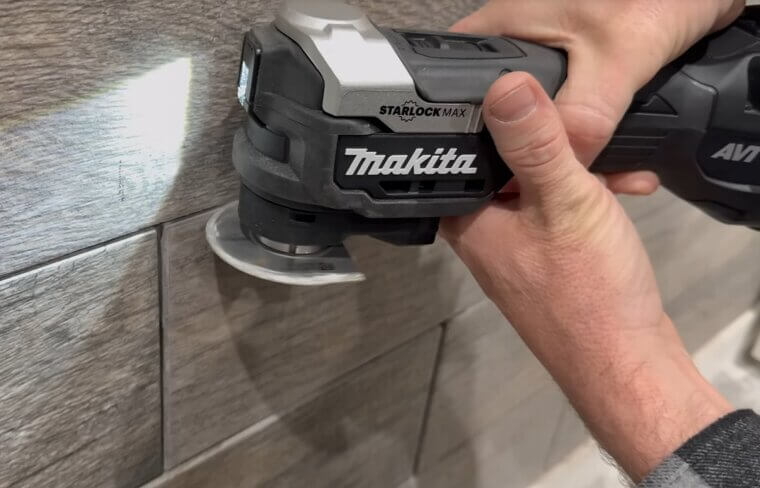
In reality, they’re loud, awkward, and often underused. Most people buy one for a single project, then it sits in the garage. Add in blades that wear out fast, and it starts feeling like an overpriced gadget.
Digital Tape Measures
A digital tape measure sounds modern and smart. Like a must-have for precise home improvement measurements.
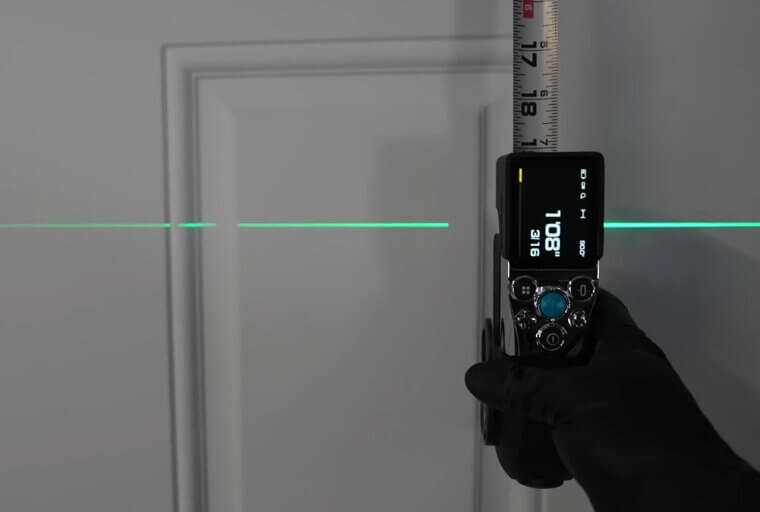
But most DIYers go back to the regular tape. The screen lags. The battery dies. Sometimes it’s less accurate than the manual version. For something this simple, old-school usually wins.
Mini Table Saws
Mini table saws look perfect for small workshops and beginner woodworking projects. Compact. Affordable. Easy to store.
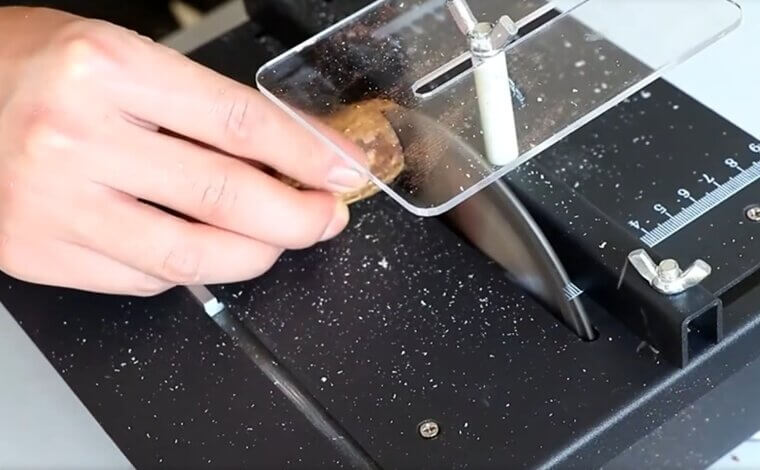
Problem is, many are underpowered. They struggle with average wood pieces and can’t cut straight consistently. Instead of speeding up your project, they turn simple cuts into frustrating do-overs.
Pocket Hole Jigs
Pocket hole jigs sound like a pro move for building furniture or boosting your custom cabinet projects. Strong joints. Clean finish.
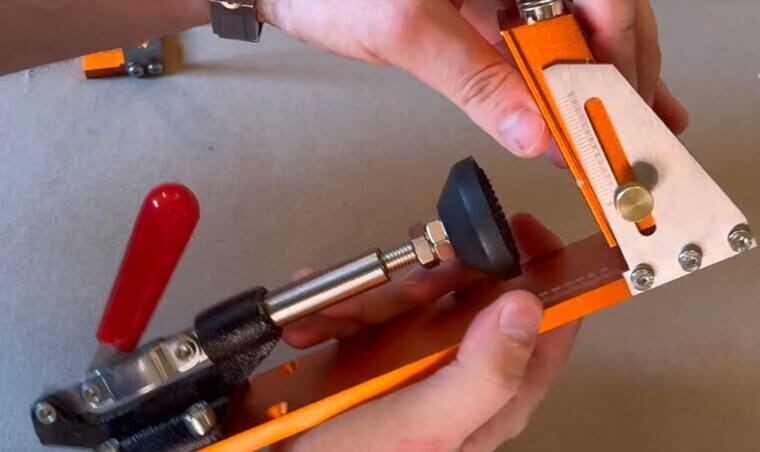
But unless you’re building stuff every weekend, it’s often overkill. The setup can feel complicated for beginners. For small projects, wood glue and clamps usually do the job just fine.
Electric Screwdrivers
An electric screwdriver seems like a time-saver for quick home repair tasks. Light, compact, easy to use.
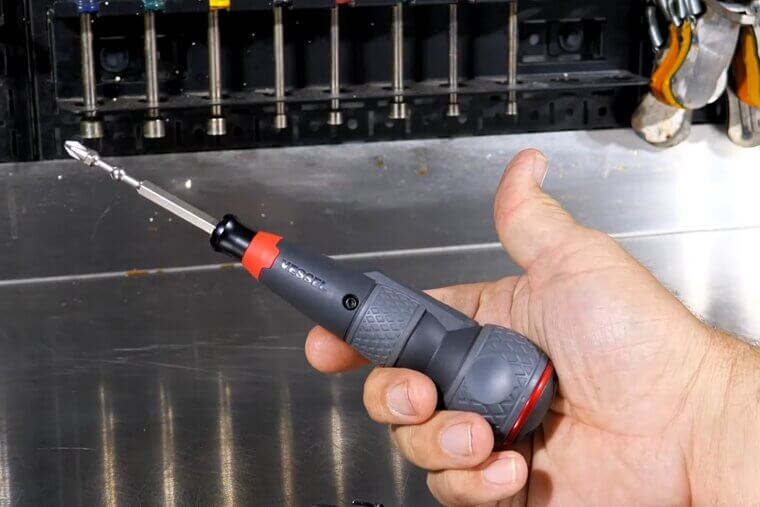
But they’re usually weak and slow. Tough screws? Forget it. The battery always seems to die at the worst time. Most people end up grabbing a manual screwdriver anyway — it’s faster and more reliable.
Benchtop Jointers
They look serious. Like something straight out of a pro woodworking shop. If you’re thinking about leveling up your custom furniture projects, it feels like a smart buy.
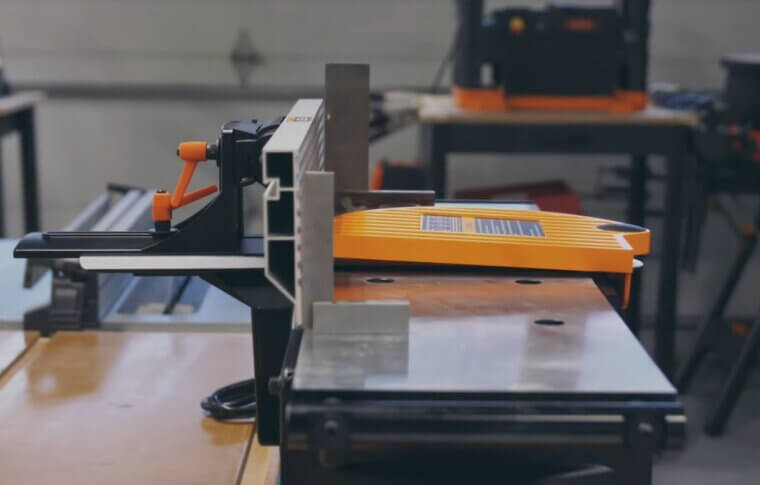
But for most casual DIYers? Total overkill. They’re loud, take up space, and need constant adjustments to stay precise. If you don’t know exactly what you’re doing, you can ruin good lumber fast — or worse, hurt yourself. For small home projects, it’s just too much machine.
Handheld Steam Cleaners
These promise deep cleaning magic. Blast grime. Sanitize surfaces. Upgrade your home cleaning routine in minutes.
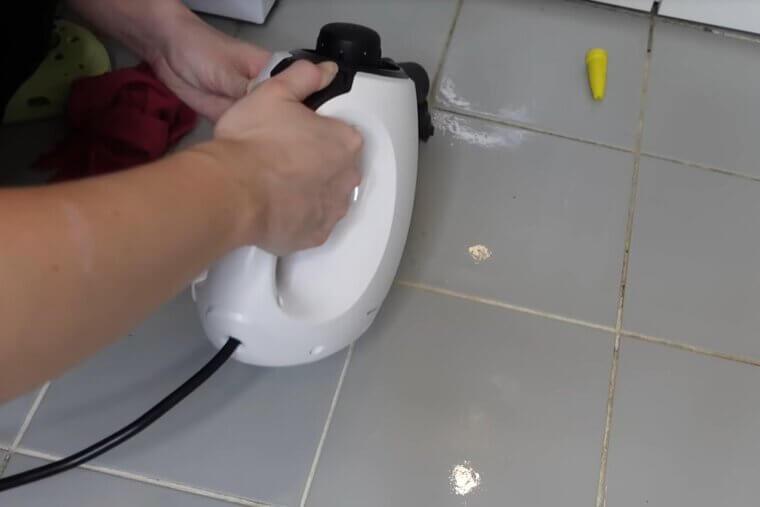
Reality is less exciting. Many just spray lukewarm water after a short burst of steam. The water tank runs out fast. Heat-up takes forever. Most people end up going back to basic cleaning supplies and calling it a day.
Paint Edgers
Paint edgers claim to replace painter’s tape and give you clean, sharp lines. Sounds perfect for a quick interior home upgrade.
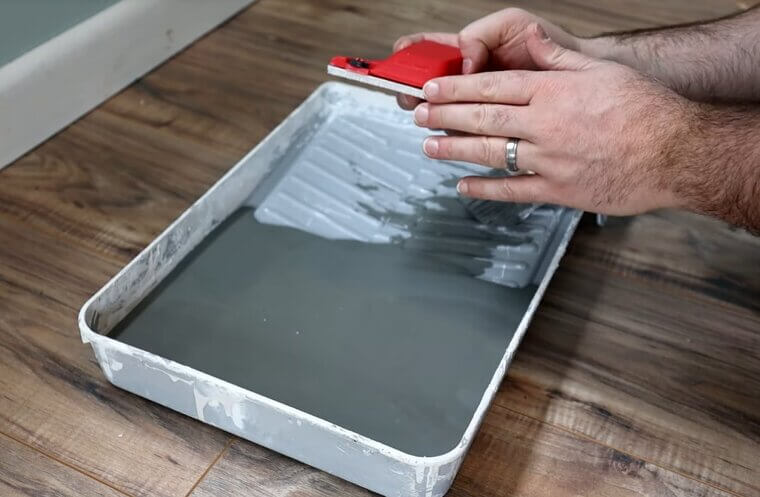
But one small slip and you’ve got paint on the ceiling. They struggle on textured walls and can be messy to clean. Over time, the pads wear out and the lines get less precise. What was meant to save time often adds more cleanup.
Magnetic Wristbands for Screws
On paper, this feels genius. Keep screws handy during your home repair projects. No more digging in pockets.
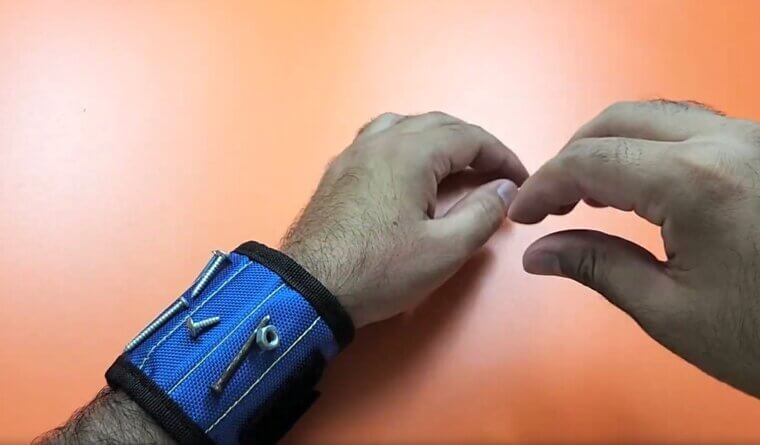
But the magnet is often too weak. Screws fall off when you move. The band feels bulky. Sometimes it even scratches surfaces. Honestly, a simple parts tray usually works better — and costs less.
Angle Grinders
Angle grinders are powerful. Great for cutting metal or masonry during bigger home renovation projects.
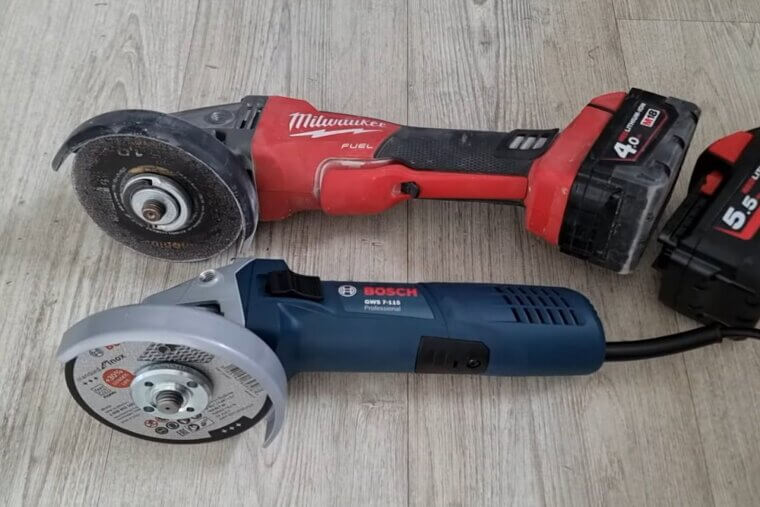
But if you’re a beginner? They’re intimidating. Sparks flying. Loud noise. Fast-spinning disc. For basic DIY work, they’re usually unnecessary. And replacement discs add up in cost over time.
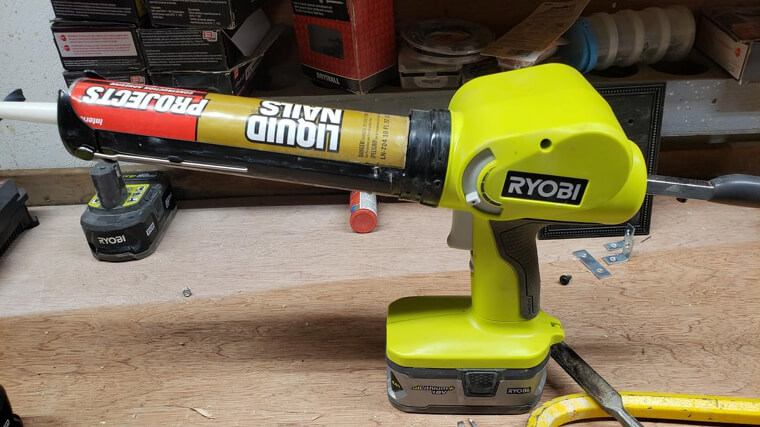
Power Caulking Guns
They look like a serious upgrade for sealing bathrooms or windows. Especially if you’re tackling a big home improvement job.
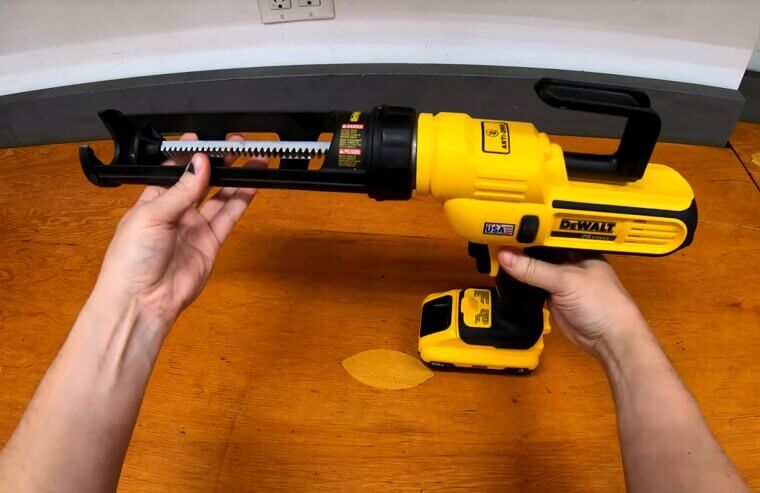
But they’re heavy and harder to control than a manual caulk gun. Many users say they push out too much product too fast, leaving messy lines. For occasional projects, simple tools actually give cleaner results.
Circular Saws With Laser Guides
Anything with a laser sounds cool. It feels like built-in precision for your home remodeling tasks.
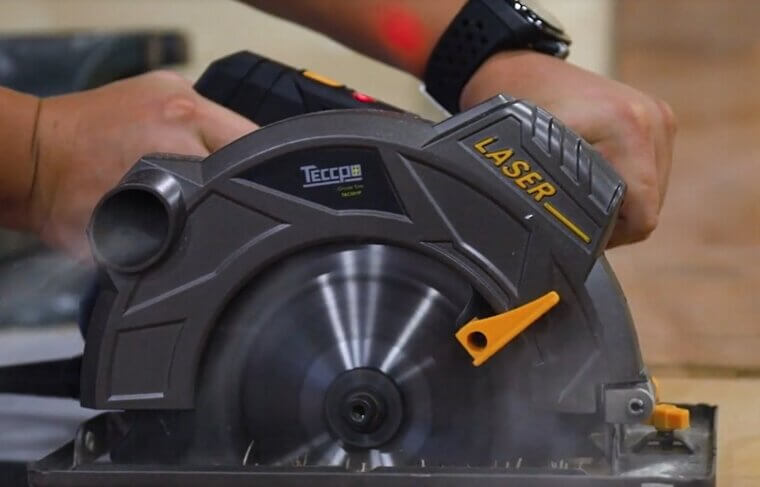
The problem? On cheaper models, the laser isn’t even aligned properly. It can give you a false sense of accuracy and lead to crooked cuts. In most cases, careful measuring and a solid saw guide work way better.
Infrared Thermometer
At first, these are fun. Point. Click. Check the wall temp. The floor. Maybe even your coffee. It feels like you just upgraded your home inspection toolkit.
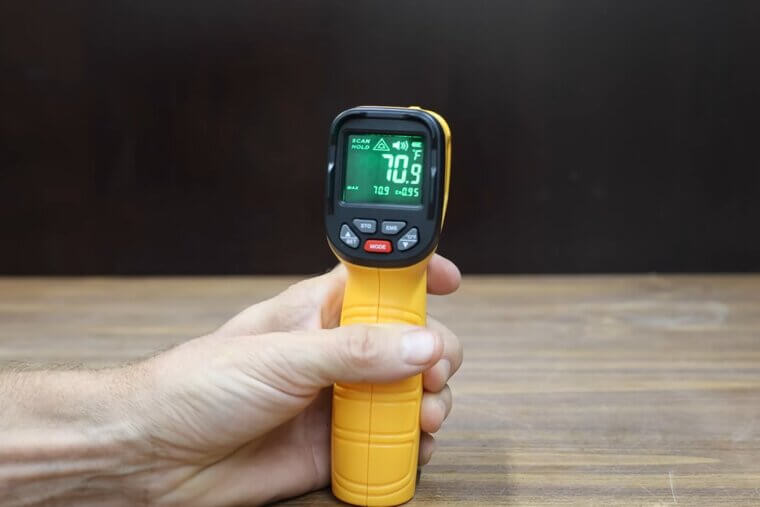
But after the novelty wears off, most people barely touch it again. For everyday DIY home improvement projects, it’s rarely necessary. It usually ends up in a drawer with other “cool but useless” gadgets.
Workbenches With Built-In Power Strips
This sounds smart when you’re setting up your home workshop setup. Outlets right there on the bench. No extension cords needed.
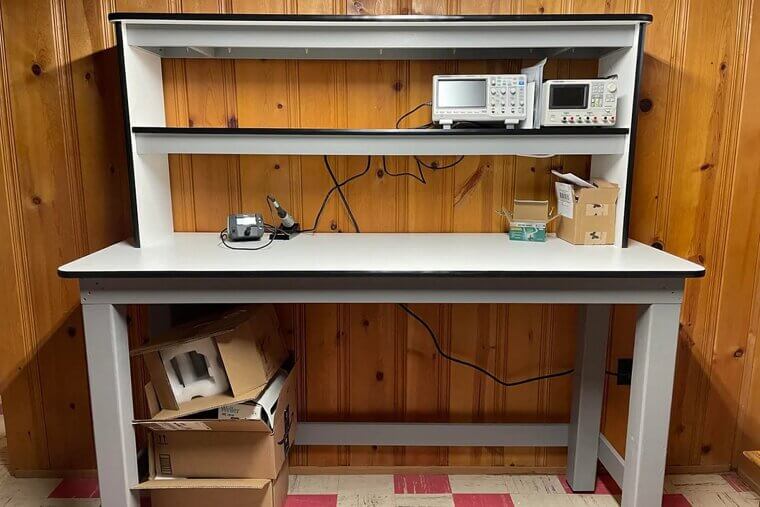
Until the built-in strip stops working. A lot of these benches are cheaply made. Once the power fails, you’re stuck with a wobbly table and awkward outlet placement. A solid bench plus a heavy-duty extension cord is usually the better investment.
Drywall Stilts
They look like a clever shortcut for ceiling work. Especially during bigger home renovation projects.
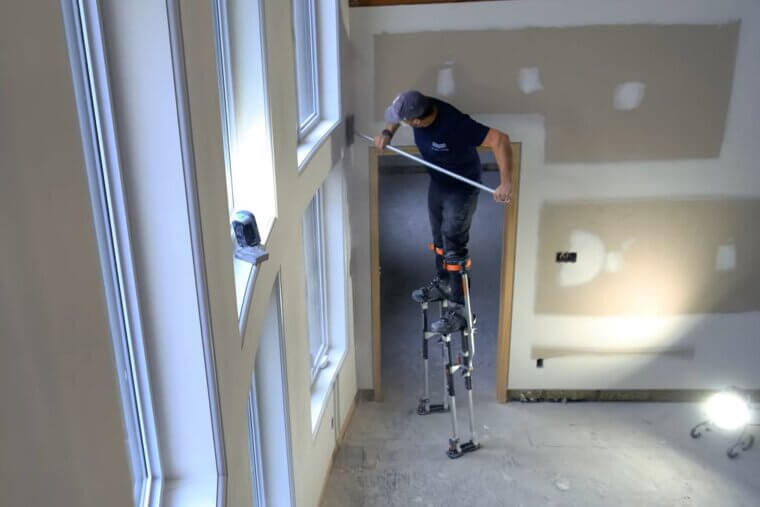
But balancing on them takes real skill. One wrong step and you’re risking injury. Most DIYers say a sturdy ladder is safer and easier. For occasional jobs, simple tools win every time.
Automatic Wire Strippers
These promise to make electrical repair projects faster and easier. Just squeeze and strip. No effort.
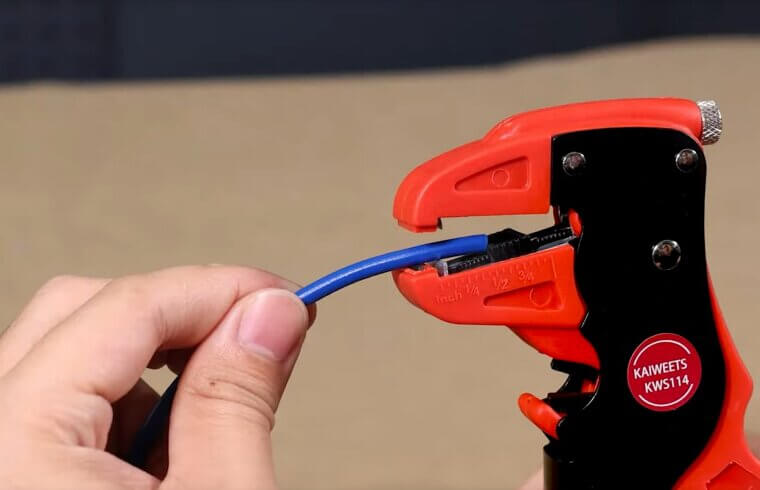
Cheap models though? They nick wires or don’t grip properly. The adjustments can be annoying too. For small DIY electrical work, a basic manual wire stripper gives you more control and fewer mistakes.
Bluetooth Smart Measuring Tools
Everything is “smart” now. Even measuring tools. These connect to apps and track numbers for your home remodeling estimates.
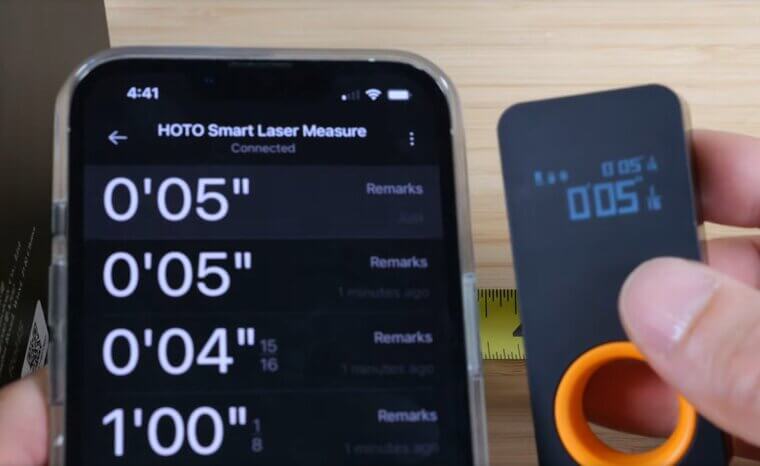
But the Bluetooth drops. The app glitches. Battery dies. Suddenly you’re fighting your phone instead of finishing your project. Most people go back to a regular tape measure. It’s faster and way less drama.
Flexible Shaft Drill Extensions
They seem perfect for tight spaces. Great for tricky home repair jobs where a normal drill won’t fit.
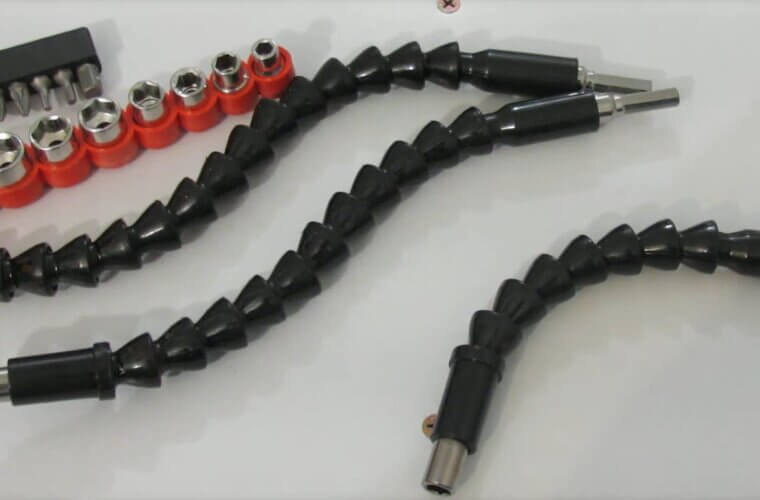
In reality, they wobble. Twist. Sometimes even snap. They don’t handle torque well either. A right-angle drill attachment usually works better and lasts longer.
Tool Sets With Hundreds of Pieces
These giant kits look like amazing value. Tons of tools for one price. Feels like you’re building the ultimate DIY tool collection.
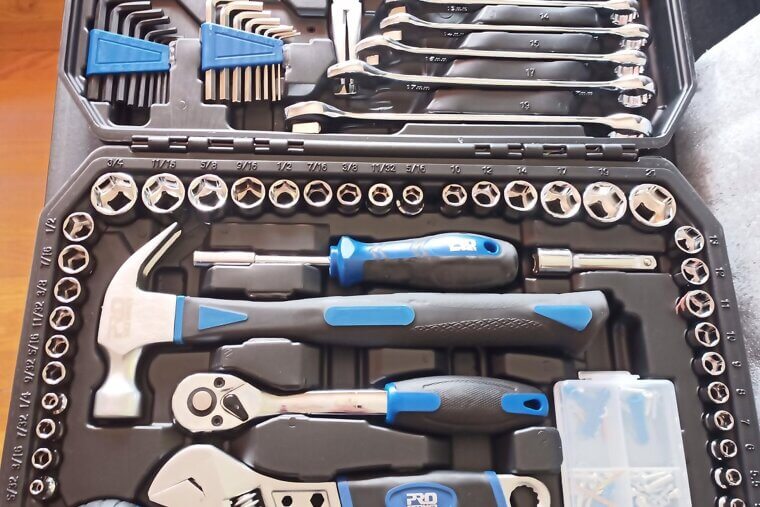
But most of the pieces are filler. Quality is average at best. Small parts break. Bits don’t fit right. In the end, buying a few high-quality tools separately usually saves more money — and a lot of frustration.
Manual Impact Drivers
They look tough. Heavy. Like a serious automotive repair tool or something only pros use. You hit it with a hammer and it magically loosens stuck screws. Sounds powerful, right?
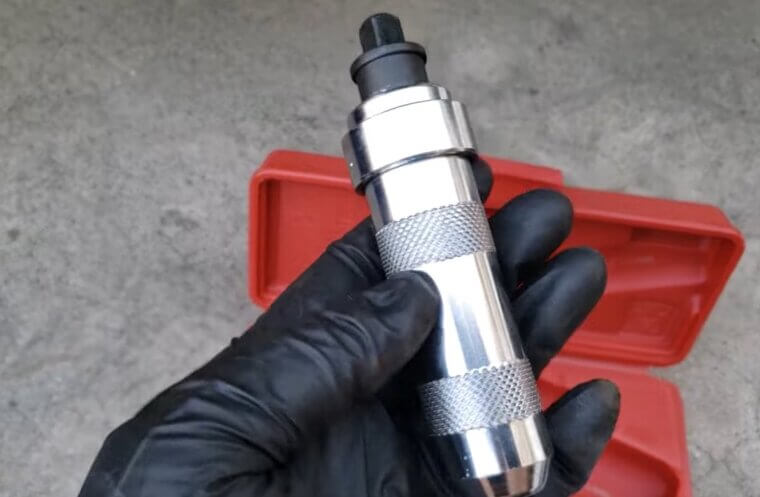
But if you don’t know the right technique, it’s just an expensive screwdriver you’re smashing. For regular home repair projects, it’s usually overkill. Most people try it once, mess something up, and toss it in the toolbox for good.
Cordless Circular Saws
A cordless circular saw feels like freedom. No cords. Easy to move around your home remodeling project.
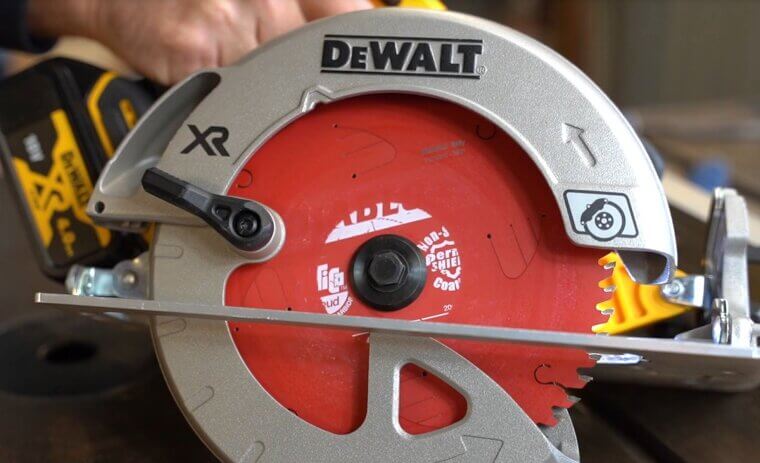
Then the battery dies halfway through a cut. And you realize it’s not as powerful as a corded version. Replacement batteries aren’t cheap either. For heavy-duty cutting, consistent power matters — and corded saws usually win.
Caulking Tools With Multiple Tips
These promise perfect lines for your bathroom renovation or window sealing job. Different tips for different finishes. Sounds smart.
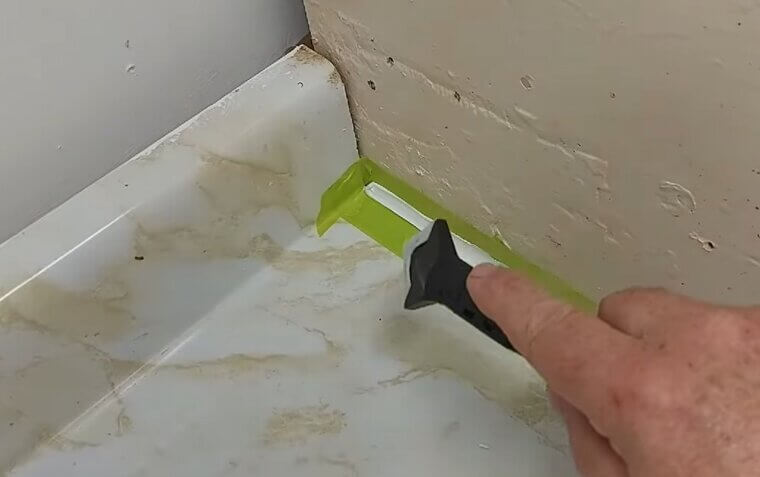
In real life, they clog up. They’re annoying to clean. Sometimes the tips don’t even stay on. Most people go back to smoothing caulk with a finger or simple tool. Less fancy. Way less stress.
Mini Electric Sanders
They look handy for small woodworking projects. Compact. Lightweight. Easy to store.
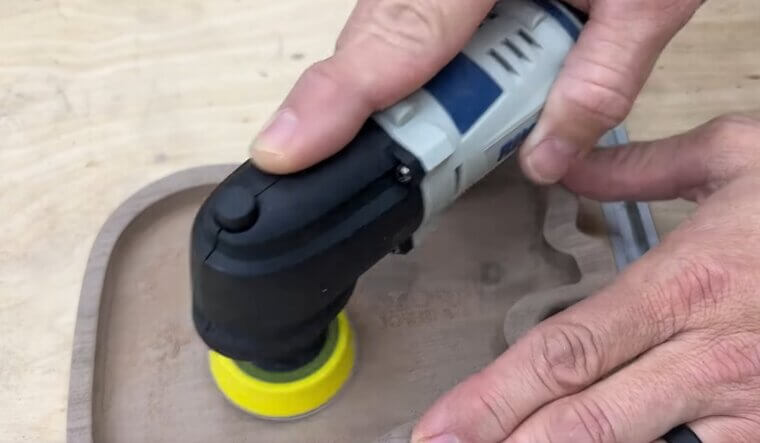
But they struggle on anything bigger than a tiny craft. Pads wear out fast. Some don’t stay attached well. For serious sanding, a full-size sander — or even manual sanding — usually gets better results.
Nail Guns
Nail guns seem like the ultimate upgrade for home construction projects. Fast. Powerful. Professional-looking results.
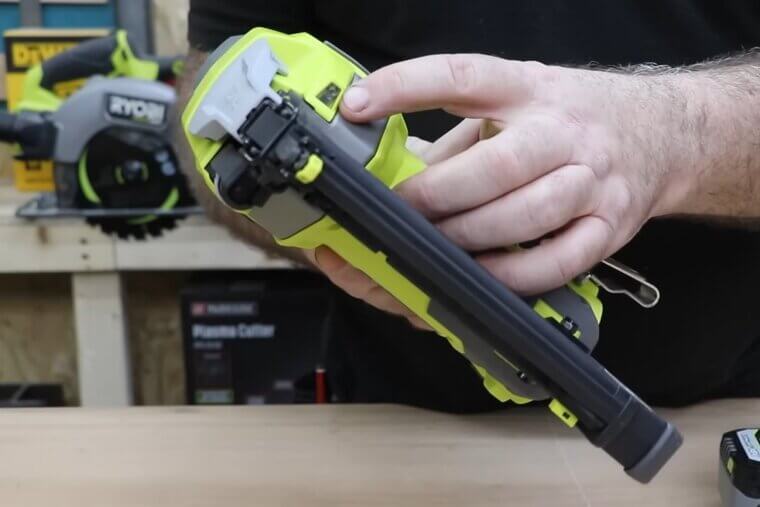
But they’re not beginner-friendly. Injuries happen more often than people think. Cordless versions lose battery quickly, and jams are common. For small projects, a hammer is slower — but safer and simpler.
Cheap Heat Guns
Heat guns are useful for paint stripping or small home improvement repairs. They can save time if you get a good one.
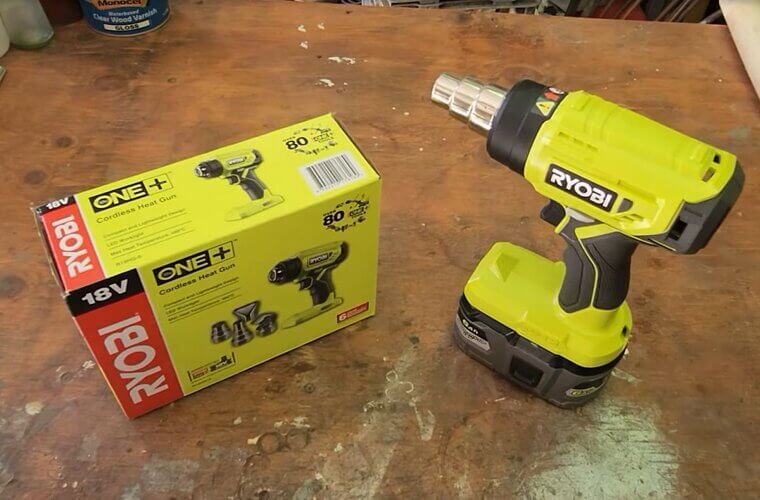
Cheap models though? They overheat. Temperature control is bad. Airflow is uneven. Some even become fire hazards if you’re not careful. Many people end up replacing them, wishing they had invested in better quality from the start.
Electric Staple Guns
Electric staple guns sound perfect for upholstery projects or quick home improvement upgrades. Just point and shoot. Faster than a manual one, right?
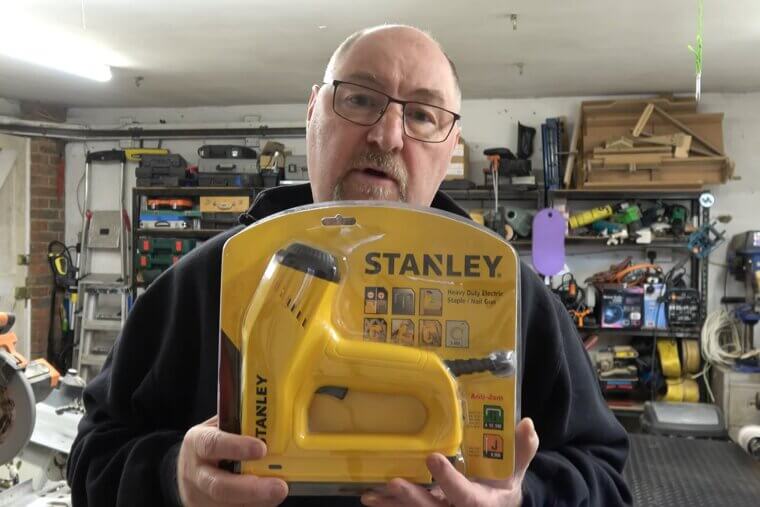
Not really. They jam a lot. Staples don’t go in all the way, especially on thick material. The trigger can feel awkward too, which leads to misfires and uneven spacing. After a few ruined staples, most people go back to the basic manual stapler. It’s slower, but way more reliable.
Hand Planers
Hand planers look old-school cool. Super satisfying in theory, especially for woodworking projects or custom furniture builds.
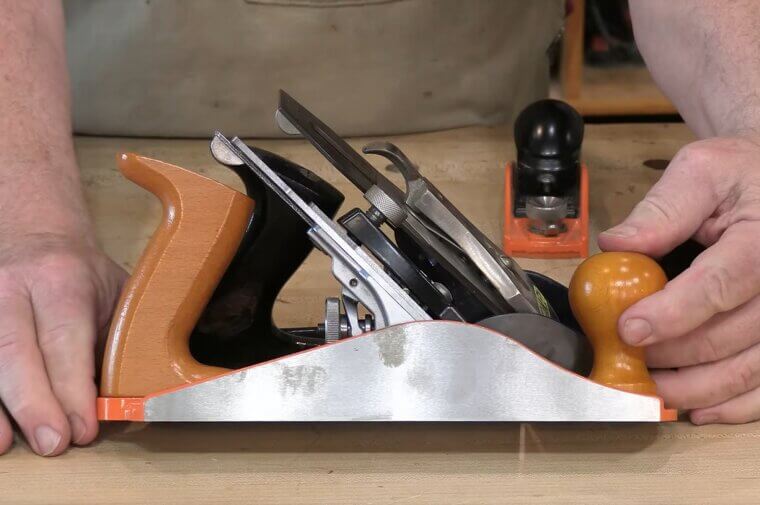
But without real practice, it’s easy to gouge the wood or create uneven cuts. Keeping the blade sharp and adjusted is a constant battle. For many DIYers, it turns into wasted lumber and frustration instead of smooth results.
DIY Tool Sharpeners
These promise to save money on tool maintenance costs. Sharpen your own blades. Skip the professional service. Sounds smart.
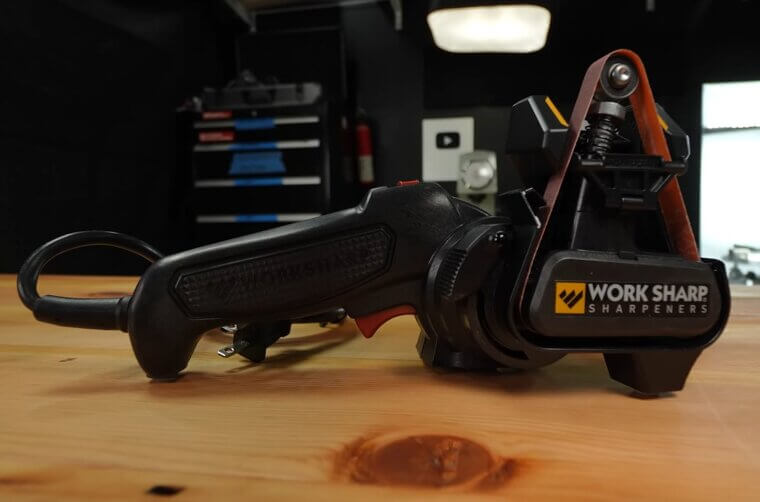
Cheap ones, though, are tricky to use. They struggle with odd-shaped blades and can remove too much material. Some even ruin tools completely. What was supposed to protect your investment ends up costing more in replacements.
Chainsaws
Chainsaws look powerful and tempting, especially if you’re planning big landscaping projects or tree removal.
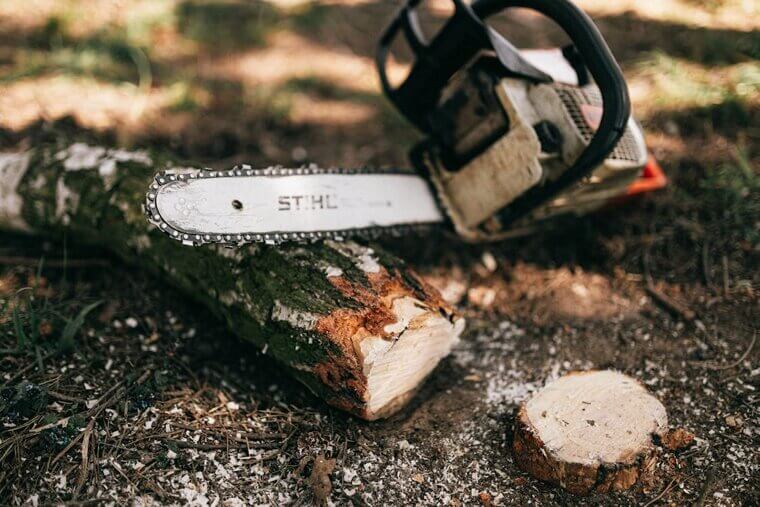
But unless you’re cutting wood regularly, it’s probably overkill. They’re loud, heavy, and require maintenance — sharpening the chain, refueling, safe storage. For most homeowners, a simple handsaw or pruning tool makes way more sense.