Turning 60 is a big milestone. Life slows down a bit, priorities change, and health suddenly becomes more important than ever. What you eat now plays a huge role in how you feel every day. The truth is, some foods that didn’t seem like a big deal in your 30s or 40s can start causing real problems after 60. Things like high cholesterol, blood pressure issues, weight gain, and low energy often connect directly to diet.
As we age, the body simply doesn’t process food the same way anymore. Metabolism slows down, digestion becomes more sensitive, and the risk of heart disease, diabetes, and joint problems increases. That’s why many nutrition experts and senior health specialists recommend making smarter food choices. Cutting back on certain foods can help protect your heart, support brain health, and keep your energy levels steady.
Now that doesn’t mean you have to give up enjoying food. Not at all. The goal is just to be a little more mindful about what goes on your plate. Some common everyday foods may look harmless, but they can quietly affect senior health, blood sugar, and cholesterol levels over time.
In this guide, we’ll walk through the foods to stay away from after age 60 and explain why they can be risky for healthy aging. Even better, we’ll also share a few healthier alternatives that can support longevity, better digestion, and overall wellness. Small changes in your diet today can make a big difference in how you feel in the years ahead.
Vegetable Oils
Heart health matters a lot after 60. Your heart works harder as you age, so your diet really starts to matter. Many common vegetable oils like soybean, corn, and canola oil are high in omega-6 fatty acids, which may increase inflammation and raise the risk of heart disease and high cholesterol over time.

A smarter move is switching to heart-healthy cooking oils. Olive oil and avocado oil are great choices for a healthy diet for seniors. They contain good fats that support cardiovascular health and healthy aging.
Deli Meats
A quick sandwich sounds like the perfect lunch. But those processed deli meats can quietly hurt your health. They’re often packed with high sodium, preservatives, and unhealthy fats, which can raise the risk of high blood pressure and heart problems.

Many deli meats also contain nitrates and processed additives linked to long-term health issues. For a better senior nutrition plan, try lean protein options like grilled chicken, fish, or even plant-based protein foods.
Grapefruit
Grapefruit is usually seen as a super healthy fruit. And yes, it has great vitamins and antioxidants. But if you’re taking prescription medications, grapefruit can cause problems with drug absorption and metabolism.
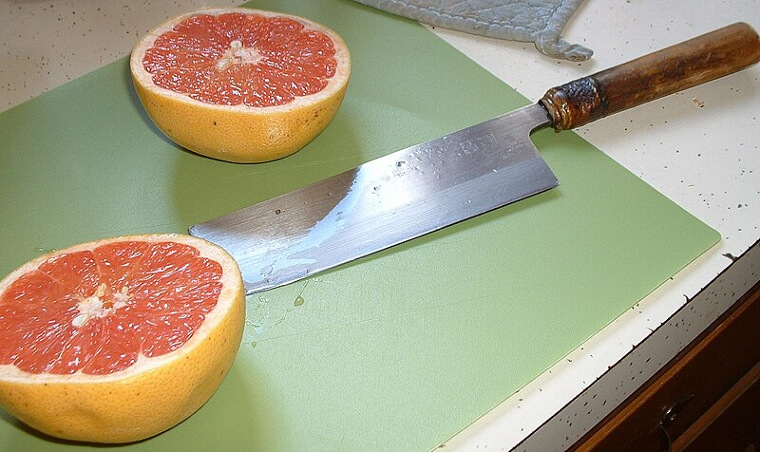
The fruit contains compounds that interfere with enzymes in your body. This can lead to higher levels of medication in the blood. If you’re on meds, talk with a doctor and consider safer citrus fruits like oranges or mandarins.
Heavy Creams
Heavy cream makes food taste amazing. It’s the secret behind many rich sauces and desserts. But it’s also loaded with saturated fat, which can raise cholesterol levels and increase heart disease risk.

A better option is switching to low-fat dairy or plant-based cream alternatives. Choices like half-and-half, oat cream, or almond milk can help support heart health and weight management, especially after 60.
Soda
Soda might taste refreshing, but it’s full of added sugar and empty calories. For people over 60, drinking sugary sodas regularly can increase the risk of type 2 diabetes, obesity, and heart disease.
Too much sugar also spikes blood sugar levels and puts pressure on your cardiovascular system. Instead, go for healthier drinks like water, green tea, or natural fruit-infused water for better senior wellness and hydration.
Energy Bars
Energy bars look like the perfect healthy snack on the go. But many store-bought ones are basically candy bars in disguise. A lot of them are loaded with added sugar, artificial ingredients, and unhealthy fats, which can hurt your blood sugar control and weight management, especially after 60.
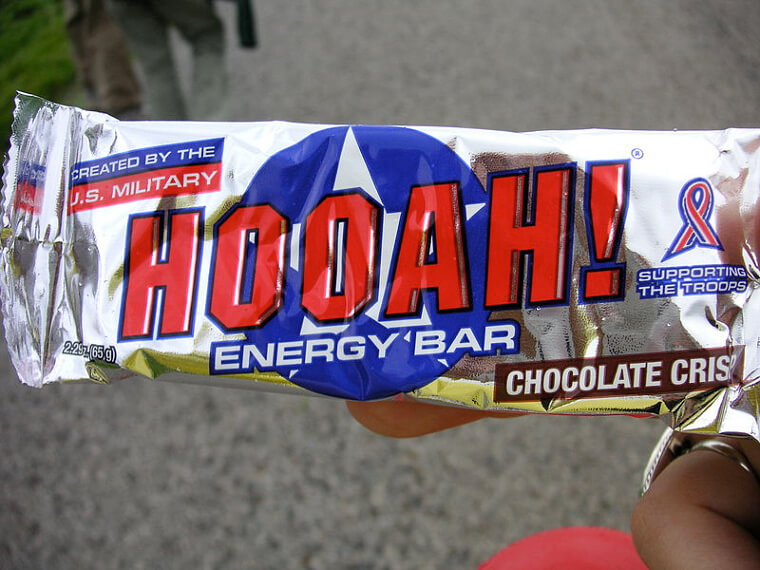
If you want a better senior snack option, go simple. A handful of nuts, seeds, or homemade energy bars works way better. They give you real protein, fiber, and healthy fats that support healthy aging and steady energy.
Cereal
Cereal is quick, easy, and super convenient for breakfast. But many popular cereals are packed with refined carbs and added sugar. Some actually contain as much sugar as desserts, which isn’t great for blood sugar levels and diabetes prevention.
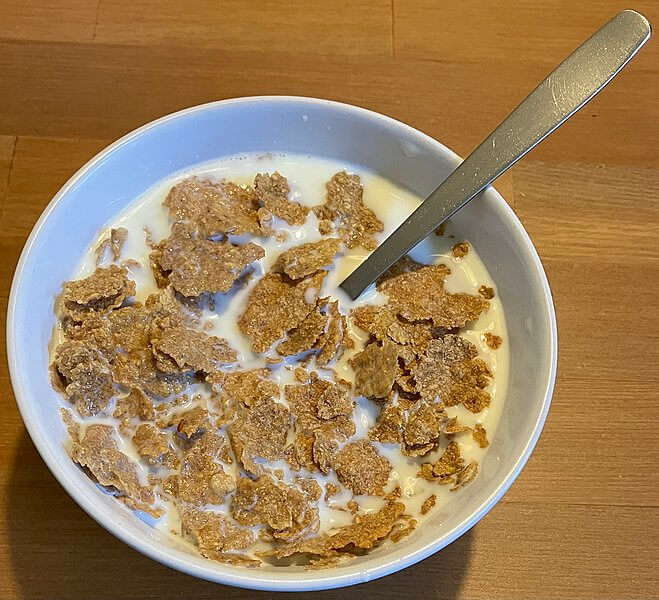
If you enjoy cereal, just choose smarter options. Look for whole grain cereal with low sugar and high fiber. It helps support digestive health, weight control, and balanced nutrition for seniors.
Processed Cheese
Processed cheese might melt nicely on sandwiches and burgers. But foods like American cheese slices and packaged shredded cheese often contain high sodium, preservatives, and unhealthy fats. Not great for heart health or blood pressure.
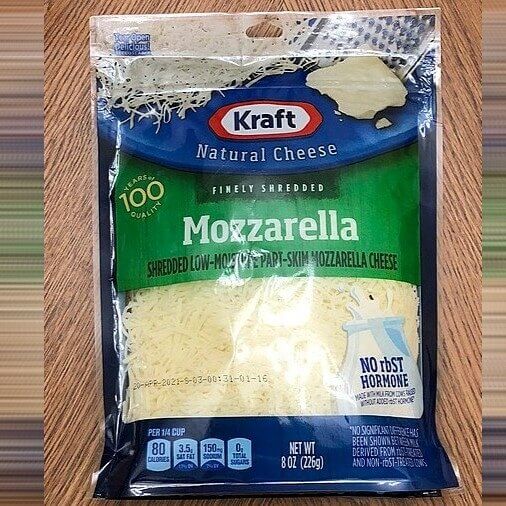
A better choice is going with natural cheese options. Real cheeses like cheddar, parmesan, or brie usually have fewer additives and more natural nutrients. It’s a simple switch that supports better senior nutrition.
Pork
Pork can be tasty, but it often comes with higher fat content, especially in processed forms like bacon or sausages. Eating too much fatty pork can raise the risk of high cholesterol, heart disease, and weight gain.
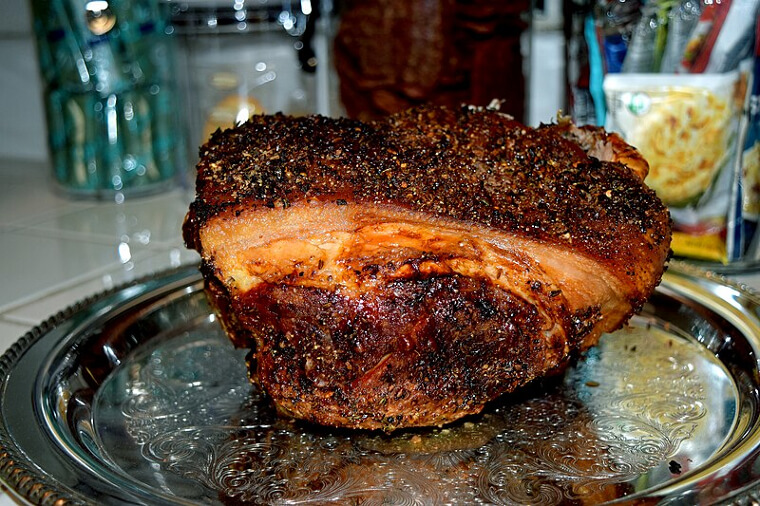
If you still enjoy pork, just be a bit careful. Choose lean pork cuts and cook them properly. Also mix in other healthy protein sources like fish, chicken, beans, or plant-based protein for better balanced nutrition.
Raw Eggs
Raw eggs might seem harmless, but they carry a small risk of salmonella food poisoning. For adults over 60, the immune system isn’t always as strong, so food safety becomes more important.

That’s why doctors often suggest avoiding foods made with raw or undercooked eggs. This includes things like raw cookie dough or homemade sauces. Fully cooked eggs are still a great source of protein, vitamins, and senior nutrition.
White Chocolate
White chocolate might taste creamy and sweet, but it’s not the healthiest treat out there. Unlike dark chocolate, it has no cacao solids, which means fewer antioxidants and heart health benefits. Instead, it’s loaded with sugar and unhealthy fats, which can lead to weight gain and blood sugar spikes.

If you’re craving chocolate, go for dark chocolate with high cacao content. It contains powerful antioxidants that support heart health and healthy aging. Plus, a small piece usually satisfies the craving better.
Frozen Meals
Frozen meals are super convenient. Just heat them up and dinner is ready in minutes. But many processed frozen dinners contain high amounts of sodium, preservatives, and unhealthy fats, which can raise the risk of high blood pressure and heart disease.
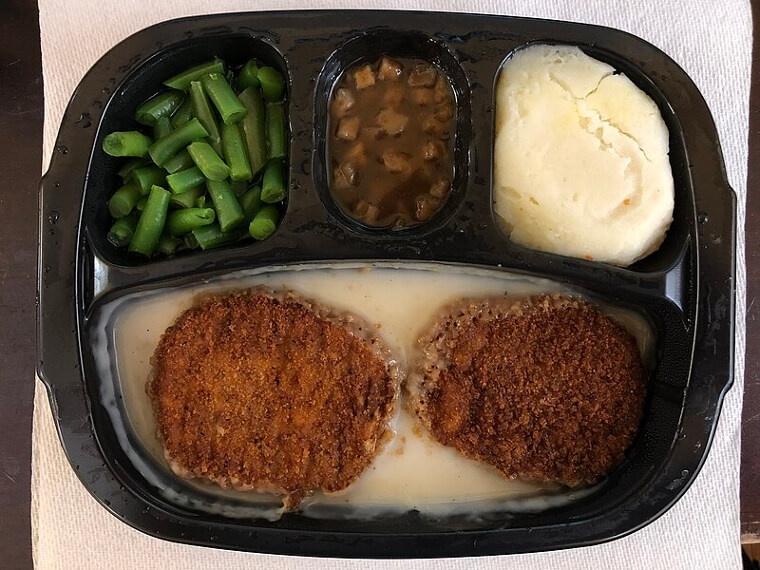
For better senior nutrition and heart health, fresh meals are a smarter choice. Simple home-cooked foods with fresh vegetables, lean protein, and whole grains give your body real nutrients.
Hard Foods
As we get older, our teeth and digestion become more sensitive. Hard foods like tough meat, hard candy, or raw crunchy veggies can be difficult to chew. They can even increase the risk of dental damage or choking, especially for seniors.
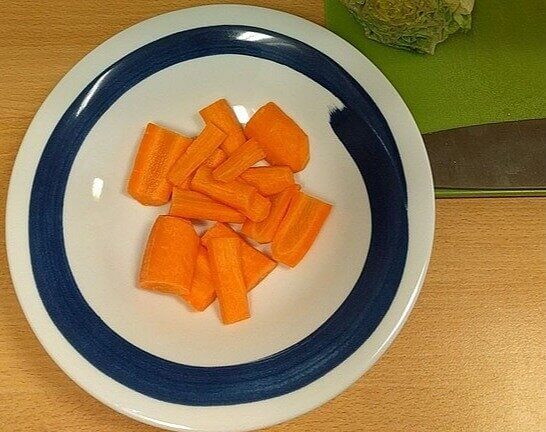
Switching to softer, easy-to-digest foods is often a better choice. Cooked vegetables, soft fruits, and tender proteins are easier on the teeth and support healthy digestion for older adults.
Vegetable Shortening
Vegetable shortening is often used in packaged pastries and baked goods. It helps food last longer on store shelves. But it usually contains hydrogenated oils and trans fats, which can raise bad cholesterol levels and hurt cardiovascular health.
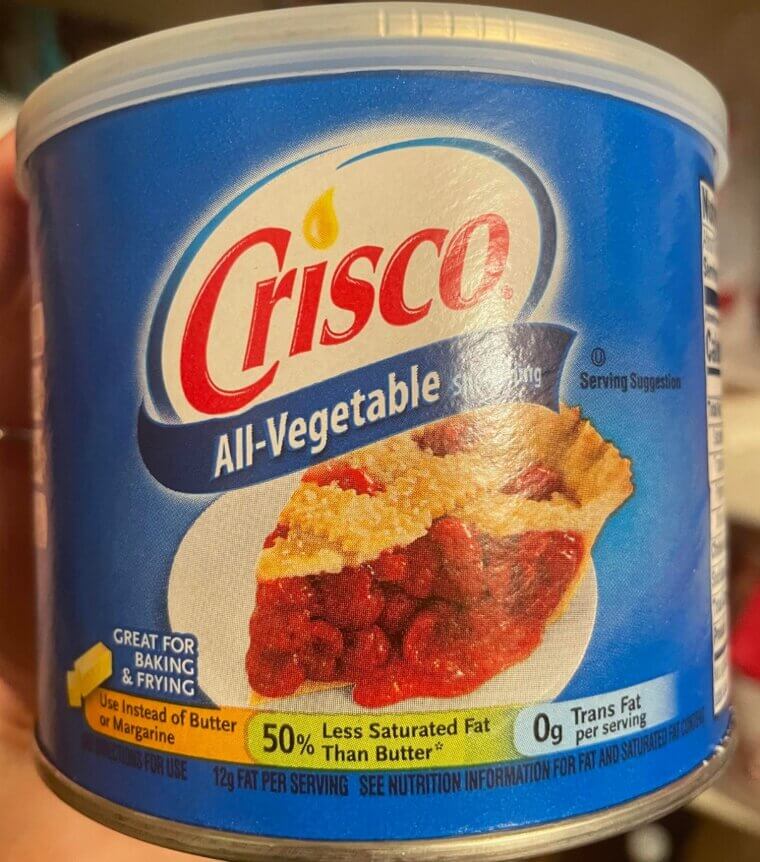
If you want a sweet treat, fresh bakery items made with healthier baking fats like butter or olive oil are a better option. Limiting trans fats can help protect your heart health after 60.
High Sodium Snacks
Salty snacks like chips, pretzels, and crackers can be hard to resist. But these foods are often packed with high sodium, which can lead to high blood pressure and fluid retention, especially in older adults.

Too much sodium also puts stress on the heart and kidneys. Instead, snack on nuts, fruits, or low-sodium healthy snacks that support better heart health and balanced nutrition.
Energy Drinks
Energy drinks promise a quick boost, but they often contain large amounts of caffeine, sugar, and artificial stimulants. For people over 60, this mix can increase heart rate, blood pressure, and inflammation.
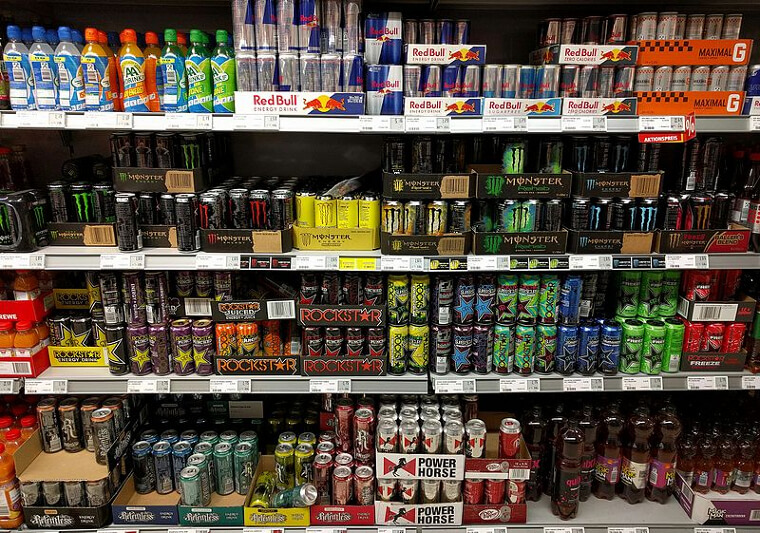
A better way to get energy is through healthier drinks like green tea or herbal tea. They provide a gentle caffeine boost along with antioxidants that support brain health and overall wellness.
Pastries on a Daily Basis
Pastries with coffee in the morning sound amazing, right? But eating them every day isn’t the best move. Most pastries are packed with refined sugar, unhealthy fats, and empty calories, which can raise the risk of weight gain, type 2 diabetes, and heart disease.

They can also spike your blood sugar and cholesterol levels, especially after 60. It’s better to keep pastries as an occasional treat and focus on healthy breakfast options like oatmeal, whole grains, or fruit.
Instant Noodles
Instant noodles are quick, cheap, and super easy to make. But they’re loaded with extremely high sodium, preservatives, and unhealthy fats. Too much sodium can increase the risk of high blood pressure and heart problems, especially for seniors.
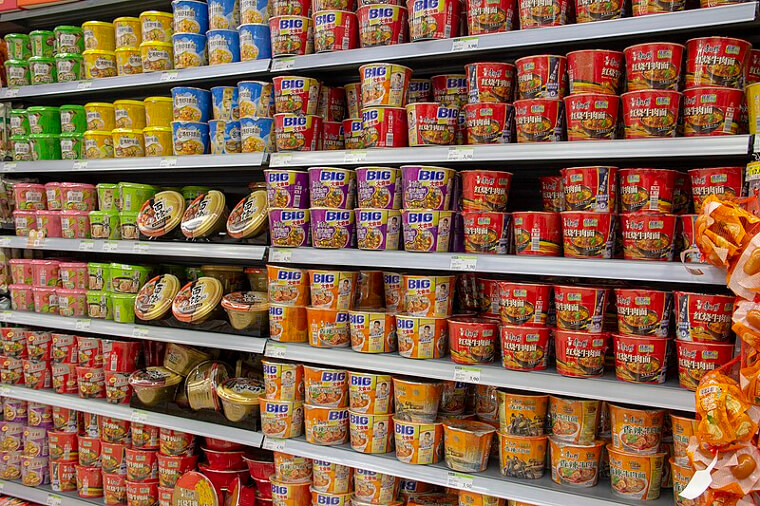
They also offer very little real nutrition or fiber. A better idea is making your own quick meal with whole grain noodles, vegetables, and lean protein for healthier senior nutrition.
Canned Soup
Soup feels comforting, especially on cold days. But many store-bought canned soups are packed with sodium, preservatives, and processed ingredients. These can increase the risk of hypertension, heart disease, and fluid retention.
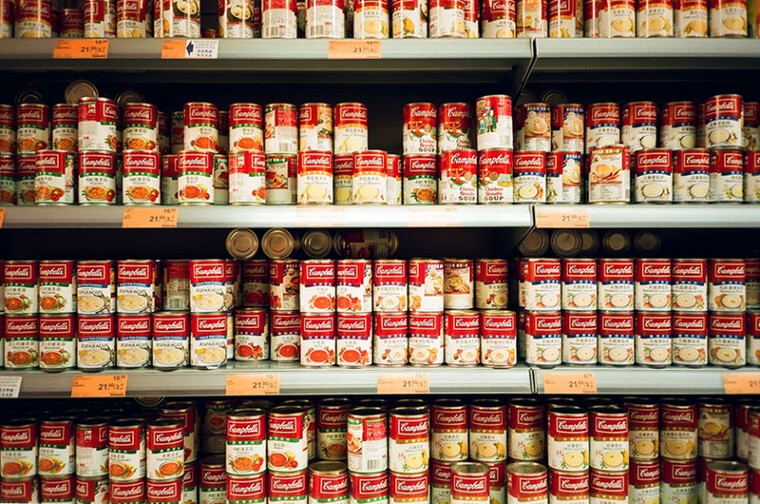
Homemade soup is usually a much better option. When you cook it yourself, you control the salt, fats, and ingredients, making it a lot better for heart health and balanced nutrition.
Pre-Packaged Baked Goods
Store-bought cakes, muffins, and cookies are easy to grab when sugar cravings hit. But most pre-packaged baked goods contain refined sugar, trans fats, and artificial preservatives, which can damage heart health and metabolism.

Eating them regularly may lead to weight gain, high cholesterol, and inflammation. If you want a sweet treat, try homemade baked snacks with better ingredients and less sugar.
Margarine
Margarine was once seen as a healthy butter substitute. But many types still contain trans fats and processed oils, which can increase bad cholesterol (LDL) and lower good cholesterol (HDL).
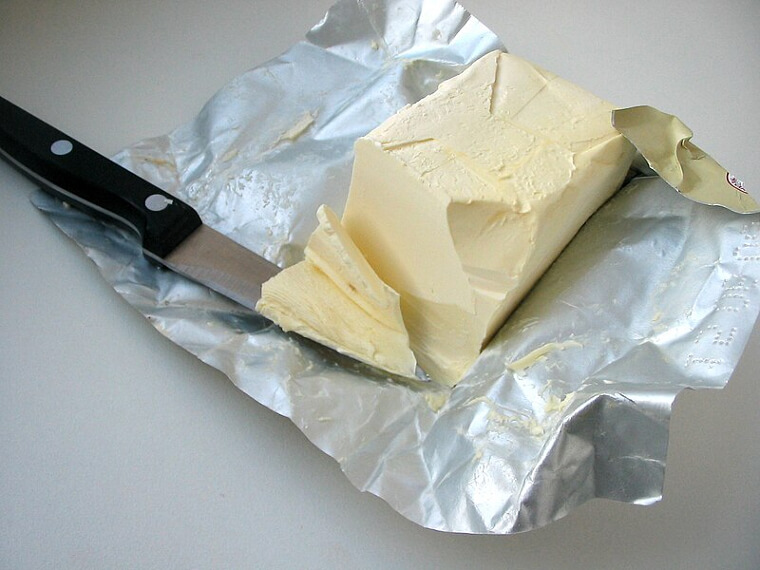
For better heart health after 60, it’s smarter to switch to natural fats like olive oil, avocado oil, or small amounts of real butter. These options support a healthier cardiovascular diet.
Diet Soda
A lot of people think diet soda is a healthier choice because it has no sugar. But it still contains artificial sweeteners and chemical additives that may affect metabolism and gut health.

Some research links diet soda with increased sugar cravings, obesity risk, and metabolic problems. A better choice is water, herbal tea, or fruit-infused water to support healthy aging and hydration.
Canned Fruit
Canned fruit might taste extra sweet and juicy. But that sweetness usually comes from sugary syrup and added sugars. Too much of it can raise your blood sugar levels, increase weight gain, and affect your metabolism, especially after 60.
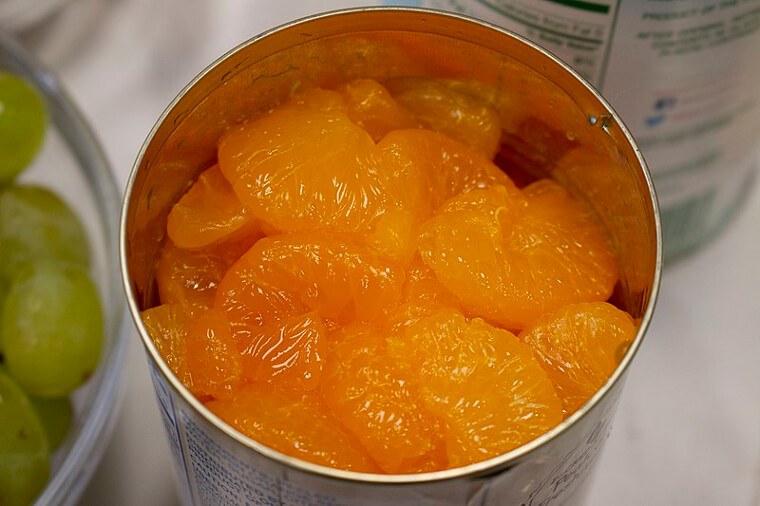
Fresh fruit is always the better option for healthy aging and better nutrition. If you still like canned fruit, choose ones packed in water or natural juice, not heavy syrup.
Microwave Rice
Microwave rice is super convenient. Two minutes and it’s ready to eat. But many ready-to-eat rice packs contain high sodium, preservatives, and food additives, which aren’t great for heart health and blood pressure.
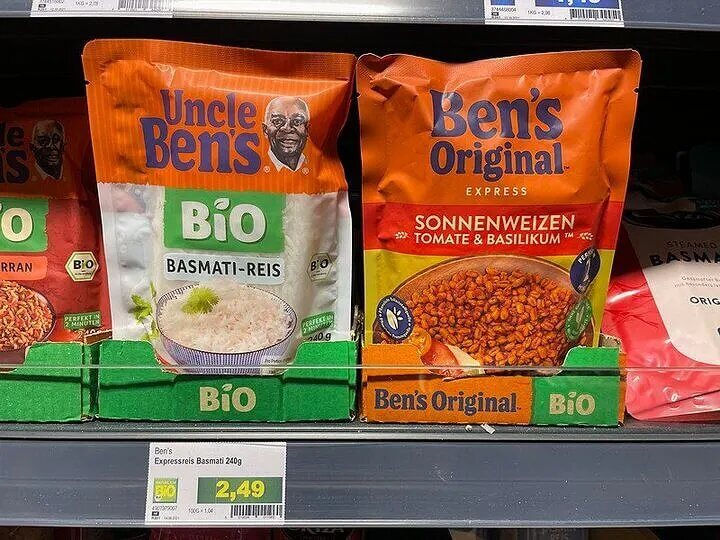
Cooking plain rice at home is a healthier choice. It may take a little longer, but it gives you cleaner carbs and better nutrition for a balanced senior diet.
Instant Oatmeal
Oatmeal is usually a great heart-healthy breakfast. The problem comes with flavored instant packets. Many of them contain added sugars, artificial flavors, and sweeteners, which can cause blood sugar spikes and weight gain.
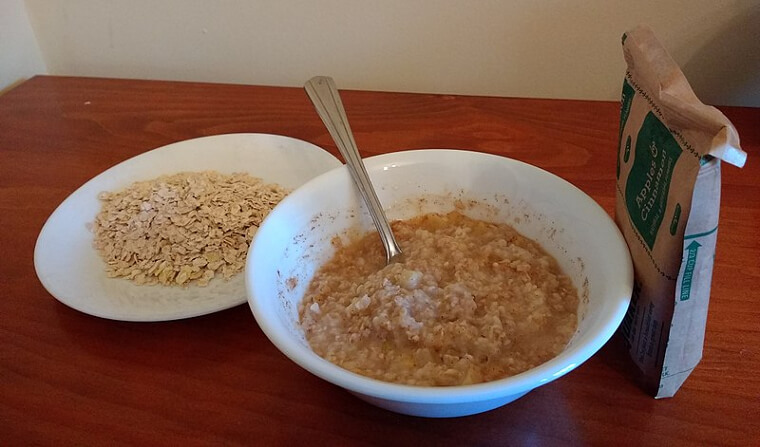
A smarter choice is plain whole oats or rolled oats. You can add fruit, nuts, cinnamon, or a little honey for natural sweetness and better fiber and digestive health.
Popcorn
Popcorn itself isn’t the problem. It’s the butter, salt, and processed microwave versions that cause issues. These versions are often high in saturated fats and sodium, which can increase the risk of heart disease and high blood pressure.

A healthier option is air-popped popcorn. You can add light seasonings like herbs or nutritional yeast instead of heavy butter for a better heart-friendly snack.
Artificial Sweeteners
Artificial sweeteners were designed to replace sugar. But they may not be as harmless as they seem. Some research suggests they can affect metabolism, gut health, and insulin sensitivity, which may increase the risk of obesity and diabetes.
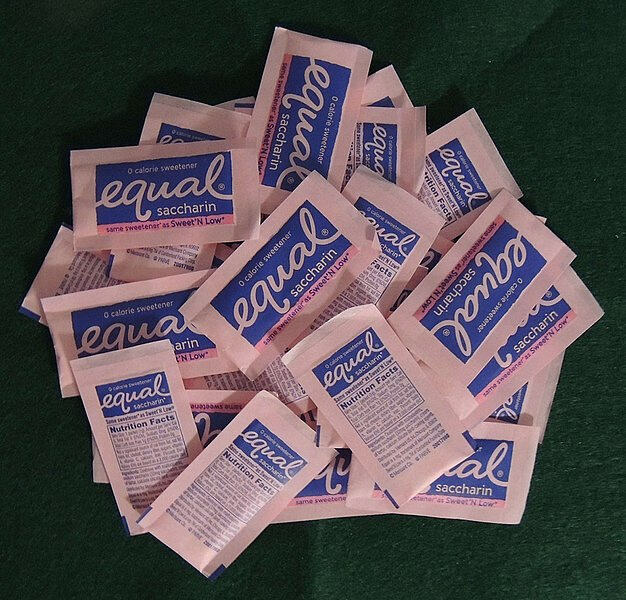
If you like a little sweetness in your drinks, try natural sweeteners like honey, maple syrup, or stevia. These options are often better for balanced blood sugar and overall wellness.
Store-Bought Salad Dressing
Salads are one of the healthiest meals you can eat. But pouring on store-bought salad dressing can quickly change that. Many bottled dressings are packed with added sugars, preservatives, and unhealthy oils.
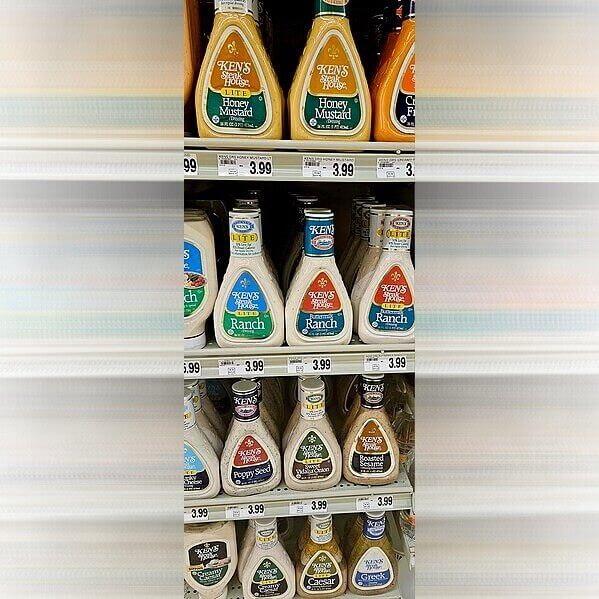
A simple homemade dressing works much better. Mix olive oil, lemon juice, vinegar, and herbs for a quick topping that supports heart health and clean nutrition.
Processed Meat
Breakfast classics like bacon and sausages taste amazing, no doubt. But these processed meats are packed with sodium, preservatives, and unhealthy saturated fats. Eating them often can increase the risk of high blood pressure, heart disease, and even certain cancers.
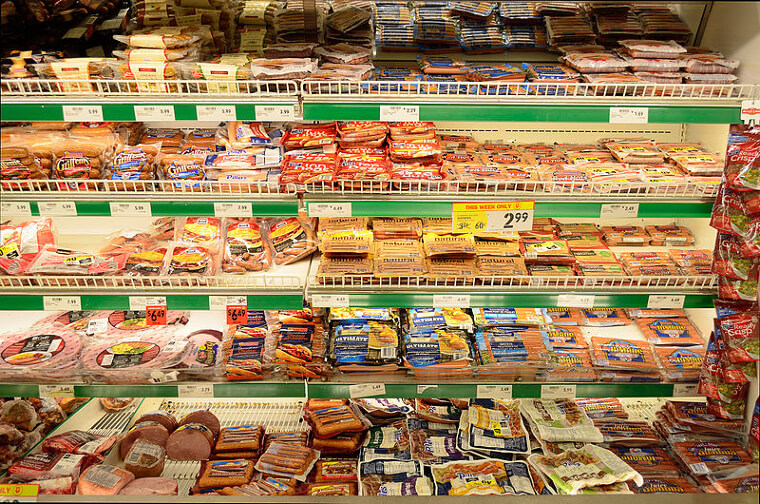
Many processed meats also contain nitrates and chemical additives that aren’t great for long-term health. For a better senior diet, try lean proteins like eggs, fish, or grilled chicken instead.
Candy
Candy might satisfy your sweet tooth for a moment. But it’s loaded with refined sugar and empty calories with almost no nutritional value. Too much candy can lead to weight gain, blood sugar spikes, and type 2 diabetes.

For a healthier sweet fix, go for dark chocolate or fresh fruit. These options still satisfy cravings while providing antioxidants, fiber, and better energy balance.
White Bread
White bread is made from refined flour, which means most of the fiber and nutrients are removed. Eating a lot of it can cause quick blood sugar spikes, which may increase the risk of diabetes and weight gain.
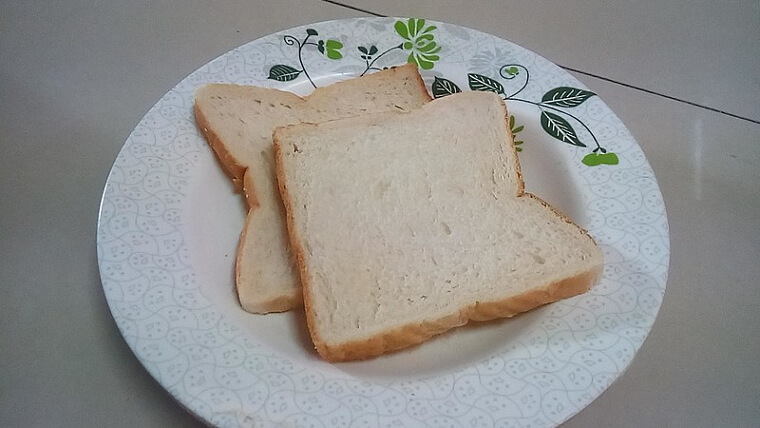
A smarter option is whole grain or whole wheat bread. These breads contain more fiber, vitamins, and minerals, helping support digestion and heart health.
Flavored Yogurts
Yogurt sounds like a healthy breakfast, right? The problem is many flavored yogurts are packed with added sugars and artificial flavors. Some low-fat yogurts can contain surprisingly high sugar levels.

That extra sugar can cancel out the probiotic and gut health benefits. Instead, go for plain Greek yogurt and add fresh fruit or a little honey for natural sweetness.
Shellfish
Shellfish like shrimp, crab, lobster, and oysters can be delicious treats. But they can also be high in cholesterol and sodium, which may affect heart health, especially for older adults.

There’s also a small risk of foodborne illness if seafood isn’t handled properly. If you enjoy shellfish, eat it in moderation and choose fresh, well-prepared seafood from trusted places.
Packaged Gelatin
Packaged gelatin desserts like Jell-O might seem light and harmless. But many versions contain artificial flavors, added sugars, and chemical additives that aren’t great for metabolism and overall health.
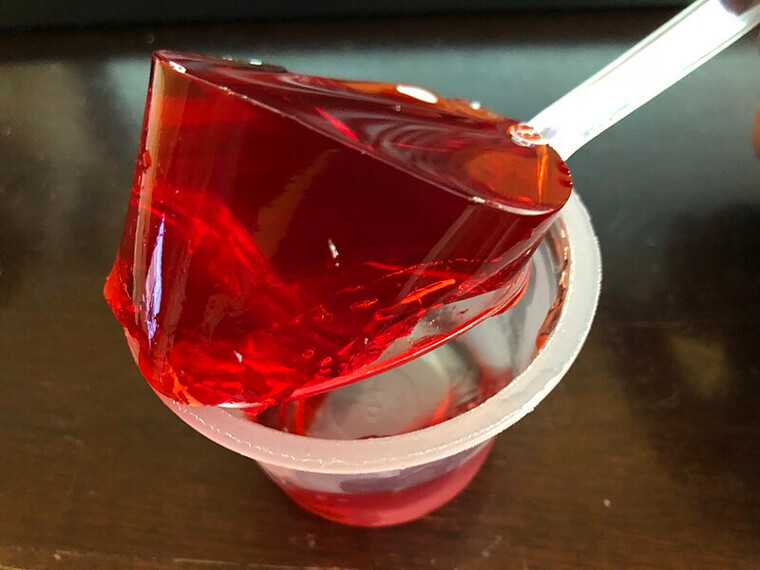
A better option is making homemade gelatin desserts with natural fruit juice. You’ll avoid the artificial stuff and still enjoy a sweet low-calorie dessert option.
Butter
Butter melting on warm toast… yeah, it tastes amazing. But eating too much butter can be tough on your heart health, especially after 60. Butter is high in saturated fats, which can raise bad cholesterol (LDL) and increase the risk of heart disease.
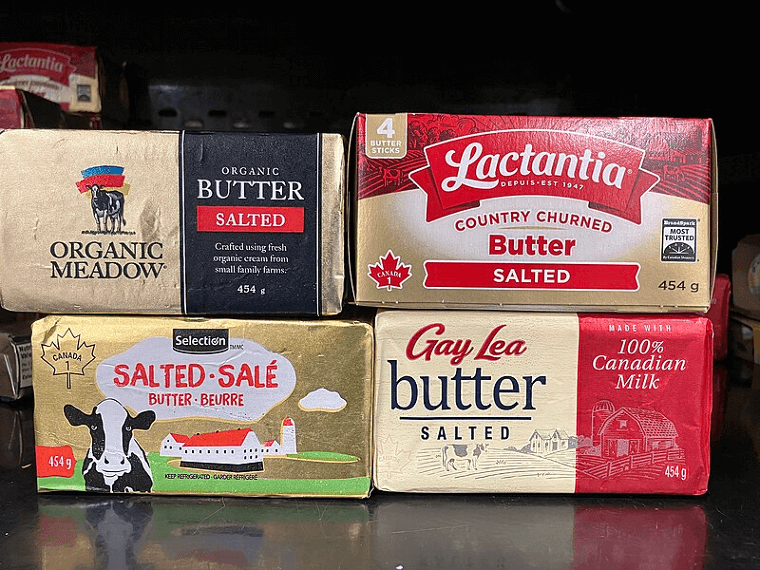
You don’t have to cut flavor from your meals though. Try using heart-healthy fats like olive oil or avocado oil instead. They support healthy cholesterol levels and better cardiovascular health.
Undercooked Meat
A medium-rare steak or burger might taste great. But as we get older, our immune system isn’t as strong as before. Eating undercooked meat can expose you to harmful bacteria like E. coli, salmonella, and parasites.

These bacteria can lead to serious food poisoning and digestive infections. A simple fix is cooking meat thoroughly and using a meat thermometer to make sure it reaches a safe temperature.
Sprouts
Sprouts often show up in healthy meals and salads. They do contain vitamins, minerals, and antioxidants. But raw sprouts can sometimes carry bacteria like E. coli or salmonella, which can be risky for older adults.

If you enjoy sprouts, it’s safer to eat them fully cooked. Cooking reduces the risk of foodborne illness while still giving you some of their nutritional benefits.
Raw Milk
Some people believe raw milk is more natural and healthier. But unpasteurized milk can contain harmful bacteria such as E. coli, listeria, and salmonella. These bacteria can cause serious foodborne infections, especially for seniors.

A safer choice is pasteurized milk and dairy products. They still provide calcium, protein, and vitamin D, which are important for bone health and healthy aging.
Fried Foods
Fried foods like fries or fried chicken are hard to resist. But they’re usually high in trans fats, calories, and unhealthy oils. Eating them often can increase the risk of weight gain, heart disease, and chronic inflammation.

Frying can also produce harmful compounds like acrylamide, which may affect long-term health. A healthier option is baking, grilling, or using an air fryer to enjoy your favorite foods with fewer risks.
Sushi
Sushi is delicious, no doubt about it. But many traditional sushi rolls use raw seafood, which can sometimes carry parasites and harmful bacteria. For adults over 60, this can increase the risk of foodborne illness and digestive infections.

Another thing to watch is mercury levels in certain fish like tuna. Too much mercury isn’t great for brain health and overall wellness. If you love sushi, choose trusted restaurants or cooked sushi options like shrimp or tempura rolls for a safer treat.