
The Ancient Roman Empire, one of the most powerful civilizations in history, left an indelible mark on the world. From its impressive architectural feats to its revolutionary political systems, Rome’s influence can still be seen in many aspects of modern life. While much is known about the empire’s military conquests and emperors, there are countless lesser-known aspects that make the Roman world even more fascinating.
In this article, we’ll uncover some rare and intriguing facts about the Ancient Roman Empire that shed light on its unique culture, innovations, and legacy. These insights offer a deeper understanding of a civilization that shaped the course of history in ways we often overlook today.
Urine Was a Valuable Commodity Used for Laundry and Other Things
In Ancient Rome, even urine had its uses. Emperor Nero introduced a tax on it, called vectigal urinae, making people pay to use public toilets. But the Romans were clever – they didn’t waste it. Urine was collected from public and private urinals to help with things like tanning animal hides and even cleaning clothes.

The ammonia in urine made it a natural bleach. So, when it came to laundry, urine was a key ingredient. It might sound gross, but to the Romans, it was just another handy resource for everyday life.
The Ancient Romans Had Crepitus, The God of the Flatulence
The Romans were pretty practical when it came to life’s messy moments. They even had a god of flatulence: Crepitus. While he wasn’t a major deity, he showed that the Romans didn’t shy away from the uncomfortable parts of life – like burping or passing gas. It’s a quirky reminder that they embraced humor and realism in their myths.
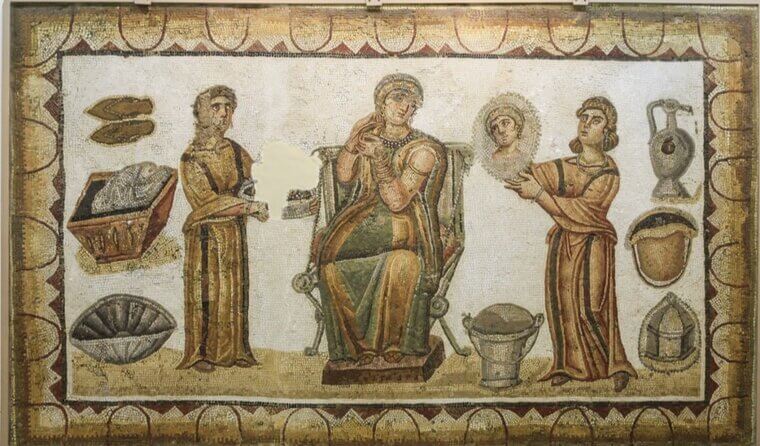
Crepitus wasn’t worshipped much, but his existence proves that the Romans had a sense of humor about even the most awkward aspects of the human body. Who knew they had a god for gas?
Parents Selling Their Own Children Was Normal
Roman fathers had some serious power over their kids. In tough times, they could sell them into slavery – though it wasn’t always permanent. This practice wasn’t as harsh as it sounds; children would be returned after a while, kind of like a lease. It was just another way to make ends meet in a society where survival was tough.
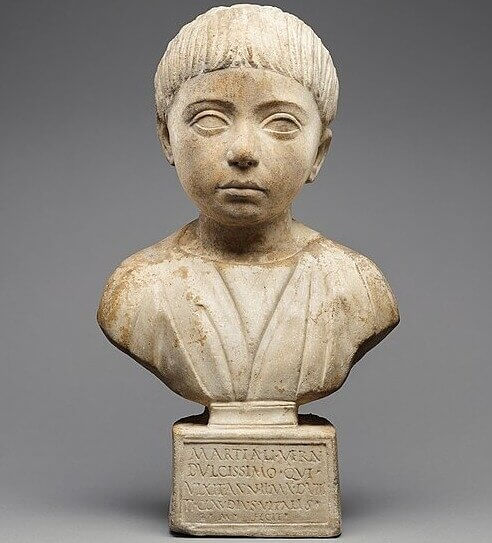
Of course, there were limits. A father could only sell a child three times. After that, the kid was considered free. It was a hard world, but these rules helped keep things in check.
They Often Ate This Fish Because It Caused Hallucinations
Some Romans enjoyed a weird “trip” after eating the sarpa salpa, a type of sea bream. This fish was known to cause hallucinations, with effects that could last for days. Some people ate it for the buzz, while others got a surprise trip after their dinner. It was a risky but bizarre way to experience a different kind of high.

While it might sound like a fun ancient party trick, the effects weren’t always pleasant. Some Romans had terrifying visions, making this fish-induced trip one with unpredictable outcomes. Would you dare to try it?
Everyone Shared the Same Sponge Stick in the Public Restrooms
In Ancient Rome, personal hygiene was a bit… different. Instead of toilet paper, people used a sponge on a stick, called a tersorium. But here’s the kicker – it wasn’t just yours. Public restrooms had communal sponges, shared by everyone. After each use, it was rinsed in a bucket of saltwater and vinegar, ready for the next person.

As you can imagine, this wasn’t exactly the most hygienic practice. With so many people using the same sponge, germs and diseases spread quickly. The Romans might have been ahead of their time in many areas, but bathroom hygiene wasn’t one of them!
Flamingo Tongue Was Considered a Delicacy
Flamingo tongue – yes, you read that right – was a delicacy in Ancient Rome. Wealthy Romans believed it had an amazing flavor, and it was a sought-after treat at lavish feasts. Even Pliny the Elder wrote about it in his Encyclopedia of Natural History.

But the flamingo didn’t stop at its tongue. The whole bird was cooked and served at banquets, with detailed recipes on how to prepare it. It sounds strange now, but back then, it was considered gourmet!
The Vestal Virgins Were Chosen Between the Ages of 6 and 10 and Had to Serve for 30 Years
The Vestal Virgins were sacred priestesses dedicated to the goddess Vesta. Chosen at a young age – between 6 and 10 – these women served for 30 years, keeping the sacred fire burning and performing rituals. Their vows of purity and dedication were crucial to their role in Roman society.
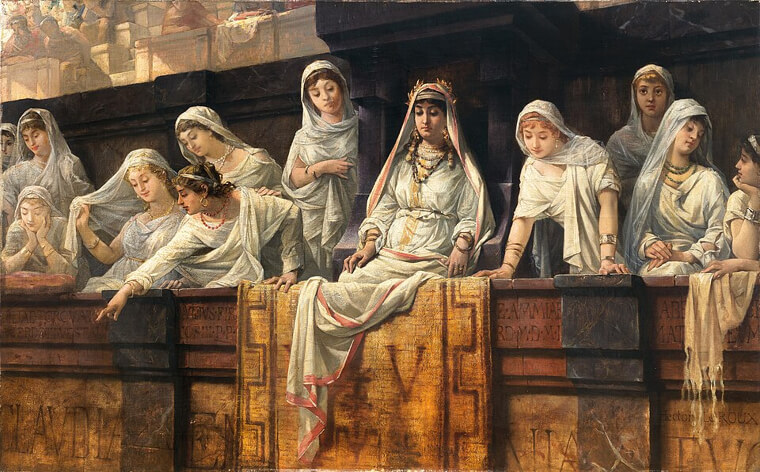
Breaking the rules came with extreme punishments, like beatings or even death. These young girls were held to high standards, and their commitment to Vesta shaped their lives in the most intense ways.
Ancient Skincare: Gladiator Sweat Was Sold to Wealthy Women as a Face Cream
Ancient Romans had some pretty unusual beauty trends. One of them? Buying gladiator sweat! After fights, gladiators would have their sweat scraped off with a tool called a strigil, bottled up, and sold as a “beauty product” to wealthy women.
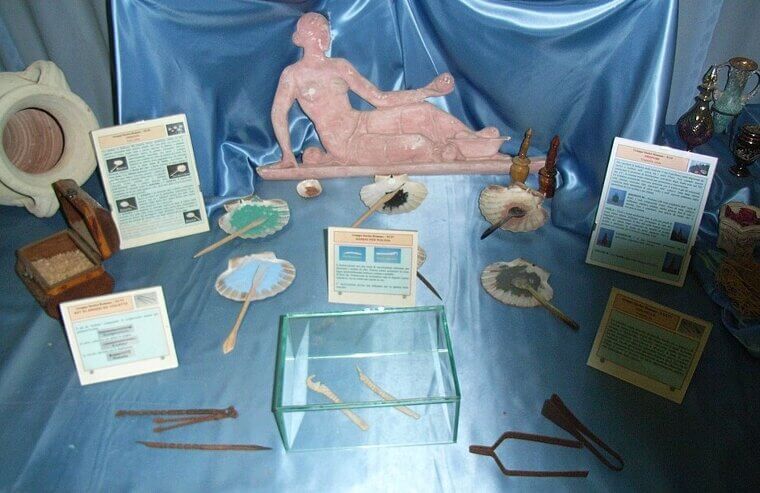
This strange skincare trend was thought to keep skin youthful and glowing. Vendors would wait outside arenas, selling the sweat like some sort of ancient serum. Strange but true – Roman beauty secrets were far from ordinary!
Being Left-Handed Was a Sin
In Ancient Rome, being left-handed was considered a major flaw. Left-handed people were seen as unlucky, dishonest, and even sinful. This prejudice ran deep, and many lefties were treated unfairly simply because of which hand they used.
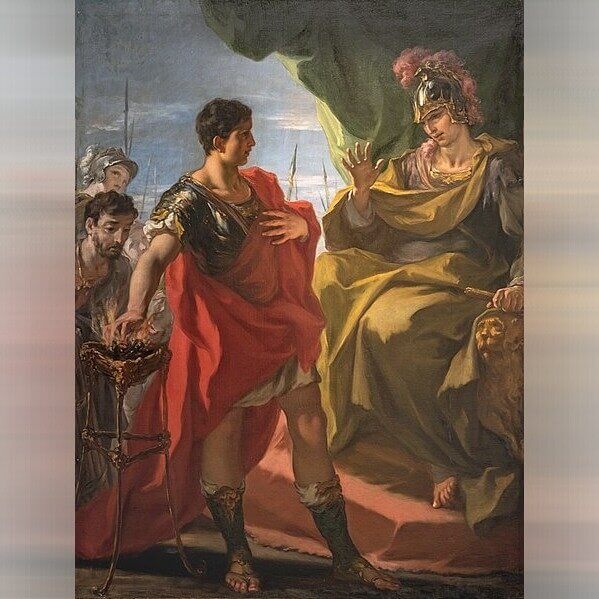
In fact, wedding rings were worn on the left hand’s third finger to avoid any association with the “sin” of being left-handed. Left-handedness was a serious social stigma in Roman society, showing just how much the right-hand bias ruled.
Ancient Romans Initially Thought the Early Christians Were Cannibals
In Ancient Rome, Christians were misunderstood in many ways, one of the oddest being the belief that they were cannibals. Why? Because of the Christian practice of communion, where worshippers symbolically eat “the body of Christ” and drink his blood. To the Romans, this sounded like literal cannibalism.
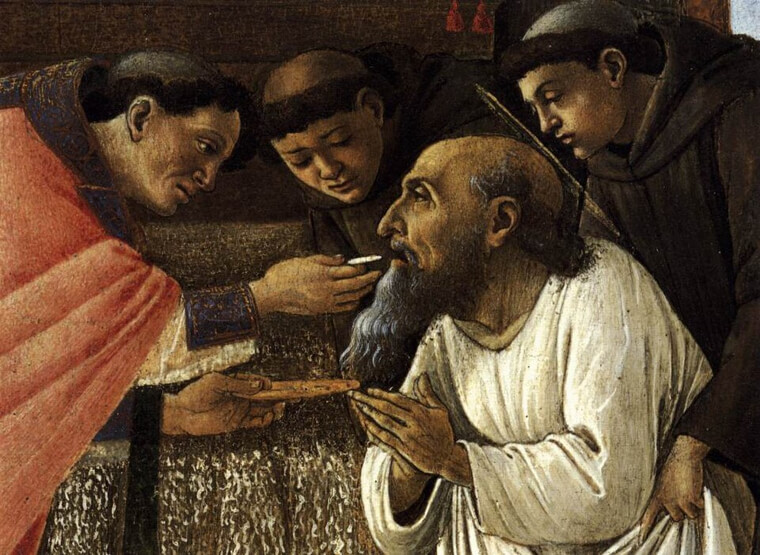
To clear up the confusion, early Christians invited Roman officials to observe their ceremonies. They had to explain that it was all symbolic, not actual human consumption. It was a strange mix-up but part of the challenges early Christians faced in a world that didn’t understand their beliefs.
They Loved Their Pets and Kept Everything From Dogs and Cats to Snakes and Monkeys at Home
Ancient Romans were big animal lovers, and their pets ranged from the usual dogs and cats to more exotic choices like snakes, monkeys, and even apes. For some, these animals were considered family, often treated with the same love and care we see in modern households today.
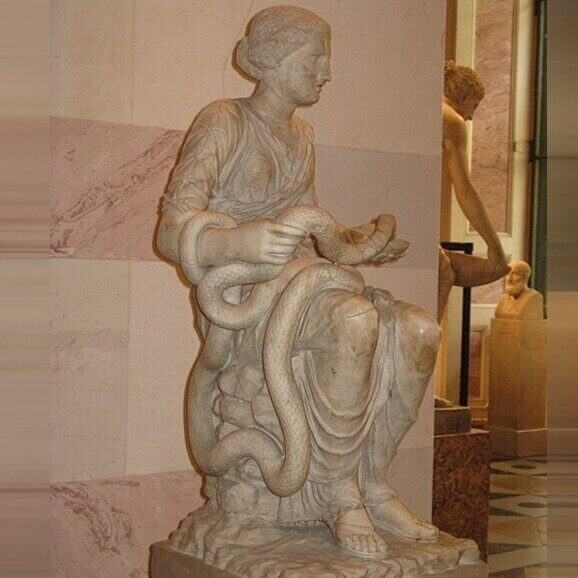
Even more fascinating, some Romans, like those in Macedonia, were known to have tame snakes that drank milk, much like a child would. It’s a quirky look at just how deep the bond with pets ran in Ancient Rome.
The Life Expectancy of a Roman Was 25-40 Years
Life in Ancient Rome wasn’t easy, and it’s reflected in their life expectancy, which was about 25 to 40 years. While the Romans had advanced technology, their living conditions were far from clean, and many lived in unsanitary city conditions. This high mortality rate was mainly due to childhood deaths and dangers during birth.
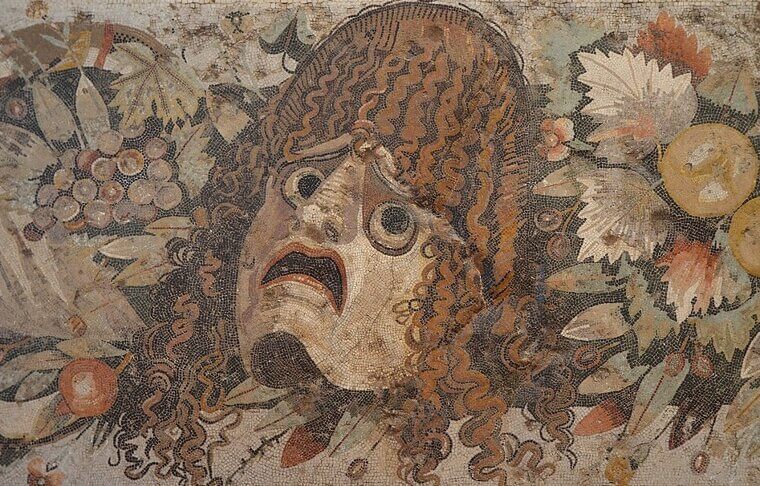
However, if you survived childhood and avoided dangers like war or childbirth, you had a better chance of living much longer, showing that life expectancy could vary widely depending on circumstances.
Romans Believed Drinking a Dead Gladiator’s Blood or Eating Its Liver Cured Epilepsy
Some of the Romans’ health remedies were, well, pretty wild. One of the strangest was the belief that drinking a dead gladiator’s blood or eating their liver could cure epilepsy. People thought the blood could cleanse the soul, and this gruesome practice was even carried out by some as a form of medicine.
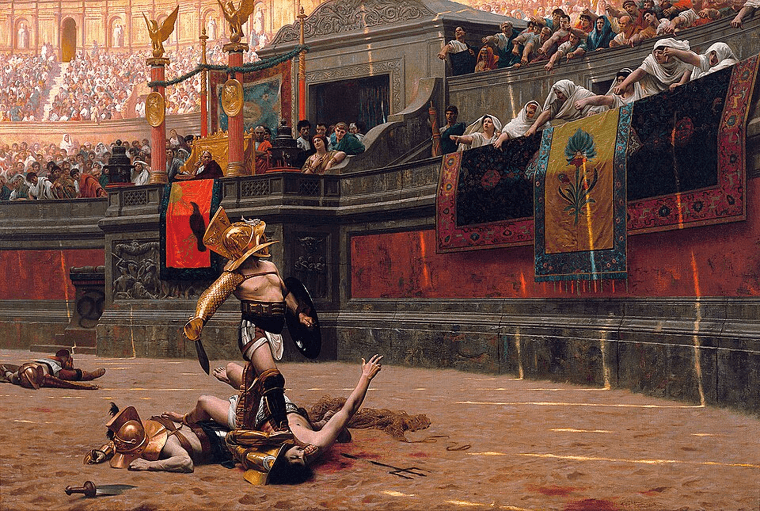
Gladiator blood was often sold while still warm, straight from the arena, as people believed it could also help with other illnesses. It’s one of those bizarre Roman beliefs that make you shake your head!
There Were Female Gladiators Called Gladiatrices
Gladiators weren’t just men in Ancient Rome. Female gladiators, known as gladiatrices, also fought in the arenas. Many were slaves forced to fight, but some volunteered for the brutal battles. By the first century A.D., it became more common to see women in the arena, battling it out just like their male counterparts.
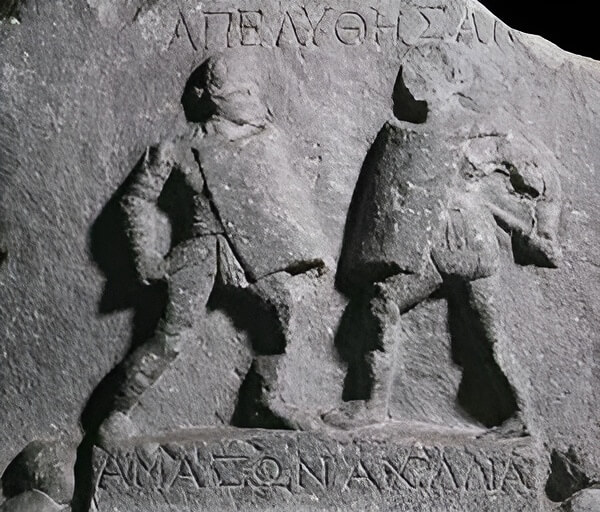
A marble relief from the 2nd century shows two female gladiators, Amazon and Achillia, fighting to a draw. It’s a powerful reminder that women weren’t just bystanders in Roman combat—they were active participants in the gladiator games.
Audiences Determined the Faith of a Gladiator With a “Thumbs Down” or “thumbs Up”
Most people think that the emperor decided a gladiator’s fate with a “thumbs up” or “thumbs down,” but in reality, it was the audience that called the shots. The emperor and game organizers would listen to the crowd’s reactions, responding to boos or cheers. It turns out, a “thumbs up” might actually have meant death, while mercy was shown with other gestures, like a closed fist or a waved handkerchief. Who knew the crowd had that much power?
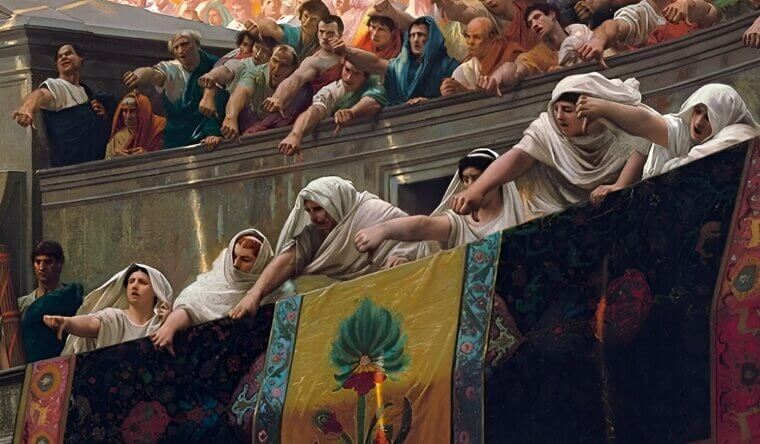
This new understanding helps clear up the common misconception, showing that the “thumbs” gesture might not have meant what we thought it did. The fate of a gladiator was in the hands of the people!
Soldiers Were Paid in Salt and Slaves Were Bought With Salt
In Ancient Rome, salt wasn’t just for seasoning – it was a form of currency! Soldiers were paid in salt, and it’s even said that slaves were bought with it. This is where we get the word “salary” from, derived from the Latin word salarium, which was related to salt. It was an essential part of trade and was considered valuable enough to be used as payment.
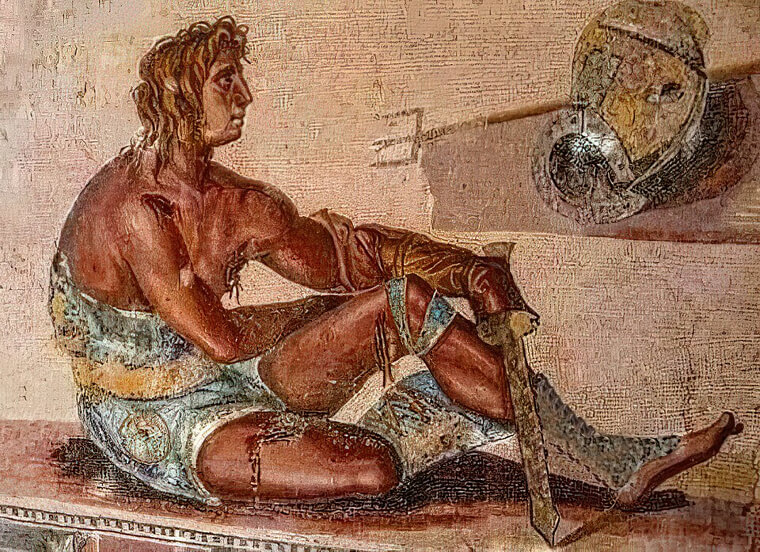
The more important you were, the more salt you got. It’s wild to think that something so simple as salt could hold so much power in the economy back then!
Crying at Funerals Was Banned Because Families Were Hiring Professional Mourners to Cry for Their Loved Ones
Crying at funerals is a natural part of grief, but in Ancient Rome, it became a spectacle. Families would hire professional mourners to cry on their behalf during funerals, making the process more about showing off status than genuine grief. It got so out of hand that the government eventually had to ban it to prevent families from faking their sorrow.
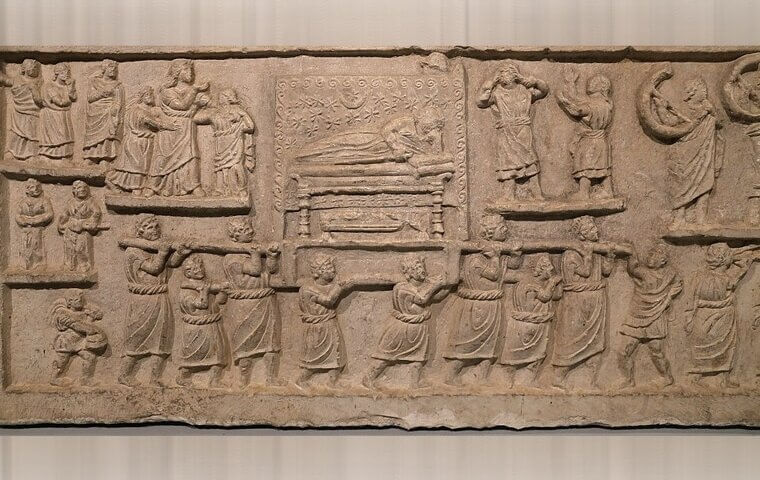
This law stopped people from using funerals as a way to flaunt their wealth and status. It’s hard to imagine how something as personal as mourning turned into a public performance!
Wealthy Wives Took 3-Day Vacations at Least Once a Year to Avoid Becoming Their Husband’s Legal Property
In Ancient Rome, there were laws that said if someone kept something for a year, it became legally theirs. This rule applied to people, including wives. To avoid becoming their husband’s property, wealthy wives would leave their homes for three days each year. It was a clever trick to sidestep the law, and it allowed them to keep some degree of independence.
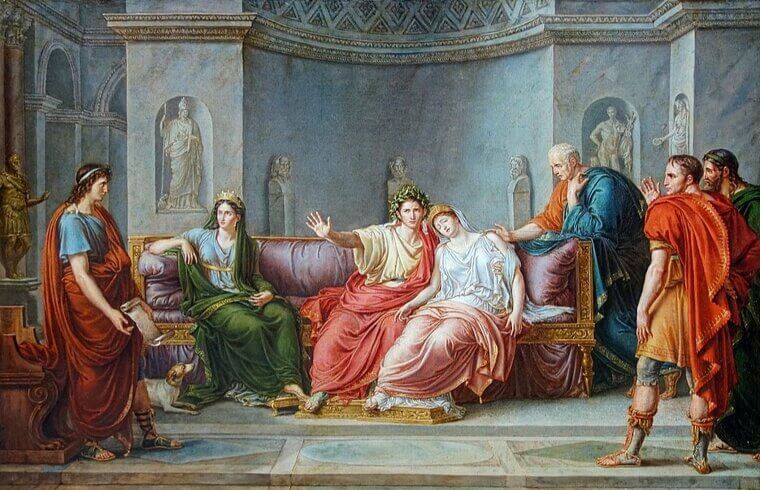
Imagine being a wife in Rome and having to take a mini vacation just to avoid becoming a legal possession! Thankfully, we don’t have to worry about such laws today.
Disrespecting Your Elders Could Lead to Death
In Ancient Rome, disrespecting your elders wasn’t just frowned upon—it could lead to death! The ultimate crime of disrespect was parricide, or killing a parent or close relative. This was considered one of the worst offenses, and anyone found guilty would face brutal punishment, including the horrifying Poena Cullei, a punishment so severe that it’s better left to the history books.
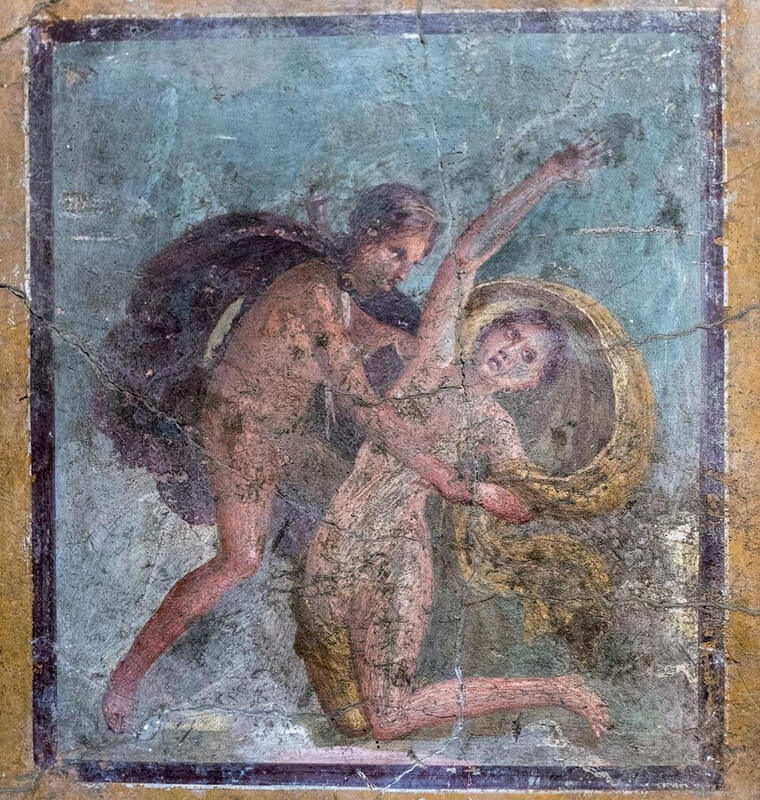
Respecting your elders was no joke in Ancient Rome. Disrespecting them could have deadly consequences!
Husbands Could Cheat, but Cheating Wives Were Publicly Caged and Shamed
In Ancient Rome, the rules around cheating weren’t the same for men and women. If a husband cheated, his wife had to endure it quietly. But if a wife cheated, the punishment was far worse. She could be publicly shamed, caged, and locked up with her lover, all before the husband filed for a divorce.

The double standard was harsh, with women facing severe public humiliation for acts their husbands could get away with. It’s a chilling look at how gender inequality played out in Roman society.
Same-Sex Marriages Weren’t Unheard of and Even Emperor Nero Married Two Men
Same-sex marriages weren’t as unheard of in Ancient Rome as we might think. Emperor Nero, for example, married two men during his reign. One of these weddings took place during the Saturnalia festival when Nero married a freedman named Pythagoras. Interestingly, Nero played the wife in this ceremony, which was ahead of its time in its own right.
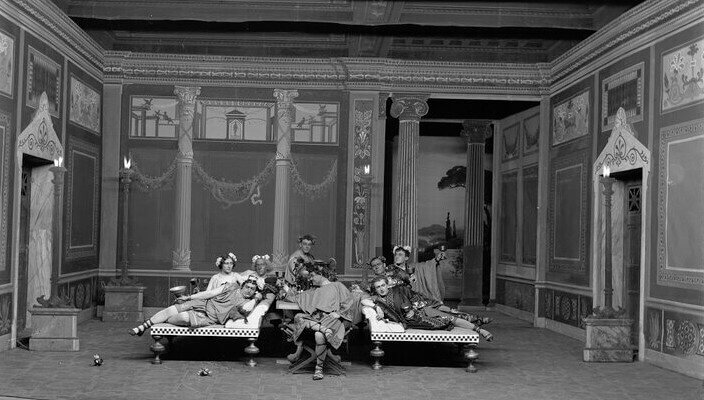
But it didn’t stop there. Nero later married a young boy named Sporus, whom he even castrated to make him appear more womanlike. The Romans, it turns out, were more progressive in some ways than we often assume.
Emperor Gaius Caligula Was Obsessed With His Horse, Giving It a Marble Stall and Its Own House
Emperor Gaius Caligula’s obsession with his horse, Incitatus, is one of the more bizarre stories from Ancient Rome. Caligula loved his horse so much that he gave him a marble stall, an ivory manger, and even a house. Some stories say the horse was even given a jeweled collar and dined on oats mixed with gold flakes.
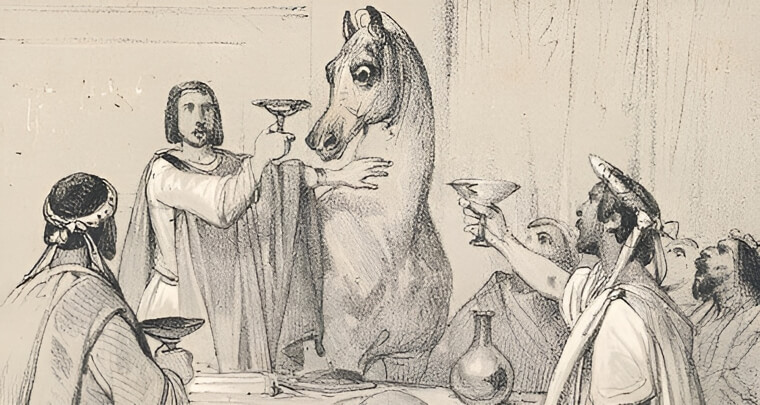
This strange affection for a horse went so far that Caligula allegedly considered making Incitatus a senator. Whether all of this is true or not, it definitely highlights Caligula’s eccentricities and his unusual love for his horse.
They Invented the Shopping Mall
It might surprise you to know that Ancient Rome invented the shopping mall. Trajan’s Market, built by the architect Apollodorus of Damascus between 100-110 AD, is considered the world’s first shopping mall. Located near the Colosseum, it was a massive complex that included shops, apartments, and even social spaces.
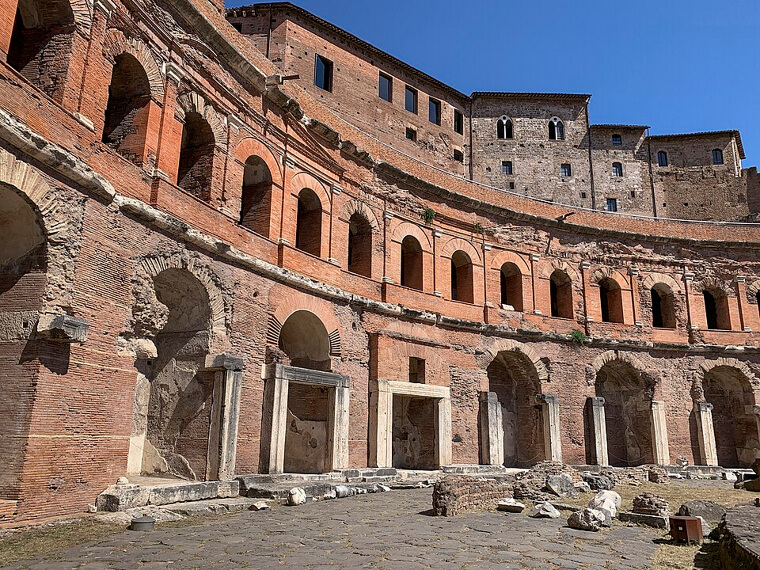
Although it’s mostly in ruins today, the Romans laid the groundwork for our modern shopping habits. We have them to thank for the malls we love to shop in today!
Anyone Struck by Lightning Was Looked Down on
Being struck by lightning in Ancient Rome was seen as a bad omen. Romans believed that it was a sign from the god Jupiter, signaling that the person was out of favor. If someone was struck, no one would help them, and even worse, they couldn’t be buried properly.
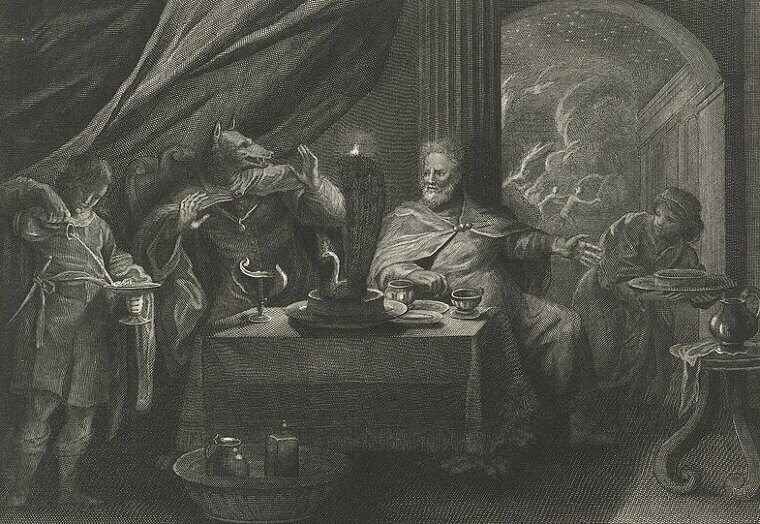
Trying to bury a person struck by lightning was considered an offense that could anger Jupiter. This superstition made dealing with lightning strikes particularly cruel for those affected.
The Color Purple Symbolized Wealth and Power so Only Certain People Were Allowed to Wear It
In Ancient Rome, purple was the color of the elite. Only emperors and high-ranking officials were allowed to wear purple togas, and it was illegal for anyone from the lower classes to wear this prestigious color. This rule was part of the sumptuary laws that kept Roman society organized by reinforcing the visible distinction between the social classes.
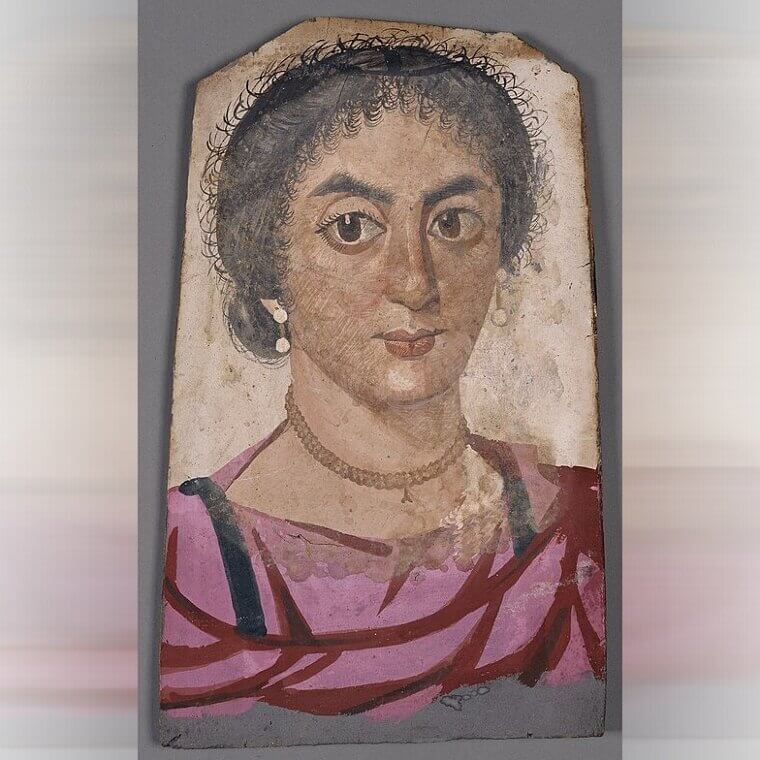
It might seem strange today, but this practice helped the Romans easily identify their social status, making it clear who was powerful and who was not.
The Most Popular Sport Was Chariot Racing, Not Gladiator Fights
While gladiator battles are often the first thing people think of when it comes to Ancient Rome, chariot racing was actually the most popular sport. The Circus Maximus, where chariot races took place, could hold up to 250,000 spectators—more than any gladiator fight could ever draw.
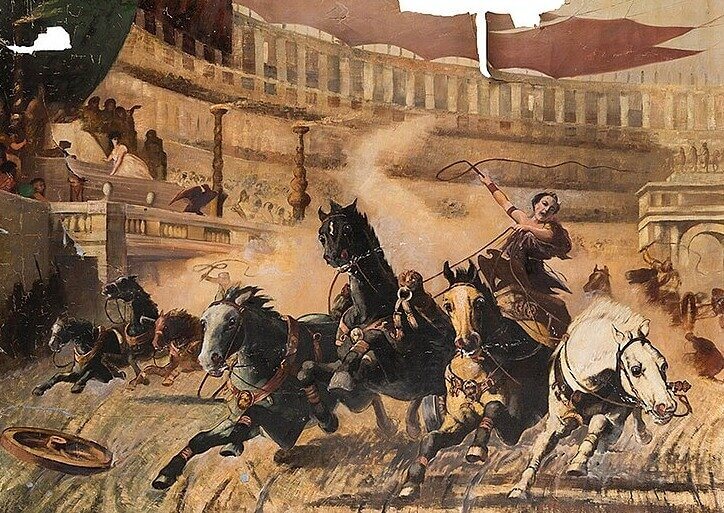
Chariot racing was the main event, with massive crowds eagerly watching the thrilling and dangerous races. Gladiator fights were exciting, but chariot races were the true fan favorite.
High-Class Roman Men Ate Every Meal Reclined on a Couch-Bed
Meals for the wealthy men of Ancient Rome were anything but ordinary. Instead of sitting at a table, they would lie down on couches and eat while reclining. They used their hands to enjoy breakfast, lunch, and dinner in a relaxed and leisurely way. Sounds pretty comfy, right?
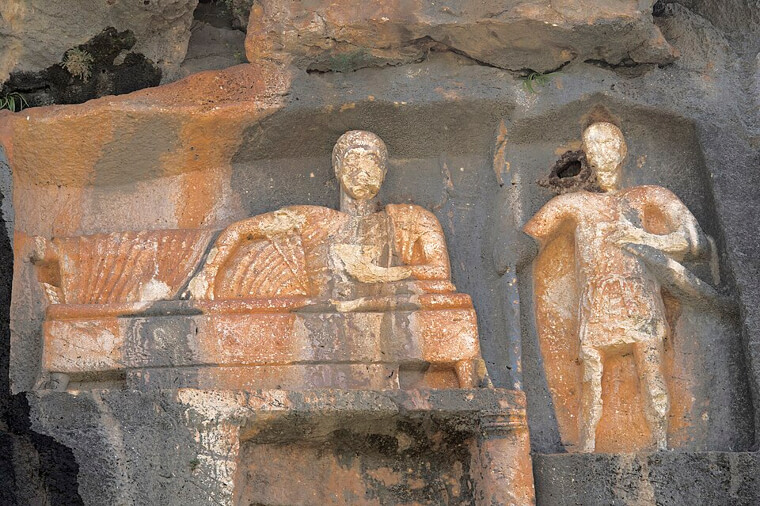
Over time, upper-class women were also allowed to join in and recline during meals, though they were initially excluded from these lavish dining experiences. This practice was one of the many ways Romans flaunted their wealth and social status. Wouldn’t it be nice if we could do that today?
Gladiators Were the Celebrities of the Roman Empire
In Ancient Rome, gladiators weren’t just fighters—they were the celebrities of their time. While some were slaves and prisoners forced into combat, the true gladiators became famous for their skills and bravery. Kids would play with figurines of their favorite gladiators, and many women adored them so much they wore jewelry soaked in their blood or used their sweat in cosmetics.
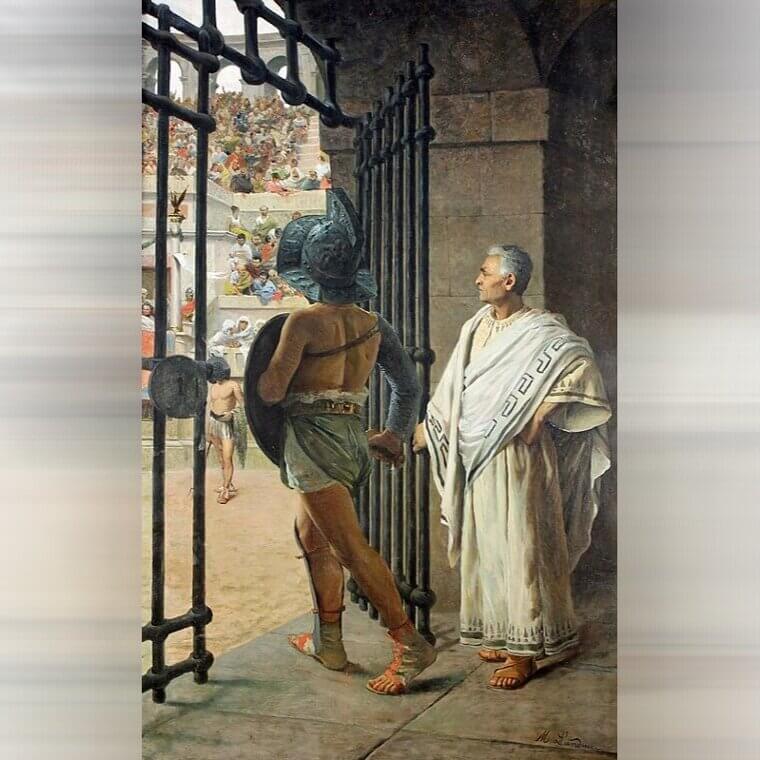
Just like modern athletes, gladiators had huge followings. They were admired for their strength, talent, and their ability to entertain crowds. Talk about an ancient version of stardom!
They Fought in the Longest War in History – It Lasted Over 700 Years
The Roman-Persian Wars hold the title of the longest conflict in history, lasting around 721 years! This series of battles between the Roman Empire and the Persian empires (Parthian and Sassanian) began in 66 BC and didn’t end until around 628 AD with the rise of the Arab Muslim Conquests.
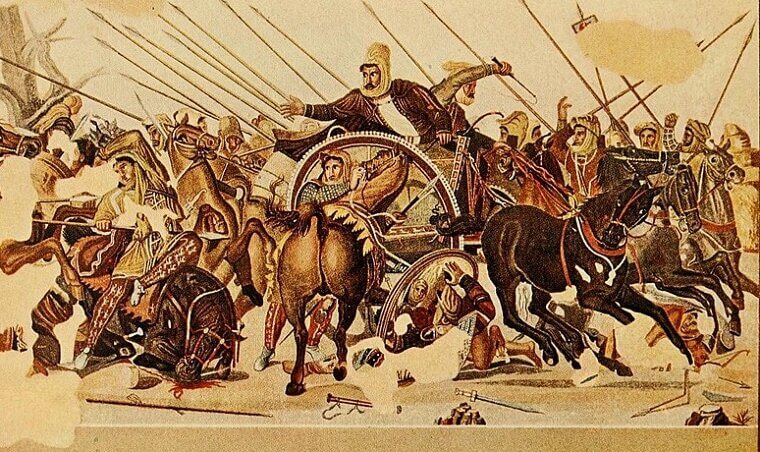
Despite the long duration of these wars, the Roman Empire remained powerful for much of that time. However, the wars drained resources and caused significant casualties. It’s a reminder of just how long Rome’s battles and conflicts could last!
The Link Between Saturnalia and Christmas
Many of our modern Christmas traditions can trace their roots back to the Roman festival of Saturnalia, held in mid-December to honor Saturn, the god of agriculture. During this week-long festival, which started on December 17th, work came to a halt, and Romans celebrated with feasts, gift-giving, and decorating their homes with greenery, much like we do for Christmas today.
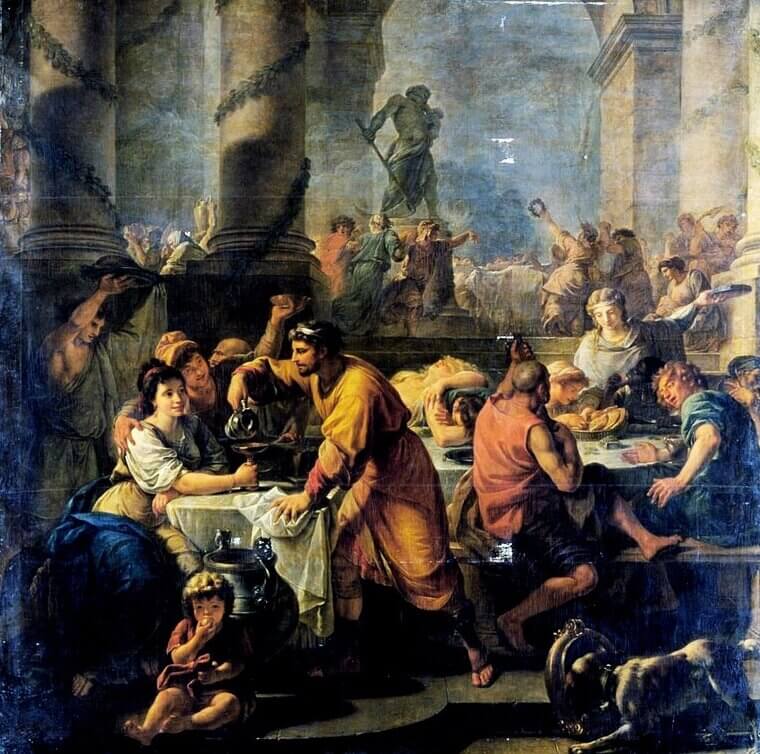
Slaves were even given time off to join in the festivities. The spirit of Saturnalia influenced many of our Christmas customs, blending the ancient with the modern in the holiday season.
The Word “Salad” Has Its Roots in Ancient Rome
Ever wondered where the word “salad” comes from? It has its origins in Ancient Rome! The Romans would sprinkle salt on their vegetables and leafy greens, giving them more flavor. Over time, these salted dishes became known as salads.
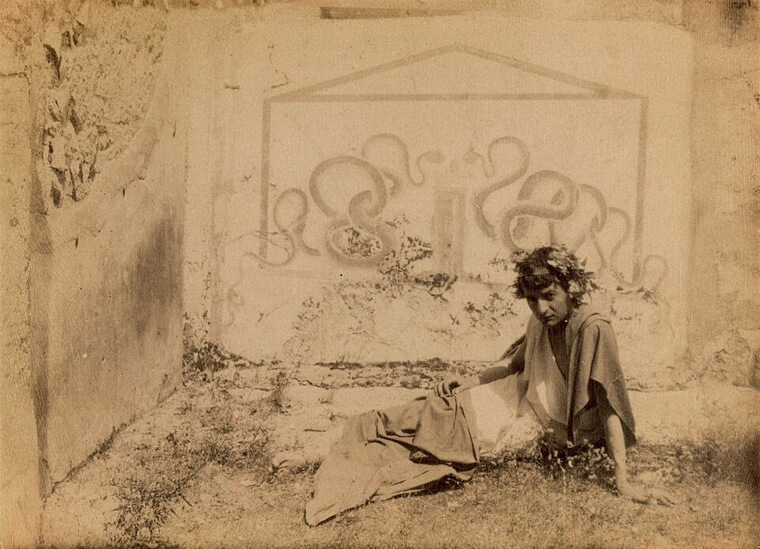
Wikimedia Commons/Guglielmo Plüschow via Ebay auctions
Salt was incredibly important in Roman daily life, not just as a seasoning, but also as a valuable trade commodity. The Via Salaria, a major road in Rome, was dedicated to transporting salt to the city, highlighting its importance to Roman society. So next time you enjoy a salad, you can thank the Romans for the name!
The Sewer Goddess, Cloacina
Ancient Rome had a god for almost everything, and Cloacina was the goddess responsible for the city’s sewers and drains. She was in charge of the Cloaca Maxima, Rome’s main sewage system. Originally part of Etruscan mythology, the Romans later connected her to Venus. As strange as it sounds, she was highly revered for keeping the sewers running smoothly and keeping the city clean.
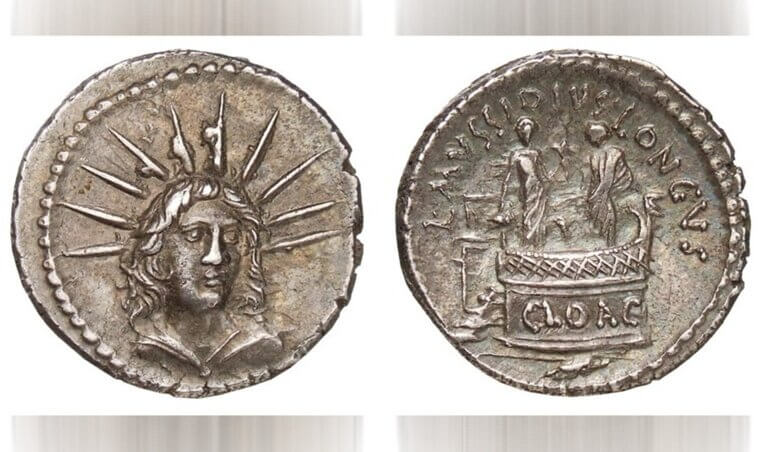
Over time, Cloacina took on more responsibilities, becoming the goddess of marriage, cleanliness, and even filth. A shrine was built above the entrance to the Cloaca Maxima in her honor, showing just how important she was to the Romans.
The Founders of Rome
According to Ancient Greek myths, Rome was founded on April 21st, 753 BCE by the twin brothers Romulus and Remus, sons of the god Mars and Rhea Silvia. After being thrown into the Tiber River as punishment, they were saved by a she-wolf and raised by a herdsman. When they grew up, they avenged their grandfather by killing King Amulius and decided to start a city of their own.
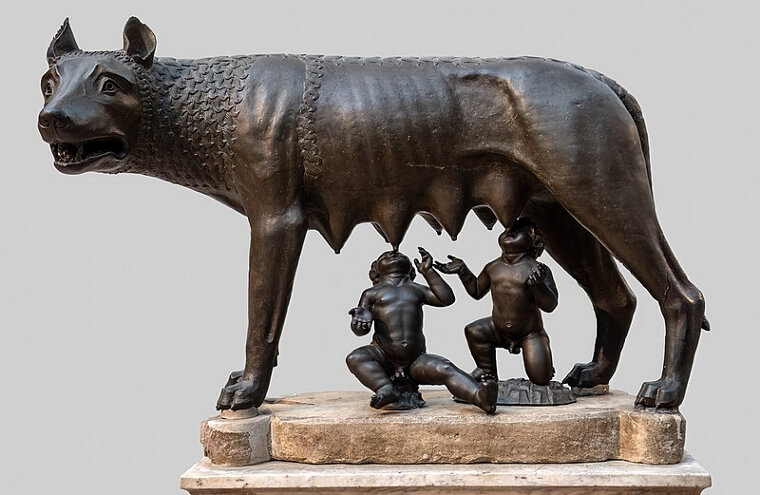
However, the naming of this new city led to tragedy—after a fight, Romulus killed Remus and named the city Rome, after himself. It’s a dramatic tale of ambition and sibling rivalry that marks the beginning of one of the world’s most famous empires.
Ancient Rome Wasn’t as Big as We Thought It Was
Despite its towering presence in history, the Roman Empire was only the 28th largest empire in history. At its peak, it covered 12% of the world’s population and wasn’t as vast as we might have imagined. Even though it was relatively small compared to other empires, its influence on culture, law, and civilization was immense.

Rome’s lasting impact far outstripped its size. It shaped many aspects of the world we live in today, despite not covering as much ground as we often assume.
Romans Considered the Early Christians to Be Atheists
Early Christians in Ancient Rome were viewed as atheists by the Romans, even though they followed a single god. The reason for this was that they refused to worship the traditional Roman gods. The Romans saw this as a direct rejection of their culture and beliefs, which led to Christians being labeled outsiders.
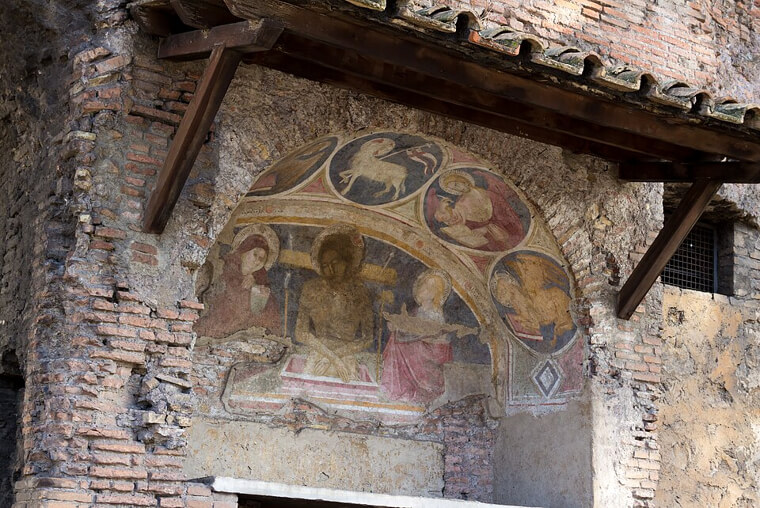
Without temples, priests, or organized practices like the Romans, early Christians were often isolated, facing rumors and discrimination for their beliefs. The label of “atheist” stuck, adding to their struggles in Roman society.
A Dense Population
At its peak, the Roman Empire spanned 4.4 million square miles and was home to around 57 million people. While it wasn’t the largest empire in terms of land, it was one of the most densely populated of its time. The high population density contributed to its complexity and strength but also created challenges that affected daily life.

Even though it didn’t compare to modern cities like New York, Ancient Rome had an impressively high population for its size, making it one of the most populated empires in history.
Income Inequality at Its Finest
Economic inequality in Ancient Rome wasn’t as extreme as it is in some modern nations, but it still played a significant role in shaping Roman society. The top one percent controlled about 16% of the wealth, compared to the 40% controlled by the wealthiest today in places like America.
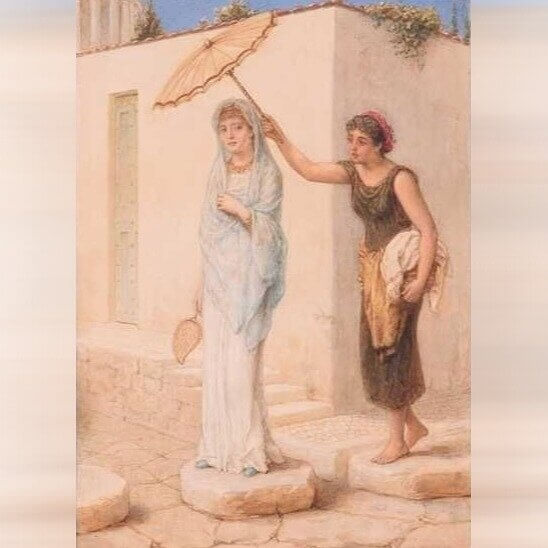
This allowed for a somewhat more balanced distribution of wealth, which contributed to the empire’s growth. However, over time, the gap between rich and poor widened, leading to major political changes. This inequality played a key role in the fall of the Roman Republic and paved the way for Julius Caesar’s rise to power.
The Slaves of Rome
Slavery was deeply ingrained in Ancient Rome, playing a critical role in its economy. It’s estimated that enslaved people made up about 10-15% of the population, particularly thriving between the Second Punic War and the 4th century CE. Slaves came from diverse backgrounds, often captured in wars or bought from pirates, but unlike modern slavery, it wasn’t based on race.
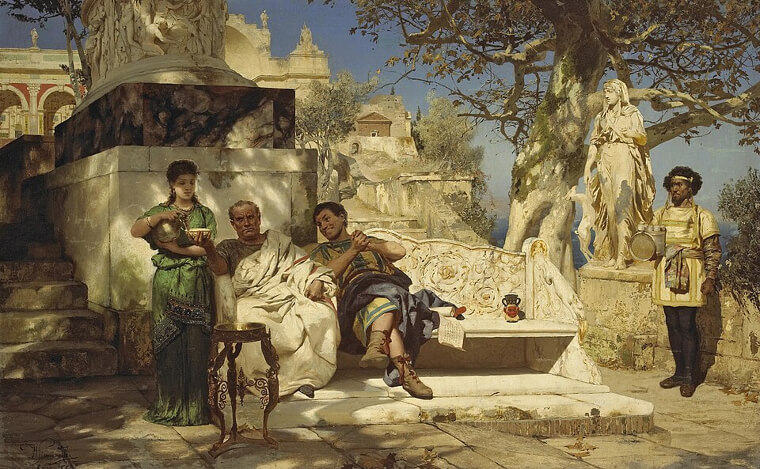
Some Roman families even sold their own children into slavery during tough times, hoping to survive. Unfortunately, many of these children were never reunited with their families, making slavery a deeply painful and widespread practice in the Roman Empire.
The Statue of Liberty and Its Link to Rome
The Statue of Liberty is more connected to Ancient Rome than you might think. In 23 BC, the Romans built a temple to the goddess Libertas on Aventine Hill. This Roman goddess, who represented freedom, would later inspire the creation of the Statue of Liberty, standing tall in her Roman gown on Liberty Island.

Libertas, originally a pagan figure, is still celebrated today, featured on currencies like those of Switzerland and the United States, and seen on the Great Seal of France. She symbolizes freedom across the globe, making her ties to Rome an enduring legacy.
Who Was Cincinnatus?
Cincinnatus is a well-known figure in Roman history, famous for his humility and devotion to duty. A simple farmer with just four acres of land, he was called upon to defend Rome from the Aequi tribe. Within just 15 days, he led the Roman army to victory and, true to his humble nature, returned to his farm as soon as his job was done.
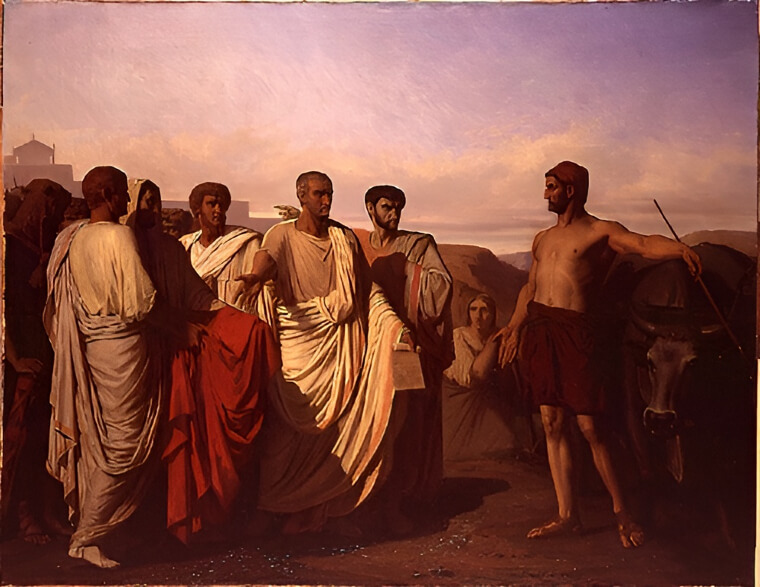
Cincinnatus became a symbol of selflessness and civic duty. He turned down power and glory, preferring the simple life of a farmer, showing that true leadership often comes from choosing what’s best for the community over personal gain.