America’s First Ladies have always been more than just the president’s spouse. Many of them shaped policy, influenced public opinion, and even played quiet roles in major political decisions. From championing women’s rights and mental health awareness to driving public health programs and education initiatives, these powerful women left a real mark on American history. In this ranking, we’re looking at the most beloved and influential First Ladies — the ones who turned the White House into a platform for change, leadership, and lasting legacy.
1. Eleanor Roosevelt
Eleanor Roosevelt totally changed what it meant to be a First Lady in American politics. She wasn’t just standing beside the president. She spoke about civil rights, women’s rights, and social justice, pushing conversations that shaped modern American democracy. Her voice carried real influence in government and policy circles.
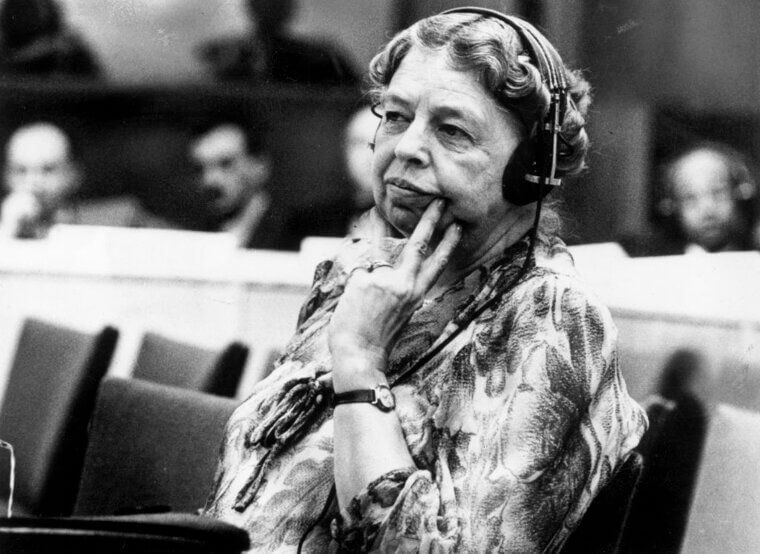
She also worked on human rights advocacy and public welfare programs, even helping create the United Nations Human Rights Commission. Eleanor supported New Deal social programs and helped communities struggling with poverty. That’s why many historians still call her the most powerful First Lady in U.S. history.
2. Abigail Adams
Abigail Adams was way ahead of her time. She believed women deserved a voice in politics, education, and leadership, which was a bold idea back then. Her famous message to “remember the ladies” became one of the earliest calls for women’s equality and legal rights in America.
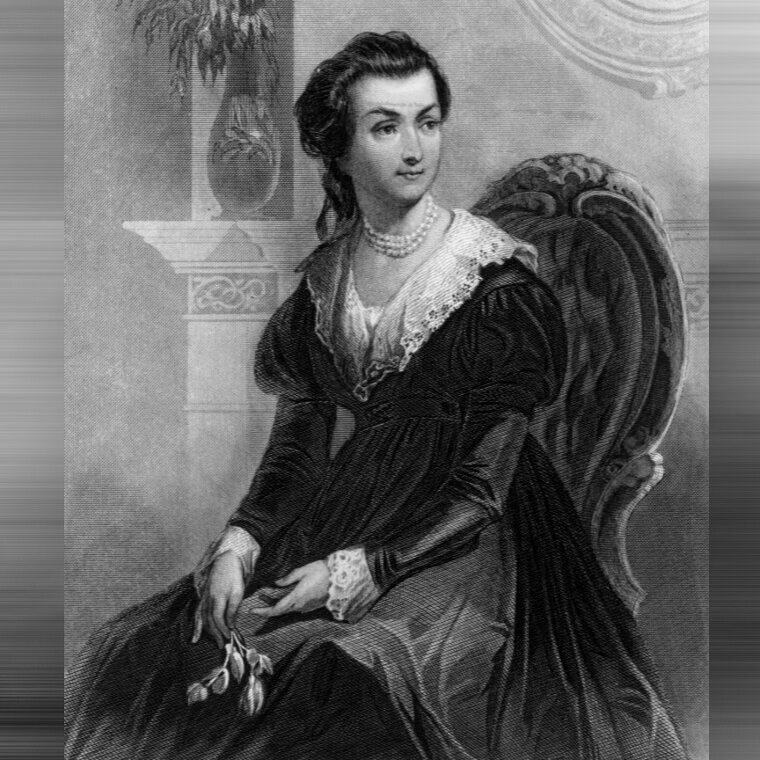
While her husband worked in government, Abigail handled family finances, property investments, and farm management. Pretty impressive for that era. Her letters also give deep insight into early American political history, making her one of the most respected First Ladies.
3. Laura Bush
Before entering the White House, Laura Bush worked as a teacher and librarian, and you can see that influence in everything she did as First Lady. She focused heavily on education reform, literacy programs, and childhood learning initiatives across the country.
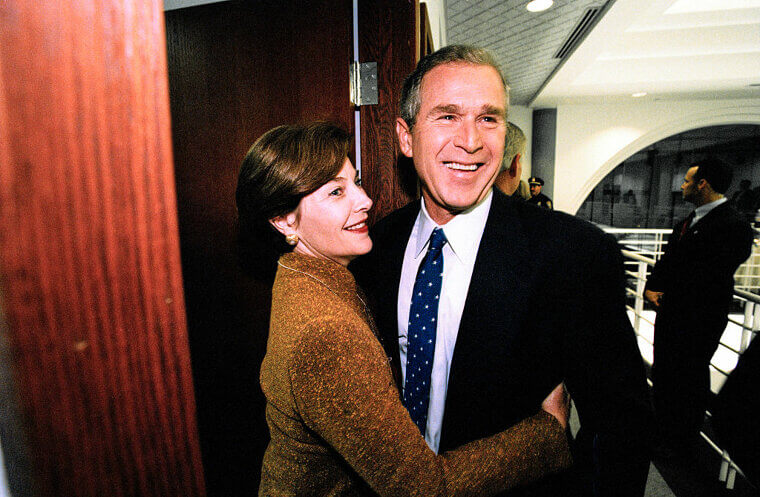
She launched projects like the National Book Festival and pushed for reading programs for children and families. Laura also spoke openly about women’s health issues and breast cancer awareness, helping bring more attention to important healthcare conversations.
4. Lady Bird Johnson
Lady Bird Johnson is often remembered for her strong push toward environmental protection and urban beautification programs. Her famous Beautification Campaign helped improve parks, highways, and public spaces across the United States.
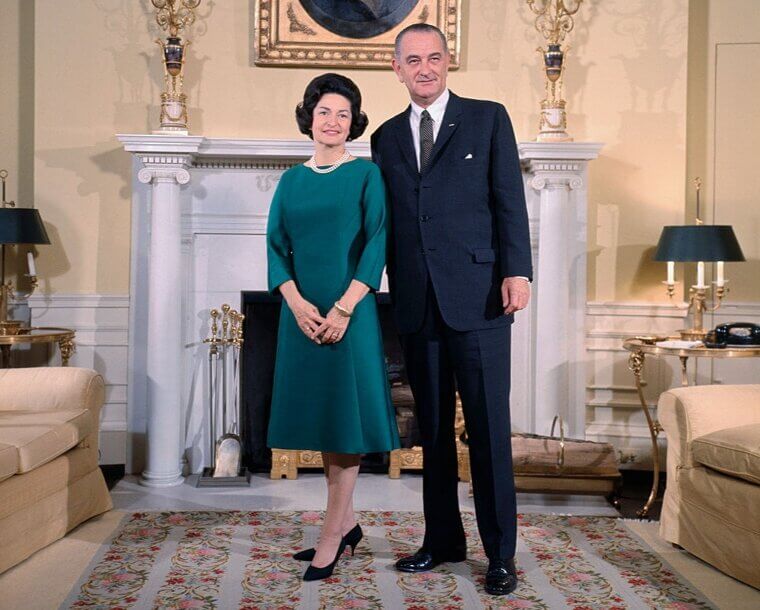
She also supported early childhood education funding through programs like Head Start. By mixing environmental policy and education advocacy, Lady Bird showed how First Ladies could influence both nature conservation and social development.
5. Betty Ford
Betty Ford became one of the most honest and relatable First Ladies in American history. She openly talked about her breast cancer diagnosis, which helped raise awareness about women’s healthcare and early cancer screening.
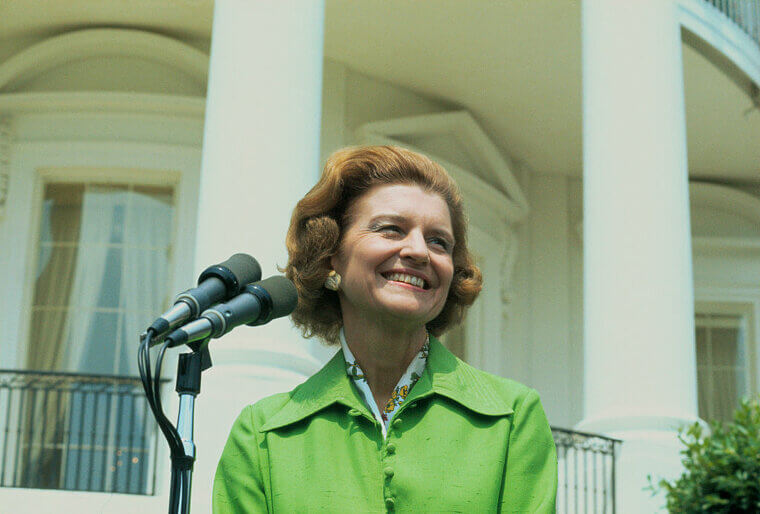
Later, she spoke publicly about addiction recovery and mental health treatment, something many public figures avoided at the time. Her creation of the Betty Ford Center for addiction treatment turned into one of the most respected rehab facilities in the country.
6. Dolley Madison
Dolley Madison basically created the social and diplomatic culture of the White House. Her gatherings and events helped politicians from different parties talk things out, which played a quiet role in early American political diplomacy.
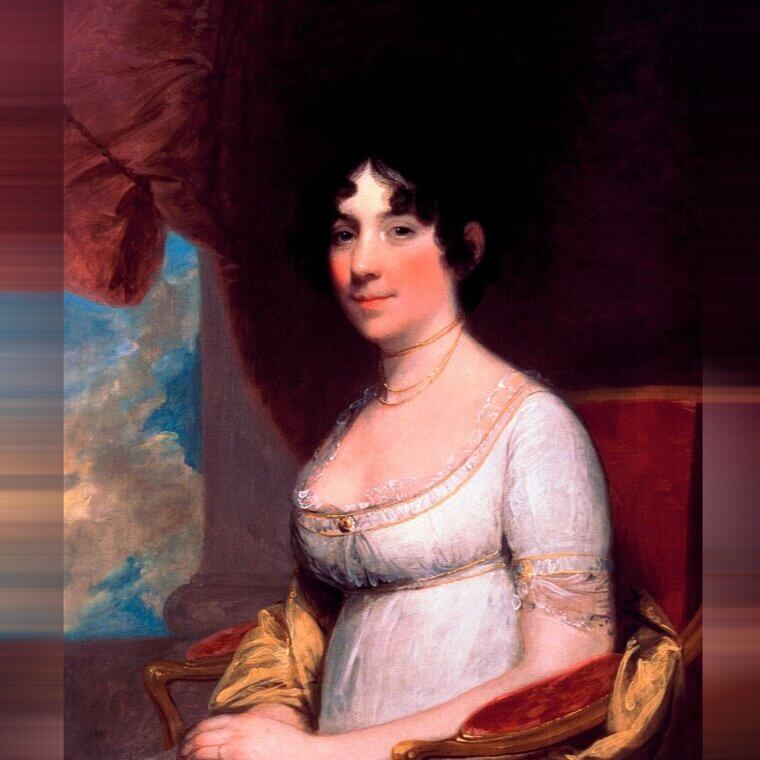
She also became famous during the War of 1812 when she saved a portrait of George Washington before the British burned Washington, D.C. That moment turned her into a symbol of American courage and national pride.
7. Rosalynn Carter
Rosalynn Carter took a very active role in government discussions, especially when it came to mental health policy and healthcare reform. She worked closely with leaders to improve mental health services and support systems in the United States.
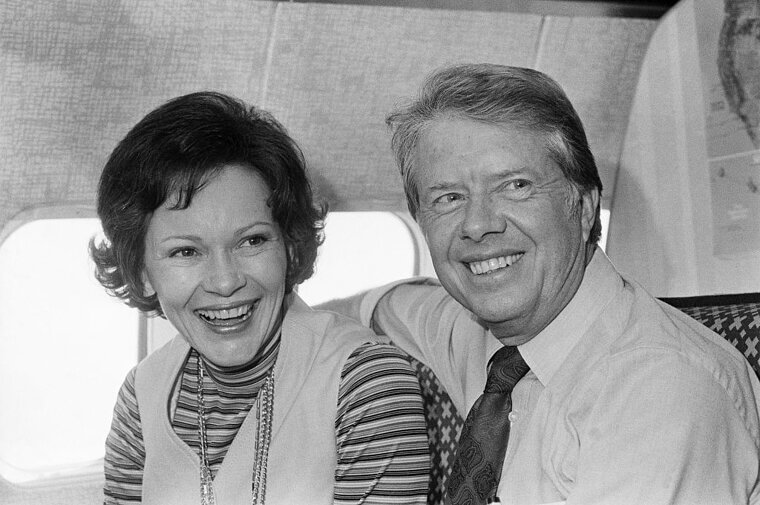
Even after leaving the White House, she continued major humanitarian work through The Carter Center, focusing on global health, human rights, and disease prevention programs. Her lifelong public service made her deeply respected worldwide.
8. Jackie Kennedy Onassis
Jackie Kennedy brought style, culture, and historical pride back into the White House. She led the major restoration of the White House, turning it into a place that honored American history and presidential heritage.
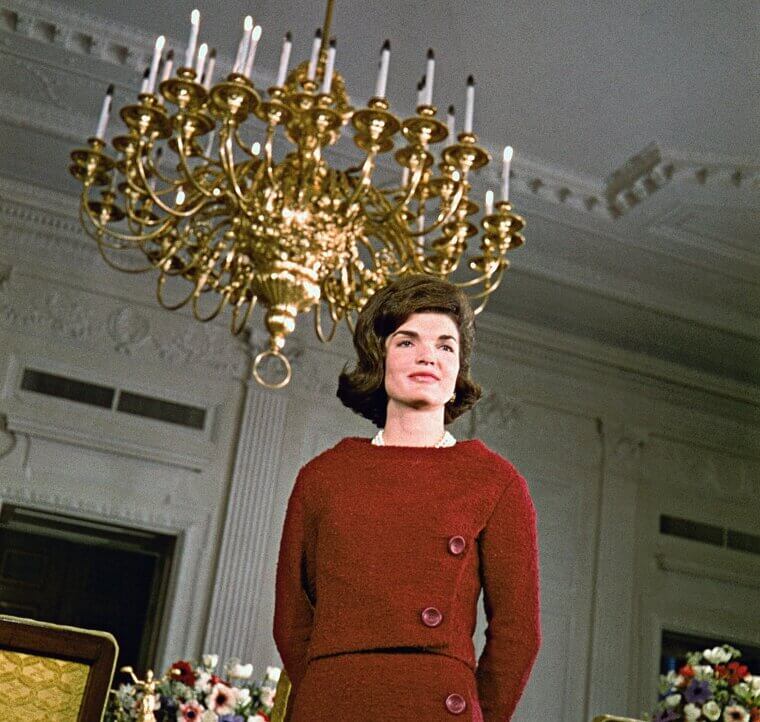
She also supported arts, culture, and historic preservation projects across the country. After leaving Washington, she built a career in book publishing and media, continuing her influence in American cultural life. Even today, Jackie Kennedy remains one of the most iconic First Ladies ever.
9. Martha Washington
Martha Washington, the very first First Lady of the United States, helped shape what the role would look like for generations. She was known for her warm hospitality and leadership in the presidential household, setting early traditions that later First Ladies followed.
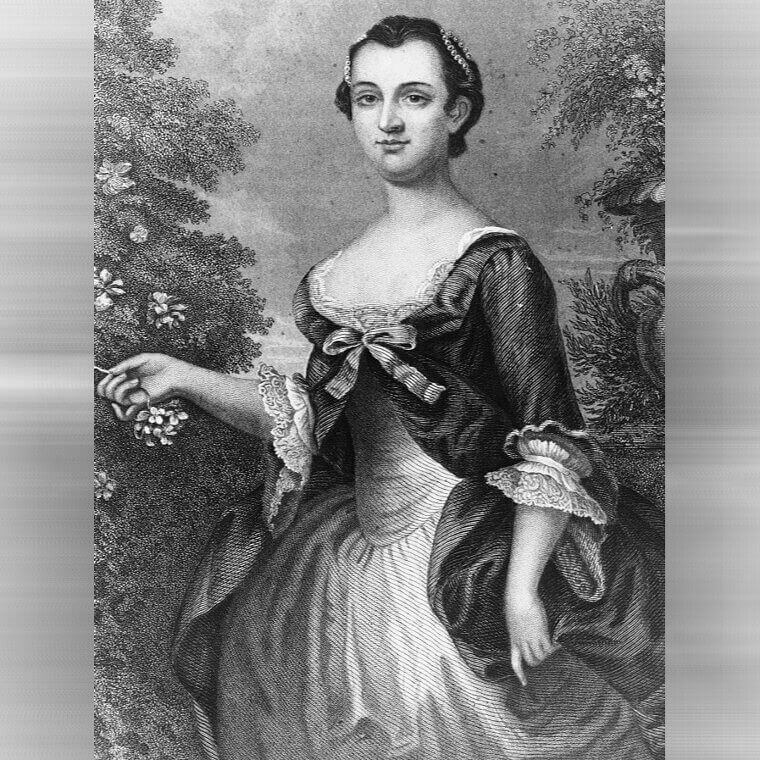
During the American Revolutionary War, she supported soldiers and families through charitable work and aid programs for veterans. Her calm strength and dedication to public service made her one of the most respected women in early American history.
10. Edith Roosevelt
Edith Roosevelt quietly changed the structure of the modern White House and the First Lady’s role. She created the official Office of the First Lady, giving the position more organization and influence in presidential administration.
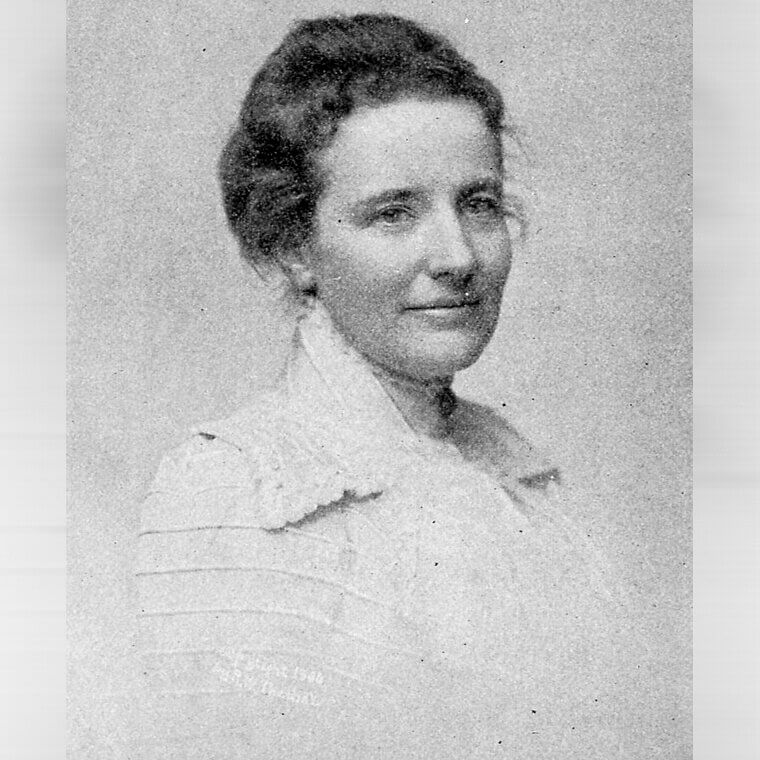
She also supervised a major White House renovation project, which led to the creation of the West Wing used by presidents today. Along the way, she promoted arts, education programs, and family welfare initiatives, leaving a lasting mark on presidential history.
11. Lou Hoover
Lou Hoover was one of the most educated First Ladies of her time and the first to hold a college degree. She strongly supported education programs, youth leadership, and women empowerment initiatives across the United States.
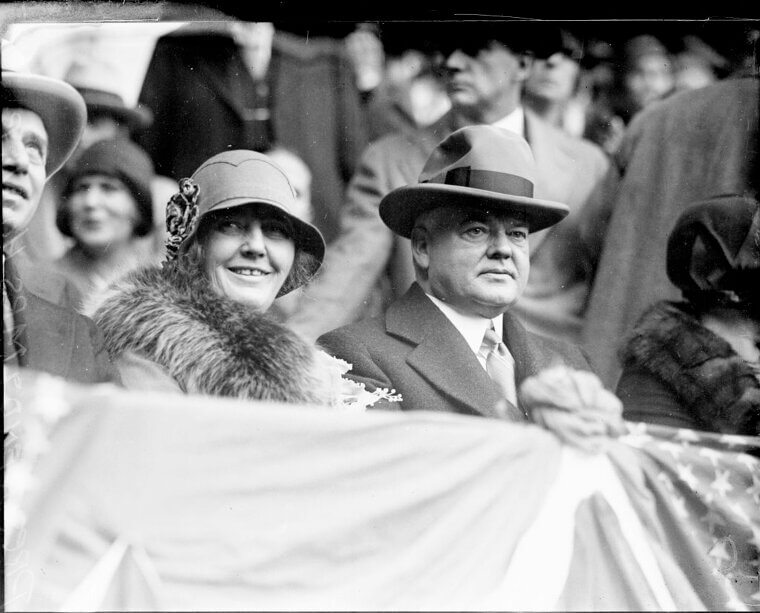
She also served as national president of the Girl Scouts, helping expand programs focused on youth development, leadership skills, and outdoor education. Her passion for community service and women’s progress made her widely admired.
12. Louisa Adams
Louisa Adams made history as the first foreign-born First Lady of the United States. Her international background gave her a unique role in early American diplomacy and political social circles.
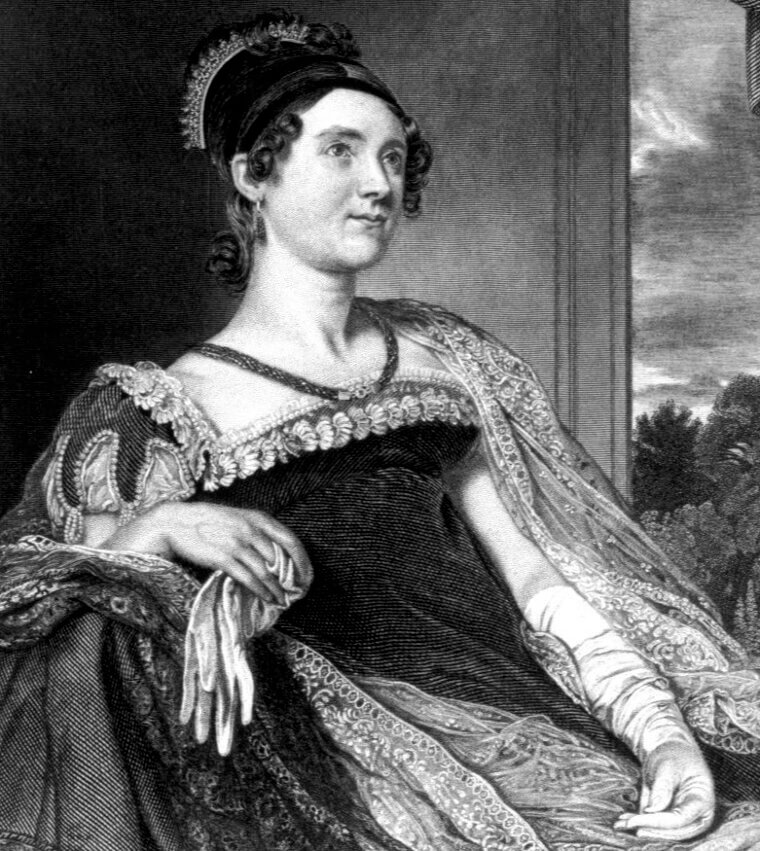
She used her love for music, arts, and cultural gatherings to bring political leaders together and ease tensions. Louisa also supported women’s education and social welfare programs, helping bridge cultural and political differences in Washington.
13. Barbara Bush
Barbara Bush became widely known for her down-to-earth personality and focus on education reform and family literacy programs. She believed reading could change lives and worked hard to expand adult literacy and child education initiatives.
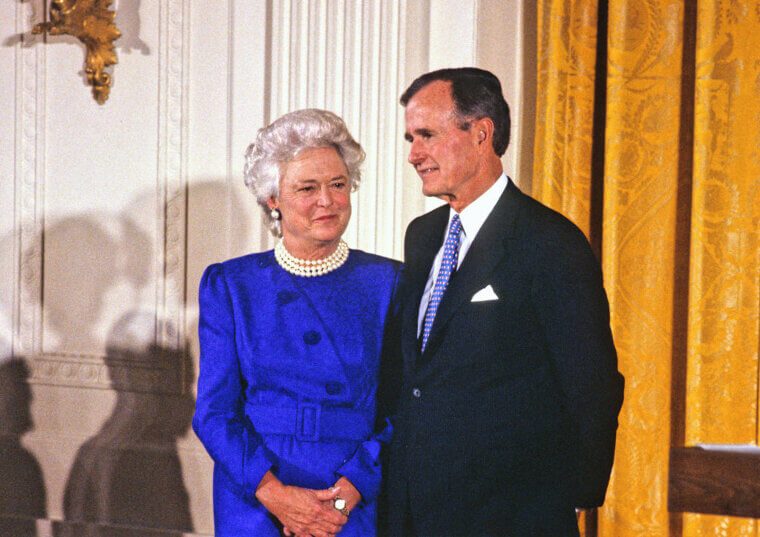
She founded the Barbara Bush Foundation for Family Literacy, which helped thousands of families improve reading skills, education access, and economic opportunities. Her humor and grandmother-like warmth made her one of America’s most loved First Ladies.
14. Bess Truman
Bess Truman brought a simple, down-to-earth personality to the White House. She stayed away from the spotlight most of the time, focusing on family life, community values, and supporting President Harry Truman’s leadership behind the scenes.
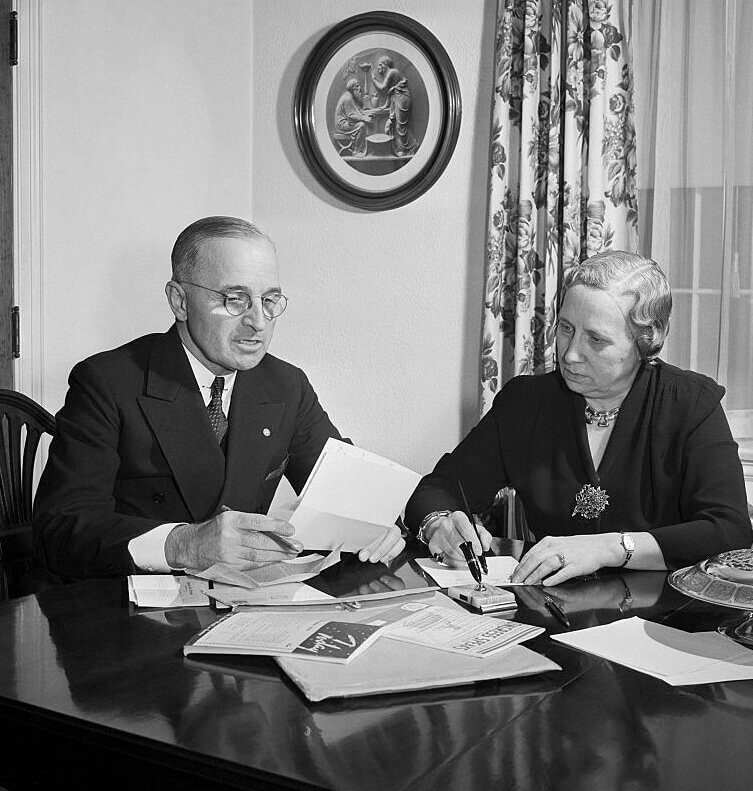
She also supported several local charity programs and community welfare efforts. Known for her practical mindset and modest lifestyle, Bess showed that a First Lady didn’t need glamour to earn respect and admiration.
15. Ellen Wilson
Ellen Wilson used her role to focus on urban housing reform and social welfare programs in Washington, D.C. She believed everyone deserved safe living conditions, which pushed her to fight for improvements in low-income housing and city development projects.
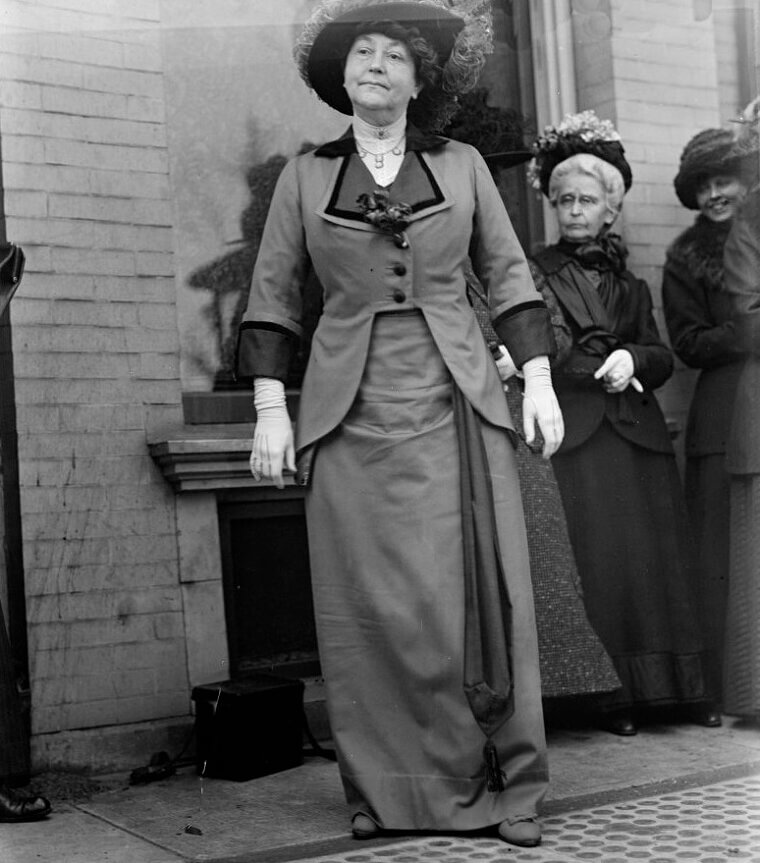
Her efforts led to the creation of the Alley Dwelling Authority, one of the earliest government steps toward affordable housing and urban renewal programs. Along with that, she supported arts education and cultural programs, mixing creativity with social change.
16. Grace Coolidge
Grace Coolidge brought energy and warmth to the White House, quickly becoming one of the most liked public figures of her time. Before becoming First Lady, she worked as a teacher for deaf and hard-of-hearing students, which shaped her lifelong advocacy.
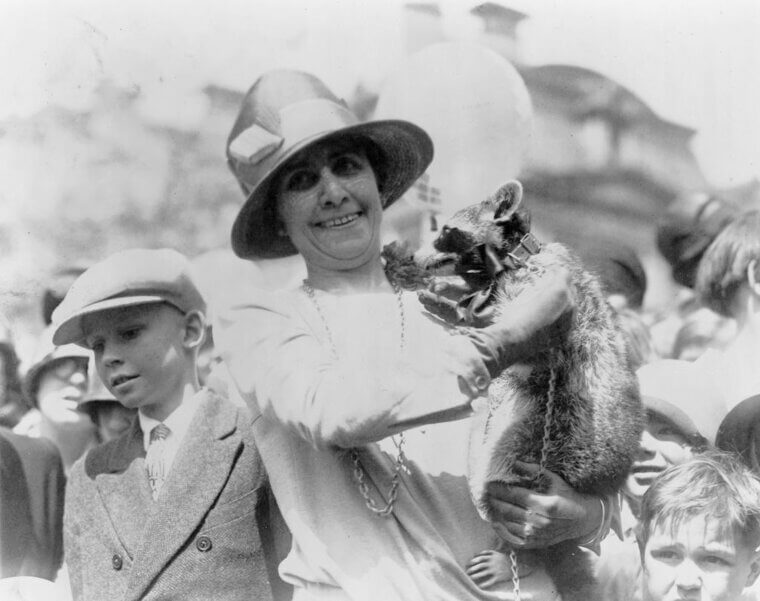
She continued promoting education programs for the hearing-impaired and youth development initiatives during her time in Washington. Her friendly personality and dedication to disability awareness and inclusive education earned her widespread admiration.
17. Martha Jefferson Randolph
Martha Jefferson Randolph stepped into the role of White House hostess after the death of her mother, serving during her father Thomas Jefferson’s presidency. She handled the management of the presidential household and official events with intelligence and grace.
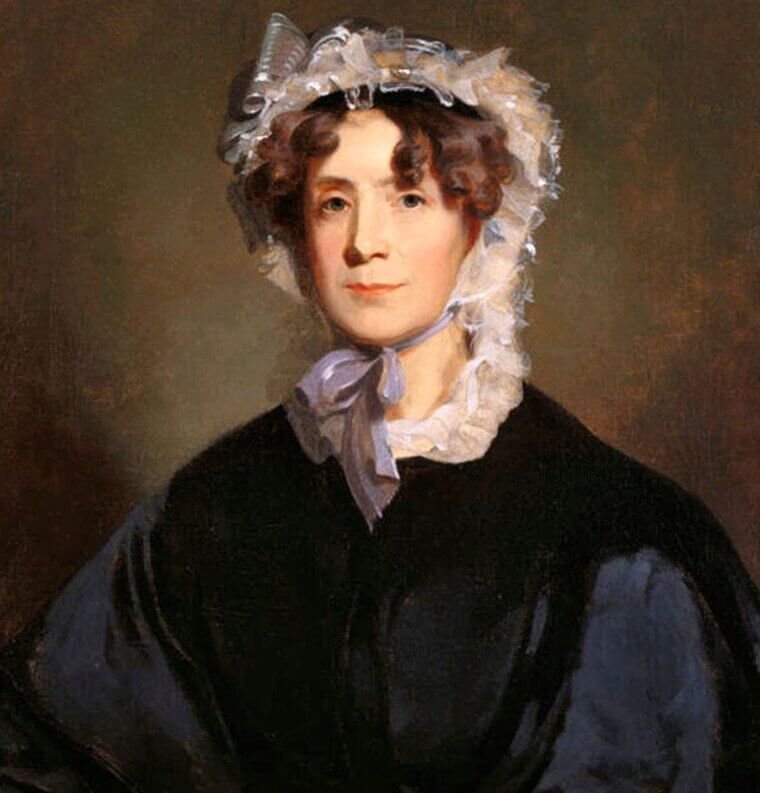
Beyond hosting duties, she supported education and women’s social advancement, ideas that were still developing in early American society. Her leadership and poise made her one of the earliest influential women connected to the presidency.
18. Sarah Polk
Sarah Polk was known for her sharp mind and strong organizational skills while serving as First Lady. She played an important role in managing White House staff and overseeing presidential events, keeping everything running smoothly.
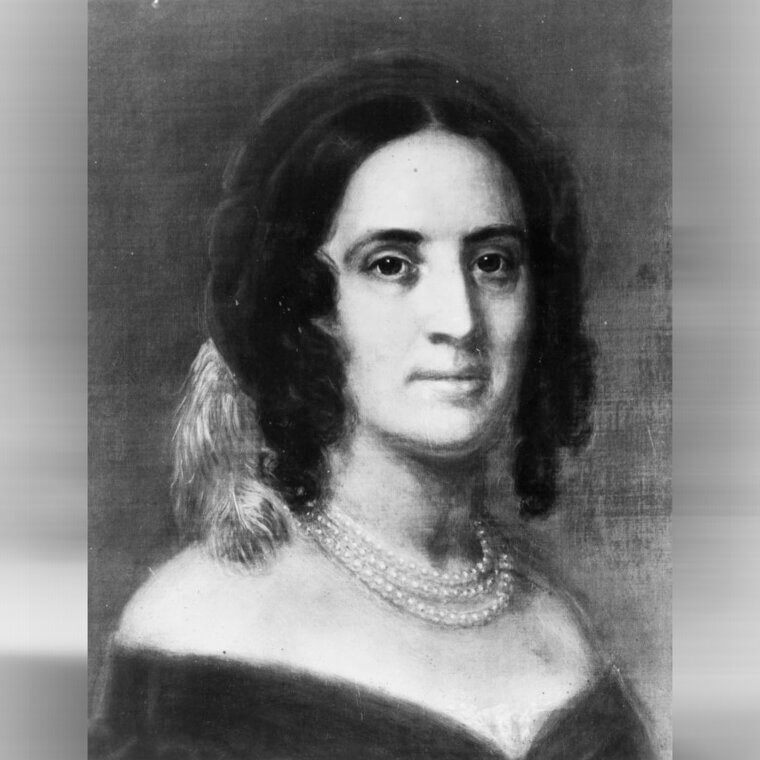
She also supported religious organizations, education charities, and community development programs. With her disciplined approach and dedication to public service, Sarah helped shape the professional standards of the White House household.
19. Emily Donelson
Emily Donelson stepped into the role of White House hostess and acting First Lady when her aunt couldn’t perform the duties. She quickly became known in Washington for her elegant social events and strong diplomatic hosting skills.
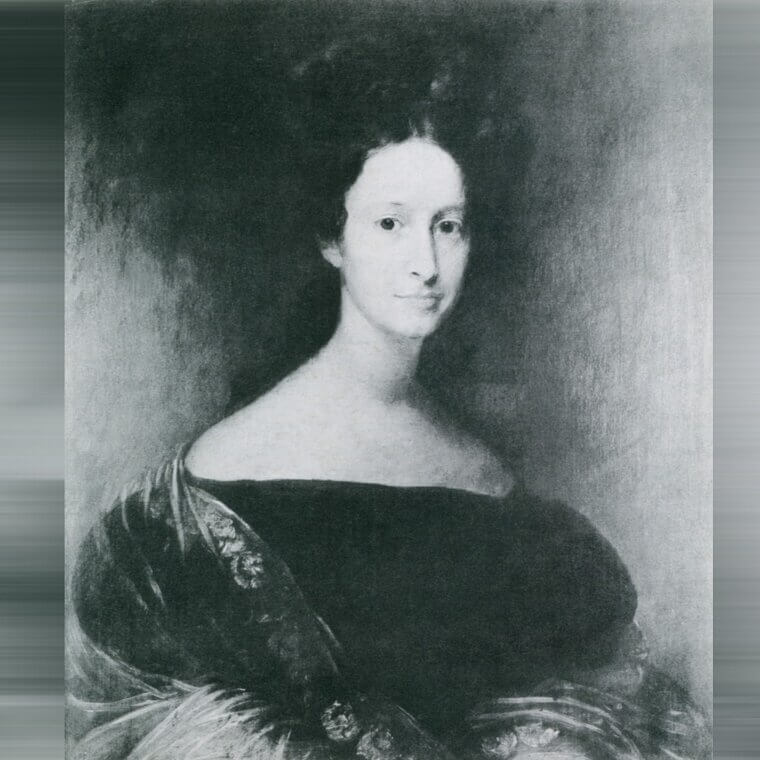
Her gatherings helped shape the political and social culture of the early White House, bringing leaders together in a relaxed setting.
20. Michelle Obama
Michelle Obama quickly became one of the most influential modern First Ladies in American politics and public health advocacy. She launched the “Let’s Move!” campaign, a nationwide program focused on childhood obesity prevention, healthy lifestyle habits, and nutrition education for families.
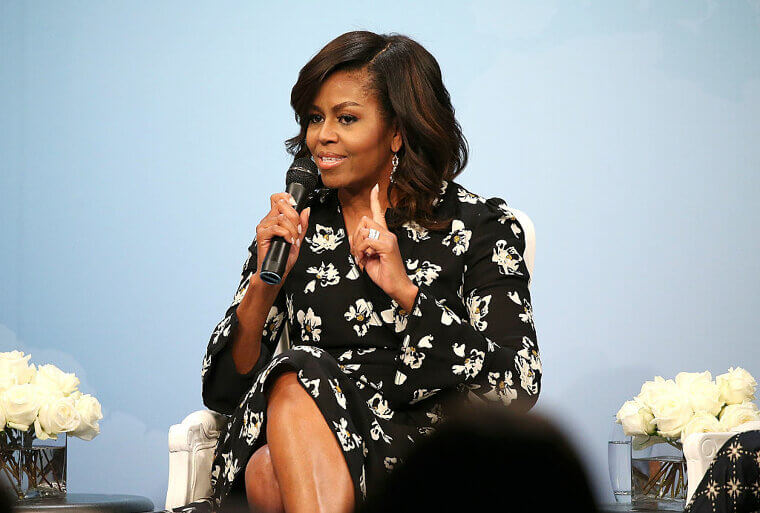
She also supported military family support programs, girls’ education initiatives, and global education access through the “Let Girls Learn” campaign. Her focus on public health awareness and education reform made a real impact, and her leadership still inspires millions today.
21. Dr. Jill Biden
Dr. Jill Biden made history by continuing her job as a college professor while serving as First Lady. She strongly believes in higher education access, community college programs, and career training opportunities for students.
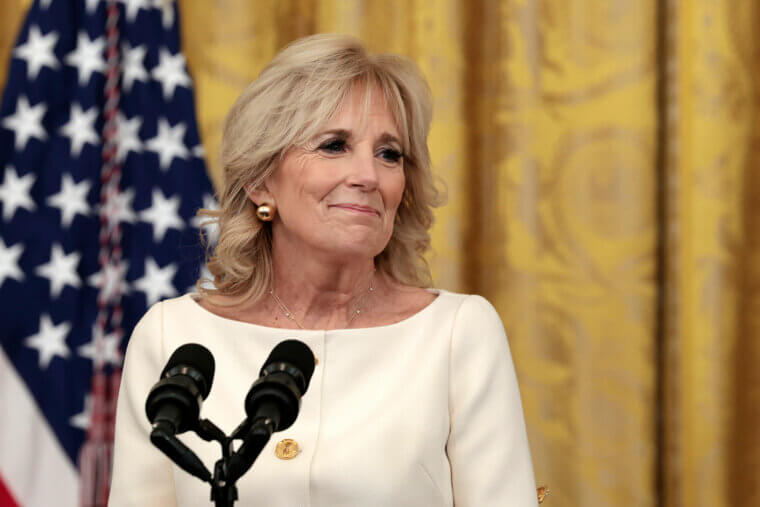
She also helped lead the Joining Forces initiative, which supports military families, veterans, and their caregivers. Her work highlights the importance of affordable education and workforce development, something she continues to promote today.
22. Julia Gardiner Tyler
Julia Gardiner Tyler brought elegance and energy to the White House with her love for arts, culture, and high-society events. She organized musical performances, theater evenings, and social gatherings that made Washington’s political scene more vibrant.
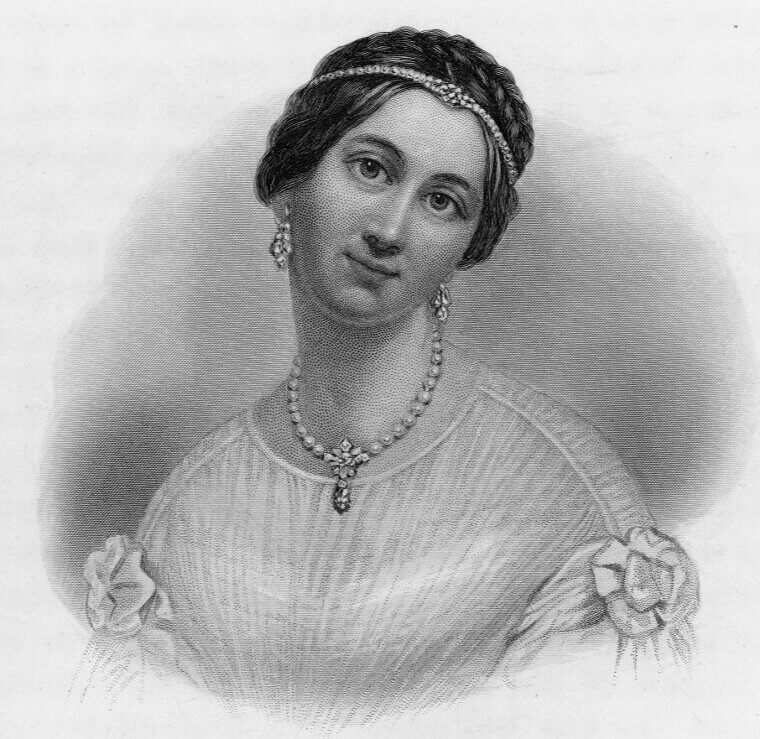
At the same time, she supported charitable organizations, women’s welfare programs, and education initiatives. Her charm and cultural influence helped shape the social life of the White House during the 1840s.
23. Hillary Clinton
Hillary Clinton played one of the most active policy roles of any modern First Lady involved in government reform and healthcare policy. She worked heavily on children’s healthcare access, education initiatives, and family welfare programs.
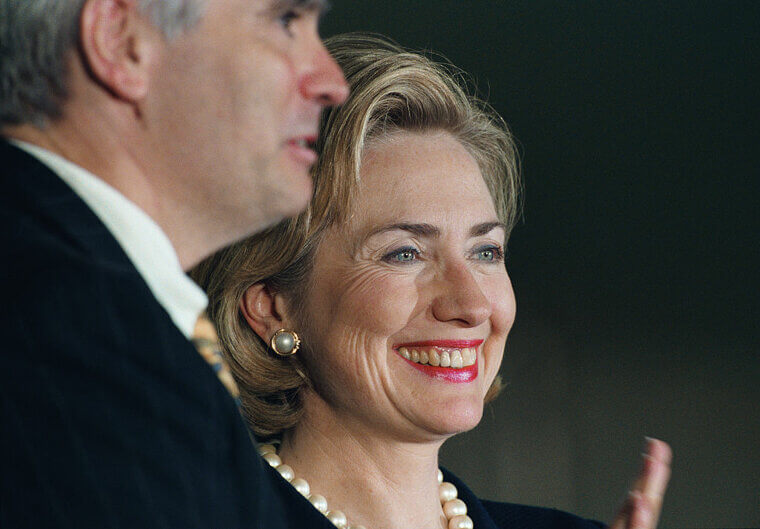
One of her biggest contributions was supporting the Children’s Health Insurance Program (CHIP), which helped expand affordable healthcare coverage for millions of American children. Her work in women’s rights advocacy and global health initiatives continues to influence politics today.
24. Mamie Eisenhower
Mamie Eisenhower brought warmth and a friendly vibe to the White House social scene. She loved hosting gatherings and turned many official events into memorable moments, helping shape the hospitality traditions of the presidential residence.
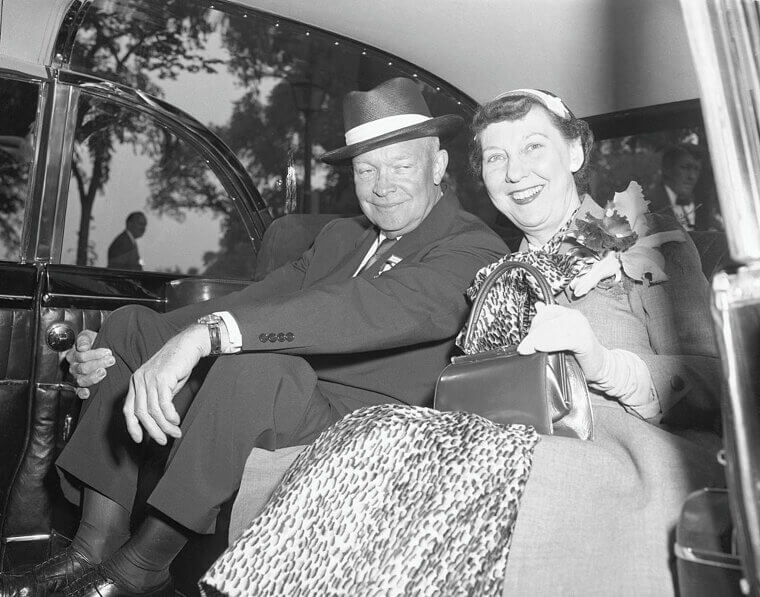
She also supported several charitable organizations and health awareness campaigns, including efforts with the American Heart Association. Her kindness and welcoming personality made the White House feel more approachable to everyday Americans.
25. Nancy Reagan
Nancy Reagan became widely known for the famous “Just Say No” anti-drug campaign, one of the biggest youth drug prevention programs in U.S. history. The campaign focused on drug awareness, youth education, and healthy lifestyle choices.
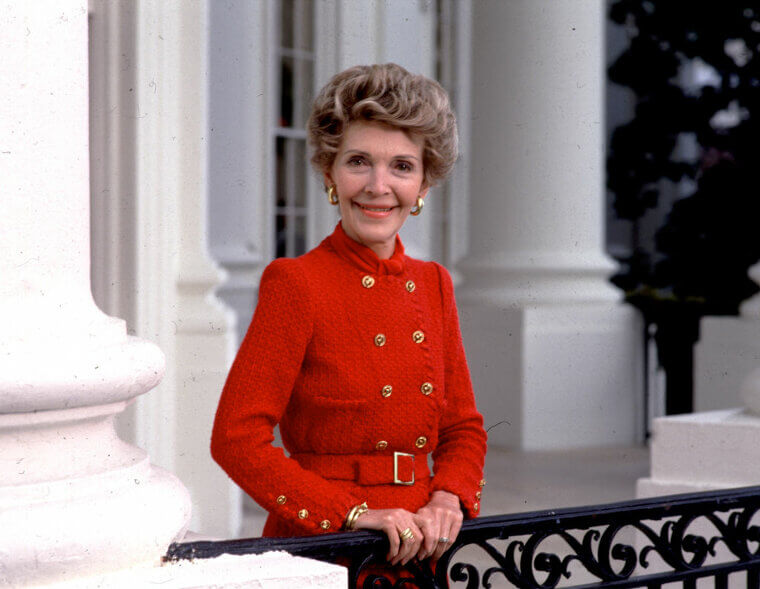
Beyond that, she supported veterans’ programs, arts organizations, and cultural initiatives. Her public outreach helped spread awareness about substance abuse prevention and youth safety, reaching millions of families across the country.
26. Angelica Van Buren
Angelica Van Buren stepped into the role of White House hostess when the president’s wife was unable to serve. She quickly became known for her elegant hosting style and strong diplomatic social skills.
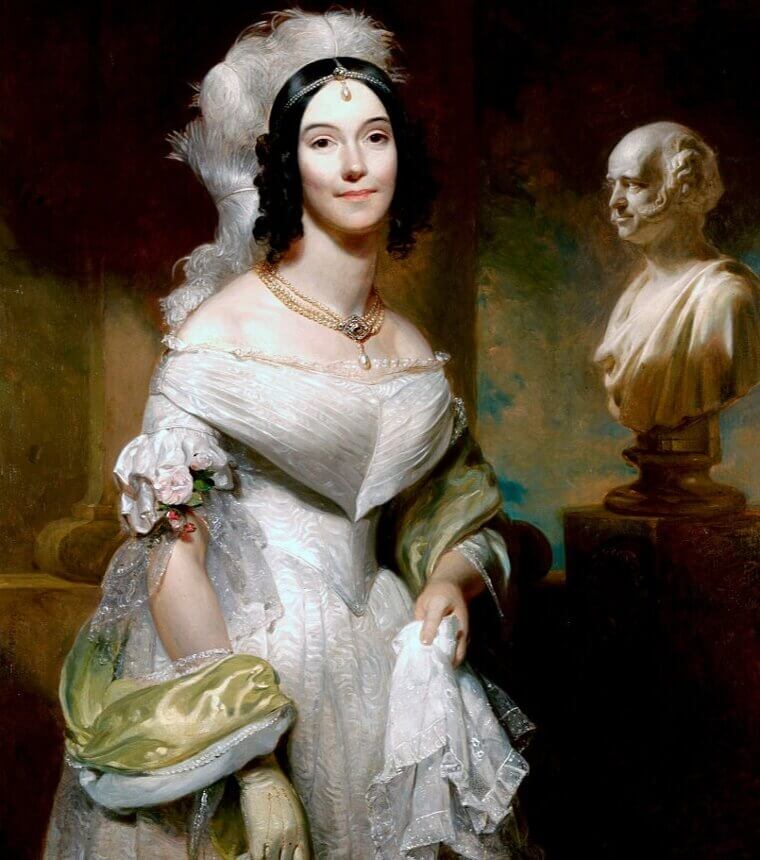
Her gatherings helped strengthen political relationships and international diplomacy in Washington. She also supported women’s welfare programs and education causes, adding substance to her role beyond social events.
27. Pat Nixon
Pat Nixon strongly believed in volunteer work and community service programs. She helped promote the Volunteer Service initiative, encouraging Americans to give back through charity work, local service projects, and social support programs.
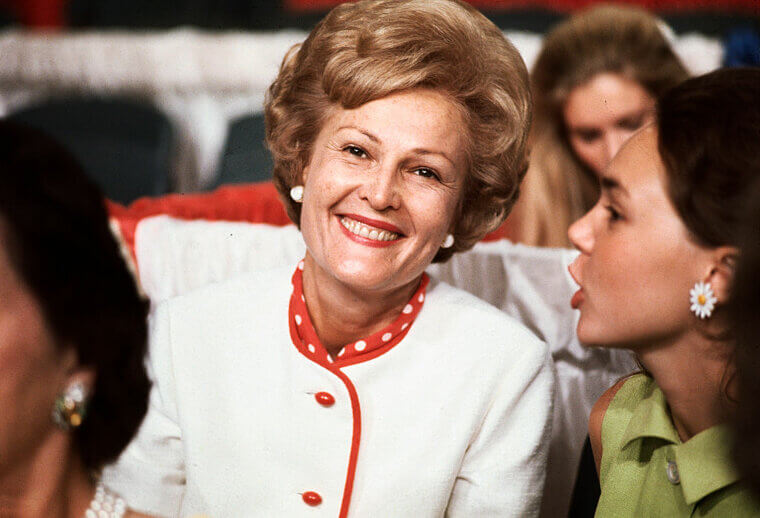
She also focused on historic preservation of the White House, expanding collections and restoring important artifacts. Her dedication to community outreach and national service earned her widespread respect.
28. Mary Todd Lincoln
Mary Todd Lincoln lived through one of the most difficult periods in American history — the Civil War era. During that time, she supported military hospitals, wounded soldiers, and war relief charities.
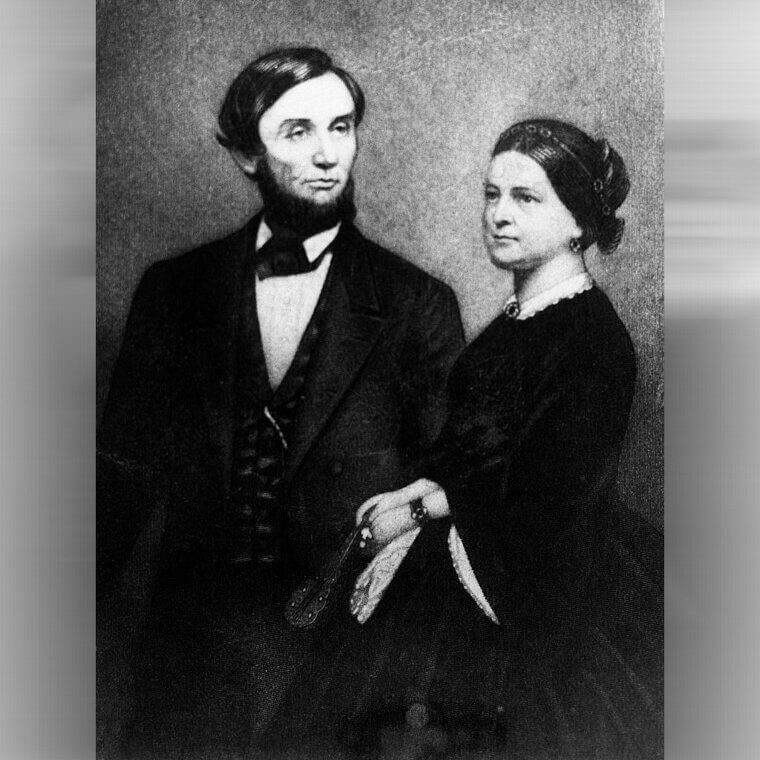
She also worked to preserve and improve the White House’s historical and cultural legacy. Despite personal hardships, her efforts to support soldiers’ families, orphan care programs, and war aid efforts showed remarkable strength.
29. Florence Harding
Florence Harding was known for her bold personality and strong interest in veterans’ healthcare and women’s rights advocacy. She actively supported organizations like the American Red Cross and pushed for better medical care and rehabilitation programs for World War I veterans.
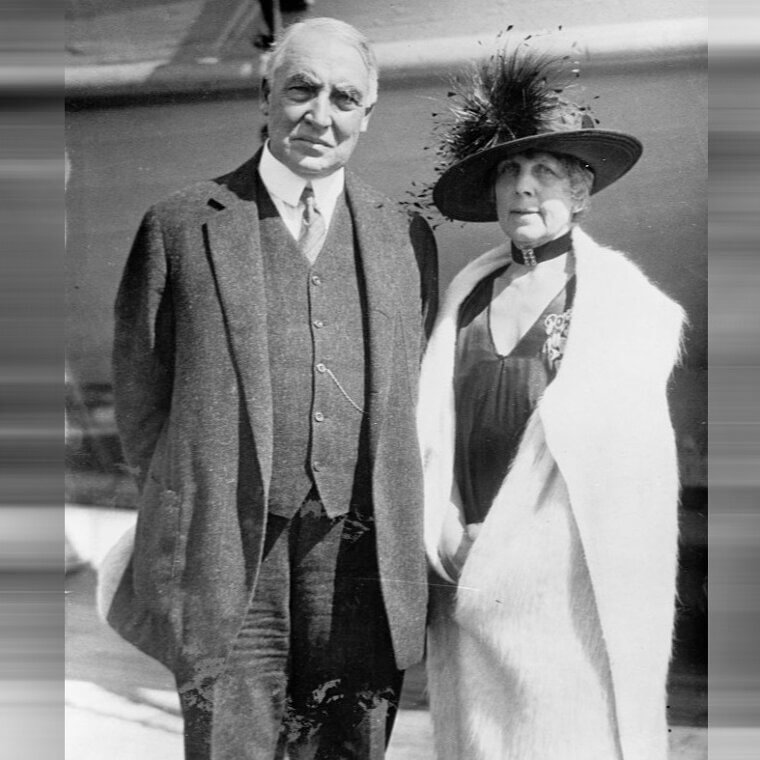
She also spoke up for animal welfare, education programs, and community charities. Florence wasn’t afraid to use her influence to promote social reform and public welfare initiatives, making her one of the more outspoken First Ladies of her time.
30. Melania Trump
Melania Trump focused heavily on children’s well-being and digital safety awareness during her time in the White House. Her “Be Best” initiative aimed to address issues like cyberbullying prevention, online safety for kids, and youth mental health.
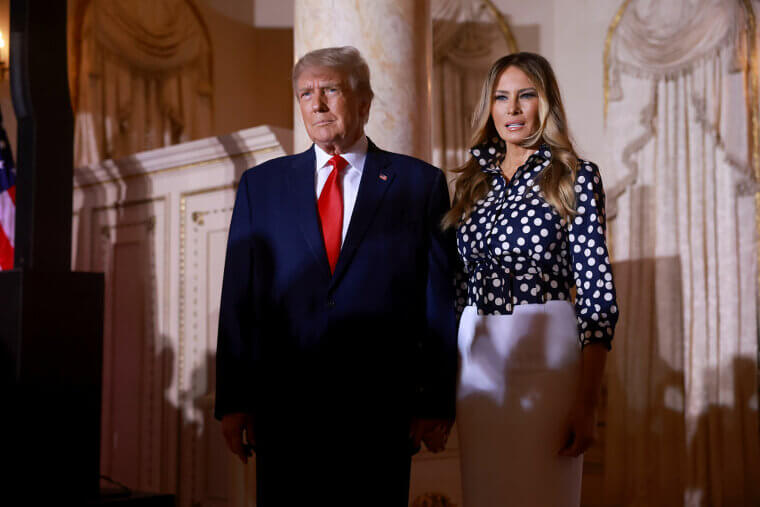
She also supported programs related to children’s healthcare, education access, and family support services. With her calm presence and focus on youth issues, Melania helped bring attention to the growing importance of digital responsibility and child development.
31. Abigail Fillmore
Abigail Fillmore had a deep love for books, education, and literacy programs. Before entering the White House, she worked as a teacher, and that passion led her to create the first official White House library, promoting a culture of learning.
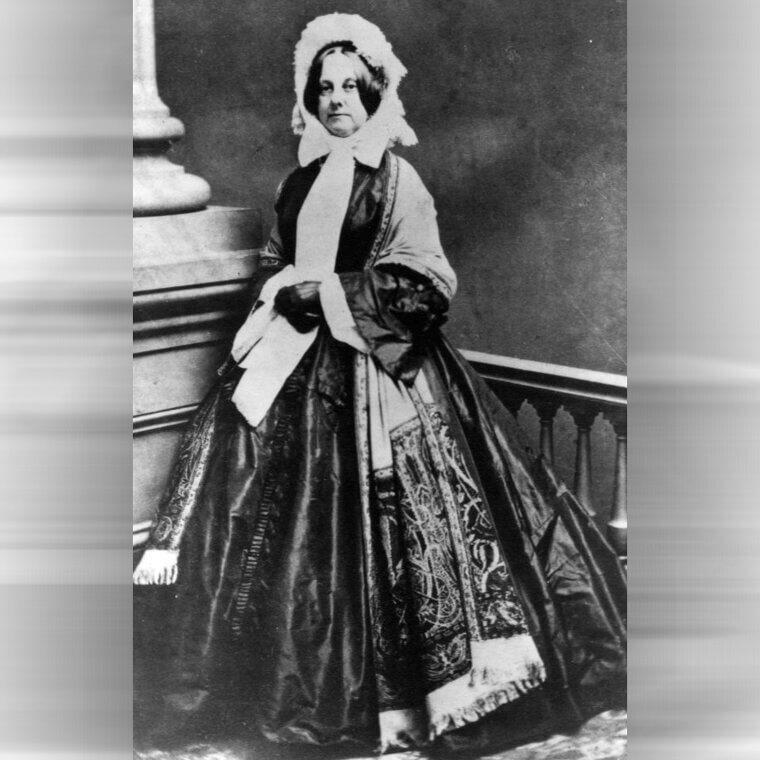
She also supported schools, hospitals, and charitable community programs, believing education could improve lives. Her efforts helped encourage literacy awareness and educational development during her husband’s presidency.
32. Eliza Johnson
Eliza Johnson preferred to stay out of the spotlight, but she quietly supported many charitable causes related to education and healthcare services. Much of her work happened behind the scenes, focusing on community welfare and family support programs.
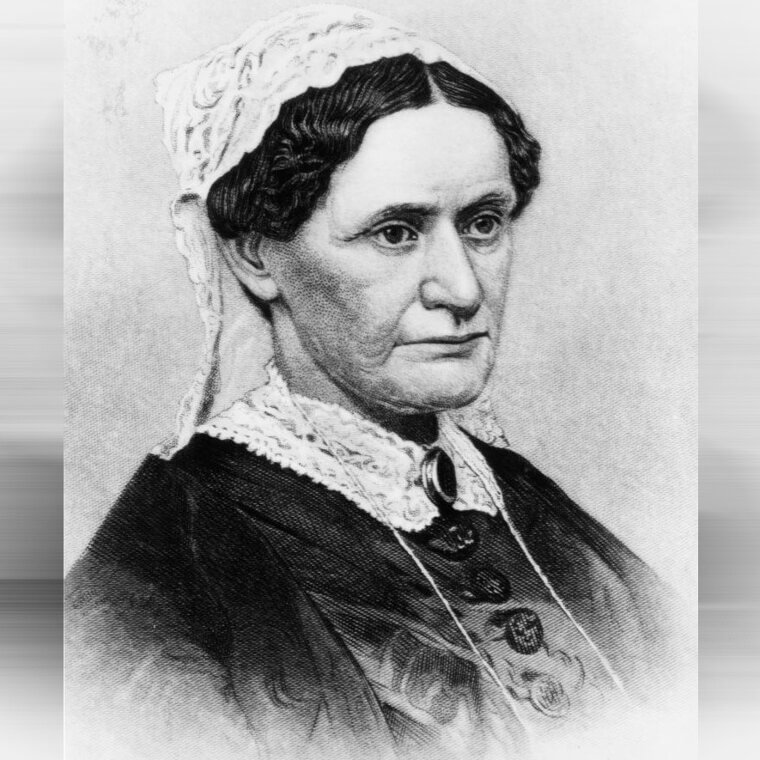
Despite her reserved personality, she showed strong dedication to family values, social responsibility, and public service. Her steady support and resilience made her a respected figure during a challenging time in American politics.
33. Julia Grant
Julia Grant brought warmth and friendliness to the White House social life, making many official gatherings feel relaxed and welcoming. Her natural charm helped strengthen political relationships and public goodwill during President Ulysses S. Grant’s administration.
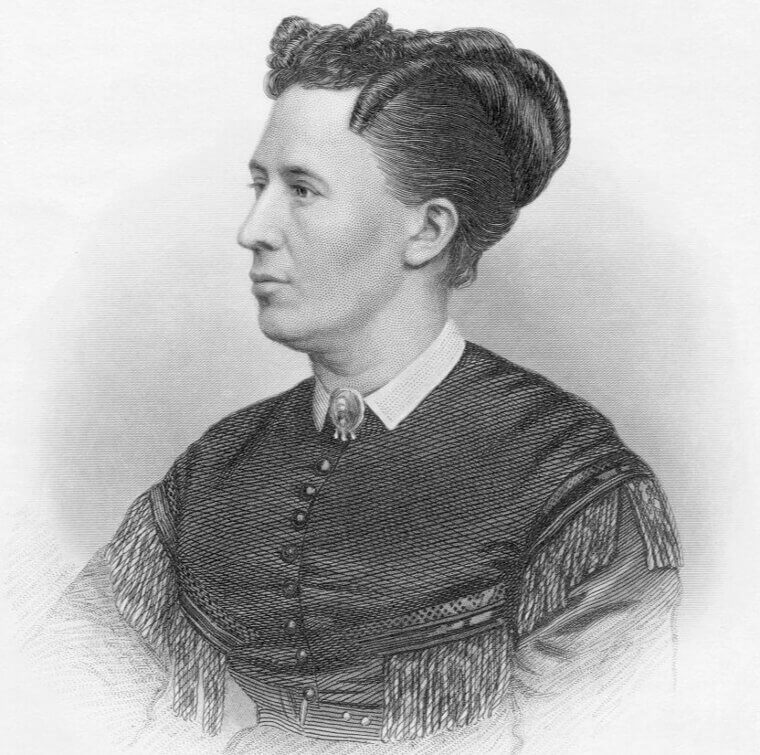
She was also deeply involved in veterans’ support programs and military hospital visits, showing care for soldiers recovering from war. Alongside that, Julia supported education initiatives and women’s social welfare causes, leaving behind a legacy of compassion.
34. Lucy Hayes
Lucy Hayes stood out for her strong beliefs in temperance reform and women’s education advocacy. She became the first First Lady with a college degree, which helped highlight the growing importance of higher education for women in America.
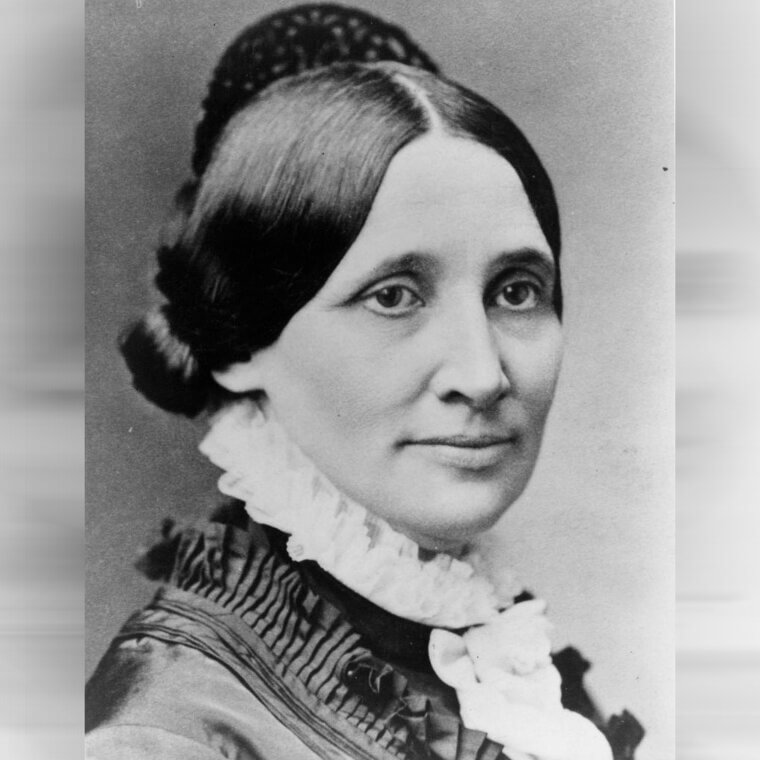
She also supported charitable organizations, hospitals, and orphan care programs. Her leadership and commitment to education reform and social improvement made her one of the early voices pushing for women’s advancement.
35. Lucretia Garfield
Lucretia Garfield was known for her intelligence and deep interest in education, literature, and historical preservation. Even though she stayed mostly out of the spotlight, she supported community programs related to schools and healthcare services.
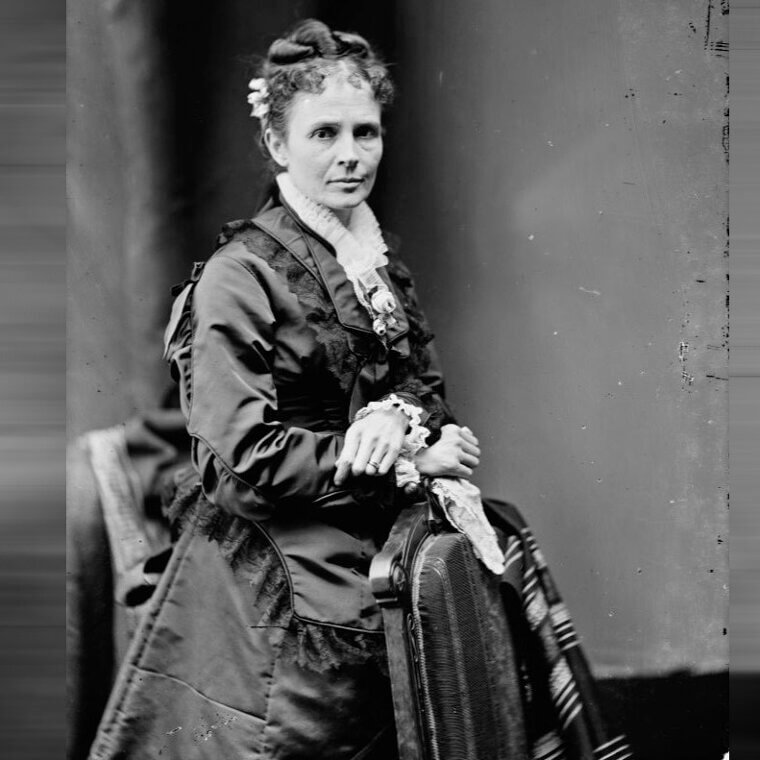
One of her most meaningful contributions was helping preserve the Garfield family home as a historical landmark, protecting an important piece of American presidential history. Her quiet dedication to learning and culture left a lasting impact.
36. Frances Cleveland
Frances Cleveland became famous for being the youngest First Lady in U.S. history, entering the White House at just 21 years old. Her youthful energy and natural elegance quickly made her one of the most talked-about public figures in Washington.
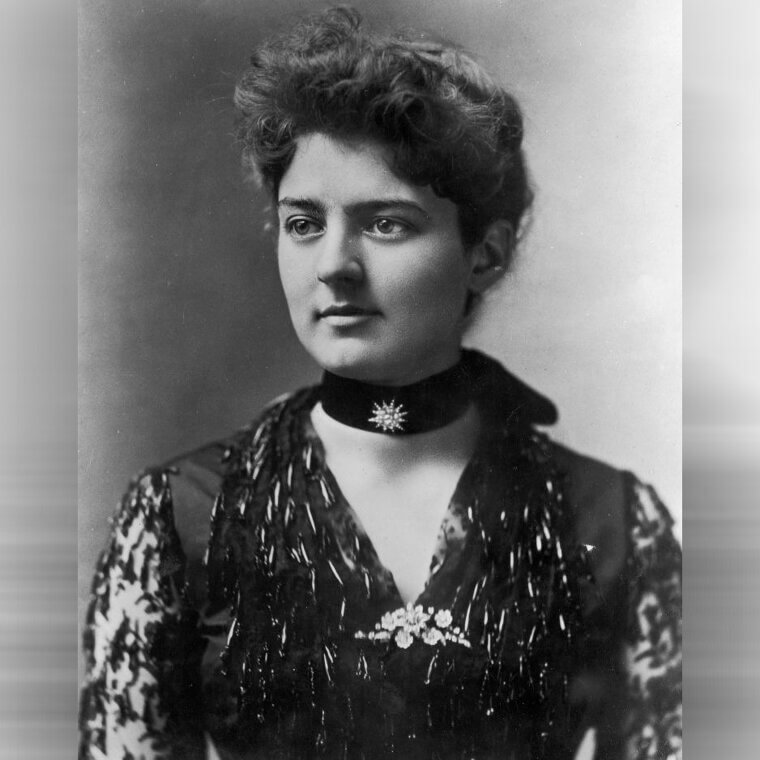
She hosted many high-profile social events and charity gatherings, helping raise awareness for education programs and women’s welfare causes. Her charm and grace brought fresh excitement to the White House social scene.
37. Ida McKinley
Ida McKinley showed incredible strength while serving as First Lady, even while dealing with serious health problems. Despite those challenges, she still supported charitable healthcare programs, hospitals, and orphan care organizations.
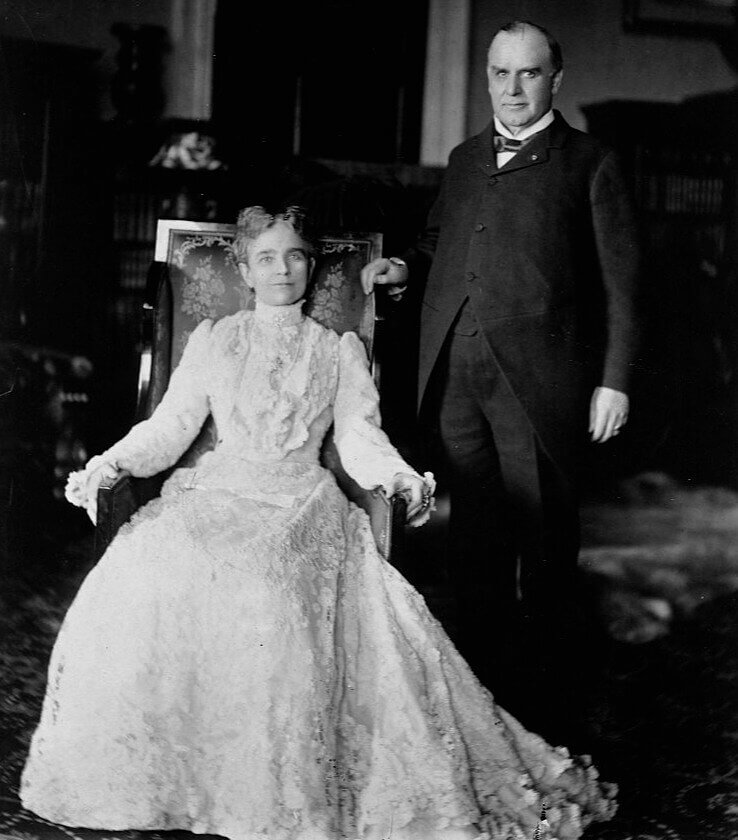
Much of her work happened quietly behind the scenes, focusing on community welfare and social support programs. Her resilience and compassion earned deep respect, showing how dedication to public service and charity work can still make a real impact.
38. Helen “Nellie” Taft
Helen “Nellie” Taft brought a strong love for arts, culture, and public beautification projects to Washington, D.C. One of her most famous contributions was helping introduce the cherry blossom trees in Washington, which later became a major tourism attraction and cultural symbol.
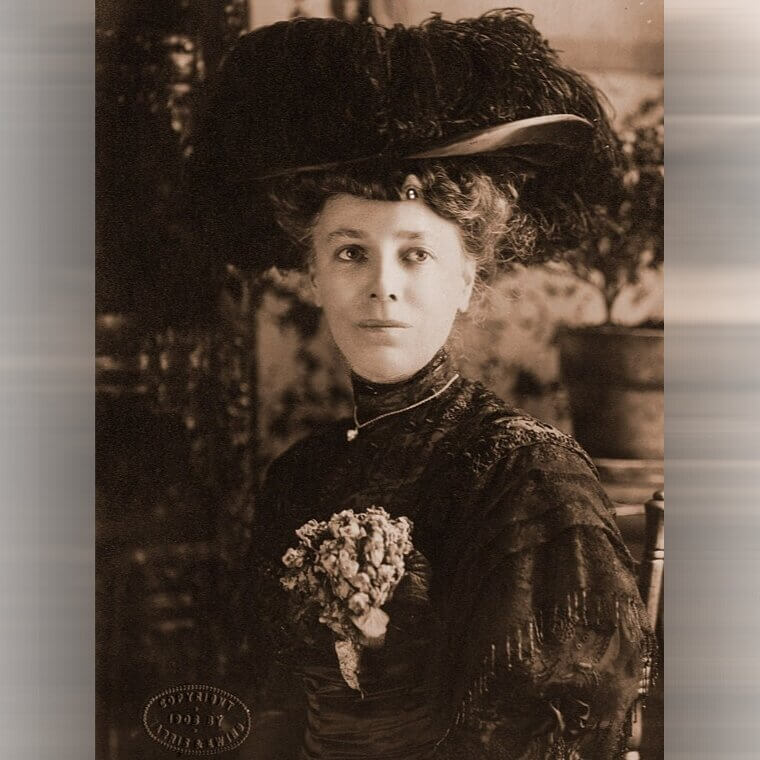
She also supported public health programs and children’s welfare initiatives, including backing the creation of the U.S. Children’s Bureau. Her work helped promote cultural development, family welfare, and national heritage preservation.
39. Edith Wilson
Edith Wilson played an important role in the White House during World War I, supporting war relief efforts and Red Cross humanitarian programs. She actively helped promote social welfare projects and community support initiatives.
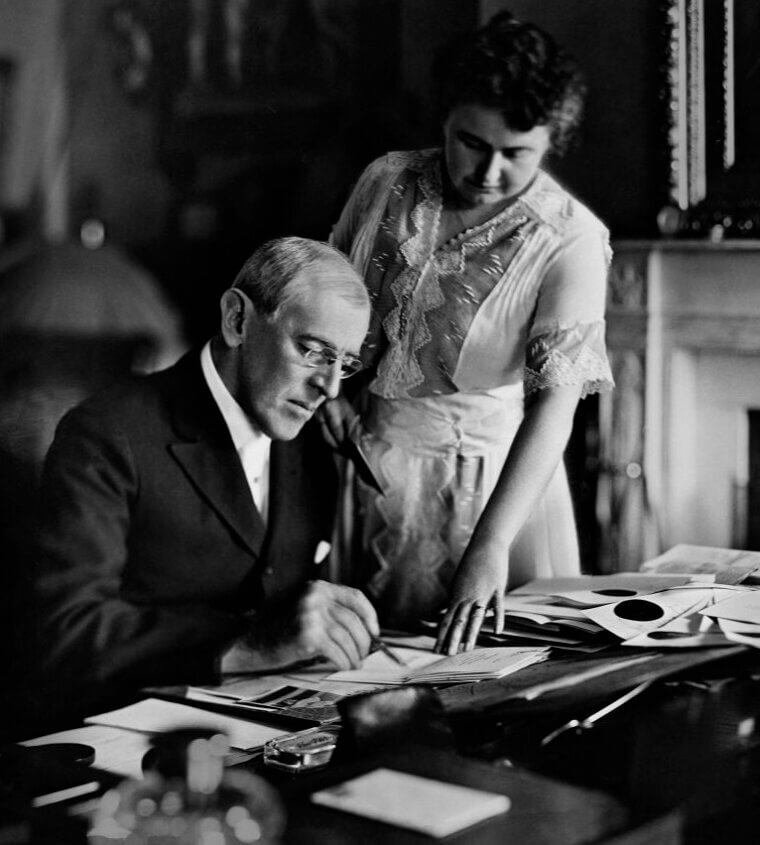
She also focused on preserving the historical value of the White House and presidential traditions. Her loyalty, leadership, and involvement in charitable organizations and wartime support programs made her an important figure during a difficult time in American history.
40. Margaret Taylor
Margaret Taylor preferred a quiet life and stayed mostly away from the spotlight during her time in the White House social circle. Still, she supported charitable organizations, hospitals, and orphan care programs that helped struggling families.
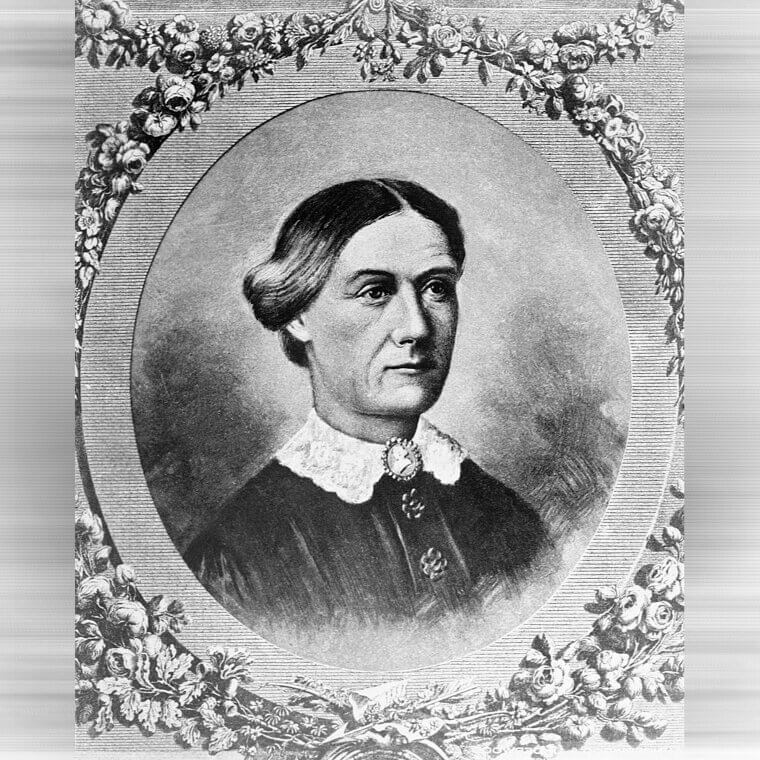
Much of her work happened privately, focusing on community support and social welfare efforts. Her calm strength and dedication to family values and charity work earned her quiet respect in American history.
41. Jane Irwin Harrison
Jane Irwin Harrison stepped in as White House hostess when the president’s wife could not fulfill the role. With her charm and confidence, she handled official events and diplomatic gatherings with ease.
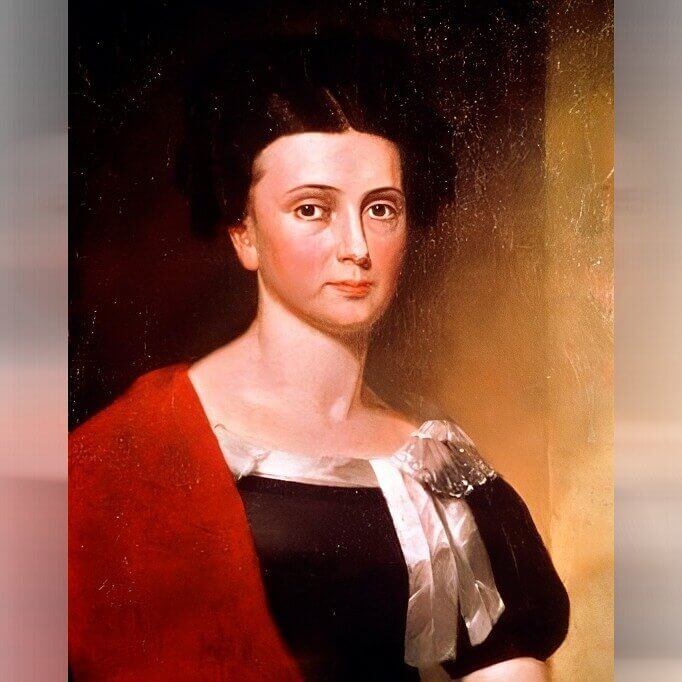
She also supported education initiatives and women’s welfare causes, helping bring attention to important social development programs. Her ability to manage the White House social scene made her widely admired.
42. Mary Elizabeth Bliss
Mary Elizabeth Bliss served as acting First Lady when her mother was unable to perform the duties. She became known for hosting elegant political gatherings and official receptions that strengthened relationships in Washington.
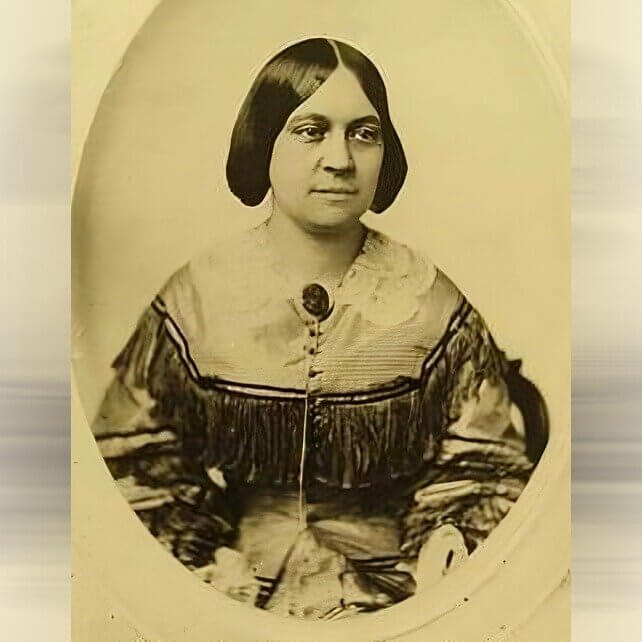
Along with social duties, she supported education programs and charitable causes focused on women’s welfare. Her graceful hosting helped shape the hospitality traditions of the White House.
43. Jane Pierce
Jane Pierce lived through personal tragedies during her time as First Lady, yet she still showed quiet dedication to charitable healthcare programs, hospitals, and orphan support initiatives.
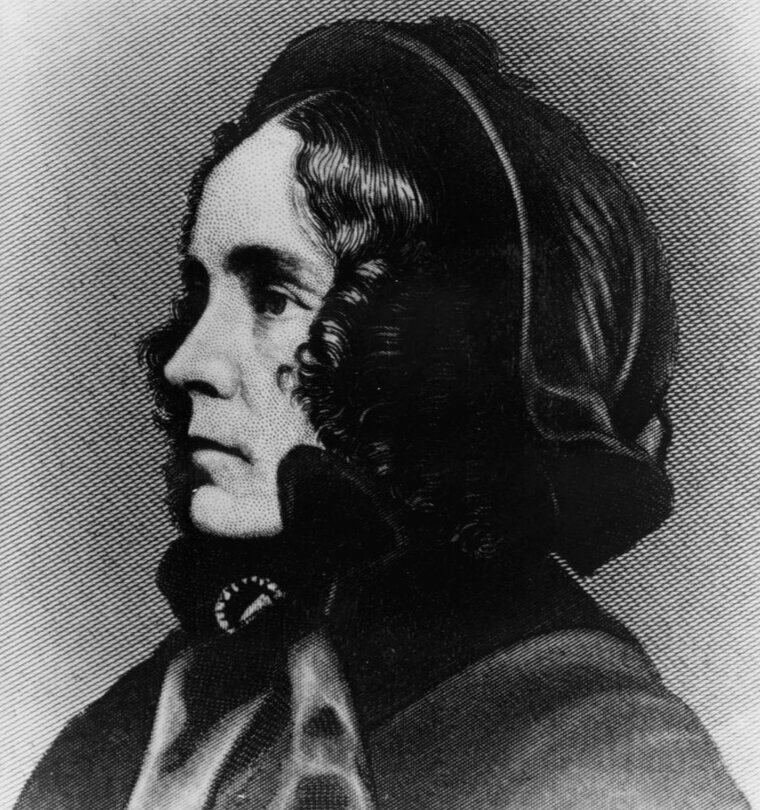
Most of her efforts happened away from public attention, focusing on community welfare and family support causes. Her resilience and compassion left a meaningful impact on those she helped.
44. Letitia Tyler
Letitia Tyler served as First Lady during a challenging time while dealing with health problems of her own. Even so, she remained committed to charitable organizations, healthcare support programs, and aid for orphanages.
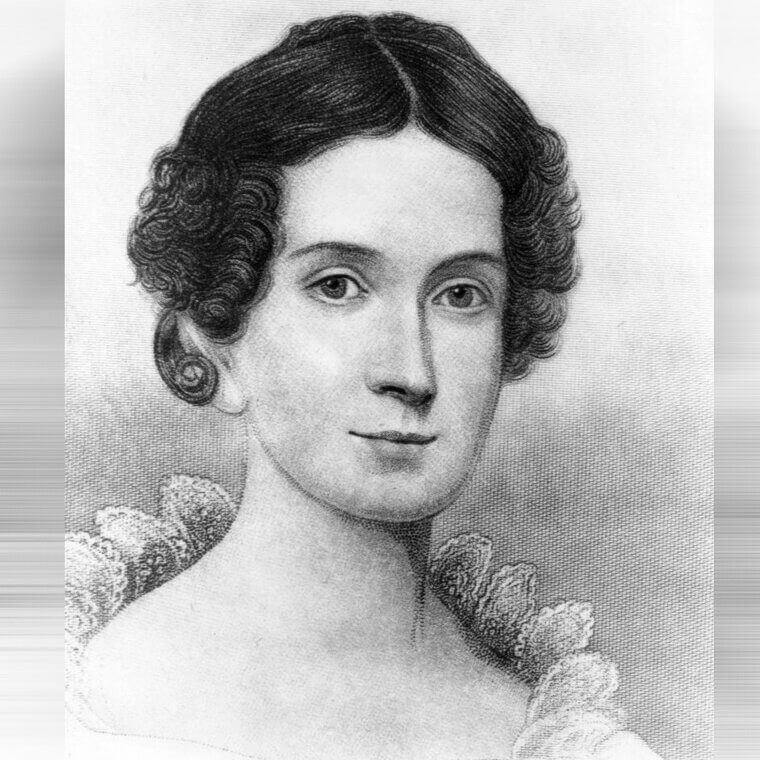
Her work mostly happened behind the scenes, focusing on community assistance and family welfare initiatives. Her quiet dedication showed how compassion and service can still make a difference.
45. Sarah Yorke Jackson
Sarah Yorke Jackson stepped in as White House hostess and acting First Lady when the president’s wife was unable to perform the role. With her charm and confidence, she handled official receptions, political gatherings, and diplomatic events smoothly.
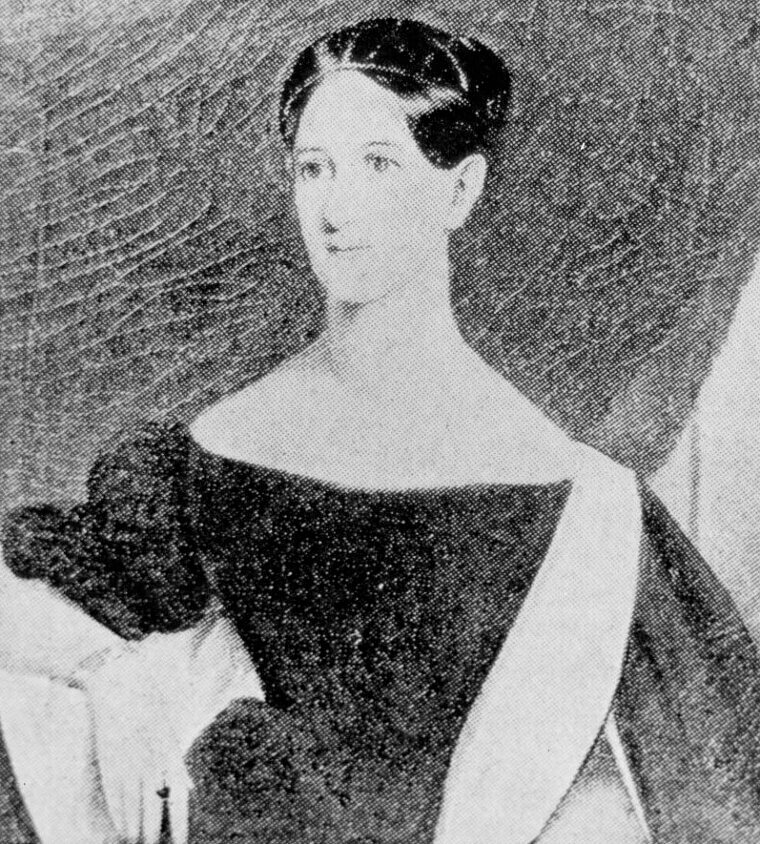
She also supported education initiatives and women’s welfare programs, helping bring attention to important social development and charity efforts. Her graceful hosting left a positive mark on the White House social culture.
46. Harriet Lane
Harriet Lane served as First Lady because President James Buchanan was unmarried, making her one of the most unique figures in White House history. Her elegance and personality quickly made her a favorite in Washington’s political and social circles.
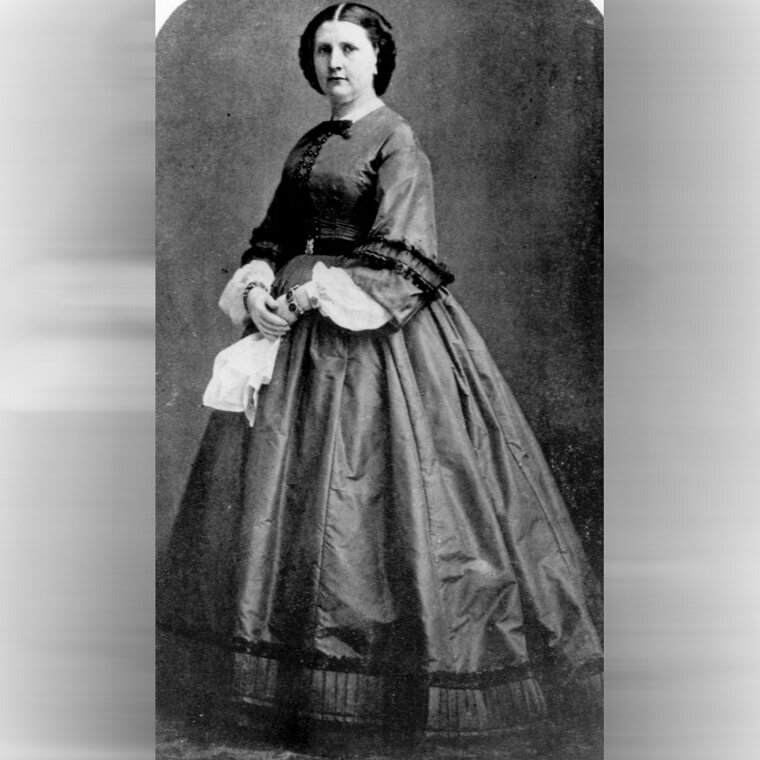
She supported education programs, women’s welfare initiatives, and cultural development projects. Harriet’s influence even extended to fashion and cultural trends, showing how First Ladies could shape American society beyond politics.
47. Elizabeth Monroe
Elizabeth Monroe brought elegance and sophistication to the early White House social scene. Her diplomatic style helped strengthen international relationships and political connections during her husband’s presidency.
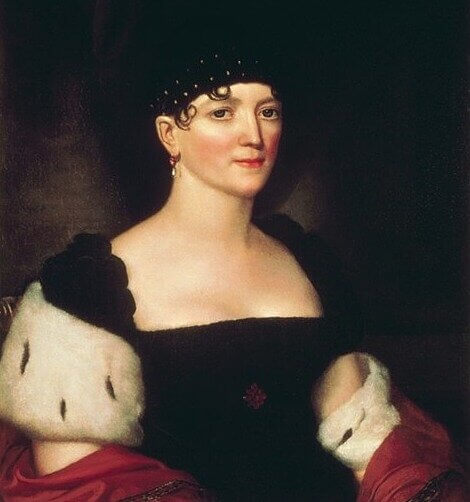
She also supported charitable causes related to education and women’s welfare while helping maintain the historical traditions of the White House. Her graceful presence made her one of the respected First Ladies of the early republic.
48. Anna Tuthill Harrison
Anna Tuthill Harrison lived a life centered around family values, charity work, and community care. Even though she stayed away from public attention, she supported hospitals, orphan care programs, and social welfare efforts.
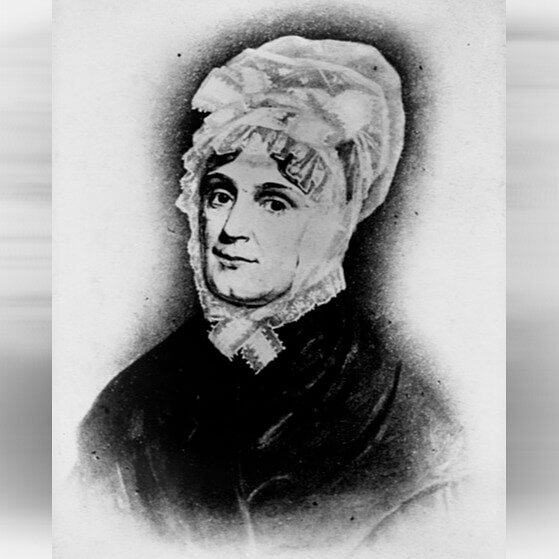
Her work often happened quietly, focusing on helping families and supporting those in need. Her compassion and dedication showed how even behind-the-scenes efforts could make a meaningful difference.