When people talk about U.S. presidents, they usually focus on policies, leadership style, or historical impact. But there’s another question that always sparks curiosity — how intelligent were America’s presidents? From brilliant strategists to highly educated leaders, many historians and researchers have tried to estimate the IQ of U.S. presidents based on their writings, achievements, education, and problem-solving abilities. In this article, we’ll explore the IQ ranking of American presidents from past to present, looking at who’s considered the smartest, how these estimates were made, and what their intelligence meant for their time in office. 🧠🇺🇸
George W. Bush – IQ Of 124
When people think about modern U.S. presidents, the name George W. Bush almost always comes up. Being the son of a former president, many believed his path to the White House was almost guaranteed. He eventually served as the 43rd President of the United States from 2001 to 2009.
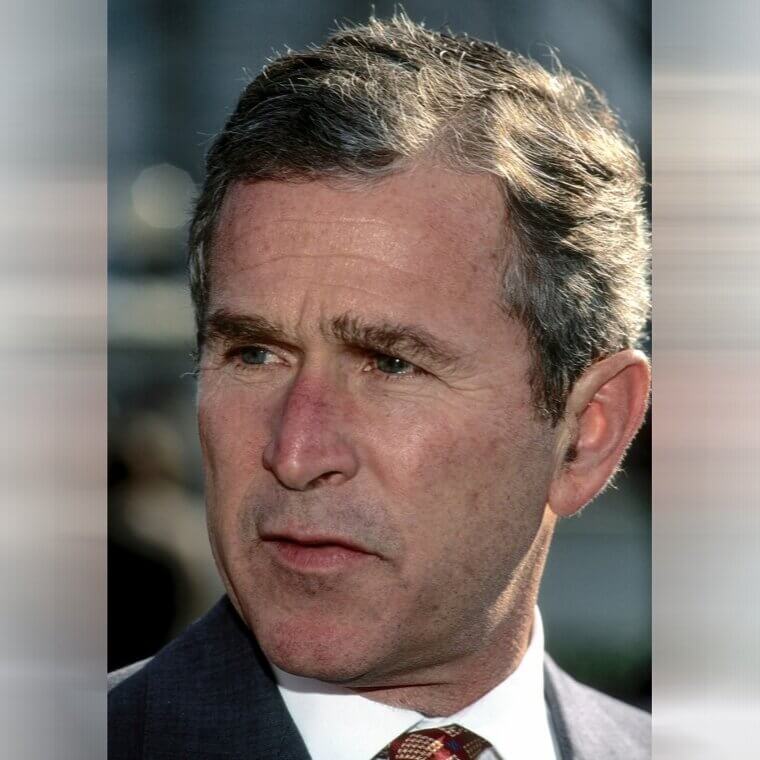
With an estimated IQ of 124, Bush sits well above the average American. He earned a degree from Harvard Business School, worked as a military pilot, and later built a career in politics. Not bad at all for someone often underestimated in the world of U.S. political leadership.
Gerald Ford – IQ of 127
Gerald Ford became president in a very unusual way. He wasn’t elected through a normal U.S. presidential election. Instead, he stepped into the role after Richard Nixon resigned during the Watergate scandal, becoming the 38th U.S. President (1974–1977).
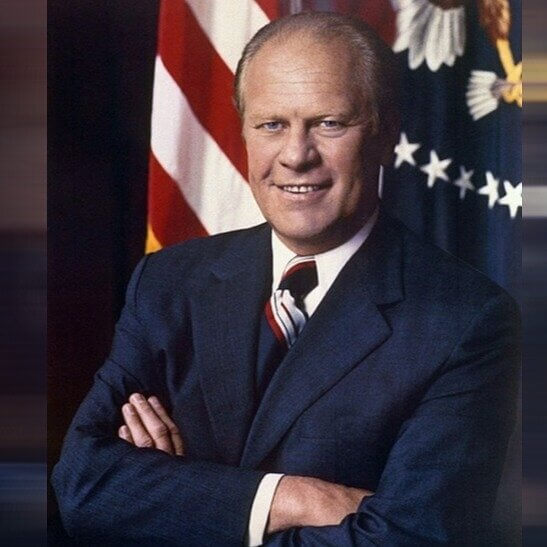
Ford had an estimated IQ of 127, showing he had the brainpower for the job. He graduated from Yale Law School, one of the top law schools in the United States. Even though he was known as quiet and calm, he had a strong reputation in American politics and leadership.
Ronald Reagan – IQ of 130
Before entering politics, Ronald Reagan had a completely different career. He worked as a Hollywood actor and even served as president of the Screen Actors Guild. Later, he found his real passion in American politics.
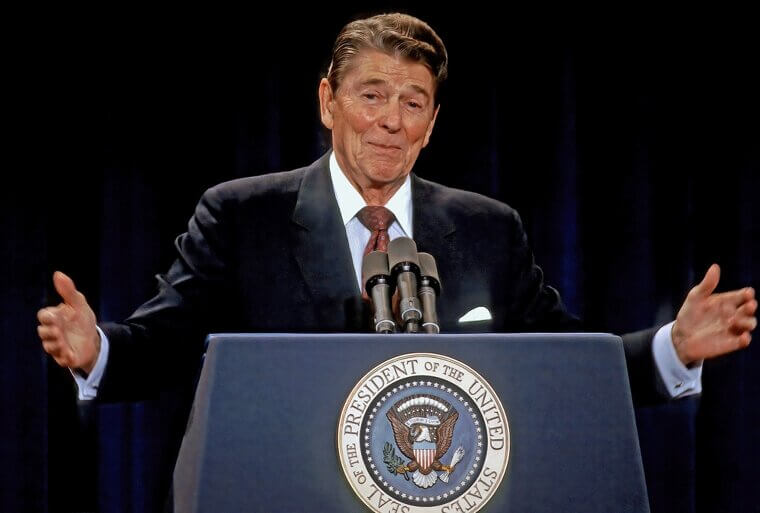
Reagan served as the 40th President of the United States from 1981 to 1989. With an estimated IQ of 130, he combined intelligence with incredible public speaking skills and leadership charisma. That mix helped him become one of the most popular figures in U.S. political history.
Ulysses Grant – IQ of 130
Not every U.S. president came from politics first. Ulysses S. Grant was a military hero long before entering the White House. After leading the Union Army to victory in the American Civil War, he became the 18th President of the United States (1869–1877).
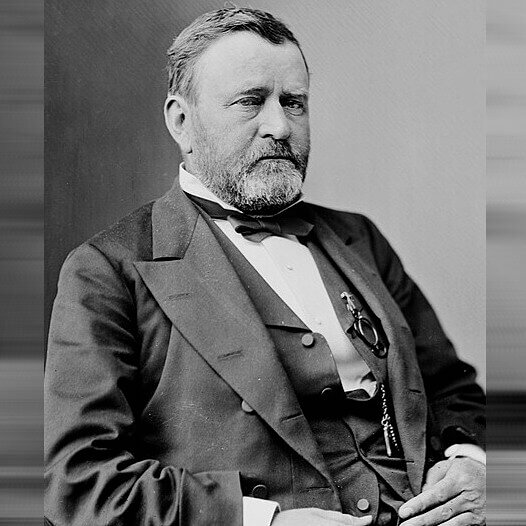
Grant had an estimated IQ of 130, proving he wasn’t just a battlefield strategist. He also received a strong early education and developed excellent military leadership and strategic thinking skills, which later helped him navigate U.S. government and national politics.
George H. Bush – IQ of 130.1
George H. W. Bush had a long career in American politics and government leadership before becoming president. He served as the 41st President of the United States from 1989 to 1993, following years of experience in diplomacy and public service.
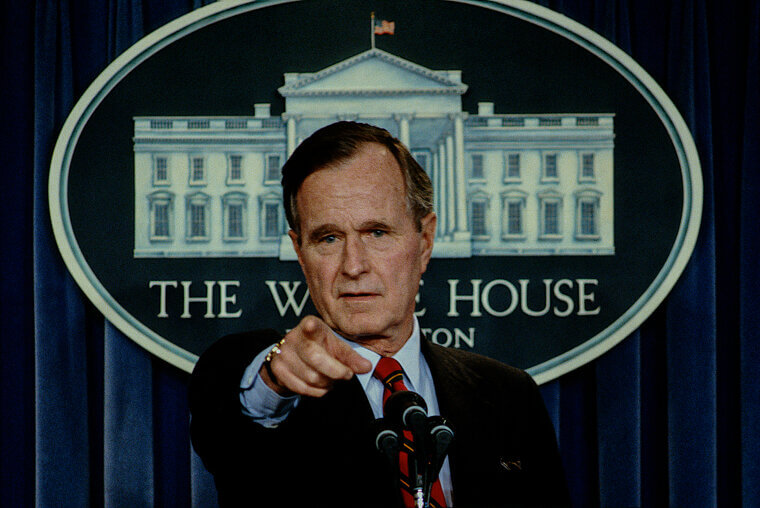
His estimated IQ of 130.1 was even slightly higher than his son’s. Bush studied at Yale University and served as a World War II fighter pilot. That mix of education and experience helped shape his reputation as a skilled figure in U.S. foreign policy and global leadership.
William McKinley – IQ of 130.2
When William McKinley became the 25th President of the United States, the country was facing serious economic challenges. Many Americans believed he was the right leader to guide the nation through a difficult time in U.S. economic history.
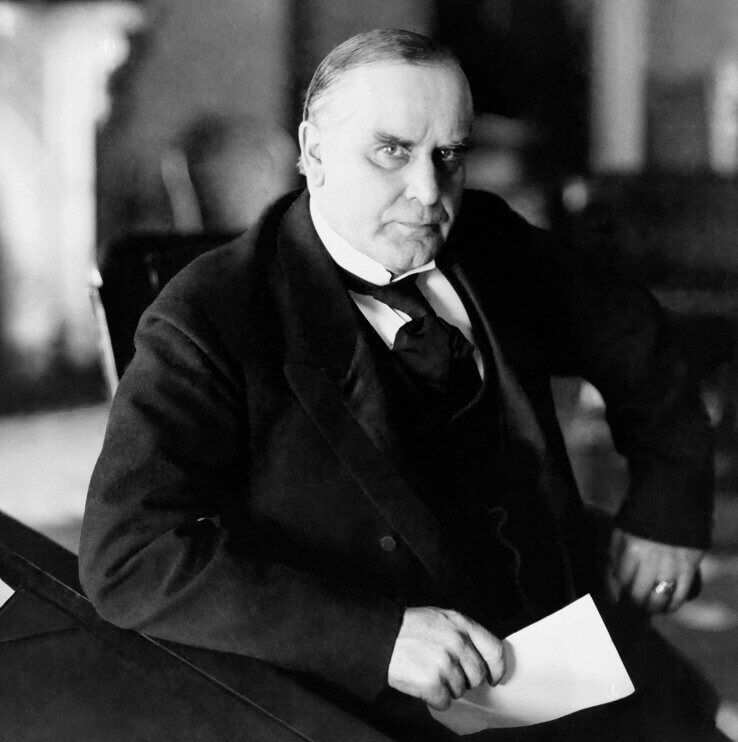
McKinley had an estimated IQ of 130.2, along with a strong background in military service and law. Before entering politics, he served in the army and later started a successful legal career, building the skills that helped him rise in American political leadership. Sadly, his presidency ended after a tragic assassination attack.
Grover Cleveland – IQ of 130.9
Grover Cleveland holds a unique place in U.S. presidential history. He remains the only leader to serve two non-consecutive terms, becoming both the 22nd and 24th President of the United States. Before reaching the White House, he slowly climbed the ladder in American politics, first as Mayor of Buffalo and later Governor of New York.
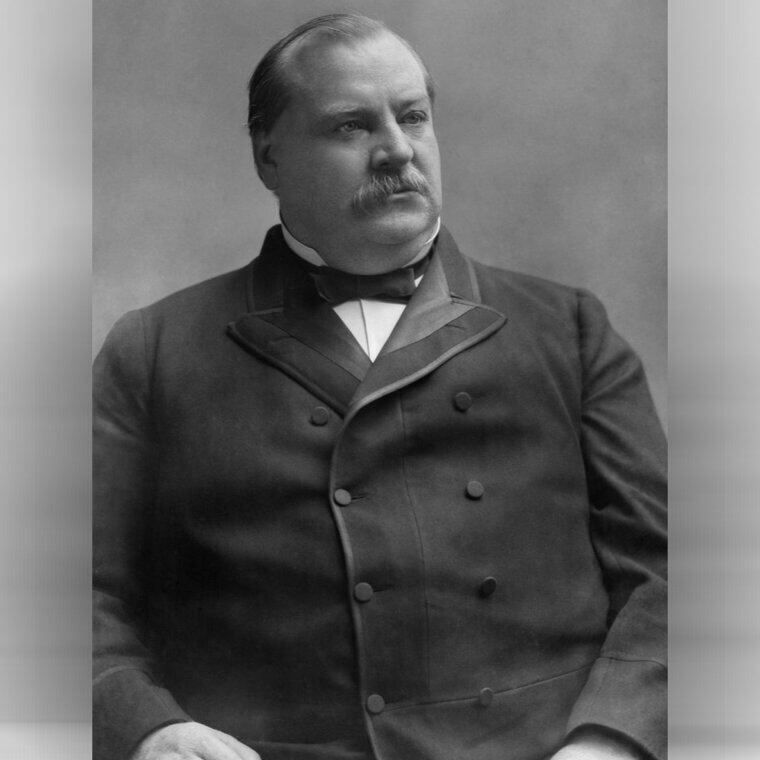
Unlike many political leaders, Cleveland didn’t grow up wealthy. He couldn’t even afford a college education, which makes his rise in U.S. government leadership even more impressive. Still, historians estimate his IQ at around 130.9, proving raw intelligence sometimes matters more than elite schooling.
Dwight Eisenhower – IQ of 131.9
Before entering the world of U.S. politics, Dwight D. Eisenhower built a legendary reputation in the U.S. military. After graduating from West Point Military Academy, he became one of the most respected commanders of World War II. His leadership eventually helped him become the 34th President of the United States.
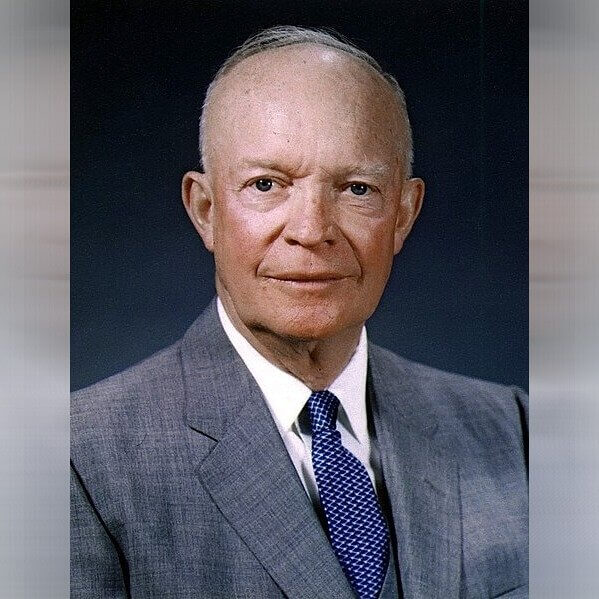
Eisenhower served from 1953 to 1961, guiding the country during tense times like the Cold War. With an estimated IQ of 131.9, he was known for calm decision-making and strong national security leadership, something every commander-in-chief needs.
Benjamin Harrison – IQ of 132.2
Politics ran deep in the Harrison family. Benjamin Harrison, the 23rd President of the United States, was actually the grandson of former president William Henry Harrison and the great-grandson of Founding Father Benjamin Harrison V. You could say American politics was practically in his DNA.
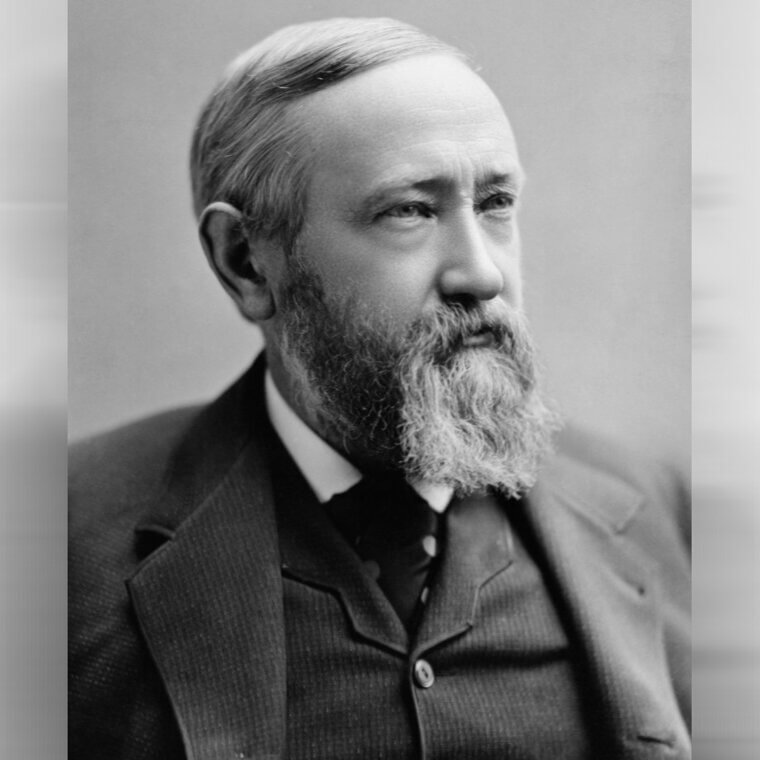
Serving from 1889 to 1893, Harrison focused on strengthening and modernizing the U.S. military. His estimated IQ of 132.2 reflected his sharp mind, though critics often pointed to the heavy government spending policies during his administration.
George Washington – IQ of 132.5
You can’t talk about American presidents without mentioning George Washington. As the first President of the United States and one of the most important Founding Fathers, he helped shape the entire structure of the U.S. government. He also played a key role in leading America during the American Revolutionary War.
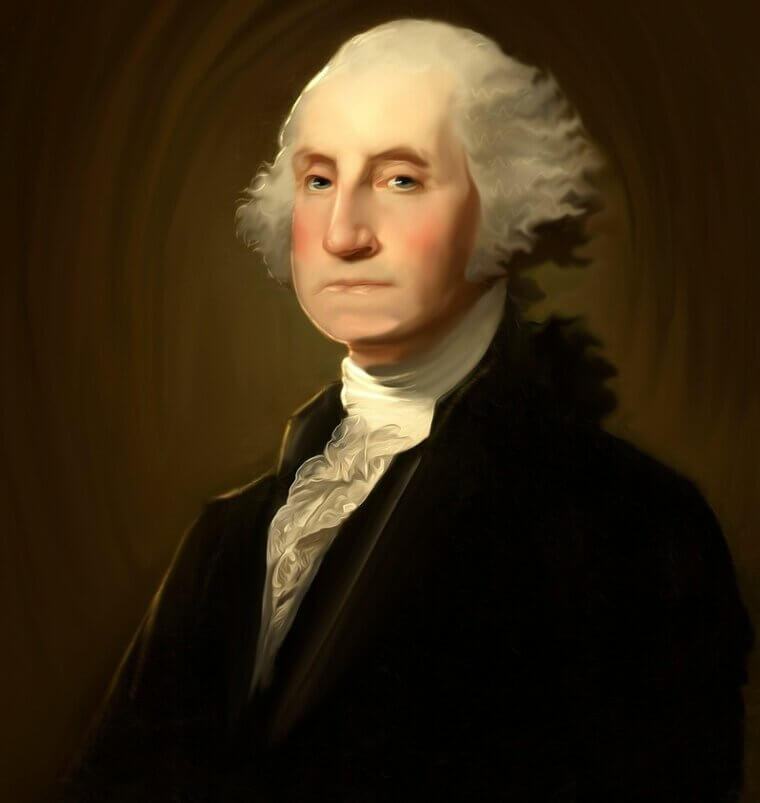
Interestingly, Washington never had a formal college education. Still, historians estimate his IQ around 132.5, showing his natural leadership and strategic thinking. His influence on U.S. democracy, the Constitution, and presidential leadership is still felt today.
Martin Van Buren – IQ of 133.4
Martin Van Buren, the 8th President of the United States, served from 1837 to 1841. While he might not be the most talked-about president today, he played a major role in shaping American political parties and is often called the founder of the Democratic Party.
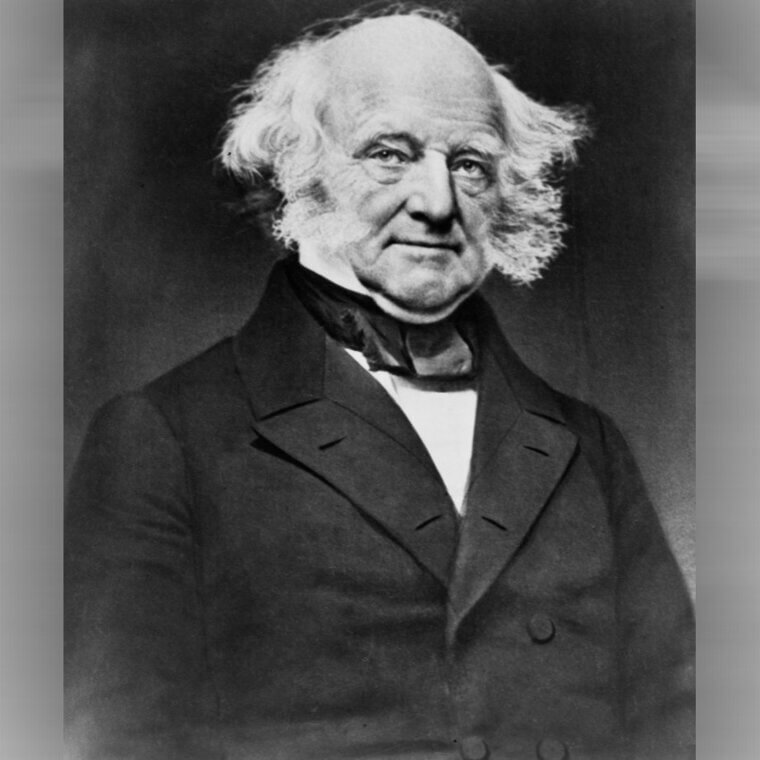
What makes his story even more interesting is that English wasn’t his first language—he actually grew up speaking Dutch. Even so, he climbed the ladder of U.S. political leadership and reached the White House, with historians estimating his IQ at 133.4.
Rutherford B. Hayes – IQ of 133.9
The election of Rutherford B. Hayes was one of the most controversial moments in U.S. election history. Many believed his opponent Samuel Tilden had actually won the 1876 presidential election, but Hayes ultimately became the 19th President of the United States after a complicated political deal.
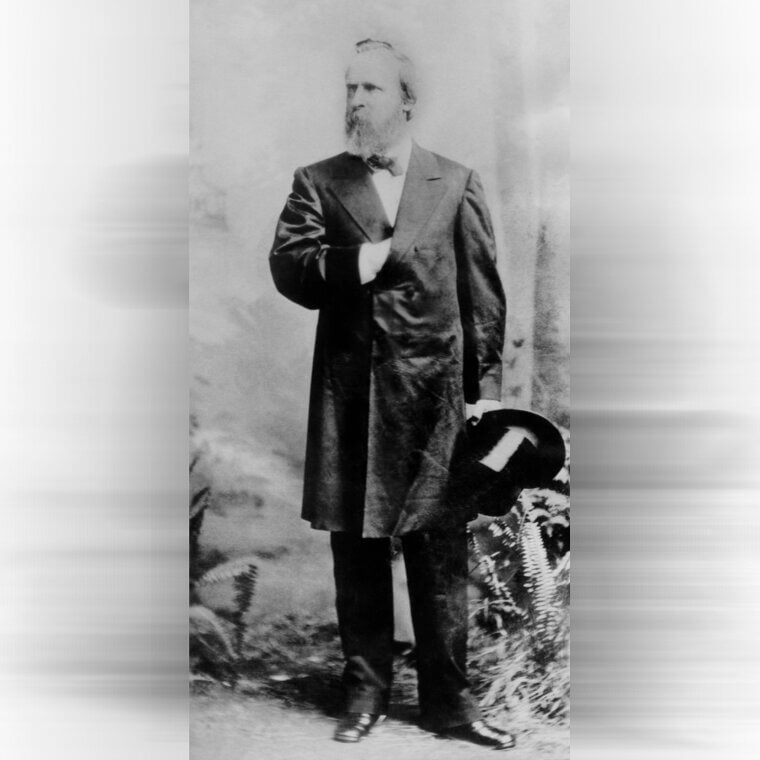
Despite the political drama, Hayes had serious academic credentials. He graduated from Harvard Law School, one of the most prestigious law schools in America. His estimated IQ of 133.9 shows he had the intellectual skills needed to navigate the complex world of U.S. law, politics, and leadership.
William Henry Harrison – IQ of 133.9
When William Henry Harrison became the 9th President of the United States, he made history right away. At 67 years old, he was the oldest U.S. president at the time. Back then, that was considered pretty unusual in American political leadership.
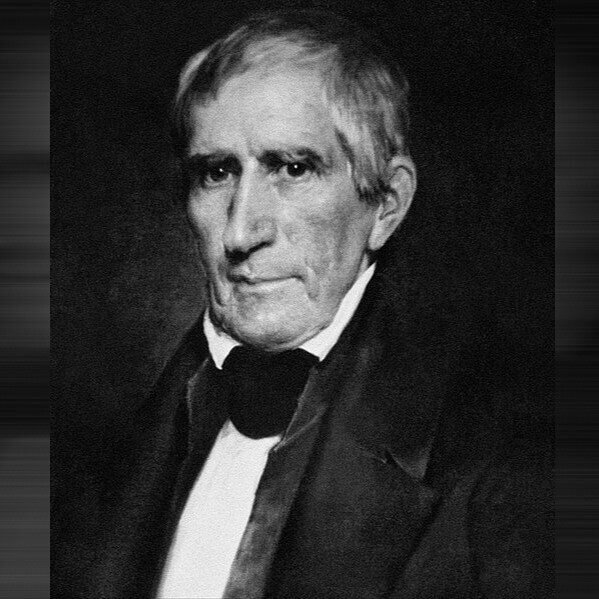
Sadly, Harrison’s presidency didn’t last long. Just 32 days after entering the White House, he died from pneumonia. Even though his IQ was estimated around 133.9, he still holds the record for the shortest presidential term in U.S. history.
Franklin Pierce – IQ of 134.8
Serving as president is tough, but Franklin Pierce had to lead the country during one of the most tense periods in American history. As the 14th President of the United States (1853–1857), he governed while tensions between the North and South were pushing the nation toward the American Civil War.
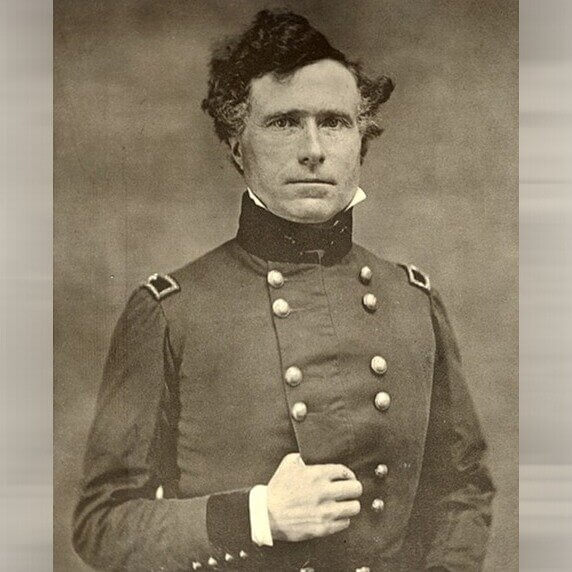
Pierce had a strong background in law and military service, which helped him rise in U.S. politics. Even though historians often rank his presidency poorly, his estimated IQ of 134.8 shows he had serious intellectual ability.
Millard Fillmore – IQ of 136
Today, U.S. politics is dominated by the Democratic and Republican parties. But during the 1800s, another political group existed — the Whig Party. Millard Fillmore was actually the last president from this party, serving as the 13th President of the United States from 1850 to 1853.
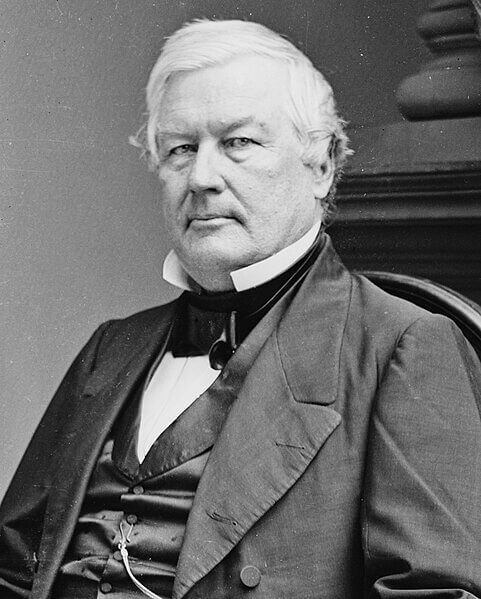
Fillmore’s story is pretty inspiring. He couldn’t afford college education, yet he still built a successful career in law and politics. His estimated IQ of 136 reflected his sharp mind, and later in life he even helped found a college, proving education mattered deeply to him.
John Tyler – IQ of 136.2
John Tyler never expected to become president. He was originally serving as Vice President of the United States, but everything changed when William Henry Harrison died shortly after taking office. That unexpected event pushed Tyler into the role of 10th U.S. President.
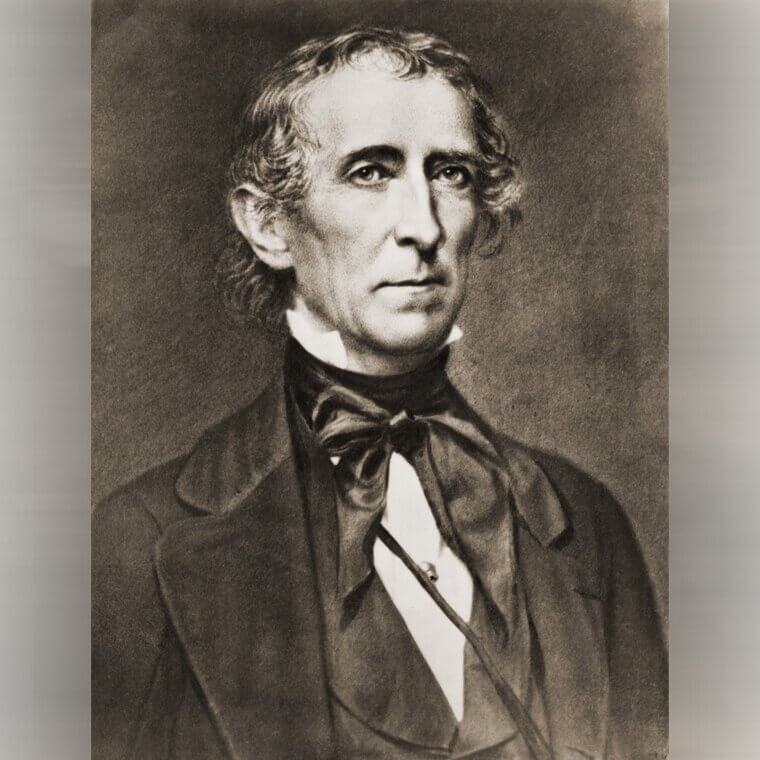
At first, many politicians refused to fully accept him as leader. In fact, several members of his presidential cabinet resigned rather than serve under him. Still, Tyler had an estimated IQ of 136.2 and a strong college education, supported by years of private tutoring arranged by his father.
James Monroe – IQ of 138.6
James Monroe holds a special place in American history. He was the last Founding Father to become President of the United States, serving from 1817 to 1825. His presidency is often remembered for the “Era of Good Feelings,” a time when the country experienced relative political unity.
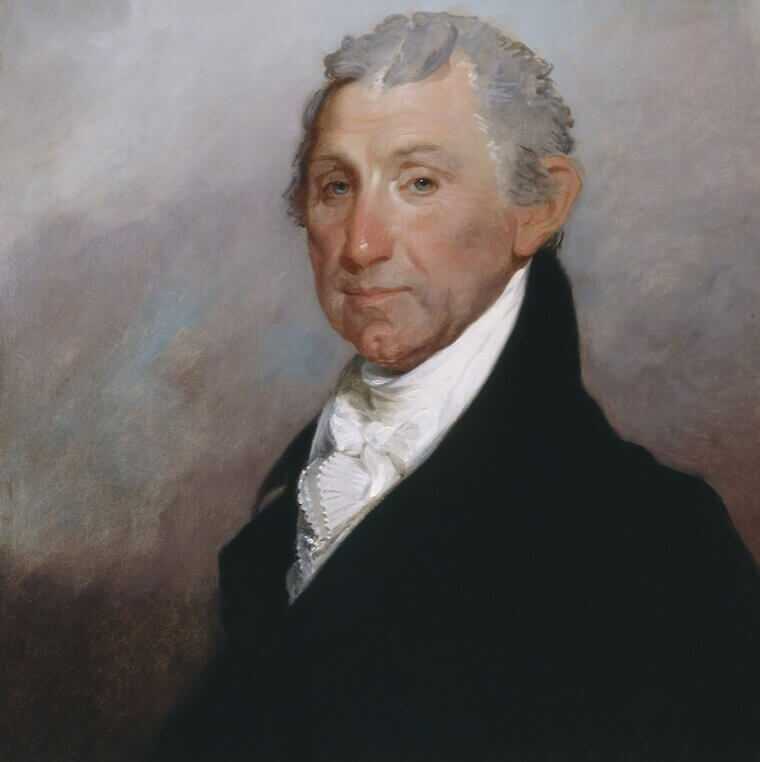
Monroe had both military and legal experience, which helped him gain respect in U.S. government leadership. With an estimated IQ of 138.6, he was also known for studying law under Thomas Jefferson, one of the most influential figures in early American democracy.
Andrew Johnson – IQ of 138.9
After the shocking assassination of Abraham Lincoln, the country suddenly found itself under new leadership. Andrew Johnson stepped in and became the 17th President of the United States, serving from 1865 to 1869 during the difficult Reconstruction era.
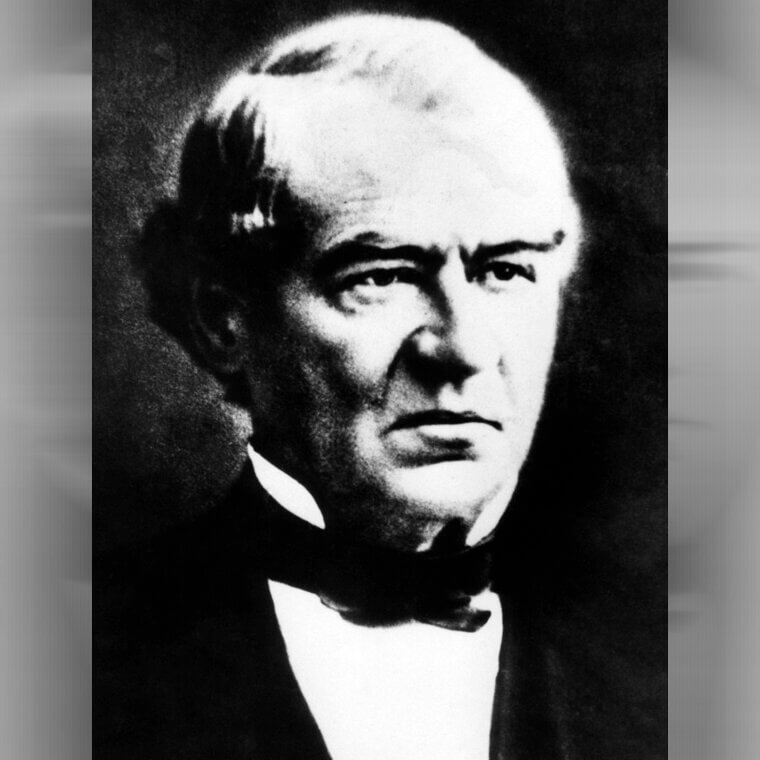
Johnson’s presidency was extremely controversial and even led to the famous impeachment trial of Andrew Johnson. Despite all the political battles, historians estimate his IQ at around 138.9, showing he had the intelligence to navigate the complicated world of U.S. law, politics, and national rebuilding.
William Howard Taft – IQ of 139.5
Most U.S. presidents slowly climb the ladder through law, politics, or military service, and William Howard Taft followed a similar path. After graduating from Yale University, he worked as a lawyer and judge, building a strong reputation in American law and government leadership. Eventually, he became the 27th President of the United States in 1909, succeeding Theodore Roosevelt.
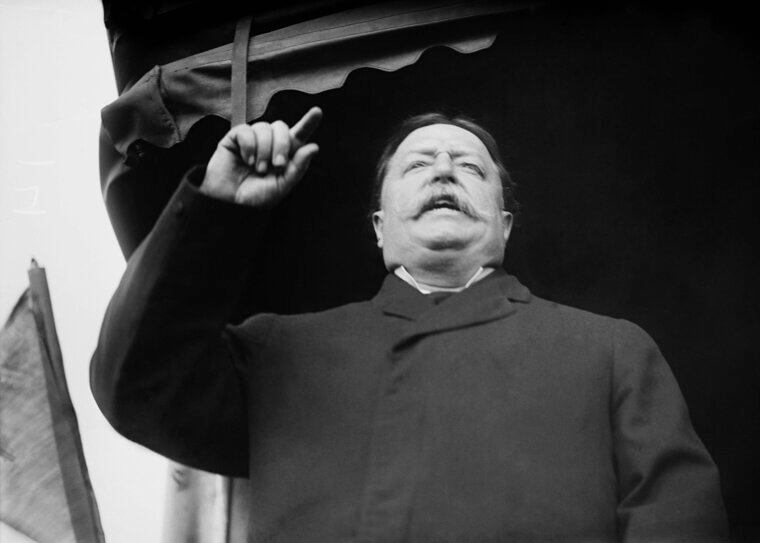
Taft was known for his sharp legal mind and deep knowledge of the U.S. Constitution. With an estimated IQ of 139.5, his intelligence helped him make history again later. After leaving the White House, he became the 10th Chief Justice of the United States Supreme Court, something no other president has done.
James Buchanan – IQ of 139.6
From a young age, James Buchanan was deeply interested in American politics and constitutional law. While studying in college, he spent much of his time reading and analyzing the U.S. Constitution, preparing himself for a future in government leadership. Eventually, he rose through politics and became the 15th President of the United States.
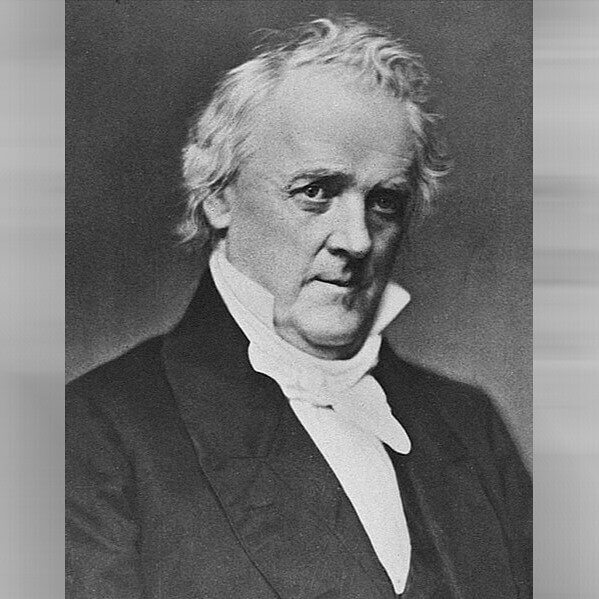
Buchanan is also remembered for something unusual in White House history — he was the only president who remained single during his entire presidency. Even without a First Lady, he was known as an intellectual leader with an estimated IQ of 139.6.
Harry S. Truman – IQ of 139.8
Many U.S. presidents first serve as Vice President, and Harry S. Truman followed that path. He was vice president under Franklin D. Roosevelt, but held the role for only a few weeks before Roosevelt suddenly passed away, pushing Truman into the role of 33rd President of the United States.
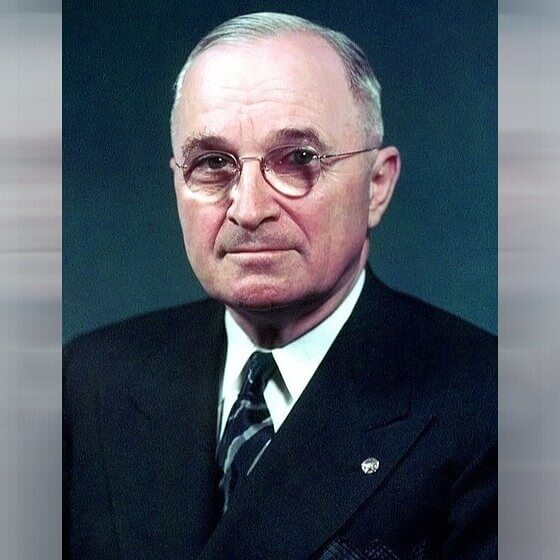
Truman served from 1945 to 1953, a time filled with major global conflicts and foreign policy decisions. With an estimated IQ of 139.8, he had to make some of the toughest choices in modern American political history, especially during the early years of the Cold War.
Zachary Taylor – IQ of 139.8
Back in the 1800s, many leaders reached the White House through their military achievements. That’s exactly how Zachary Taylor rose to national fame. As a major general in the U.S. Army, he became a hero during the Mexican–American War, which later helped him win the U.S. presidential election.
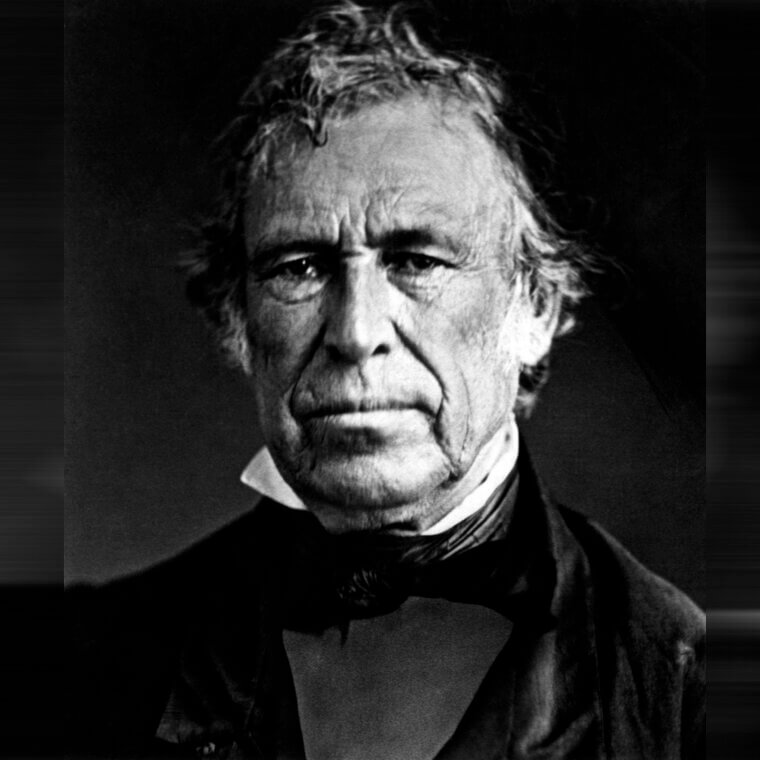
Taylor became the 12th President of the United States, but his presidency sadly lasted just over a year before his death. Still, his estimated IQ of 139.8 shows he had the intelligence needed for both military strategy and national leadership.
Warren G. Harding – IQ of 139.9
Warren G. Harding, the 29th President of the United States, grew up in Ohio and spent most of his early years there before entering American politics. Before reaching the White House, he explored several careers including publishing, teaching, insurance sales, and law.
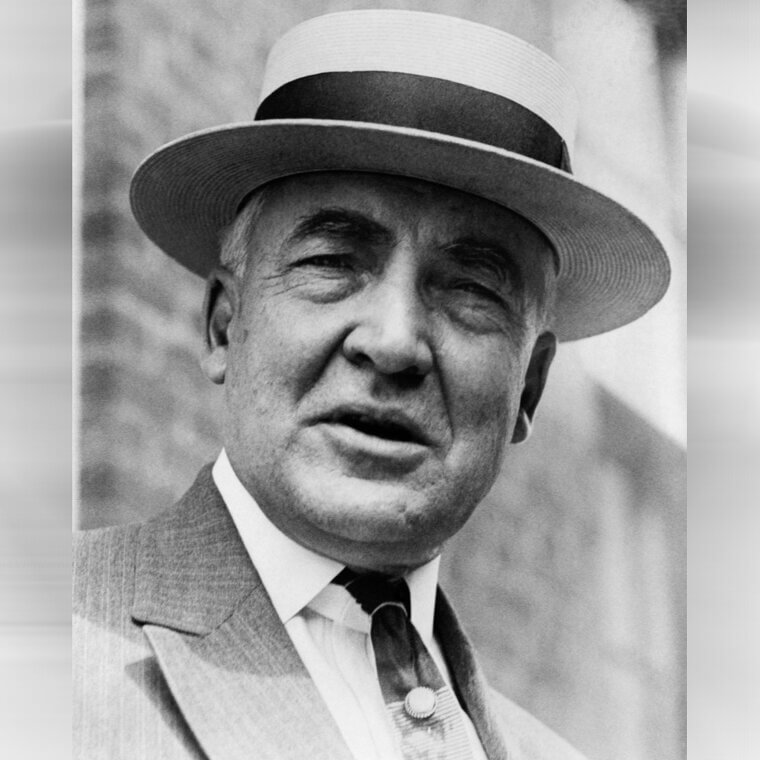
Harding was also academically gifted, even starting college at the young age of 14. His estimated IQ of 139.9 reflected his natural intelligence, though his presidency later became overshadowed by political scandals like the Teapot Dome scandal.
Chester Arthur – IQ of 141.5
Like several presidents before him, Chester A. Arthur never expected to become president. He was serving as Vice President under James A. Garfield when Garfield was assassinated, suddenly pushing Arthur into the role of 21st President of the United States.
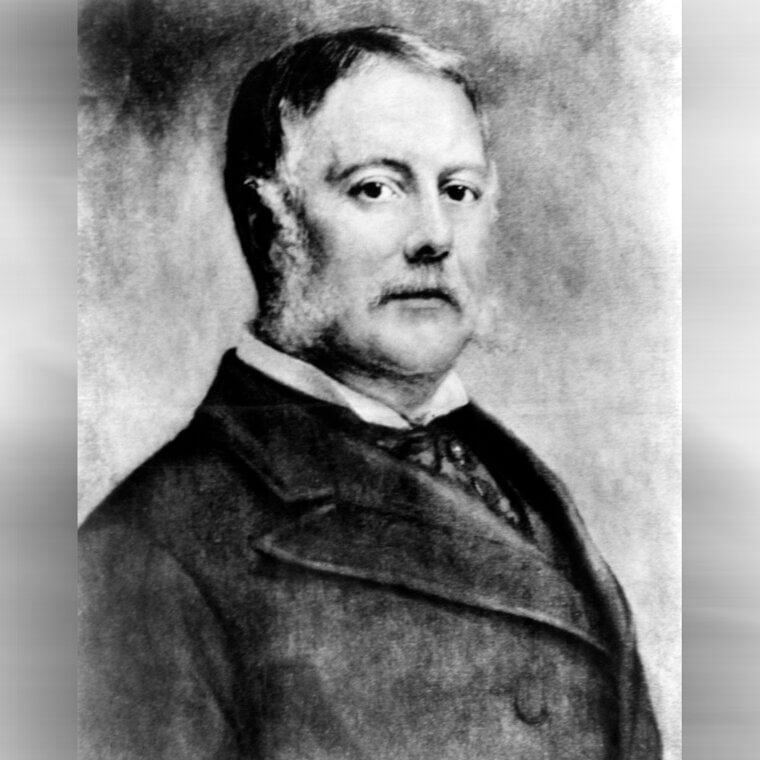
Arthur turned out to be a surprisingly capable leader. With an estimated IQ of 141.5, he pushed for important civil service reforms that helped modernize the U.S. federal government. Sadly, declining health prevented him from fully pursuing a second presidential term.
Lyndon B. Johnson – IQ of 140.6
Lyndon B. Johnson stepped into the presidency during a shocking moment in U.S. political history. After the assassination of John F. Kennedy, Johnson moved from Vice President to become the 36th President of the United States, serving from 1963 to 1969.
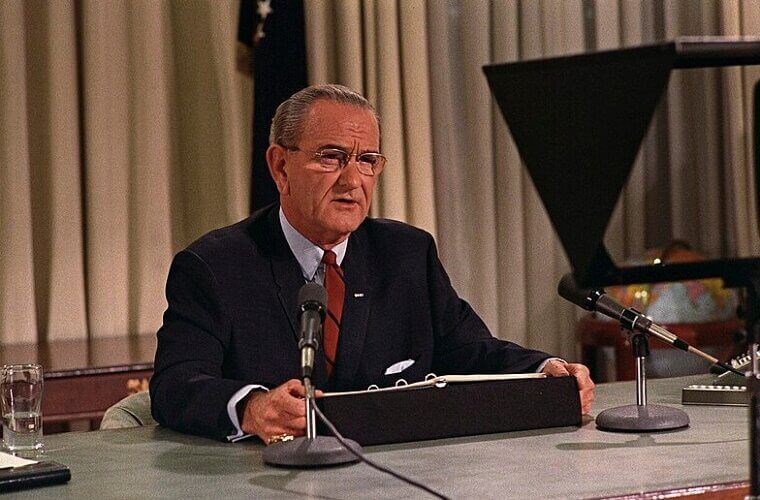
During his time in the White House, Johnson focused heavily on his “Great Society” programs, a series of policies aimed at reducing poverty, improving healthcare, and expanding education in America. With an estimated IQ of 140.6, he had the strategic thinking needed to push major domestic policy reforms.
James Garfield – IQ of 141.5
Before reaching the White House, James A. Garfield had already built an impressive career in American politics and leadership. Born into poverty, he worked his way up through education and became a preacher, lawyer, Civil War general, and long-time member of the U.S. House of Representatives.
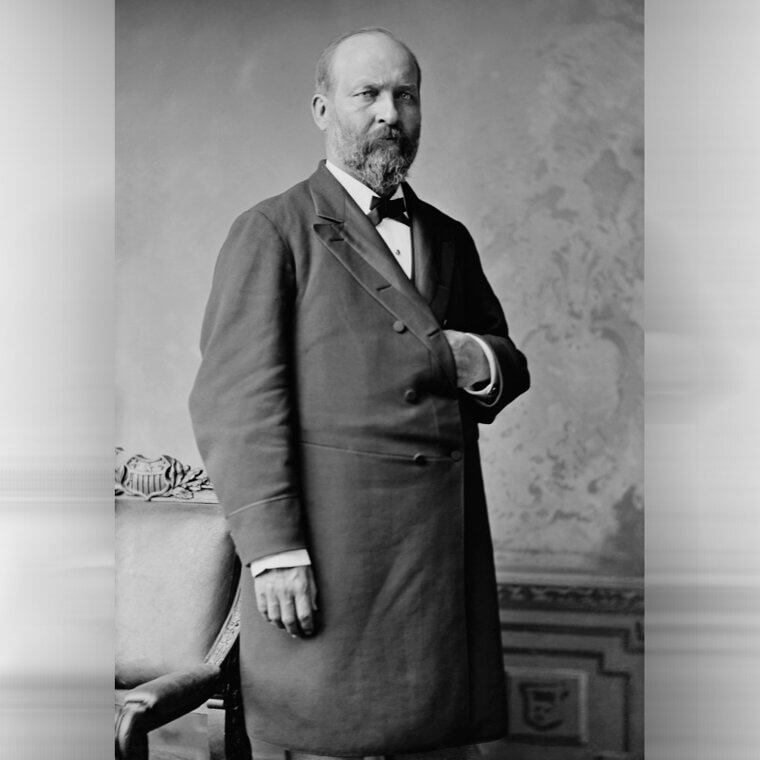
Garfield eventually became the 20th President of the United States in 1881. His estimated IQ of 141.5 reflected his academic brilliance, but sadly his presidency was short-lived. He was assassinated just 200 days after taking office, cutting his leadership short.
Herbert Hoover – IQ of 141.6
On paper, Herbert Hoover looked like the ideal candidate for U.S. presidential leadership. He was extremely intelligent and graduated from Stanford University with a degree in engineering, later becoming a successful mining engineer and humanitarian before entering politics.
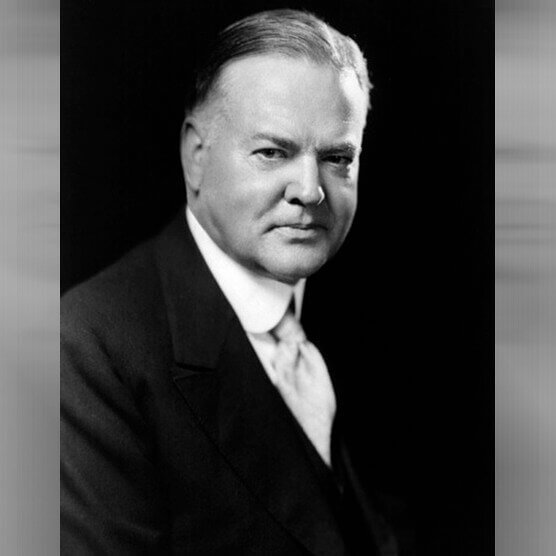
Hoover became the 31st President of the United States, but his presidency coincided with the start of the Great Depression, one of the worst economic crises in American history. Even with an estimated IQ of 141.6, leading the country through such a difficult time proved incredibly challenging.
Richard Nixon – IQ of 142.9
Richard Nixon remains one of the most talked-about figures in U.S. presidential history. Before becoming president, he served as Vice President under Dwight D. Eisenhower, gaining major experience in foreign policy and national leadership.
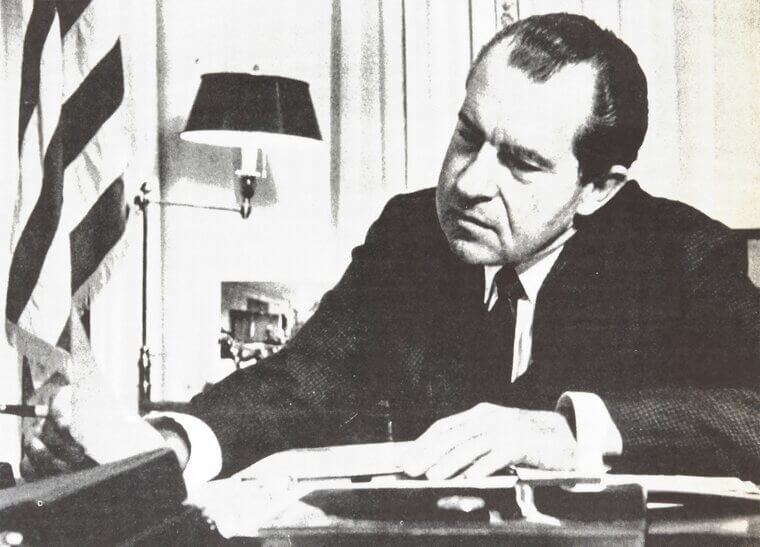
As the 37th President of the United States, Nixon oversaw major events like the Apollo 11 moon landing, efforts to reduce involvement in the Vietnam War, and the creation of the Occupational Safety and Health Administration (OSHA). His estimated IQ of 142.9 reflected his strategic mind, though his presidency ended after the infamous Watergate scandal forced him to resign.
Barack Obama – IQ of 145
In 2009, Barack Obama made history by becoming the first African-American President of the United States. Before entering the White House, he had already built an impressive career in law, education, and American politics.
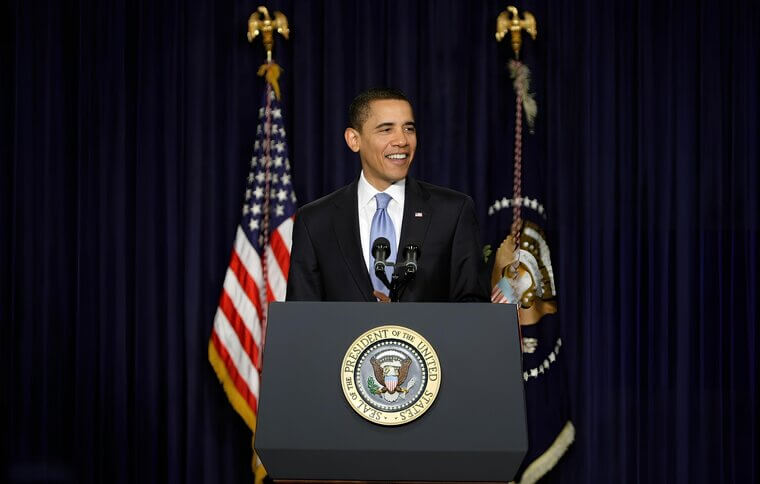
Obama studied political science at Columbia University and later graduated from Harvard Law School, where he became a civil rights attorney and law professor. With an estimated IQ of 145, he went on to serve two terms as the 44th U.S. President, shaping modern U.S. domestic and foreign policy.
Abraham Lincoln – IQ of 148
Abraham Lincoln is widely considered one of the greatest leaders in American history. As the 16th President of the United States, he guided the nation through the devastating American Civil War, one of the most critical periods in U.S. history.
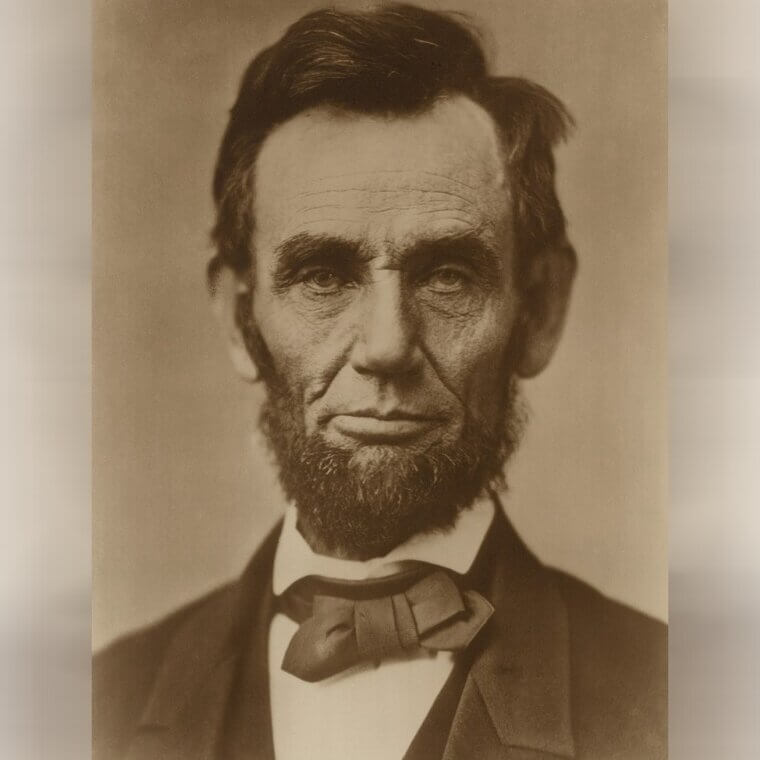
Lincoln’s leadership changed the course of the country, especially after he issued the Emancipation Proclamation in 1863, which began the process of ending slavery in the United States. His estimated IQ of 148 reflected his remarkable intelligence and leadership ability, though his life was tragically cut short after his assassination in 1865.
Franklin D. Roosevelt – IQ of 150
Many U.S. presidents have strong ties to Ivy League universities, and Franklin D. Roosevelt was no exception. Born into a wealthy and influential family, he studied at Harvard University and later attended Columbia University, building a strong foundation in law and political leadership.
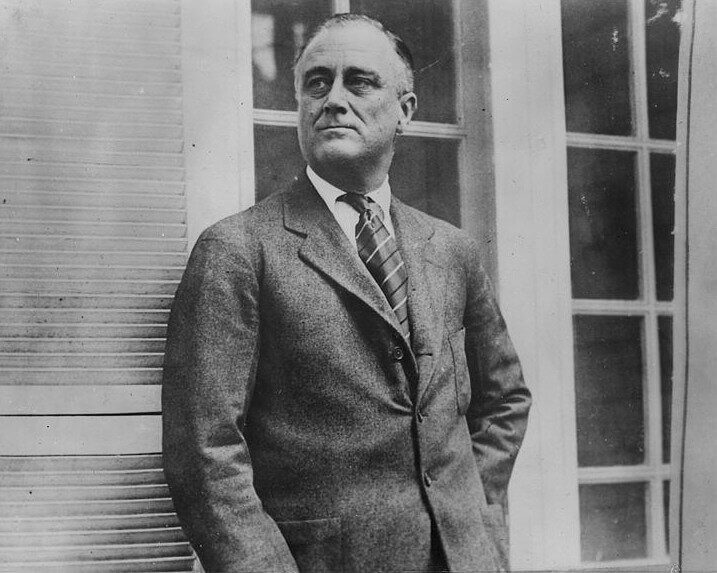
Roosevelt later became the 32nd President of the United States and is still remembered as one of the most influential leaders in American political history. With an estimated IQ of 150, he led the country through the Great Depression and World War II, and remains the only U.S. president elected to four terms.
John F. Kennedy – IQ of 150.8
John F. Kennedy, often called JFK, had an incredibly impressive resume before entering the White House. He graduated from Harvard University, served in the U.S. Navy during World War II, and even won a Pulitzer Prize for his writing.
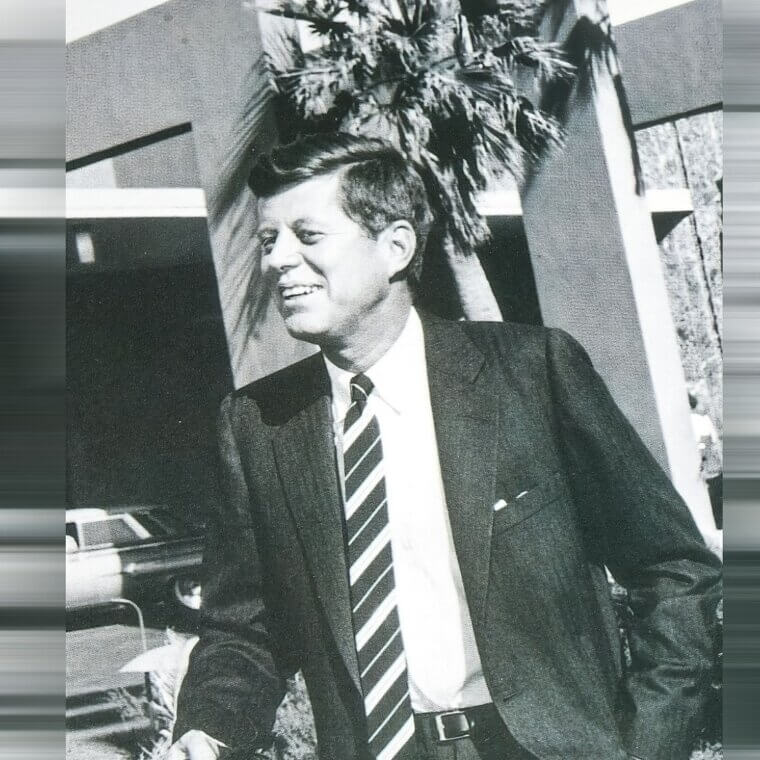
Kennedy became the 35th President of the United States and also holds the distinction of being one of the youngest presidents in American history. With an estimated IQ of 150.8, he brought intelligence, charisma, and strong foreign policy leadership to the presidency before his tragic assassination in 1963.
Theodore Roosevelt – IQ of 153
The Roosevelt name carries serious weight in U.S. political history. Before Franklin D. Roosevelt became president, his relative Theodore Roosevelt had already made a huge impact as the 26th President of the United States from 1901 to 1909.
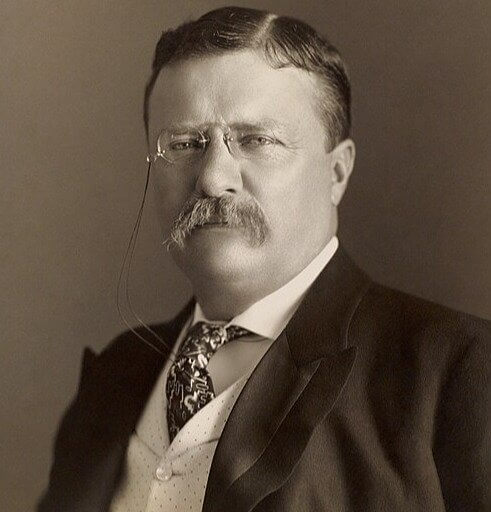
Roosevelt stepped into the presidency after the assassination of William McKinley, but he quickly proved he was more than capable of leading the country. With an estimated IQ of 153 and education from top institutions like Columbia University and Harvard, he became one of the most energetic leaders in American political leadership.
Woodrow Wilson – IQ of 155.2
Serving as President of the United States during a global crisis is no easy task. Woodrow Wilson, the 28th U.S. president, had to guide the nation during World War I, playing a major role in shaping the outcome of the conflict.
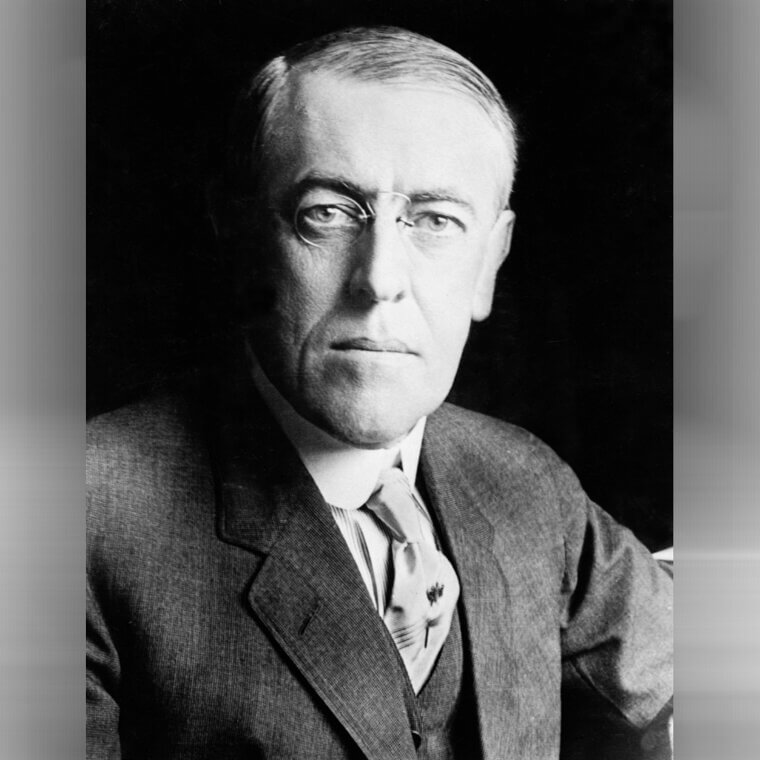
Wilson was also highly educated, studying at institutions like Princeton University, Johns Hopkins University, and the University of Virginia. With an estimated IQ of 155.2, he was known for his deep understanding of political science, international diplomacy, and global leadership.
Jimmy Carter – IQ of 156
Before becoming the 39th President of the United States, Jimmy Carter built a strong background in both the U.S. military and public service. After graduating from the U.S. Naval Academy, he served in the Navy before eventually stepping into American politics as a Georgia state senator.
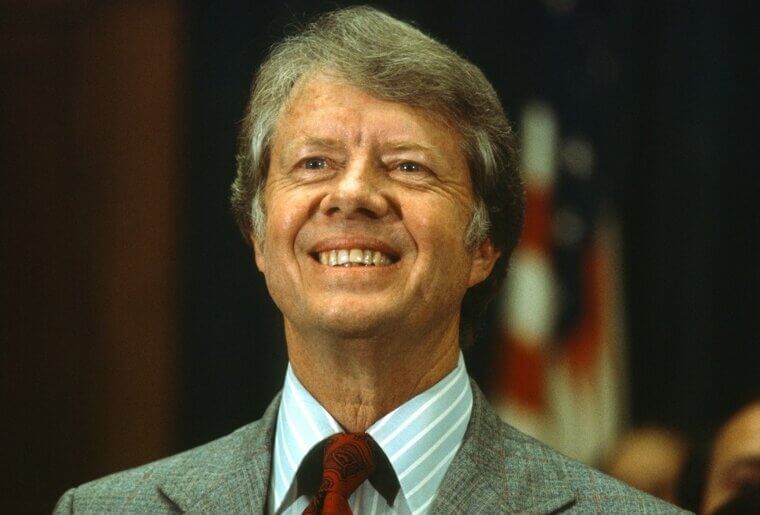
Carter later moved into the White House, where he focused heavily on human rights, civil rights, and global peace efforts. With an estimated IQ of 156, he was known for his thoughtful approach to international diplomacy and humanitarian leadership.
Donald Trump – IQ of 156
When Donald Trump became the 45th President of the United States in 2017, he brought a very different background to U.S. presidential politics. Unlike many leaders before him, Trump came from the world of business, real estate investment, and television rather than traditional government roles.
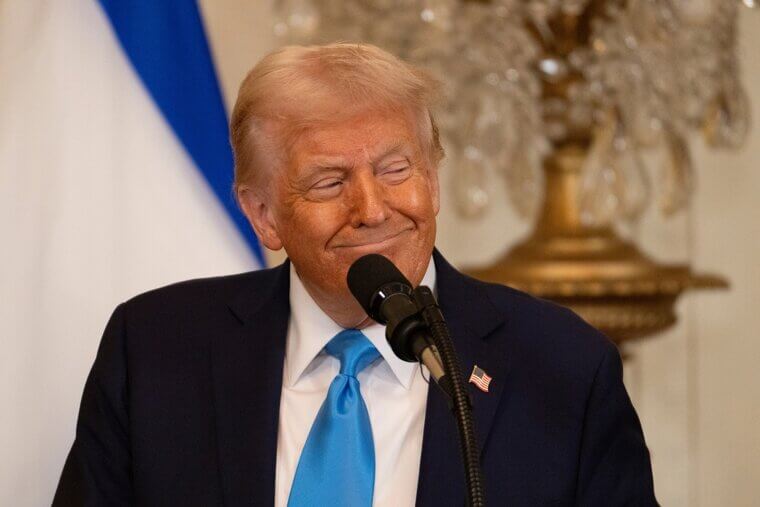
Trump graduated from the University of Pennsylvania’s Wharton School with a degree in economics before building a global real estate business empire. While he has claimed an IQ of 156, those numbers have never been officially confirmed through public IQ testing.
Bill Clinton – IQ of 159
Bill Clinton became the 42nd President of the United States in 1993, and his popularity helped him secure two presidential terms. His journey into American political leadership began long before the White House.
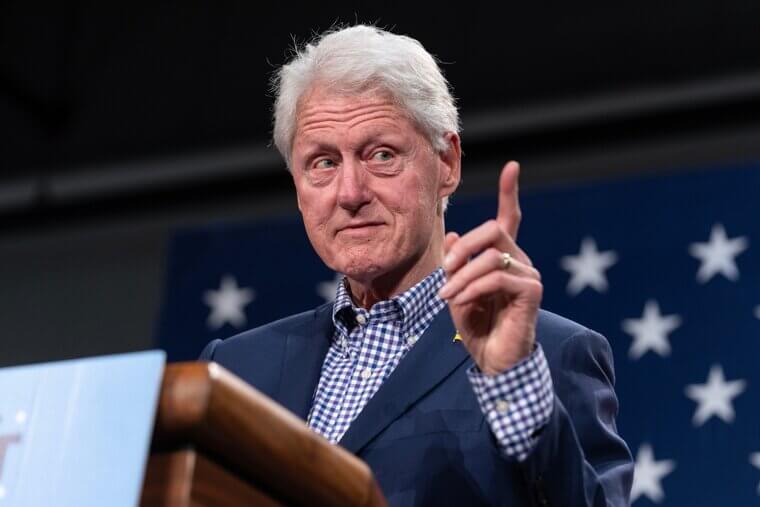
Clinton studied at Georgetown University and later attended Yale Law School, one of the top law schools in the United States. With an estimated IQ of 159, his intelligence and communication skills played a major role in shaping his success in U.S. domestic and economic policy.
James Madison – IQ of 160
James Madison wasn’t just a president — he was one of the most important Founding Fathers of the United States. As the 4th U.S. President, Madison helped shape the foundation of American democracy.
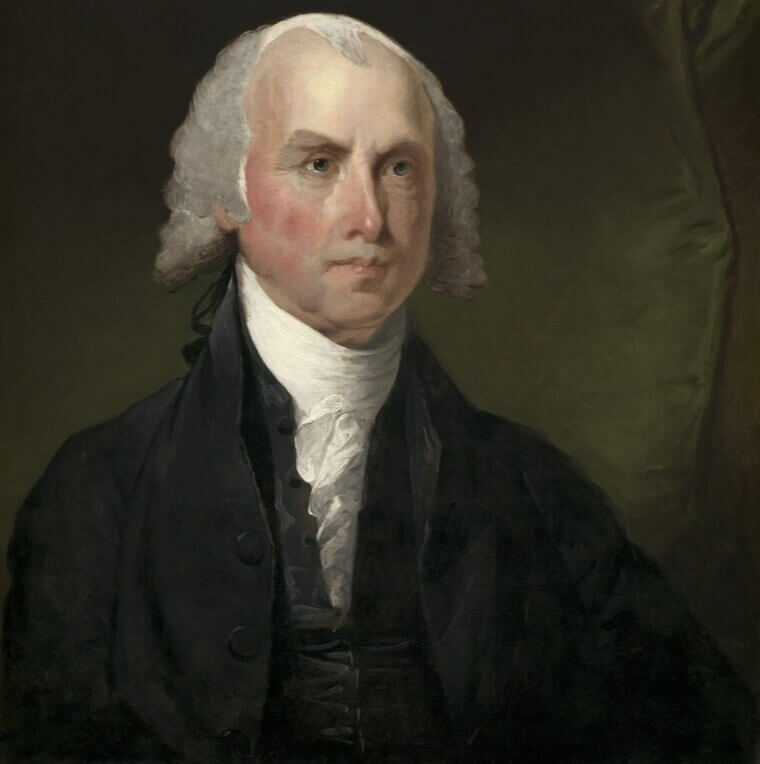
He played a key role in writing both the U.S. Constitution and the Bill of Rights, earning him the nickname “Father of the Constitution.” With an estimated IQ of 160, Madison’s deep understanding of law, government structure, and political theory helped shape the nation’s future.
Thomas Jefferson – IQ of 168
Few presidents have had as much influence on American history as Thomas Jefferson. Serving as the 3rd President of the United States from 1801 to 1809, Jefferson was also a leading Founding Father and political philosopher.
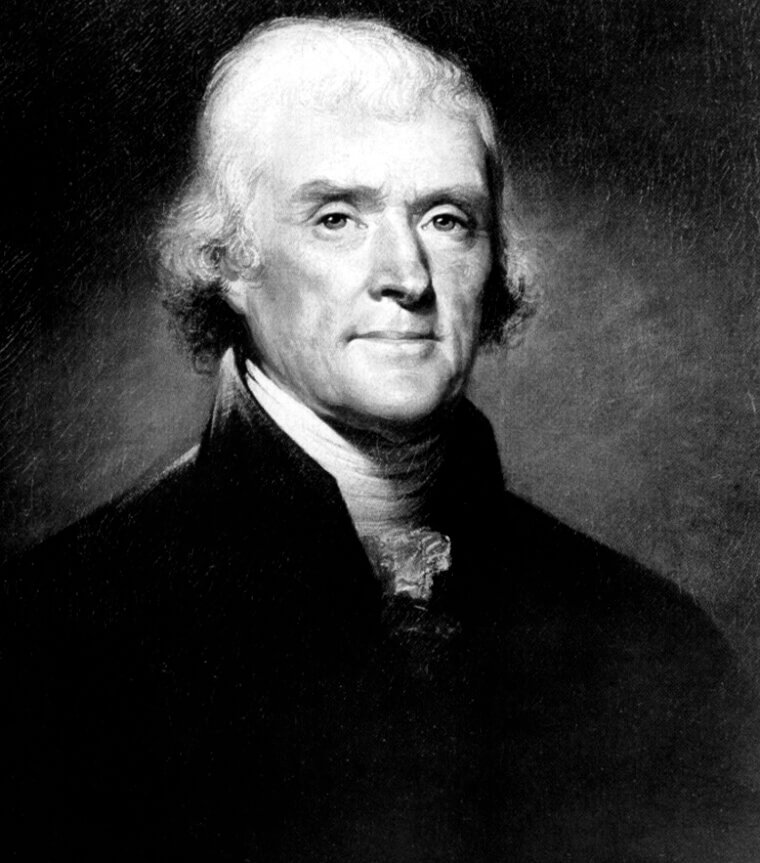
With an estimated IQ of 168, Jefferson was known for his brilliance in law, politics, science, and education. He later founded the University of Virginia, believing that higher education and knowledge were essential for building a strong democratic society.
John Quincy Adams – IQ of 175
When it comes to the smartest U.S. president in history, many historians point to John Quincy Adams. As the 6th President of the United States, he carried a huge legacy since his father, John Adams, was also a former president. Still, Adams managed to build his own powerful reputation in American politics and diplomacy.
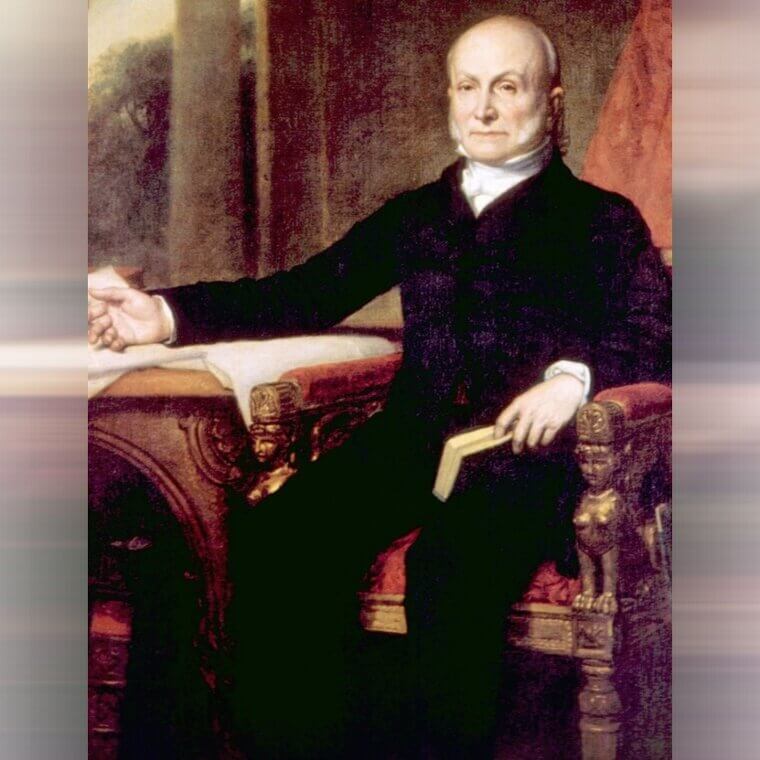
Adams graduated from Harvard University and was known for being incredibly gifted academically. He could speak seven different languages, which helped him excel in international diplomacy and foreign policy. With an estimated IQ of 175, he’s often considered one of the most intellectually brilliant leaders in U.S. presidential history.